
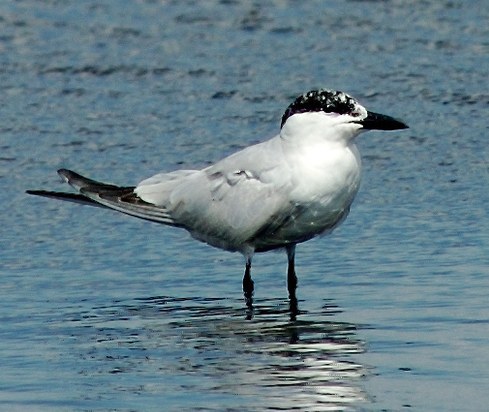
Gull-billed Tern
Gelochelidon nilotica
A stocky, gull-billed tern with a stout black bill, pale plumage, and an unusual habit of hawking insects over dry land far from water.
- Size
- 35-43 cm (14-17 in) long, 76-92 cm wingspan
- Habitat
- coastal marshes, salt pans, wetlands, and adjacent farmland
- Type
- seabird
Spotted a bird like this?
Identify any bird from a photo, free.
Overview
The Gull-billed Tern is an unusual member of the tern family, more heavily built than most relatives and behaving almost as much like a gull as a typical tern. It is widespread but generally scarce, found across scattered wetland regions on several continents.
Appearance
Adults show pale grey upperparts, white underparts, and a black cap in breeding plumage that fades to a streaky grey-and-white head pattern outside the breeding season. The stout, all-black bill is a key feature, along with long black legs and a relatively short, only shallowly forked tail.
How to identify it
Key field marks
- Thick, stubby black bill without any red or orange, unlike most terns
- Pale grey upperparts and clean white underparts
- Long black legs, longer-legged than most terns
- Shallowly forked tail, less deeply forked than Common or Roseate Terns
- Often seen flying over fields and marshes rather than open water
Similar species
Compared to Common and Sandwich Terns, the Gull-billed Tern has a shorter, thicker bill lacking any orange or yellow tip, and a stockier gull-like build. Its habit of foraging over dry land for insects is unusual among terns and is a useful behavioral clue.
Habitat & range
Habitat and range
Gull-billed Terns breed locally across warm-temperate and tropical regions of the Americas, Europe, Africa, Asia, and Australia, favoring coastal lagoons, salt marshes, salt pans, and adjacent open fields. Populations are often patchily distributed and can shift breeding sites between years.
Many populations are migratory, moving to wintering grounds along tropical and subtropical coasts, estuaries, and wetlands, though some populations in warmer climates are largely resident.
Behavior & voice
Behavior
Unlike most terns, which dive for fish, the Gull-billed Tern frequently hunts on the wing over dry land, snapping up large insects such as dragonflies and grasshoppers, and will also take small lizards, crabs, and even the chicks of other birds. It forages with a buoyant, gull-like flight, often quartering over fields.
Voice
Its call is a harsh, laughing "ke-wek" or rasping "kay-wek," quite different from the sharper calls of many other terns.
Nesting and breeding
Gull-billed Terns nest in loose colonies on bare ground near marshes or salt pans, laying two to three eggs in a shallow scrape. Both parents share incubation and defend the nest vigorously against intruders.
Frequently asked questions
What makes the Gull-billed Tern different from other terns?
It has a shorter, thicker all-black bill and often hunts insects over dry land and fields rather than diving for fish over water.
What does a Gull-billed Tern eat?
Mostly large insects like dragonflies and grasshoppers, plus small lizards, crabs, and occasionally small vertebrates, caught both on the wing and on the ground.
Where does the Gull-billed Tern live?
It breeds locally on coastal marshes and salt pans across the Americas, Europe, Africa, Asia, and Australia.
How can I identify a Gull-billed Tern in flight?
Look for pale grey upperparts, a stocky build, a thick black bill, and a shallow tail fork combined with a buoyant, gull-like flight, often over land.
Gull-billed Tern guides
In-depth guides for identifying, finding, and understanding Gull-billed Tern.
Other birds you may enjoy
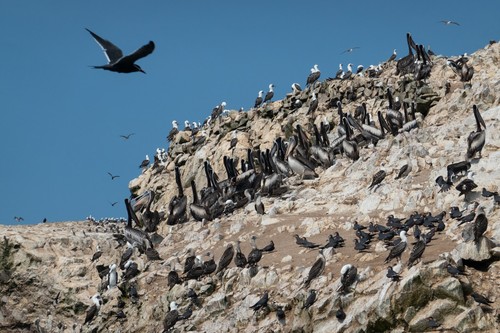
Peruvian Pelican
137-152 cm (54-60 in) long, up to 228 cm wingspan
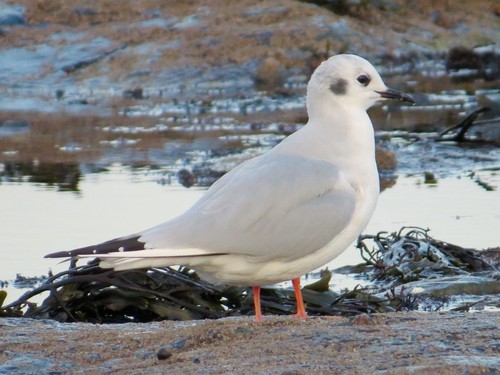
Bonaparte's Gull
28-33 cm (11-13 in) long, 76-84 cm wingspan
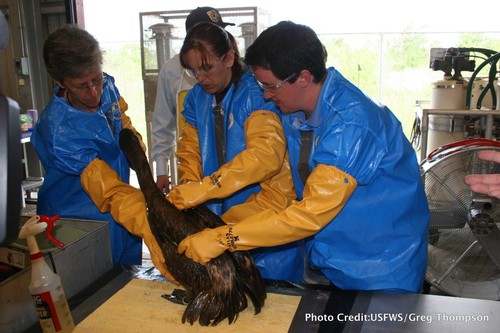
Brown Pelican
106-137 cm (42-54 in) long, 200-230 cm wingspan
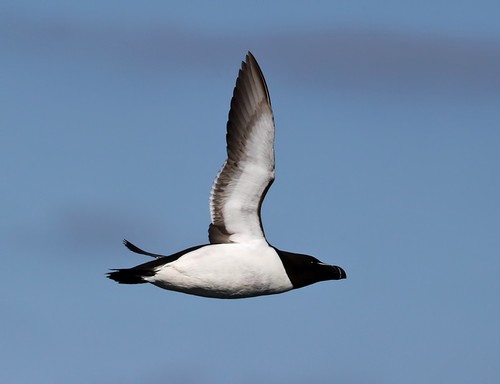
Razorbill
37-39 cm (15-15.5 in) long, 63-68 cm wingspan
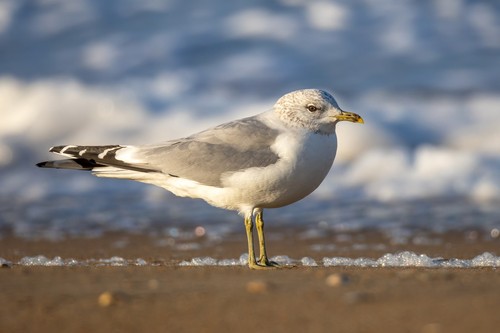
Common Gull
40-46 cm (16-18 in) long, 110-130 cm wingspan
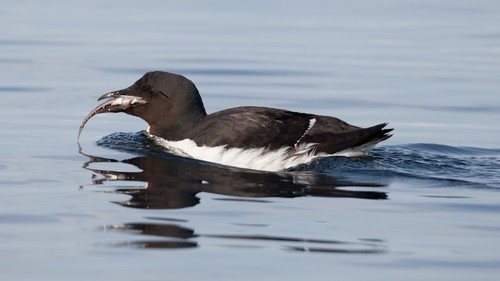
Thick-billed Murre
40-48 cm (16-19 in) long, 65-75 cm wingspan
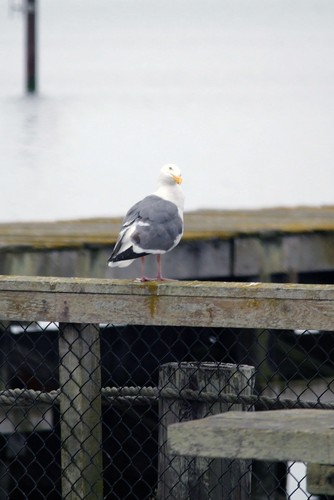
Western Gull
55-68 cm (22-27 in) long, 130-144 cm wingspan
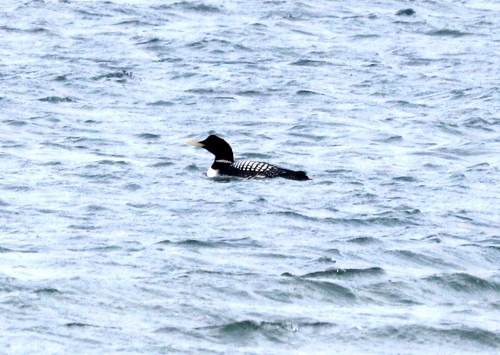
Yellow-billed Loon
76-97 cm (30-38 in) long, 135-152 cm wingspan
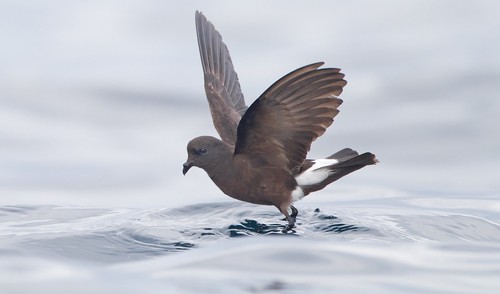
Wilson's Storm-Petrel
15-19 cm (6-7.5 in) long, wingspan 38-42 cm (15-16.5 in)
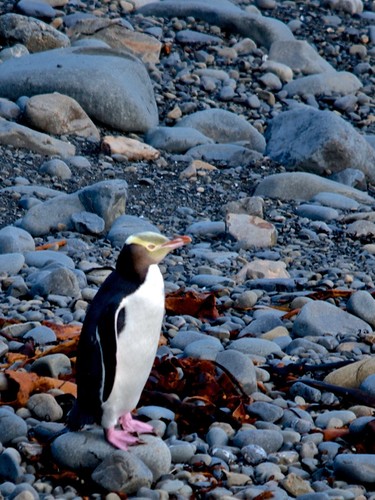
Yellow-eyed Penguin
62-79 cm (24-31 in) tall, 3-8.5 kg (6.6-18.7 lb)
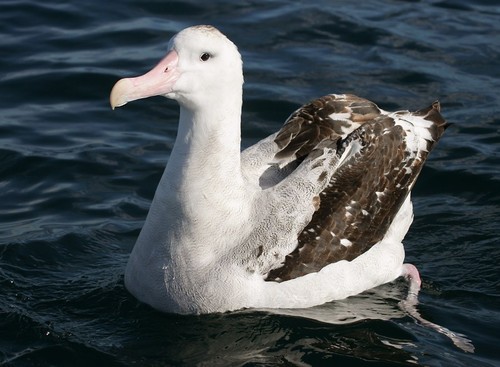
Wandering Albatross
107-135 cm (42-53 in) long, wingspan up to 3.5 m (11.5 ft)

Tufted Puffin
35-41 cm (14-16 in) long, about 63-70 cm wingspan