
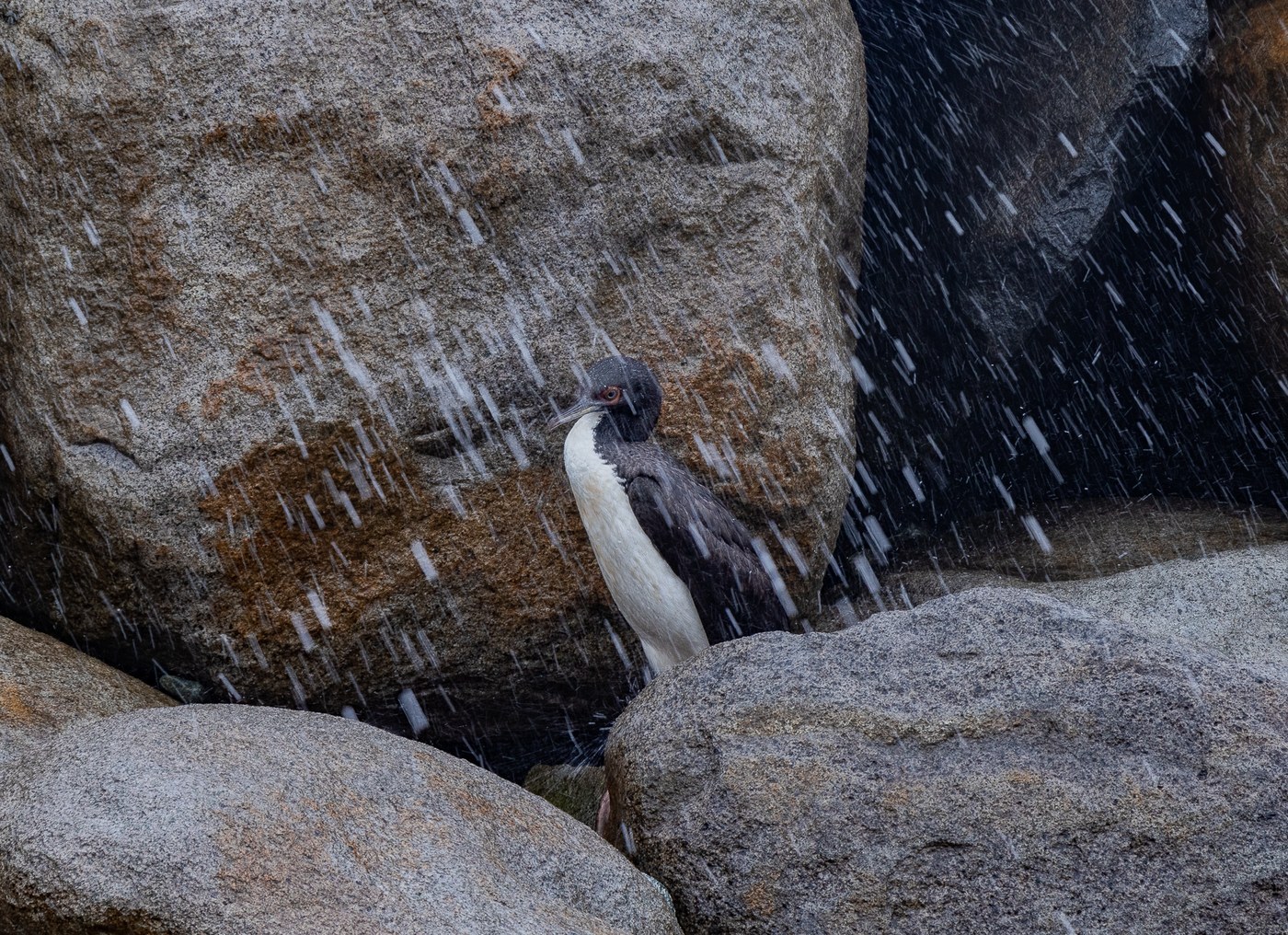
Guanay Cormorant
Leucocarbo bougainvillii
A black-and-white cormorant of the Humboldt Current whose massive colonies historically produced the guano that gave the bird its name.
- Size
- 71-76 cm (28-30 in) long, 90-95 cm wingspan
- Habitat
- cold coastal waters, offshore islands, and rocky headlands
- Type
- seabird
Spotted a bird like this?
Identify any bird from a photo, free.
Overview
The Guanay Cormorant is a striking black-and-white seabird of the cold, nutrient-rich Humboldt Current off Peru and Chile. It has glossy black upperparts, a white throat, chest, and belly, and bare reddish-pink skin around the base of the bill and eye. Its bright pink feet add a further splash of color to its otherwise bold pied plumage.
Historically, its enormous breeding colonies on offshore islands produced vast deposits of nitrogen-rich droppings, or guano, which fueled a major 19th-century fertilizer industry along the Peruvian coast.
How to identify it
Key field marks
- Glossy black upperparts contrasting sharply with white underparts and throat
- Bright pink feet
- Reddish-pink bare skin around the bill base and eye
- Long neck and slender bill
Similar species
- Neotropic Cormorant is entirely dark with no white underparts.
- Red-legged Cormorant is smaller and more uniformly slate-grey.
- The bold black-and-white pattern combined with pink feet is distinctive among South American cormorants.
Habitat & range
Habitat
Strictly marine, associated with the cold, highly productive waters of the Humboldt Current, breeding on rocky offshore islands and coastal cliffs.
Range
Found along the Pacific coast of South America, primarily Peru and Chile.
Migration
Mostly sedentary, though it may shift locally or irrupt in response to El Nino events that disrupt local fish stocks.
Behavior & voice
Behavior
Highly colonial and gregarious, often seen in immense flying columns streaming along the coast between roosting islands and feeding grounds.
Voice
Largely silent at sea; utters guttural croaks at breeding colonies.
Feeding
Feeds almost exclusively on anchoveta and other small schooling fish, caught by diving, often in massive cooperative feeding flocks.
Nesting
Breeds in extremely dense colonies on guano islands, building simple nests of guano and debris; typically lays 2-3 pale blue eggs.
Frequently asked questions
Why is the Guanay Cormorant historically important?
Its enormous colonies produced huge quantities of guano, which was mined as a valuable nitrogen-rich fertilizer during the 19th-century guano boom in Peru.
What does a Guanay Cormorant look like?
It has glossy black upperparts, white underparts and throat, pink feet, and reddish-pink skin around the bill and eye.
What do Guanay Cormorants eat?
Primarily anchoveta and other small schooling fish found in the cold Humboldt Current.
How does El Nino affect Guanay Cormorants?
El Nino events warm coastal waters and disrupt fish stocks, often causing major breeding failures and population crashes.
Guanay Cormorant guides
In-depth guides for identifying, finding, and understanding Guanay Cormorant.
Other birds you may enjoy
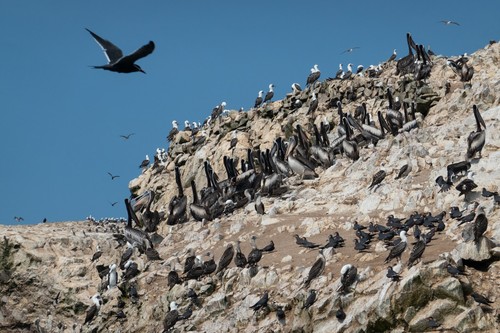
Peruvian Pelican
137-152 cm (54-60 in) long, up to 228 cm wingspan
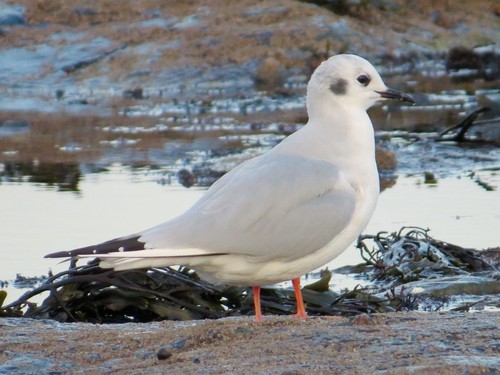
Bonaparte's Gull
28-33 cm (11-13 in) long, 76-84 cm wingspan
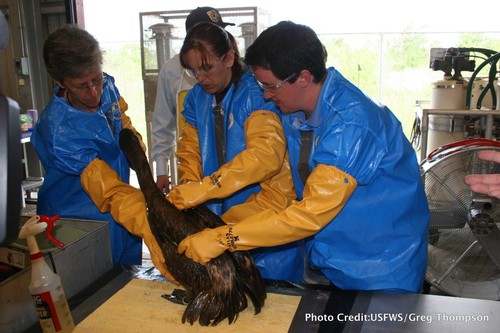
Brown Pelican
106-137 cm (42-54 in) long, 200-230 cm wingspan
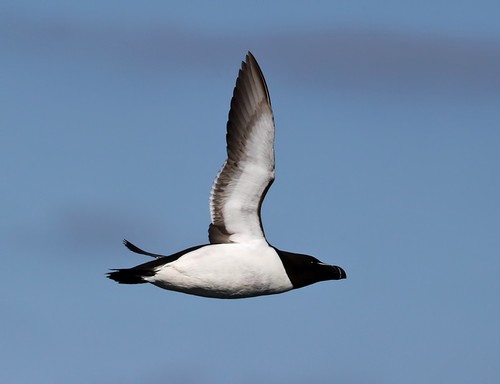
Razorbill
37-39 cm (15-15.5 in) long, 63-68 cm wingspan
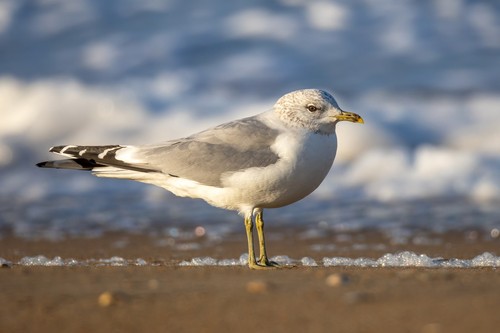
Common Gull
40-46 cm (16-18 in) long, 110-130 cm wingspan
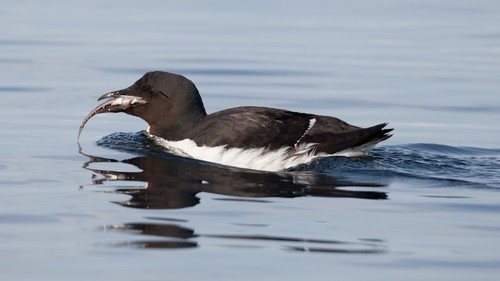
Thick-billed Murre
40-48 cm (16-19 in) long, 65-75 cm wingspan
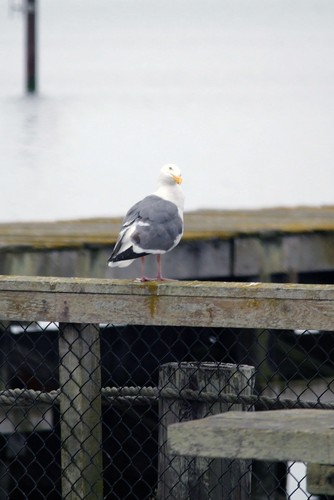
Western Gull
55-68 cm (22-27 in) long, 130-144 cm wingspan
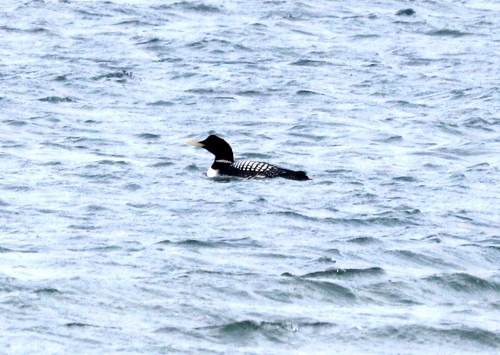
Yellow-billed Loon
76-97 cm (30-38 in) long, 135-152 cm wingspan
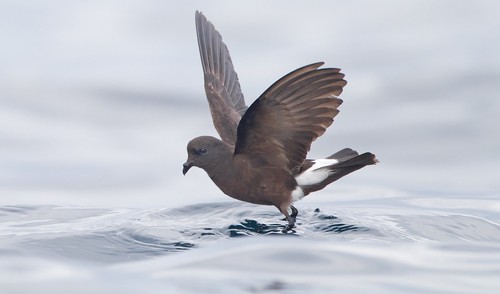
Wilson's Storm-Petrel
15-19 cm (6-7.5 in) long, wingspan 38-42 cm (15-16.5 in)
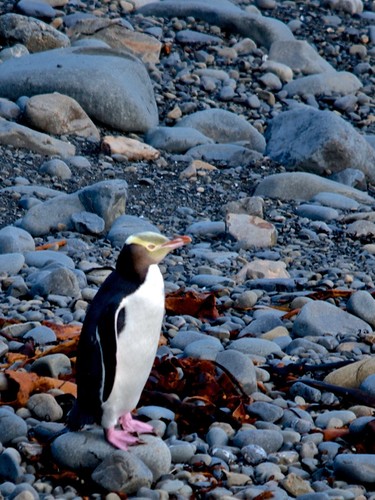
Yellow-eyed Penguin
62-79 cm (24-31 in) tall, 3-8.5 kg (6.6-18.7 lb)
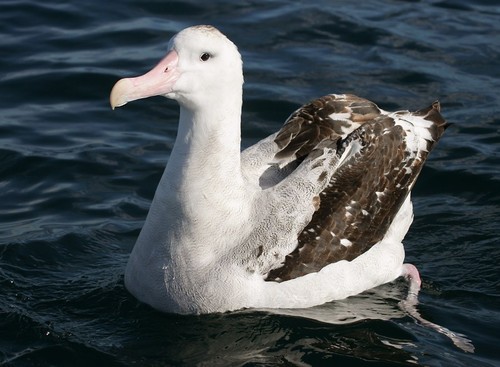
Wandering Albatross
107-135 cm (42-53 in) long, wingspan up to 3.5 m (11.5 ft)
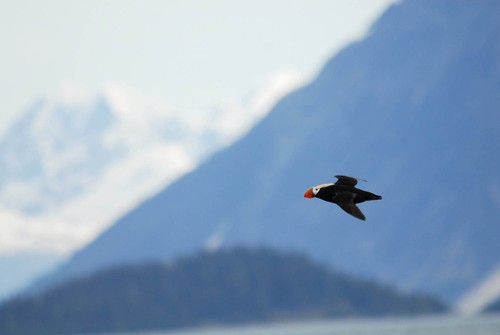
Tufted Puffin
35-41 cm (14-16 in) long, about 63-70 cm wingspan