
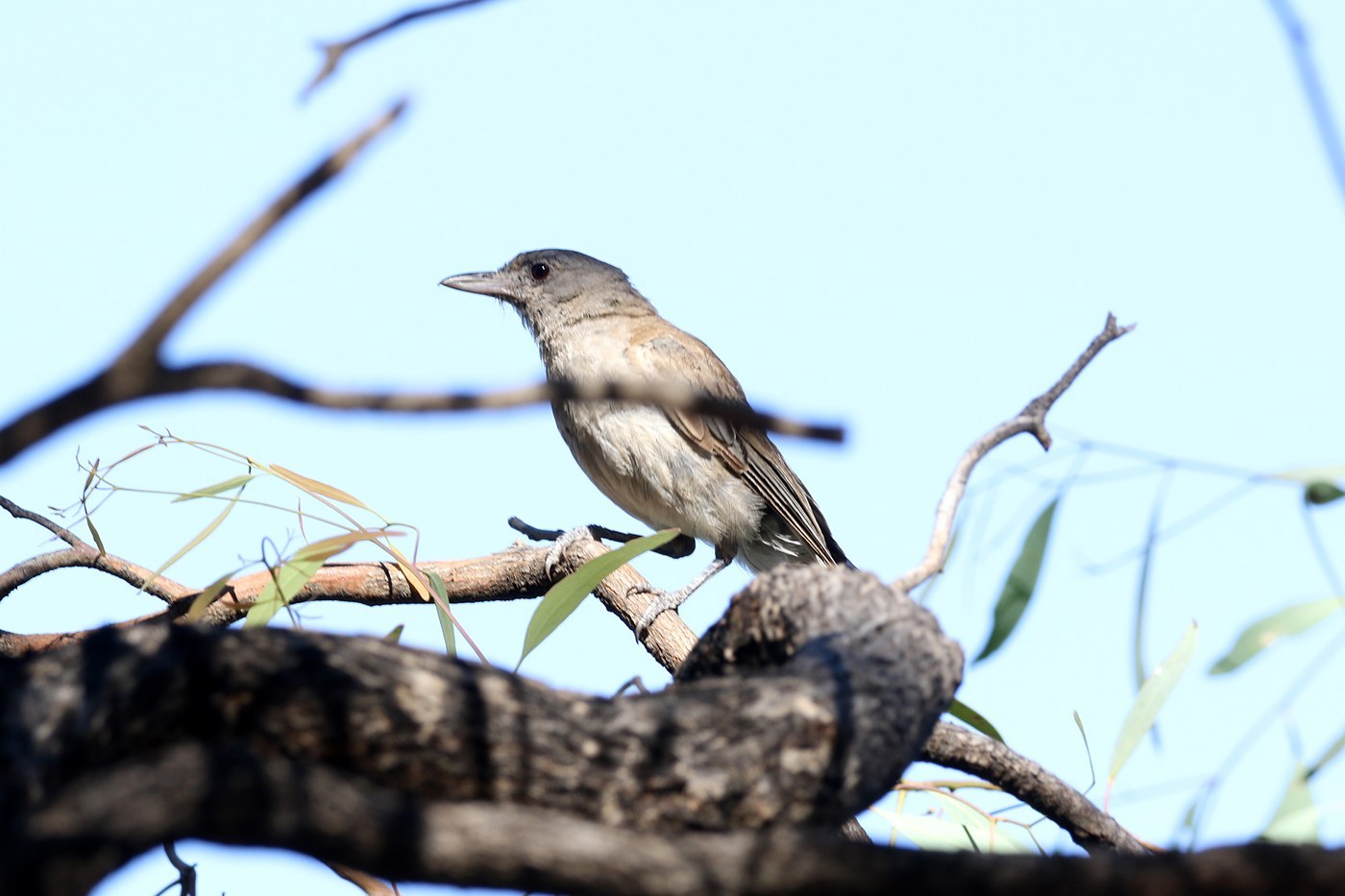
Grey Shrikethrush
Colluricincla harmonica
A plain grey-brown songbird with a rich, melodious song that belies its understated plumage.
- Size
- 22-25 cm (9-10 in) long
- Habitat
- forests, woodlands, scrub, and gardens across Australia
- Type
- songbird
Spotted a bird like this?
Identify any bird from a photo, free.
Overview
The Grey Shrikethrush is a robust, medium-sized songbird with plumage that is deliberately unremarkable: soft grey upperparts, paler grey underparts, a faint whitish eyebrow, and a stout, slightly hooked bill suited to its varied diet. Despite its plain appearance, it is widely regarded as one of Australia's finest songsters, with a rich, melodious, and highly varied voice that carries impressively through open forest.
Sexes are similar, though females and some subspecies show subtle brownish tones on the wings not present in males. The species is highly adaptable, occupying an unusually broad range of habitats from wet forest to arid scrub, and is a bold, confident bird often seen foraging on the ground, in trees, and even entering campsites and gardens for scraps.
Its confiding nature and beautiful voice have made the Grey Shrikethrush a well-loved bird across much of Australia, often one of the first species new birdwatchers learn to recognise by ear, even before spotting the bird's understated grey form.
How to identify it
Key field marks
- Medium-sized, robust songbird with soft grey-brown upperparts and paler grey underparts
- Faint pale eyebrow stripe
- Stout, slightly hooked bill
- Rich, varied, melodious song, often given from a prominent perch
Similar species
The Grey Fantail is much smaller and slimmer with a long, constantly fanned tail and active, flitting behaviour, quite different from the Grey Shrikethrush's more deliberate, robust presence. Female Rufous and Golden Whistlers are smaller with finer bills and lack the shrikethrush's rich, complex song; overall bulk, bill shape, and voice are the best distinguishing features.
Habitat & range
Habitat
Grey Shrikethrushes are remarkably adaptable, occurring in rainforest, wet and dry eucalypt forest, woodland, mallee, arid scrub, and well-vegetated gardens and parks.
Range
The species is found across almost all of mainland Australia and Tasmania, absent only from the most extreme desert areas, making it one of the continent's most widely distributed songbirds.
Migration
Most populations are sedentary, holding stable territories year-round, though some local movement may occur in response to food availability in harsher inland areas.
Behavior & voice
Behavior
This bird forages confidently at all levels from the ground to the canopy, often perching prominently to sing, and can become quite tame around campsites and gardens where food is available.
Voice
Its song is a rich, loud, and highly varied series of melodious whistled phrases, considered by many to be among the most beautiful of any Australian bird, often delivered from a high, exposed perch.
Feeding
It has a broad diet including insects, spiders, small lizards, and occasionally small birds' eggs or nestlings, along with some fruit, foraged from the ground, bark, and foliage.
Nesting and breeding
The nest is a solid cup of bark, twigs, and grass, built in a tree fork, stump hollow, or occasionally on a building ledge; both parents share incubation and feeding of the young.
Frequently asked questions
Why is the Grey Shrikethrush notable despite its plain plumage?
It is renowned for its rich, melodious, and highly varied song, considered one of the most beautiful among Australian birds.
How can I identify a Grey Shrikethrush?
Look for its plain grey-brown plumage, faint pale eyebrow, and stout, slightly hooked bill, and listen for its rich whistled song.
Where do Grey Shrikethrushes live?
They are found in a very wide range of habitats, from wet forest to arid scrub, across almost all of mainland Australia and Tasmania.
What does a Grey Shrikethrush eat?
It has a broad diet including insects, spiders, small lizards, some fruit, and occasionally the eggs or nestlings of other birds.
Are Grey Shrikethrushes tame around people?
They can become quite confiding around campsites and gardens, sometimes approaching closely in search of food.
Grey Shrikethrush guides
In-depth guides for identifying, finding, and understanding Grey Shrikethrush.
Other birds you may enjoy
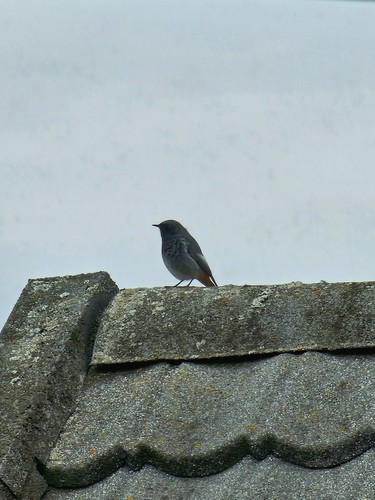
Black Redstart
13-14.5 cm (5.1-5.7 in) long, 23-26 cm wingspan
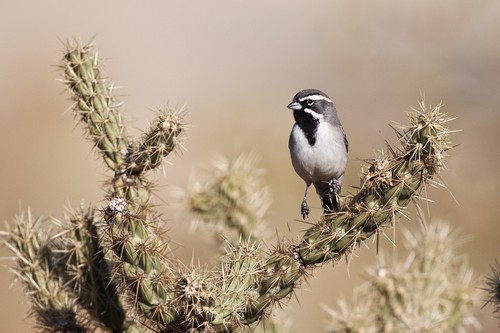
Black-throated Sparrow
12-14 cm (4.7-5.5 in) long, about 19-20 cm (7.5-8 in) wingspan
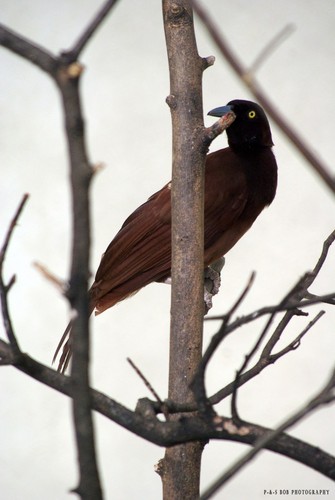
Greater Bird-of-paradise
Body about 43 cm; males with additional flank plumes up to 50 cm and long tail wires
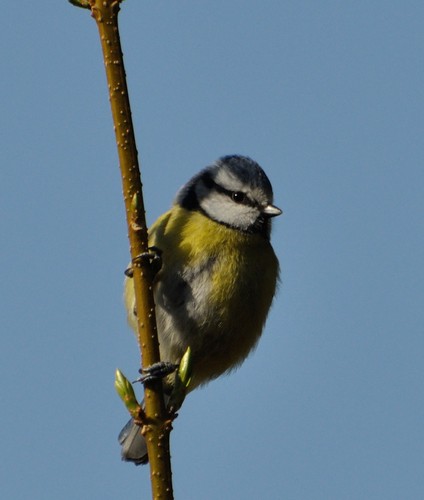
Blue Tit
11-12 cm (4.3-4.7 in) long, 17-20 cm wingspan
Red-billed Quelea
11.5–13 cm long, wingspan about 20–22 cm
White-plumed Antbird
13-14 cm (5-5.5 in) long
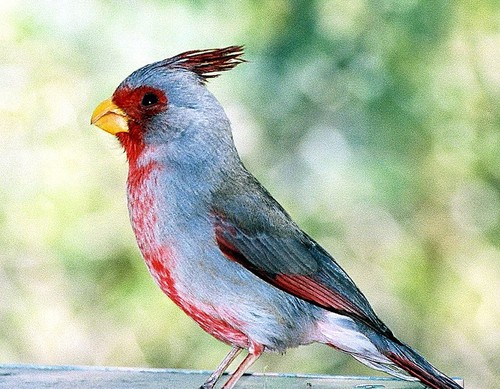
Pyrrhuloxia
19-22 cm (7.5-8.7 in) long, 30 cm wingspan
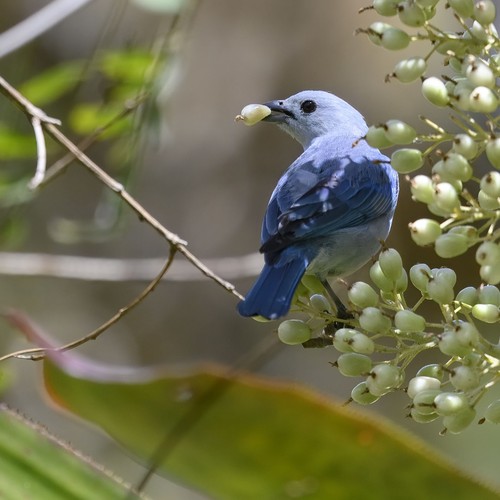
Blue-gray Tanager
16-18 cm (6-7 in) long
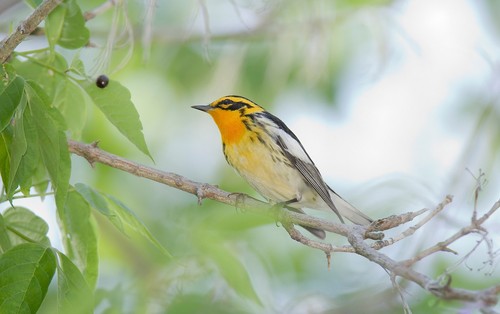
Blackburnian Warbler
11-13 cm (4.3-5.1 in) long, 20-22 cm wingspan
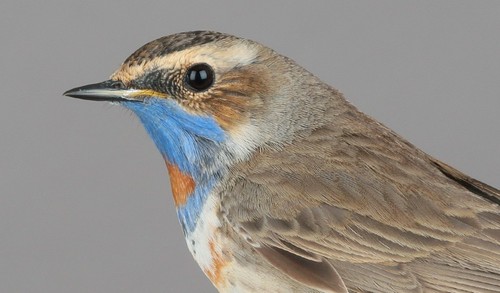
Bluethroat
13-14 cm (5.1-5.5 in) long, 20-22 cm wingspan
Eurasian Nuthatch
12-14.5 cm (4.7-5.7 in) long, 22.5-27 cm wingspan
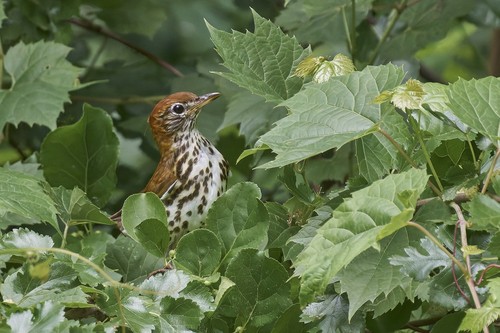
Wood Thrush
19-21 cm (7.5-8.3 in) long, about 33 cm (13 in) wingspan