
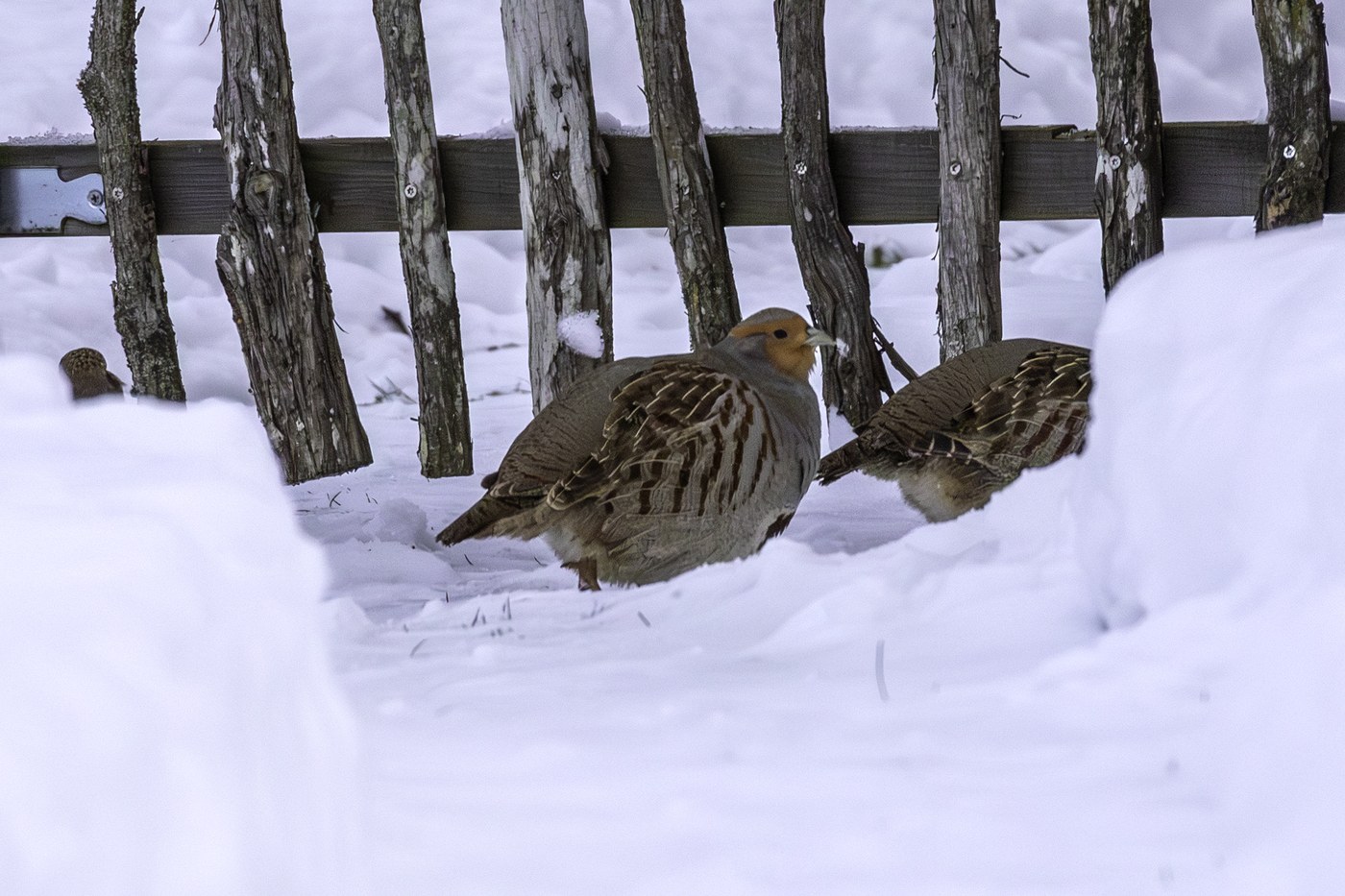
Grey Partridge
Perdix perdix
A dumpy, orange-faced gamebird of open farmland, now declining sharply across much of its range due to agricultural change.
- Size
- 28-32 cm (11-13 in) long, 45-48 cm wingspan
- Habitat
- open farmland, hedgerows, and grassland
- Type
- gamebird
Spotted a bird like this?
Identify any bird from a photo, free.
Overview
The Grey Partridge is a plump, round-bodied gamebird with grey-brown upperparts, a bright orange-chestnut face and throat, and finely barred chestnut flanks. Males typically show a dark chestnut horseshoe-shaped patch on the belly, usually fainter or absent in females.
Once an abundant farmland bird across much of Europe, it has suffered severe population declines in many regions due to agricultural intensification and loss of insect-rich field margins needed by chicks.
How to identify it
Key field marks
- Grey-brown body with an orange-chestnut face and throat
- Dark chestnut horseshoe mark on the belly (more pronounced in males)
- Barred chestnut flank streaks
- Short reddish tail, often visible in flight
- Rusty, grating "kee-vik" or "kirric" call
Similar species
- Red-legged Partridge has a bold black-and-white striped face and throat patch, red bill and legs, and a more strongly barred flank pattern.
- Common Quail is much smaller and lacks the orange face.
The combination of orange face and dark belly patch distinguishes Grey Partridge from the more boldly marked Red-legged Partridge.
Habitat & range
Habitat
Associated with open arable and mixed farmland, especially where hedgerows, field margins, and rough grassland provide cover and insect food for chicks.
Range
Widespread across much of Europe and into western Asia; introduced to parts of North America.
Migration
Resident and sedentary, remaining in coveys on or near breeding territory year-round.
Behavior & voice
Behavior
Gregarious outside the breeding season, forming family groups known as coveys that forage and roost together on the ground, exploding into low, whirring flight when flushed.
Voice
The territorial call is a harsh, grating "kee-vik" or "kirr-ic", often given at dusk.
Feeding
Adults feed mainly on seeds and green plant material, while young chicks rely heavily on insects, particularly in their first weeks, making insect-rich habitat critical for breeding success.
Nesting and breeding
Nests in a shallow scrape hidden in field margins, hedge bottoms, or rough grass. Females lay large clutches of 10-20 olive-brown eggs, incubated for about 23-25 days, with precocial chicks leaving the nest soon after hatching.
Frequently asked questions
Why has the Grey Partridge declined so much?
Intensive farming has reduced hedgerows, field margins, and the insect-rich habitat that chicks depend on in their first weeks of life.
How do you tell Grey Partridge from Red-legged Partridge?
Grey Partridge has a plain orange face and a dark belly patch, while Red-legged Partridge has a bold black-and-white striped throat patch and red bill and legs.
What do Grey Partridge chicks eat?
Mostly insects, which provide essential protein for growth, even though adults feed mainly on seeds and plant material.
Do Grey Partridges migrate?
No, they are resident and sedentary, staying in family coveys near their breeding grounds year-round.
Grey Partridge guides
In-depth guides for identifying, finding, and understanding Grey Partridge.
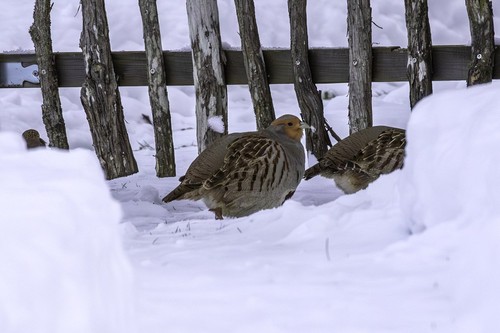
Other birds you may enjoy
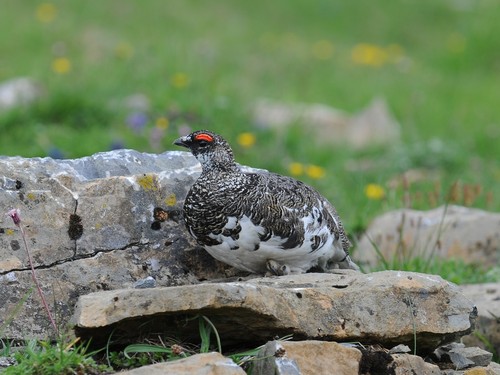
Rock Ptarmigan
34-36 cm (13-14 in) long
Congo Peafowl
Males about 64-70 cm long; females slightly smaller; no elaborate train
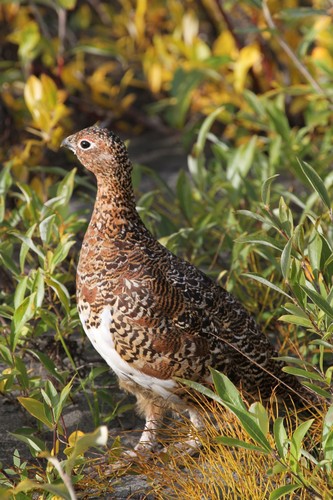
Willow Ptarmigan
37-42 cm (15-16.5 in) long
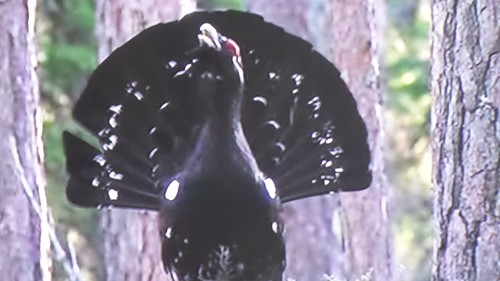
Western Capercaillie
male 74-90 cm (29-35 in), female 54-64 cm; male wingspan up to 125-130 cm
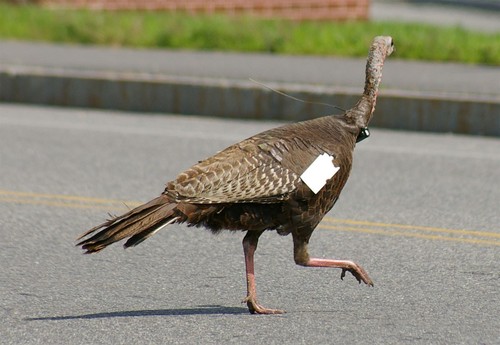
Wild Turkey
males 100-125 cm (39-49 in) long; females smaller, around 76-95 cm (30-37 in)
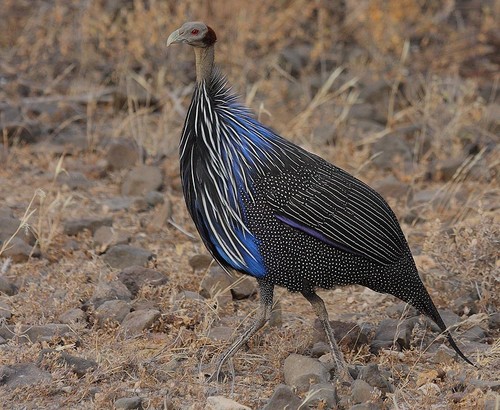
Vulturine Guineafowl
Length 61-71 cm, the largest guineafowl species, with a notably long neck and tail
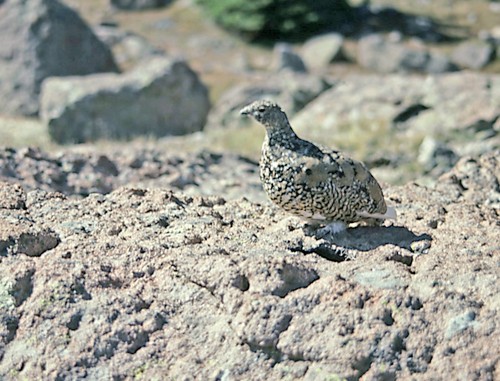
White-tailed Ptarmigan
30-33 cm (12-13 in) long; the smallest ptarmigan species
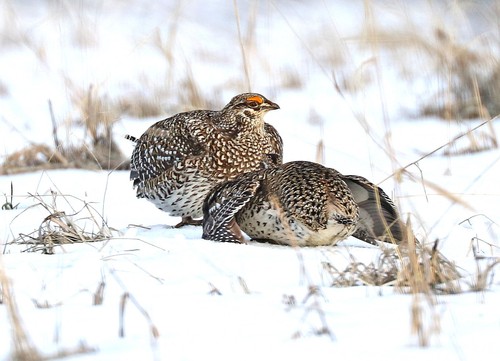
Sharp-tailed Grouse
38-48 cm (15-19 in) long
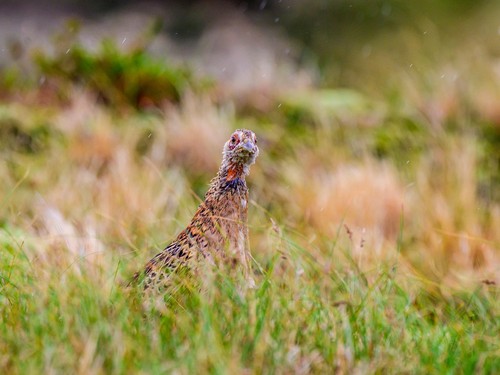
Ring-necked Pheasant
males 76-90 cm (30-35 in) long including a long tail; females smaller, 55-65 cm (22-26 in)
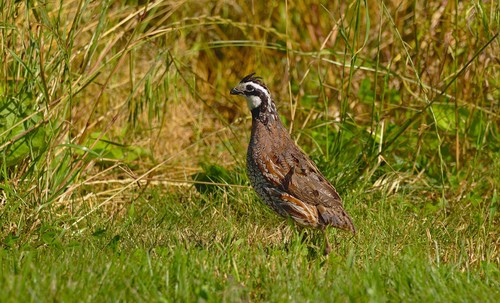
Northern Bobwhite
24-28 cm (9.5-11 in) long, 33-38 cm wingspan
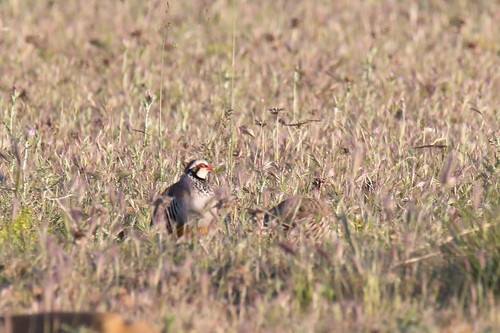
Red-legged Partridge
32-34 cm (13 in) long, 47-50 cm wingspan
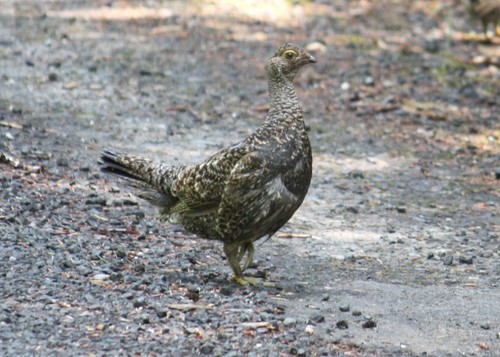
Sooty Grouse
43-48 cm (17-19 in) long; males larger than females