
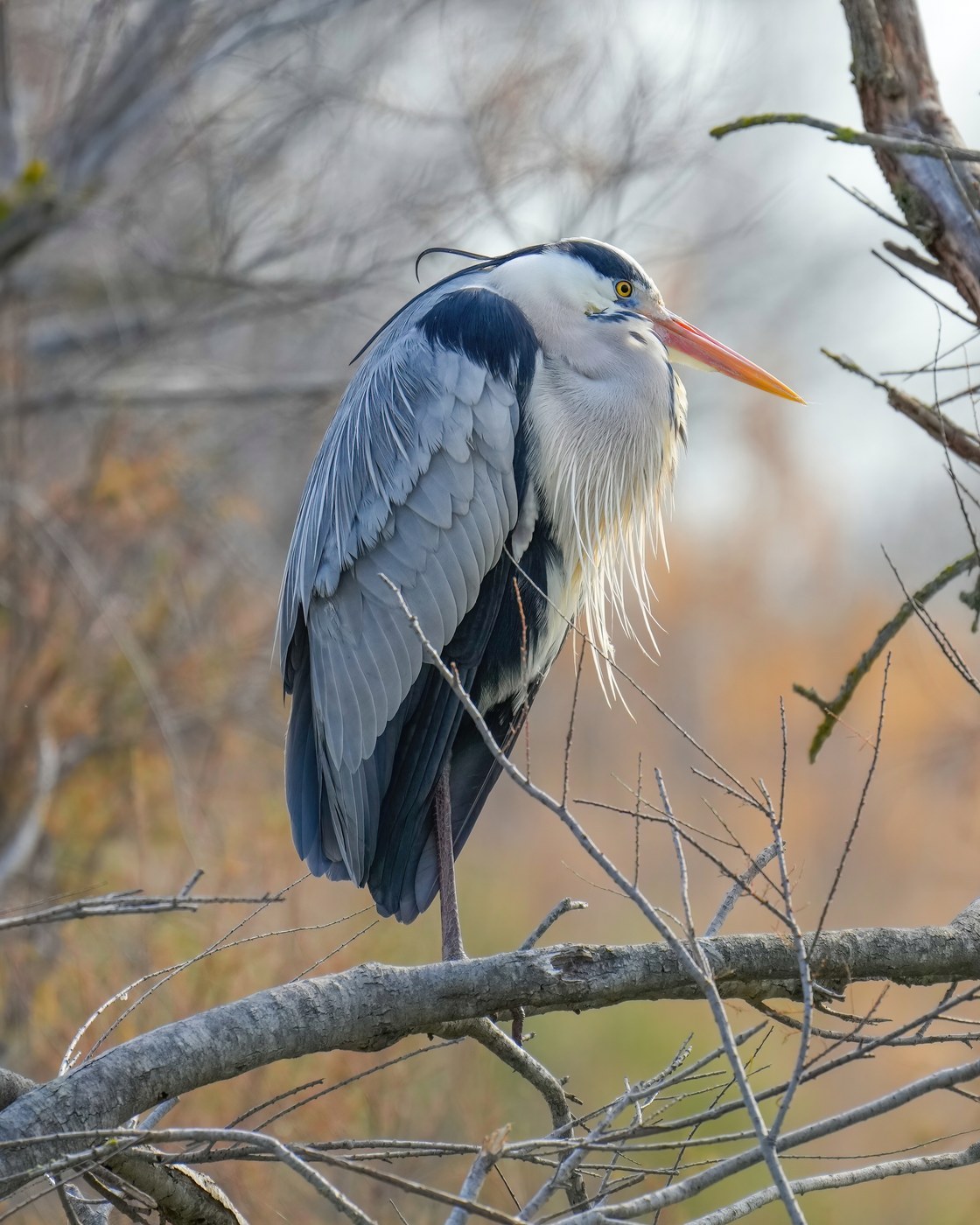
Grey Heron
Ardea cinerea
A tall, pale grey wading bird widespread across the Old World, closely resembling North America's Great Blue Heron in shape and habits.
- Size
- 84-102 cm (33-40 in) long, 155-195 cm wingspan
- Habitat
- wetlands, rivers, lakes, and coastal shallows across Europe, Asia, and Africa
- Type
- wading-bird
Spotted a bird like this?
Identify any bird from a photo, free.
Overview
The Grey Heron is a large, long-legged wading bird with pale grey upperparts, a whitish head and neck, and a black stripe running from above the eye into slender plumes trailing off the back of the crown. The bill is long, yellowish, and dagger-shaped, and the underparts are largely white with streaking on the foreneck.
Widespread across Europe, Asia, and Africa, it is the Old World counterpart to the American Great Blue Heron, sharing a similar build, hunting style, and colonial nesting habits.
How to identify it
Key field marks
- Pale grey back and wings with a whitish head and neck
- Black stripe above the eye extending into trailing plumes
- Long yellowish bill, long dark legs
- Neck folded in an S-shape during flight
Similar species
- Great Blue Heron: similar shape but with more extensively blue-grey plumage and a rustier thigh patch, found in the Americas rather than the Old World
- Purple Heron: smaller, darker, and more rufous overall, with a thinner neck and more secretive habits
Range is often the quickest clue, since the Grey Heron and Great Blue Heron rarely overlap geographically, though plumage tone (paler grey vs. deeper blue-grey) also helps.
Habitat & range
Range and habitat
Grey Herons are widespread across Europe, much of Asia, and Africa, occupying freshwater and coastal wetlands, rivers, lakes, marshes, and estuaries, and are also increasingly found in urban parks with ponds.
Migration
Populations in milder climates, such as western Europe, tend to be resident, while northern and eastern populations migrate south to escape freezing winters, wintering in southern Europe, Africa, and southern Asia.
Behavior & voice
Behavior
Grey Herons typically hunt alone by standing motionless or stalking slowly through shallow water, striking prey with a rapid jab of the bill; they nest colonially in tall trees, sometimes in colonies of considerable size known as heronries.
Voice
The call is a loud, harsh "fraaank" or croaking squawk, usually given in flight or when disturbed.
Feeding
They feed mainly on fish but also take amphibians, small mammals, birds, and large insects, using patient stalking and a quick strike to capture prey in shallow water or on land.
Nesting and breeding
Grey Herons nest colonially in large stick nests built high in trees, often reused and enlarged over multiple years; both parents share incubation and chick-feeding duties over a roughly seven-week fledging period.
Frequently asked questions
Is the Grey Heron the same as the Great Blue Heron?
They are closely related and similar in appearance and habits, but the Grey Heron occurs in Europe, Asia, and Africa, while the Great Blue Heron is found in the Americas; they are distinct species.
What does the Grey Heron eat?
It feeds mainly on fish, along with amphibians, small mammals, and large insects, caught by patient stalking in shallow water.
Where do Grey Herons nest?
They nest colonially in tall trees near water, in colonies known as heronries that can contain many pairs.
Do Grey Herons migrate?
Resident in milder parts of their range, but northern and eastern populations migrate south in winter to escape freezing conditions.
Grey Heron guides
In-depth guides for identifying, finding, and understanding Grey Heron.
Other birds you may enjoy
Demoiselle Crane
85-100 cm (33-39 in) long, 155-180 cm wingspan
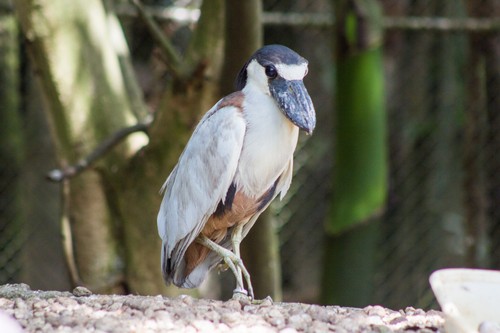
Boat-billed Heron
41-56 cm (16-22 in) long
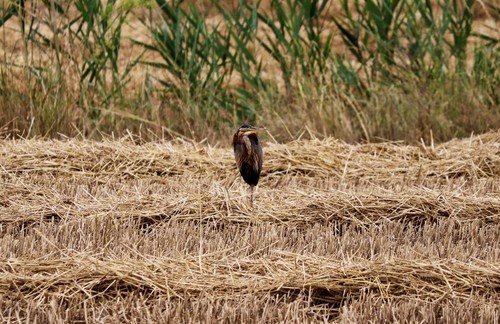
Purple Heron
78-90 cm (31-35 in) long, 120-152 cm wingspan
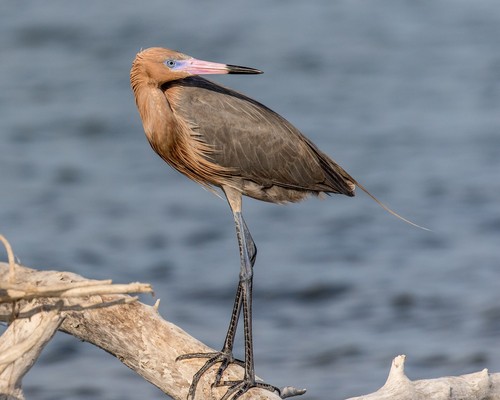
Reddish Egret
68-82 cm (27-32 in) long, 116-125 cm wingspan
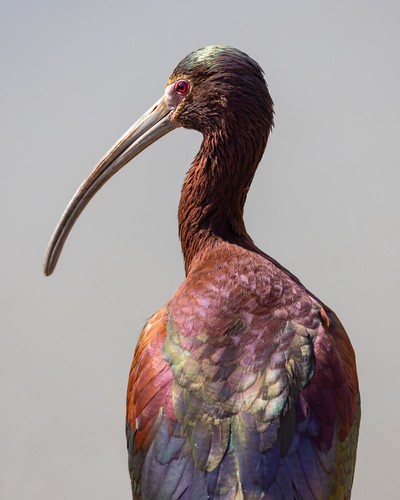
White-faced Ibis
46-56 cm (18-22 in) long, 88-93 cm wingspan
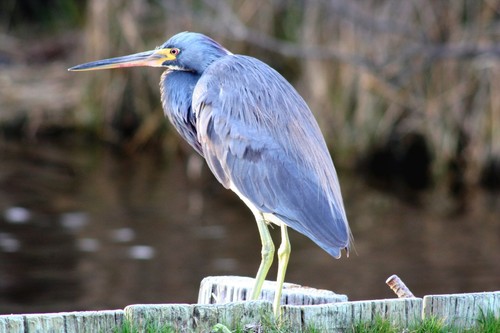
Tricolored Heron
61-76 cm (24-30 in) long, about 96 cm wingspan
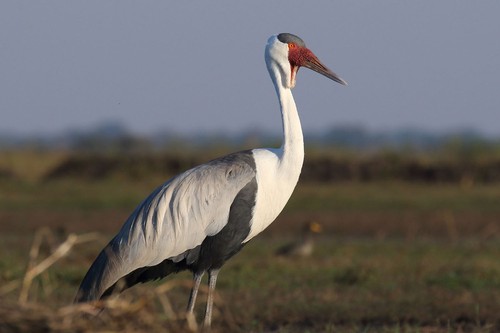
Wattled Crane
120-175 cm (47-69 in) tall, one of the tallest cranes, wingspan up to about 230 cm (7.5 ft)

White-naped Crane
112-125 cm (44-49 in) long, 195-210 cm wingspan
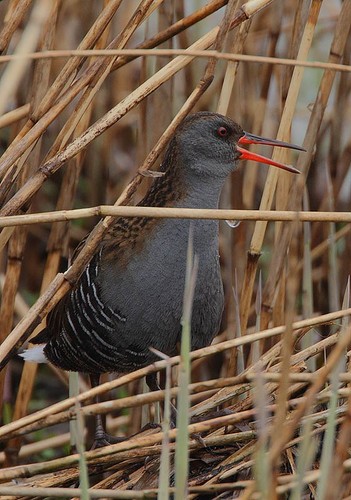
Water Rail
23-28 cm (9-11 in) long, wingspan 38-45 cm
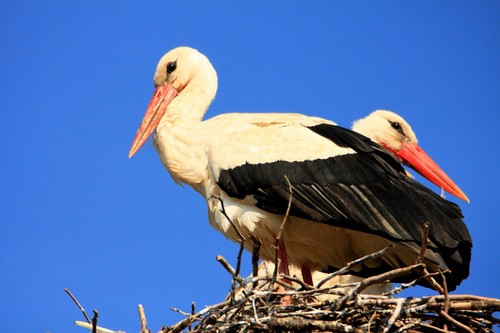
White Stork
100-125 cm (39-49 in) long, 155-215 cm wingspan
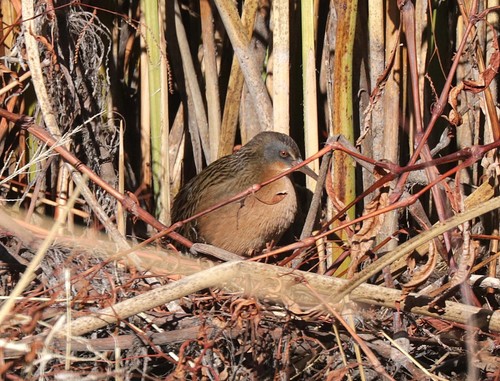
Virginia Rail
20-27 cm (8-11 in) long, wingspan 32-38 cm
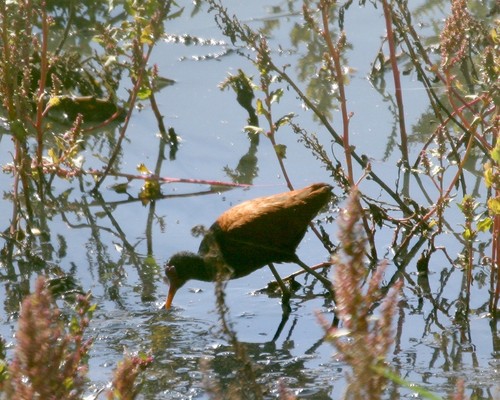
Wattled Jacana
17-23 cm (7-9 in) long