
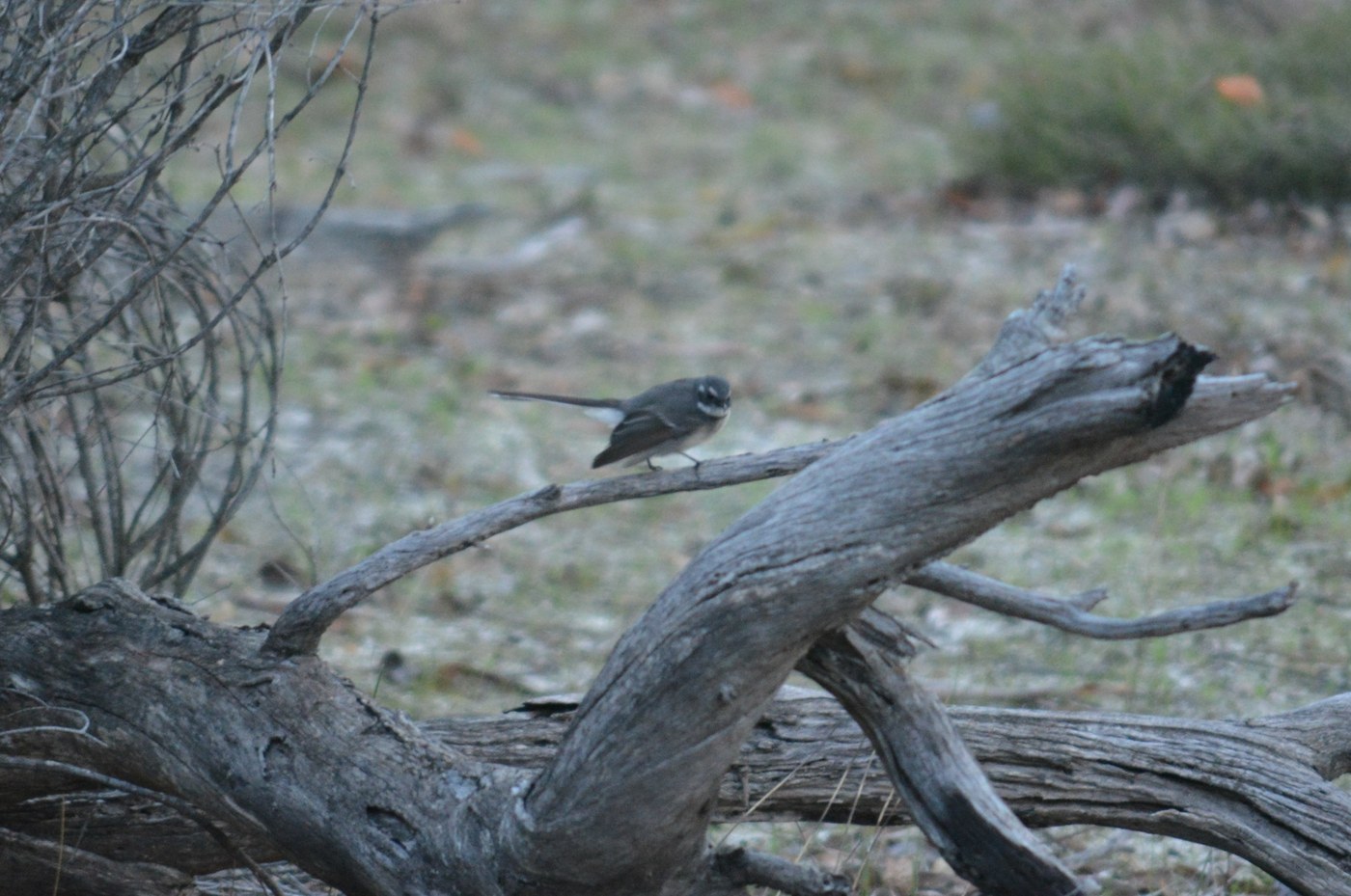
Grey Fantail
Rhipidura albiscapa
A small, restless grey-brown bird known for constantly fanning and flicking its long, white-edged tail while chasing insects through the foliage.
- Size
- 14-17 cm (5.5-6.5 in) long, including a long tail
- Habitat
- forests, woodlands, and gardens across Australia
- Type
- songbird
Spotted a bird like this?
Identify any bird from a photo, free.
Overview
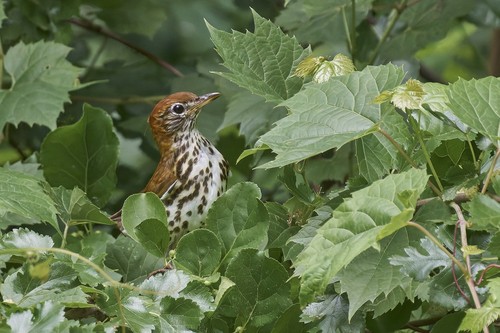
The Grey Fantail is a small, energetic bird best recognized by its behavior as much as its plumage: it is almost never still, flitting through foliage with its long tail habitually fanned wide and flicked from side to side as it hunts flying insects. Plumage is soft grey-brown above with a white eyebrow stripe and throat, and warm buff-orange tones washing across the underparts, though intensity varies somewhat between regional populations.
The tail itself is long relative to the body, dark with white outer edges that flash conspicuously when fanned, a feature that, combined with the bird's constant motion, makes it easy to notice even in dense vegetation.
How to identify it
Key field marks
- Grey-brown upperparts with a white eyebrow stripe and throat
- Warm buff-orange wash across the underparts
- Long, dark tail broadly edged white, constantly fanned and flicked
- Small size and restless, acrobatic foraging behavior
Similar species
- Willie Wagtail: much larger, glossy black and white rather than brown-toned, with a side-to-side tail wag rather than a fanning motion.
- Other fantail species elsewhere in the Indo-Pacific region are broadly similar but do not overlap significantly with the Grey Fantail's Australian range.
Habitat & range
Habitat
Grey Fantails occupy a wide range of wooded habitats, including rainforest, eucalypt forest, woodland, scrub, and well-vegetated gardens.
Range
The species is found across most of Australia, including Tasmania, and is one of the most widespread and commonly encountered small birds in the country.
Migration
Some populations, particularly in southeastern Australia and Tasmania, are migratory, moving north for the non-breeding season, while other populations are more sedentary; overall the species shows complex, partial migratory behavior across its range.
Behavior & voice
Behavior
Grey Fantails are highly active and confiding, often approaching close to people, and are frequently seen following larger animals or people through the bush to catch insects flushed from vegetation.
Voice
The song is a bright, high-pitched, twittering warble, often delivered while the bird is in near-constant motion; contact calls are sharp, high-pitched notes.
Feeding
Diet consists almost entirely of flying insects, caught in short, acrobatic aerial sallies from a perch, with the fanned tail thought to aid maneuverability and possibly to help flush prey.
Nesting and breeding
Nests are small, neat cups of fine grass and bark bound with spider web, often with a distinctive tail-like extension hanging beneath, built on a thin horizontal branch. Clutches typically contain two to four pale, spotted eggs, incubated by both parents, who also share chick-feeding duties.
Frequently asked questions
Why does the Grey Fantail fan its tail?
It constantly fans and flicks its long tail while foraging, likely to aid quick, acrobatic turns while chasing flying insects and possibly to help flush hidden prey.
Do Grey Fantails migrate?
Some populations, especially in southeastern Australia and Tasmania, migrate north for the non-breeding season, while others remain resident year-round.
What does a Grey Fantail eat?
Almost entirely flying insects, caught in quick aerial sallies from a perch.
How big is a Grey Fantail?
It is quite small, around 14-17 cm long including its long, distinctive tail.
Grey Fantail guides
In-depth guides for identifying, finding, and understanding Grey Fantail.
Other birds you may enjoy
Black Redstart
13-14.5 cm (5.1-5.7 in) long, 23-26 cm wingspan
Black-throated Sparrow
12-14 cm (4.7-5.5 in) long, about 19-20 cm (7.5-8 in) wingspan
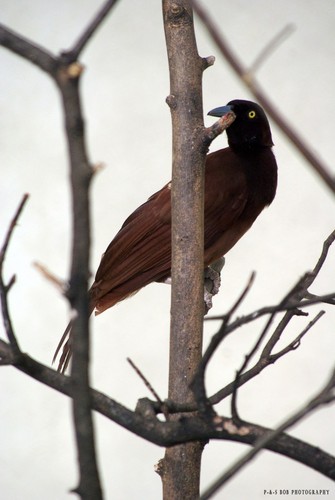
Greater Bird-of-paradise
Body about 43 cm; males with additional flank plumes up to 50 cm and long tail wires
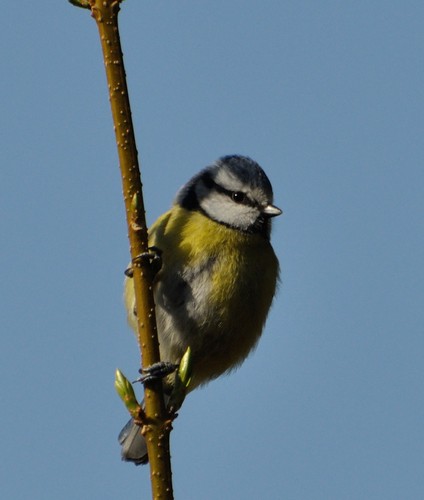
Blue Tit
11-12 cm (4.3-4.7 in) long, 17-20 cm wingspan
Red-billed Quelea
11.5–13 cm long, wingspan about 20–22 cm
White-plumed Antbird
13-14 cm (5-5.5 in) long
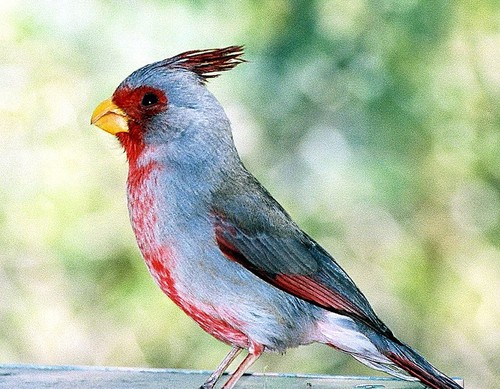
Pyrrhuloxia
19-22 cm (7.5-8.7 in) long, 30 cm wingspan
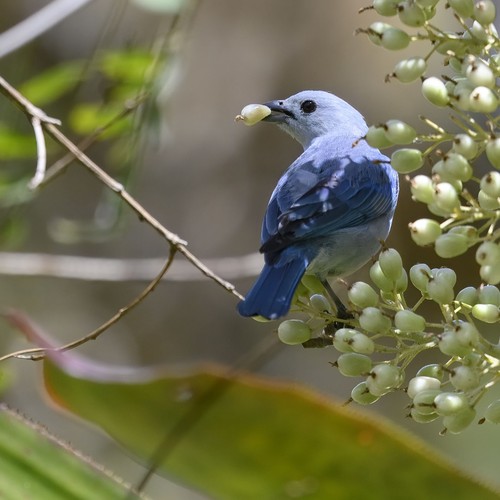
Blue-gray Tanager
16-18 cm (6-7 in) long
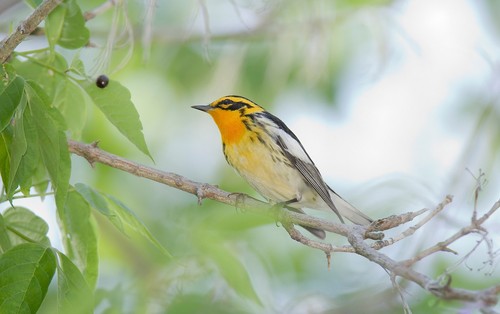
Blackburnian Warbler
11-13 cm (4.3-5.1 in) long, 20-22 cm wingspan
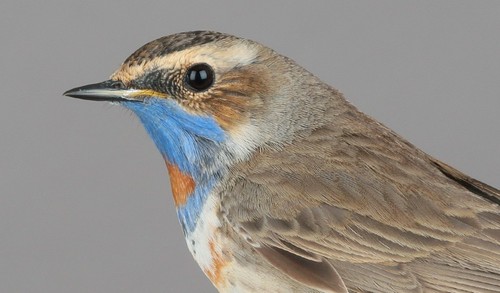
Bluethroat
13-14 cm (5.1-5.5 in) long, 20-22 cm wingspan
Eurasian Nuthatch
12-14.5 cm (4.7-5.7 in) long, 22.5-27 cm wingspan
Wood Thrush
19-21 cm (7.5-8.3 in) long, about 33 cm (13 in) wingspan