
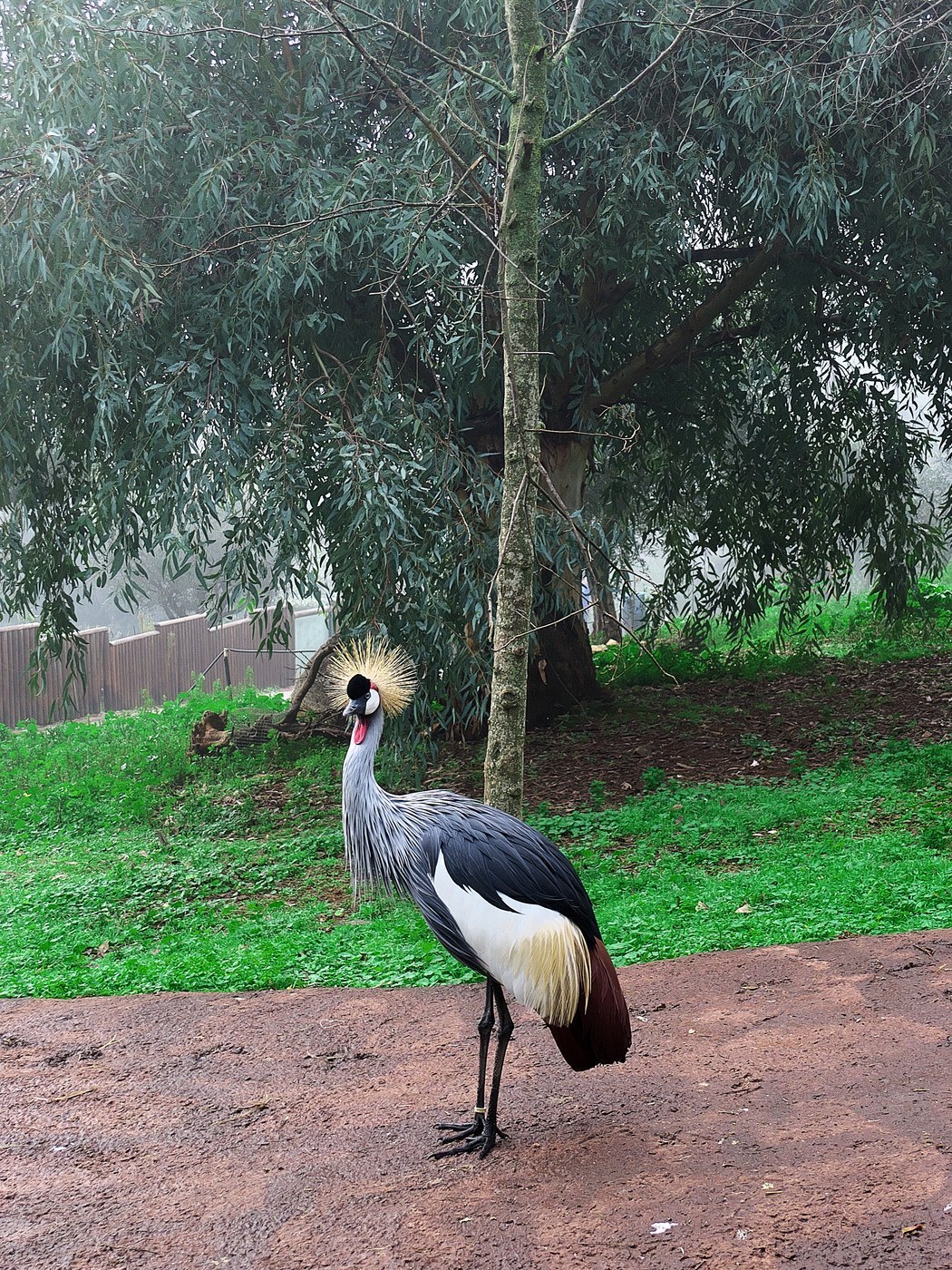
Grey Crowned-Crane
Balearica regulorum
A dazzling African crane with a spectacular crown of stiff golden feathers, a grey body, and vivid red and white cheek patches; the national bird of Uganda.
- Size
- 100-110 cm (39-43 in) long, 180-200 cm wingspan
- Habitat
- savanna, grassland, and wetlands of eastern and southern Africa
- Type
- wading-bird
Spotted a bird like this?
Identify any bird from a photo, free.
Overview
The Grey Crowned-Crane is one of the most visually spectacular cranes, instantly recognizable by the crown of stiff, golden bristle-like feathers radiating from the top of its head. Its body plumage is mostly pale grey, with a black-and-white patterned wing, a white and red patch on the cheek, and a small red throat wattle.
Unlike most other crane species, Grey Crowned-Cranes readily perch and roost in trees, an ability linked to their relatively longer hind toe. The species is the national bird of Uganda and holds significant cultural importance across its African range.
How to identify it
Key field marks
- Distinctive crown of stiff, golden bristle feathers atop the head
- Pale grey body with black-and-white patterned wings
- White cheek patch with a red patch above and a red throat wattle
- Black legs
Similar species
The Black Crowned-Crane is very similar but has a black (not grey) neck and slightly different cheek pattern; the two species' ranges do not naturally overlap. No other African bird shares the golden crown feature, making this species unmistakable.
Habitat & range
Grey Crowned-Cranes inhabit open savanna, grassland, and wetlands across eastern and southern Africa, including Uganda, Kenya, Tanzania, Zambia, and South Africa, often near shallow water where they roost.
The species is largely resident with local seasonal movements tied to water availability. It has suffered significant population declines due to habitat loss, illegal capture for the pet and ornamental trade, and poisoning, and is currently classified as Endangered despite remaining a widely recognized and culturally valued bird.
Behavior & voice
Grey Crowned-Cranes forage by walking through grassland and wetland edges, eating seeds, insects, and small vertebrates, and often follow grazing livestock or wild herbivores to catch insects flushed from the grass.
They give a distinctive booming call using an inflatable red throat pouch, along with honking calls in flight. Courtship involves elaborate dancing, bowing, and jumping displays. Unusually among cranes, Grey Crowned-Cranes commonly roost and even nest in trees, in addition to building nests of trampled vegetation in wetlands. Clutches typically number 2-3 eggs, with both parents sharing incubation and chick-rearing duties.
Frequently asked questions
Why is the Grey Crowned-Crane endangered?
Habitat loss, wetland drainage, illegal capture for the pet and ornamental trade, and pesticide poisoning have driven significant population declines across its African range.
Can Grey Crowned-Cranes perch in trees?
Yes, unlike most other crane species, they have a long hind toe that allows them to grip branches, and they regularly roost and sometimes nest in trees.
What country has the Grey Crowned-Crane as its national bird?
Uganda, where the crane appears on the national flag and coat of arms.
How is the Grey Crowned-Crane different from the Black Crowned-Crane?
The Grey Crowned-Crane has a pale grey neck, while the Black Crowned-Crane has a black neck; their ranges are also largely separate, with the grey species in eastern and southern Africa and the black species in West and Central Africa.
Grey Crowned-Crane guides
In-depth guides for identifying, finding, and understanding Grey Crowned-Crane.
Other birds you may enjoy
Demoiselle Crane
85-100 cm (33-39 in) long, 155-180 cm wingspan
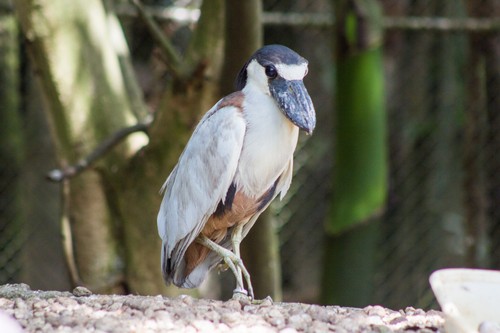
Boat-billed Heron
41-56 cm (16-22 in) long
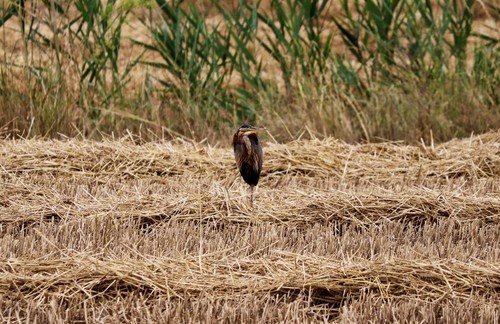
Purple Heron
78-90 cm (31-35 in) long, 120-152 cm wingspan
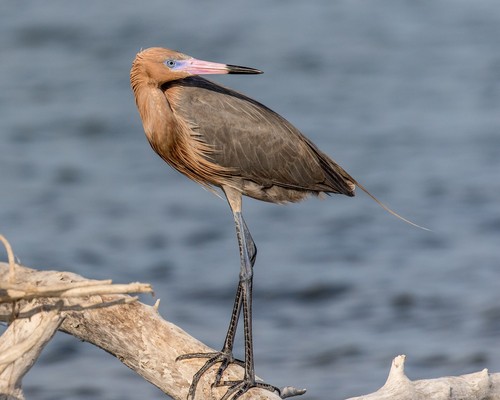
Reddish Egret
68-82 cm (27-32 in) long, 116-125 cm wingspan
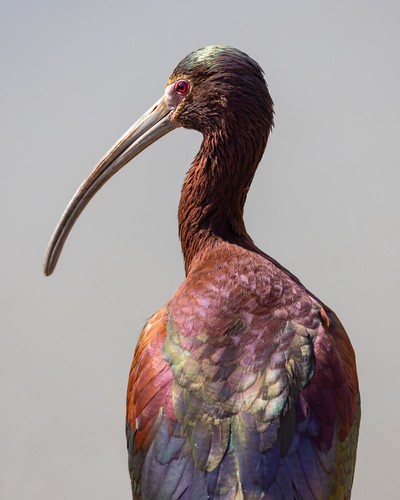
White-faced Ibis
46-56 cm (18-22 in) long, 88-93 cm wingspan
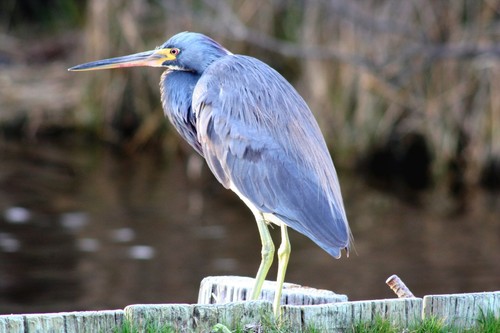
Tricolored Heron
61-76 cm (24-30 in) long, about 96 cm wingspan
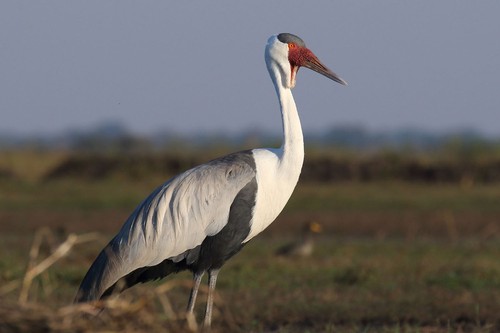
Wattled Crane
120-175 cm (47-69 in) tall, one of the tallest cranes, wingspan up to about 230 cm (7.5 ft)
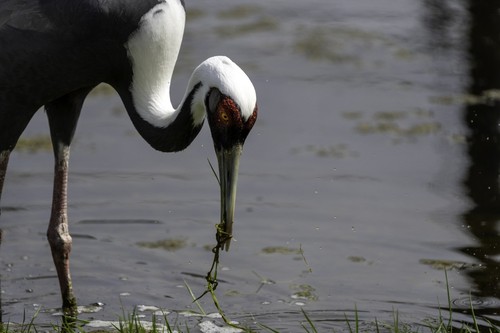
White-naped Crane
112-125 cm (44-49 in) long, 195-210 cm wingspan
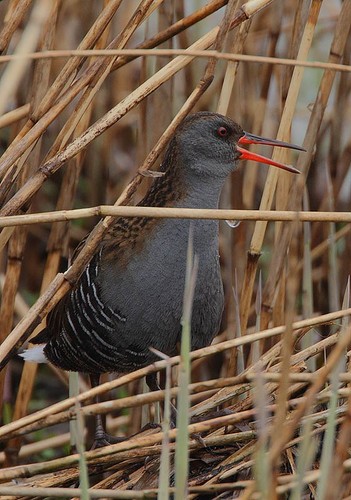
Water Rail
23-28 cm (9-11 in) long, wingspan 38-45 cm
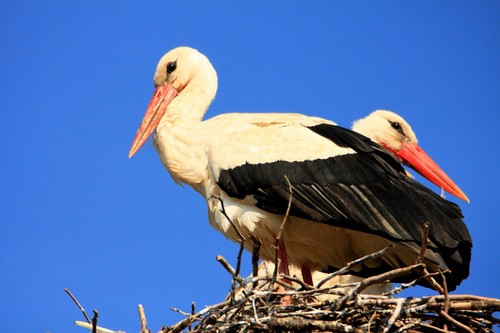
White Stork
100-125 cm (39-49 in) long, 155-215 cm wingspan
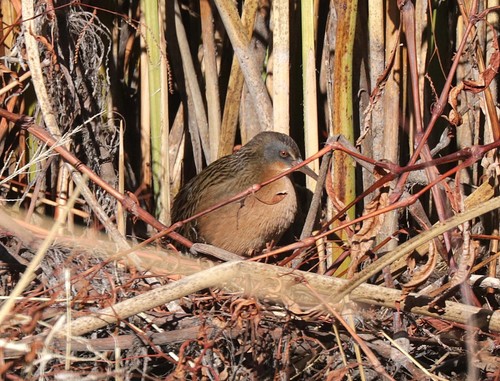
Virginia Rail
20-27 cm (8-11 in) long, wingspan 32-38 cm
Wattled Jacana
17-23 cm (7-9 in) long