
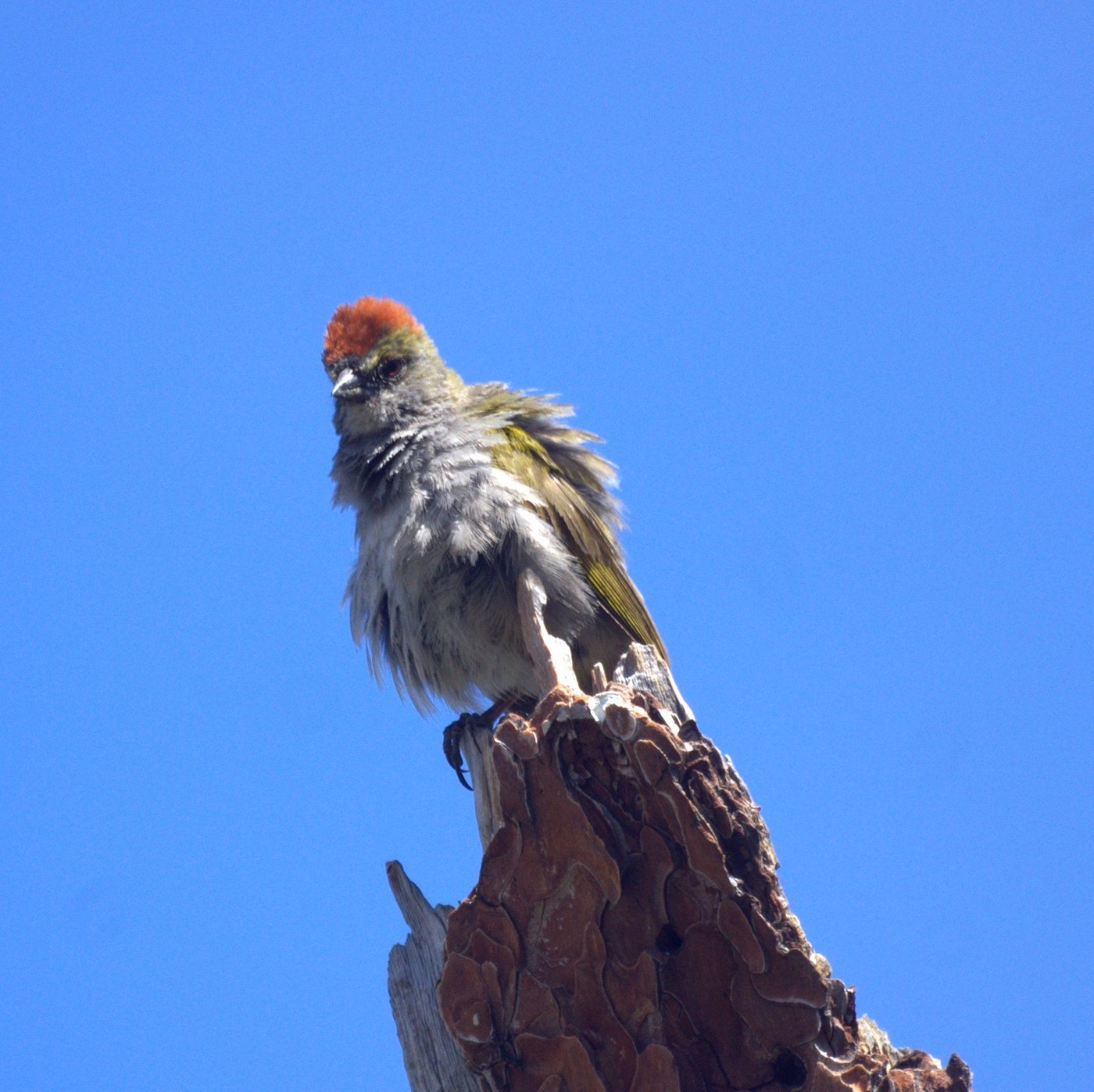
Green-tailed Towhee
Pipilo chlorurus
A shy, olive-green towhee with a rufous cap and white throat, the smallest and most colorful of the towhees.
- Size
- 17-19 cm (6.7-7.5 in) long, 24 cm wingspan
- Habitat
- sagebrush, mountain chaparral, and shrubby slopes of the western interior
- Type
- songbird
Spotted a bird like this?
Identify any bird from a photo, free.
Overview
The Green-tailed Towhee is the smallest and most distinctively colored of the towhee group, with an olive-green wash across the back, wings, and tail that gives the species its name, set off by a neat rufous-red cap and a crisp white throat bordered by a dark whisker mark. The face is gray, and the underparts are pale gray fading to white on the belly.
The combination of green upperparts, a rusty cap, and a white throat makes this an unusually colorful towhee compared to its plainer relatives, though it remains a shy, ground-dwelling bird typically encountered low in shrubby cover.
How to identify it
Key field marks
- Olive-green wash across the back, wings, and tail
- Bright rufous cap
- Crisp white throat outlined by a dark malar (whisker) stripe
- Gray face and breast fading to a whitish belly
Similar species
- No other North American sparrow or towhee combines an olive-green back with a rufous cap and white throat, making this species relatively easy to distinguish once seen well.
- At a quick glance in poor light it might suggest a female Spotted Towhee, but the green tones and white throat are distinctive with a clear view.
Habitat & range
Green-tailed Towhees breed across the mountainous interior West, from eastern Oregon and Idaho south through the Great Basin, Rocky Mountains, and Sierra Nevada into the mountains of the Southwest, favoring dense sagebrush, mountain chaparral, and shrubby slopes, often at fairly high elevation.
The species is migratory, wintering in the desert Southwest and Mexico in similar brushy habitats at lower elevations, and generally arrives on breeding grounds later in spring and departs earlier in fall than many other western songbirds.
Behavior & voice
Green-tailed Towhees are shy and often stay low and hidden in dense shrubs, foraging on the ground with a scratching, kicking motion similar to other towhees, though they can be somewhat more furtive and harder to see well.
The song is a variable, rich mix of clear notes, buzzy trills, and slurred phrases, often likened to a fox sparrow's musical quality, while the call is a distinctive catlike "mew." Diet includes insects, seeds, and berries gathered from the ground and low vegetation. Nests are built low in dense shrubs, often sagebrush, with typical clutches of three to five eggs.
Frequently asked questions
How do you identify a Green-tailed Towhee?
Look for a small towhee with an olive-green back, wings, and tail, a bright rufous cap, and a crisp white throat bordered by a dark whisker stripe.
What does a Green-tailed Towhee sound like?
A rich, variable song mixing clear notes, buzzy trills, and slurred phrases, along with a distinctive catlike 'mew' call.
Where do Green-tailed Towhees live?
They breed in sagebrush and mountain chaparral across the interior western US, and winter in brushy desert habitats of the Southwest and Mexico.
Is the Green-tailed Towhee the smallest towhee?
Yes, it is the smallest species in the towhee group, as well as the most distinctively colored, with its olive-green upperparts and rufous cap.
Do Green-tailed Towhees migrate?
Yes, they are migratory, breeding at higher elevations in the interior West and moving to lower-elevation desert scrub in the Southwest and Mexico for winter.
Green-tailed Towhee guides
In-depth guides for identifying, finding, and understanding Green-tailed Towhee.
Other birds you may enjoy
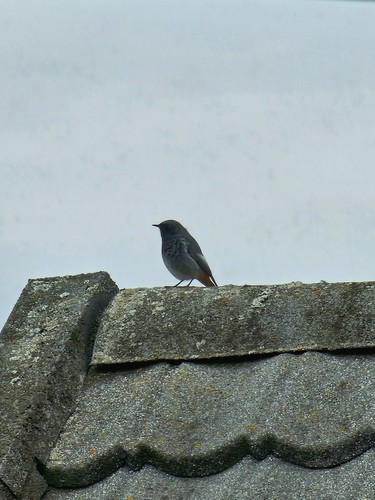
Black Redstart
13-14.5 cm (5.1-5.7 in) long, 23-26 cm wingspan
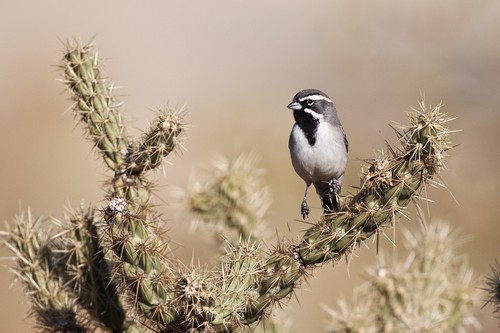
Black-throated Sparrow
12-14 cm (4.7-5.5 in) long, about 19-20 cm (7.5-8 in) wingspan
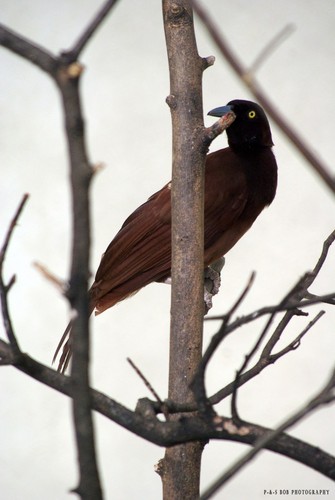
Greater Bird-of-paradise
Body about 43 cm; males with additional flank plumes up to 50 cm and long tail wires
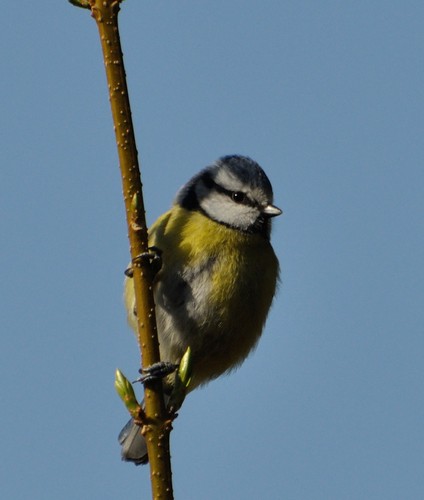
Blue Tit
11-12 cm (4.3-4.7 in) long, 17-20 cm wingspan
Red-billed Quelea
11.5–13 cm long, wingspan about 20–22 cm
White-plumed Antbird
13-14 cm (5-5.5 in) long
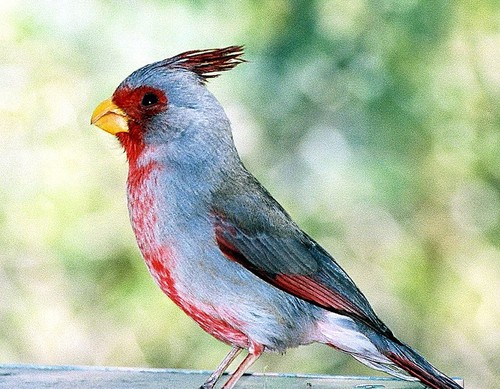
Pyrrhuloxia
19-22 cm (7.5-8.7 in) long, 30 cm wingspan
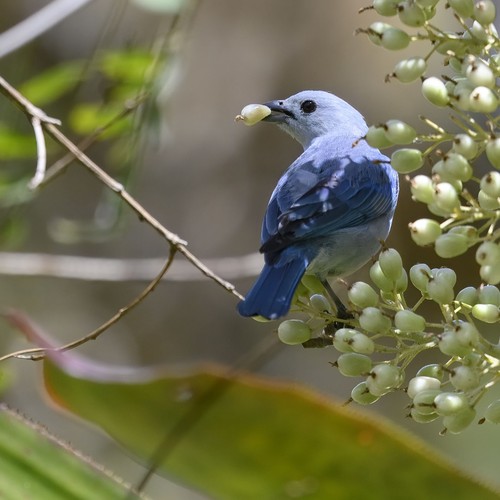
Blue-gray Tanager
16-18 cm (6-7 in) long
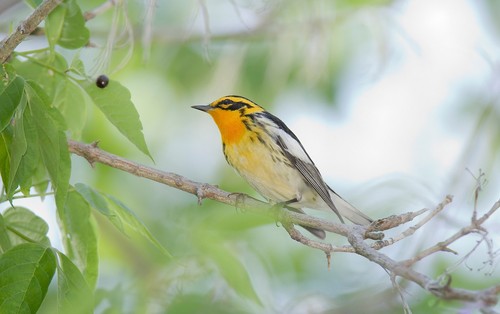
Blackburnian Warbler
11-13 cm (4.3-5.1 in) long, 20-22 cm wingspan
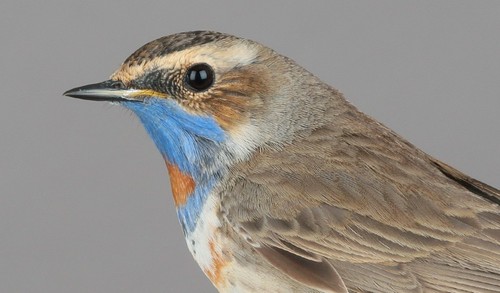
Bluethroat
13-14 cm (5.1-5.5 in) long, 20-22 cm wingspan
Eurasian Nuthatch
12-14.5 cm (4.7-5.7 in) long, 22.5-27 cm wingspan
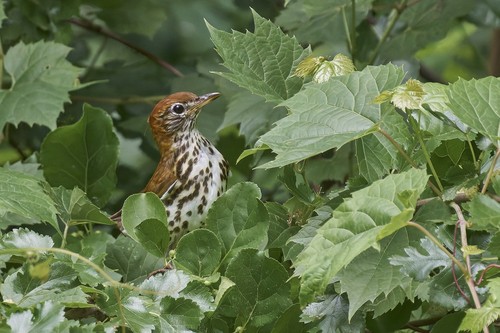
Wood Thrush
19-21 cm (7.5-8.3 in) long, about 33 cm (13 in) wingspan