
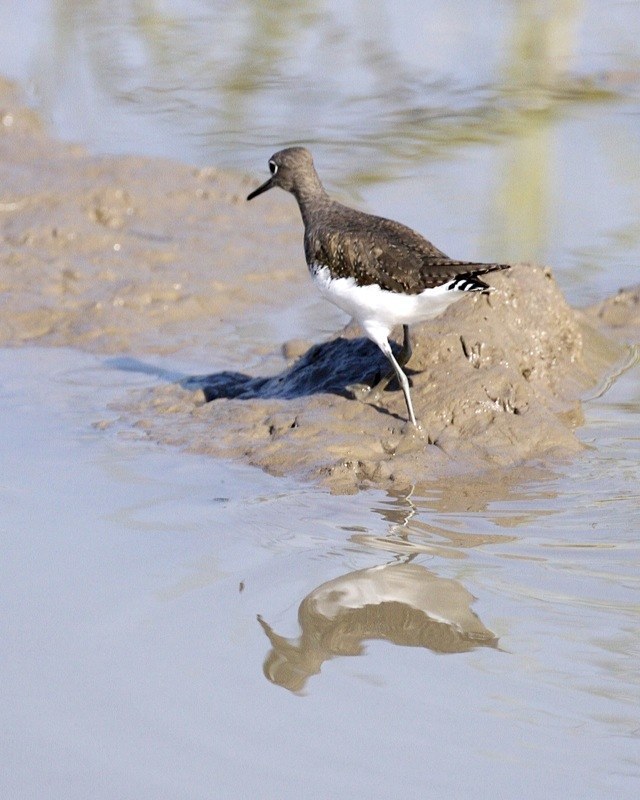
Green Sandpiper
Tringa ochropus
A dark, sharply contrasting Eurasian sandpiper that flushes explosively from small woodland pools with a loud, ringing call and a bold white rump.
- Size
- 21-24 cm (8.5-9.5 in) long, 57-61 cm wingspan
- Habitat
- small freshwater pools, ditches, and streamsides, often near trees
- Type
- shorebird
Spotted a bird like this?
Identify any bird from a photo, free.
Overview
The Green Sandpiper is a compact, dark-plumaged wader of the Tringa genus, widespread across Eurasia. Its blackish-olive upperparts are sparsely flecked with small pale spots, giving it a much darker, more uniform look than its close relative the Wood Sandpiper.
The underparts are clean white, with light streaking on the breast sides, and a short white eye-ring stands out on the dark face. The legs are dark greenish-gray and relatively short, and the bill is straight and blackish.
In flight the Green Sandpiper is unmistakable: a brilliant white rump contrasts sharply against blackish upperparts and dark, almost black underwings, recalling a large hirundine or a small House Martin in silhouette.
How to identify it
Key field marks
- Very dark, blackish-olive upperparts with sparse pale spotting
- Bold, contrasting white rump in flight
- Blackish (dark) underwings — a strong contrast with the white belly
- Short white eye-ring on an otherwise dark face
- Dark greenish-gray legs
- Loud, explosive "tluit-wit-wit" call given the instant it flushes
Similar species
- Wood Sandpiper: paler and more heavily spangled above, pale unbarred underwings, more prominent pale eyebrow, less contrasting rump.
- Solitary Sandpiper (its New World counterpart and closest relative): occurs in North America, has a dark rump rather than white, and also nests in trees.
- Common Sandpiper: browner, teeters constantly, shows a white wingstripe and a different, more level flight action low over water.
Habitat & range
Habitat
Green Sandpipers favor small, often shaded freshwater habitats — woodland streams, ditches, farm ponds, and muddy pool margins — much like the ecologically similar Solitary Sandpiper of North America.
Range and migration
They breed across the taiga and boreal wetlands of northern Europe and Asia, and migrate to winter across southern Europe, Africa, and southern Asia, typically appearing as single birds or in very small, loose groups at favored inland wetlands.
Behavior & voice
Behavior
Green Sandpipers are wary and typically solitary, flushing suddenly and steeply when disturbed, calling loudly as they zigzag away — a behavior that often first alerts observers to their presence.
Voice
The flight call is a loud, ringing, liquid "tluit-wit-wit," one of the most distinctive sounds of small wetlands within its range.
Feeding
It picks and probes for insects, worms, and small crustaceans in shallow water and soft mud, often bobbing its rear end gently while foraging, much like its American relative the Solitary Sandpiper.
Nesting and breeding
Unusually for a wader, the Green Sandpiper nests off the ground, laying its eggs in old nests of thrushes, pigeons, or even squirrel dreys in trees near water — a strategy shared with the Solitary Sandpiper.
Frequently asked questions
What makes the Green Sandpiper's flight distinctive?
It shows a strikingly white rump against dark, almost blackish upperparts and underwings, and it typically flushes steeply while giving a loud, ringing call.
Does the Green Sandpiper nest in trees?
Yes — it is one of the few waders known to nest above ground, using old abandoned nests of thrushes, pigeons, or squirrels in trees near water.
How is the Green Sandpiper different from the Wood Sandpiper?
Green Sandpiper is darker and more sparsely spotted above with blacker underwings and a more contrasting white rump, while Wood Sandpiper is paler, more spangled, and has a prominent pale eyebrow.
Where does the Green Sandpiper breed?
Across the boreal forest wetlands of northern Europe and Asia, wintering to the south in southern Europe, Africa, and southern Asia.
What does a Green Sandpiper eat?
Mainly insects, worms, and small crustaceans gleaned from shallow water and mud at small freshwater sites.
Green Sandpiper guides
In-depth guides for identifying, finding, and understanding Green Sandpiper.
Other birds you may enjoy
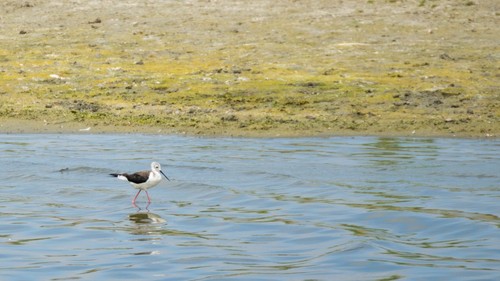
Black-winged Stilt
33-36 cm (13-14 in) long, wingspan 67-83 cm
Willet
33-41 cm (13-16 in) long, 65-70 cm wingspan
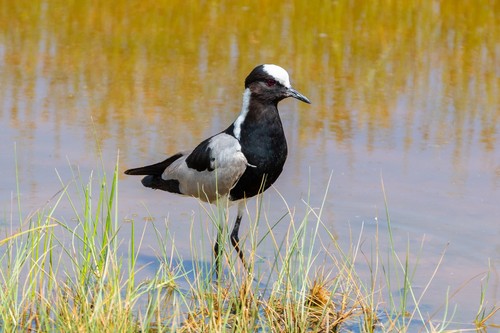
Blacksmith Lapwing
Body length about 30 cm; wingspan 55-65 cm
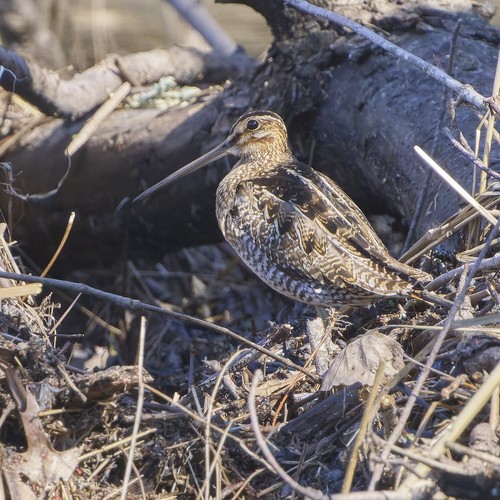
Wilson's Snipe
25-30 cm (10-12 in) long, 39-45 cm wingspan
Western Sandpiper
14-17 cm (5.5-6.7 in) long, 28-37 cm wingspan
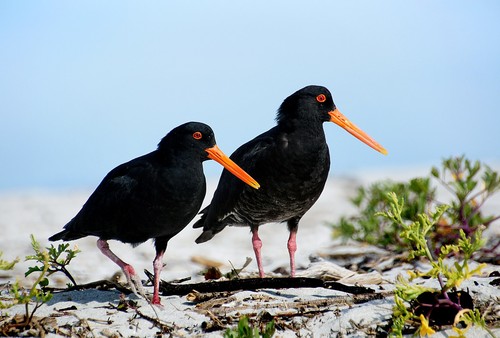
Variable Oystercatcher
46-49 cm (18-19 in) long
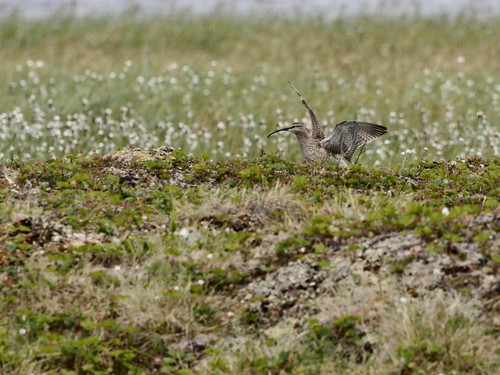
Whimbrel
40-46 cm (16-18 in) long, 76-89 cm wingspan
Wilson's Phalarope
22-24 cm (8.5-9.5 in) long, 37-43 cm wingspan
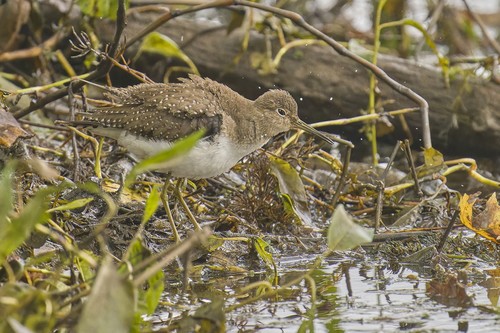
Solitary Sandpiper
19-23 cm (7.5-9 in) long, 50-56 cm wingspan
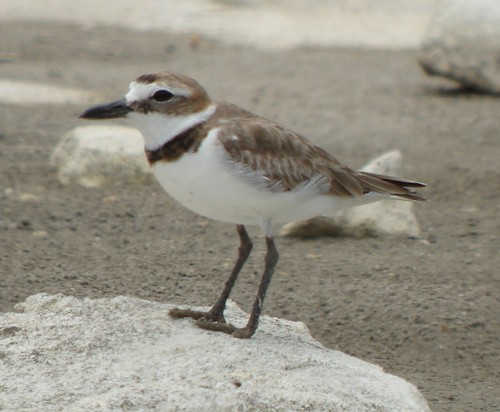
Wilson's Plover
17-19 cm (6.7-7.5 in) long, 45-50 cm wingspan
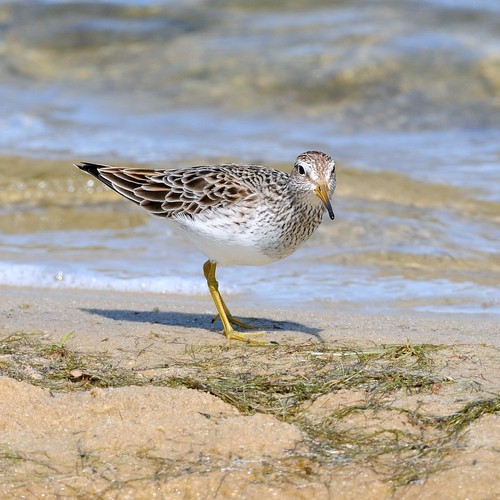
Pectoral Sandpiper
19-23 cm (7.5-9 in) long, 43-49 cm wingspan
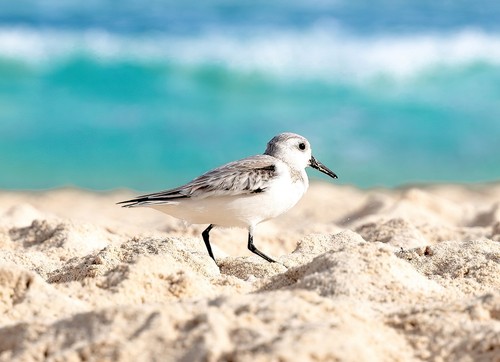
Sanderling
18-20 cm (7-8 in) long, 40-43 cm wingspan