
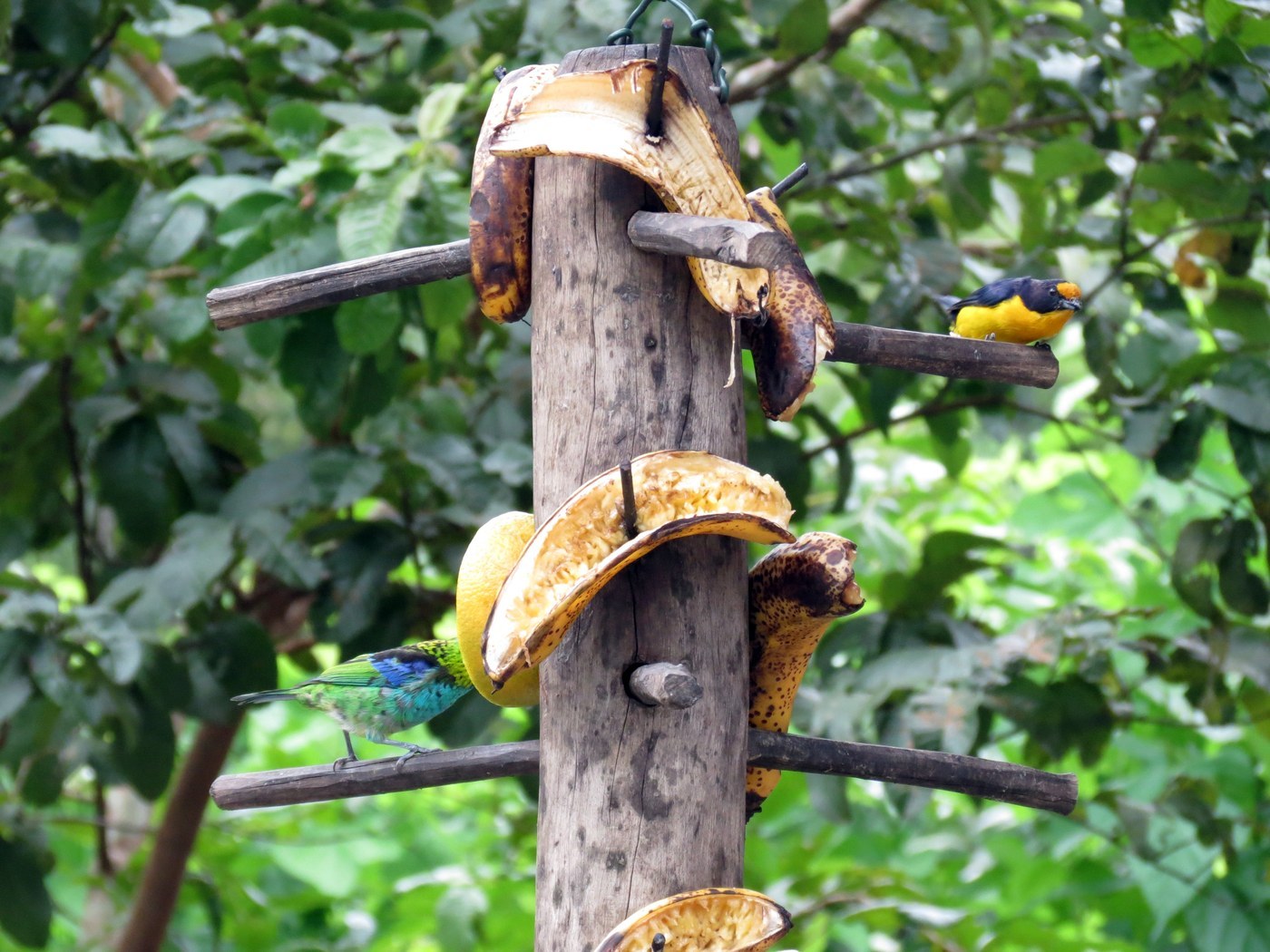
Green-headed Tanager
Tangara seledon
A jewel-toned Atlantic Forest tanager with a shimmering turquoise-green head, golden back band, and orange throat patch.
- Size
- 13-14 cm (5-5.5 in) long, 20-22 cm wingspan
- Habitat
- Atlantic Forest canopy, edges, and gardens
- Type
- songbird
Spotted a bird like this?
Identify any bird from a photo, free.
Overview
The Green-headed Tanager is a dazzling small songbird endemic to the Atlantic Forest of eastern South America, glowing with a shimmering turquoise-green head and nape that catches the light as it moves. A black patch covers the upper back, bordered below by a bright golden-yellow to orange band, while the underparts show pale blue tones and a small orange patch brightens the throat.
Often seen in small, active groups moving through the forest canopy or visiting fruiting trees at forest edges and even well-planted gardens, its combination of colors makes it one of the most sought-after tanagers for observers visiting Brazil's coastal forests.
How to identify it
Key field marks
- Bright turquoise-green head and nape
- Black upper back crossed by a golden-orange band
- Pale blue underparts and rump
- Small orange patch on the throat
Similar species
- Paradise Tanager (Amazon basin) shows a similar color palette but has a purple-blue throat rather than orange, and the two species' ranges do not overlap.
- Red-necked Tanager shares the Atlantic Forest range but has a reddish (not orange) throat patch and a more violet-blue body tone.
Habitat & range
Habitat
Inhabits the canopy and edges of humid Atlantic Forest, as well as secondary growth, plantations, and gardens near forest.
Range
Endemic to the Atlantic Forest of eastern Brazil, with a small range extending into eastern Paraguay and far northeastern Argentina.
Migration
Generally resident, though flocks move locally in search of fruiting trees.
Behavior & voice
Behavior
Social and active, typically encountered in pairs or small flocks that often join mixed-species groups foraging through the canopy.
Voice
A thin, high-pitched "tsit" or "tsi-tsi" call, similar to other Tangara tanagers, along with soft chattering notes among flock members.
Feeding
Feeds primarily on small fruit and berries, supplemented with insects gleaned from leaves and branches in the canopy.
Nesting
Builds a small cup nest of plant fibers in canopy or edge vegetation; typically lays 2 eggs, with details of incubation and care similar to related Tangara species.
Frequently asked questions
How do you identify a Green-headed Tanager?
Look for a shimmering turquoise-green head, a black-and-gold banded upper back, pale blue underparts, and a small orange throat patch.
Where does the Green-headed Tanager live?
It is endemic to the Atlantic Forest of eastern Brazil, with a small range reaching into eastern Paraguay and northeastern Argentina.
What does a Green-headed Tanager eat?
Mostly small fruit and berries, along with insects gleaned from foliage.
Is the Green-headed Tanager rare?
It is not considered globally threatened, but like other Atlantic Forest species it depends on remaining forest fragments, which have been heavily reduced by deforestation.
Green-headed Tanager guides
In-depth guides for identifying, finding, and understanding Green-headed Tanager.
Other birds you may enjoy
Black Redstart
13-14.5 cm (5.1-5.7 in) long, 23-26 cm wingspan
Black-throated Sparrow
12-14 cm (4.7-5.5 in) long, about 19-20 cm (7.5-8 in) wingspan
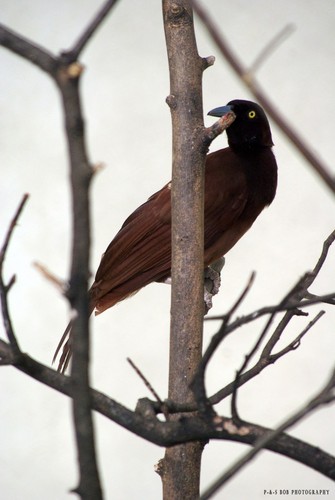
Greater Bird-of-paradise
Body about 43 cm; males with additional flank plumes up to 50 cm and long tail wires
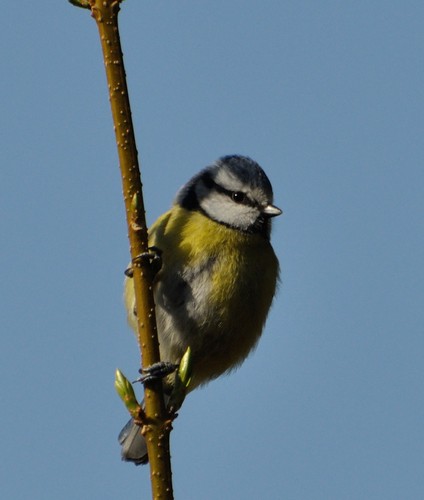
Blue Tit
11-12 cm (4.3-4.7 in) long, 17-20 cm wingspan
Red-billed Quelea
11.5–13 cm long, wingspan about 20–22 cm
White-plumed Antbird
13-14 cm (5-5.5 in) long
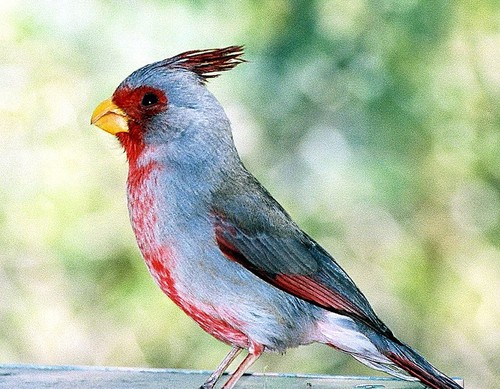
Pyrrhuloxia
19-22 cm (7.5-8.7 in) long, 30 cm wingspan
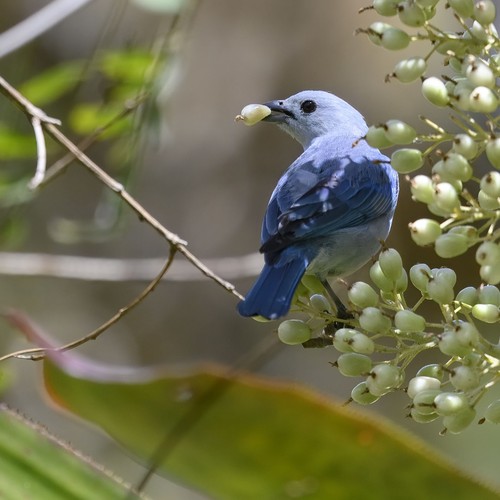
Blue-gray Tanager
16-18 cm (6-7 in) long
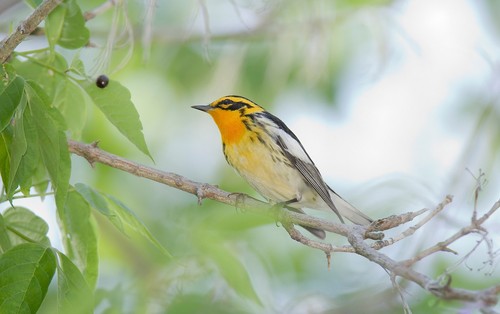
Blackburnian Warbler
11-13 cm (4.3-5.1 in) long, 20-22 cm wingspan
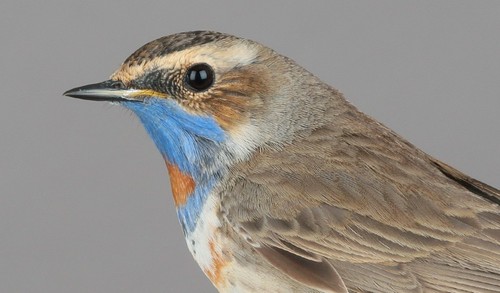
Bluethroat
13-14 cm (5.1-5.5 in) long, 20-22 cm wingspan
Eurasian Nuthatch
12-14.5 cm (4.7-5.7 in) long, 22.5-27 cm wingspan
Wood Thrush
19-21 cm (7.5-8.3 in) long, about 33 cm (13 in) wingspan