
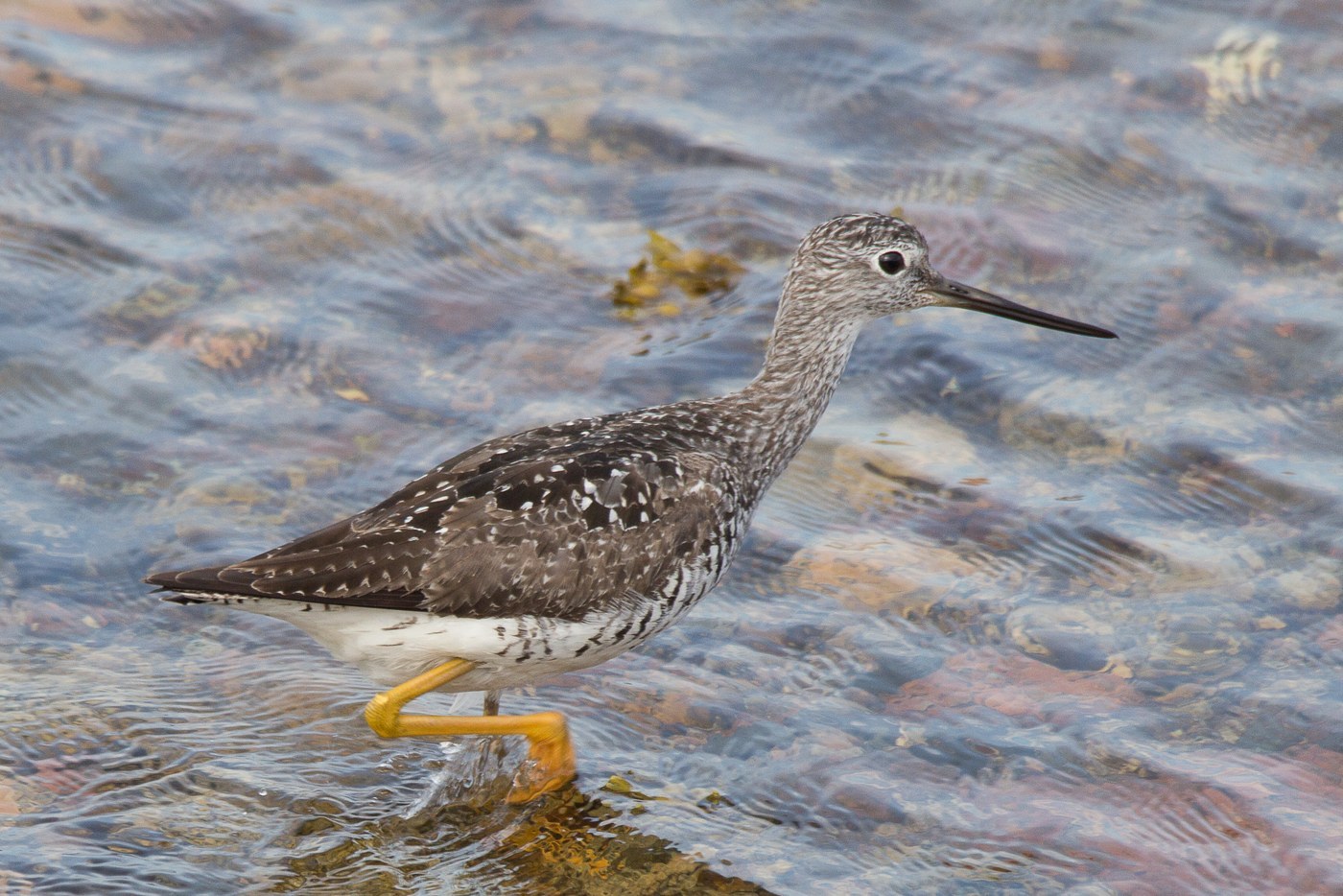
Greater Yellowlegs
Tringa melanoleuca
A tall, elegant sandpiper with bright yellow legs and a loud, ringing alarm call that has earned it the nickname "telltale."
- Size
- 29-33 cm (11.5-13 in) long, 55-65 cm wingspan
- Habitat
- boreal forest wetlands and muskeg (breeding); marshes, mudflats, and shallow wetlands (non-breeding)
- Type
- shorebird
Spotted a bird like this?
Identify any bird from a photo, free.
Overview
The Greater Yellowlegs is a tall, slender sandpiper easily recognized by its long, bright yellow legs and long, slightly upturned bill. Plumage is gray-brown above with fine spotting, and white below, becoming more heavily marked with dark streaking in breeding plumage.
It is often the first bird to sound the alarm when disturbed, flying up with loud, ringing calls that alert other wetland birds to danger—behavior that has earned it the old folk name "telltale."
A widespread and conspicuous wetland bird across much of North America during migration and winter, it is often seen actively chasing small fish in shallow water, a distinctive foraging behavior among sandpipers.
How to identify it
Key field marks
- Long, bright yellow legs
- Long, straight-to-slightly-upturned bill, noticeably longer than the head
- Gray-brown, finely spotted upperparts
- Loud, ringing three- or four-note call
Similar species
- Lesser Yellowlegs is smaller and more delicate with a shorter, thinner, perfectly straight bill and a softer, one- or two-note call.
- Willet is bulkier with blue-gray (not yellow) legs and a bold black-and-white flight pattern.
Habitat & range
Greater Yellowlegs breed in boreal forest wetlands, bogs, and muskeg across Canada and Alaska. During migration and winter they occupy a wide range of shallow wetland habitats, including marshes, mudflats, flooded fields, and coastal estuaries, from the southern United States through Central America to South America.
Behavior & voice
Voice
A loud, ringing, three- or four-note whistled call, often rendered as tew-tew-tew, given readily in alarm—far louder and more insistent than the call of the Lesser Yellowlegs.
Feeding
Actively forages in shallow water, often running and swishing its bill side to side to chase and catch small fish, in addition to picking aquatic insects and crustaceans from mud and water.
Nesting
Nests on the ground near boreal wetlands, typically in a shallow scrape concealed by low vegetation. Both parents defend the nest and are notably wary, often giving loud alarm calls at the first sign of disturbance.
Frequently asked questions
Why is the Greater Yellowlegs nicknamed "telltale"?
It is often the first bird to notice danger in a wetland and flies up giving loud, ringing alarm calls that warn other birds, a behavior that earned it this old nickname.
How do you tell it from the Lesser Yellowlegs?
Greater Yellowlegs is larger with a longer, slightly upturned bill and a louder, more insistent call, while Lesser Yellowlegs is smaller with a shorter, straight, needle-like bill and a softer call.
What does a Greater Yellowlegs eat?
Small fish, aquatic insects, and crustaceans, often caught by actively chasing prey through shallow water.
Where does the Greater Yellowlegs breed?
In boreal forest wetlands, bogs, and muskeg across Canada and Alaska.
Greater Yellowlegs guides
In-depth guides for identifying, finding, and understanding Greater Yellowlegs.
Other birds you may enjoy
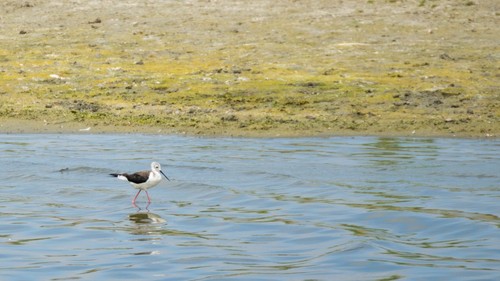
Black-winged Stilt
33-36 cm (13-14 in) long, wingspan 67-83 cm
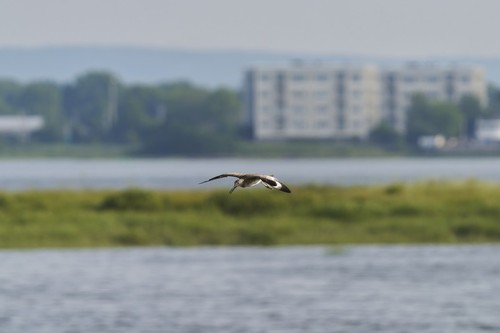
Willet
33-41 cm (13-16 in) long, 65-70 cm wingspan
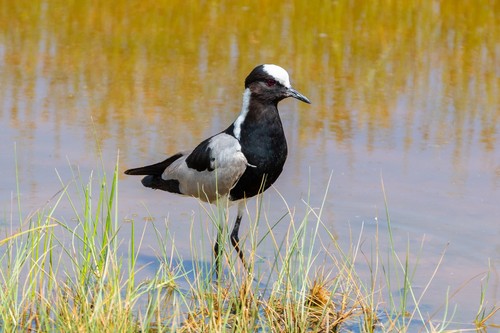
Blacksmith Lapwing
Body length about 30 cm; wingspan 55-65 cm
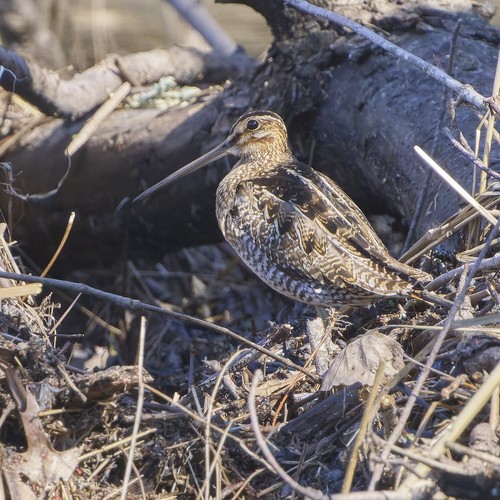
Wilson's Snipe
25-30 cm (10-12 in) long, 39-45 cm wingspan
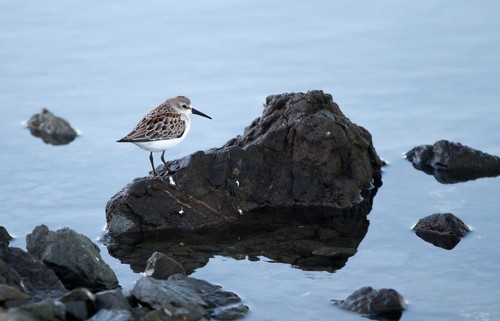
Western Sandpiper
14-17 cm (5.5-6.7 in) long, 28-37 cm wingspan
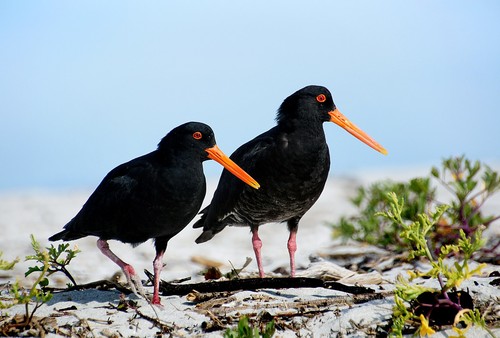
Variable Oystercatcher
46-49 cm (18-19 in) long
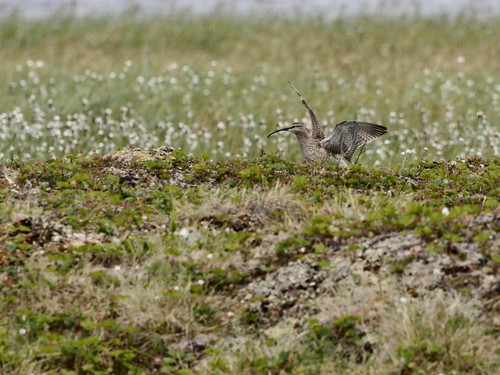
Whimbrel
40-46 cm (16-18 in) long, 76-89 cm wingspan
Wilson's Phalarope
22-24 cm (8.5-9.5 in) long, 37-43 cm wingspan
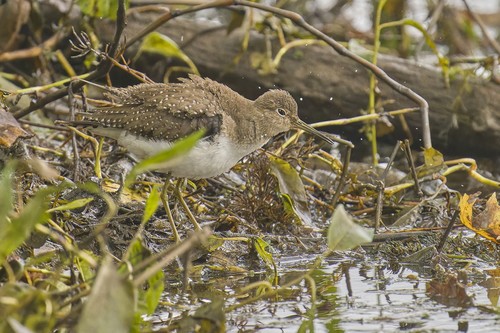
Solitary Sandpiper
19-23 cm (7.5-9 in) long, 50-56 cm wingspan
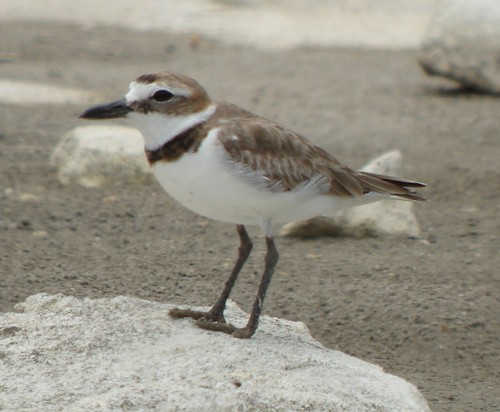
Wilson's Plover
17-19 cm (6.7-7.5 in) long, 45-50 cm wingspan
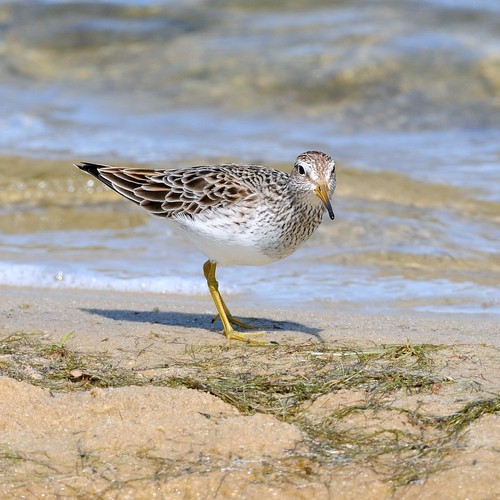
Pectoral Sandpiper
19-23 cm (7.5-9 in) long, 43-49 cm wingspan
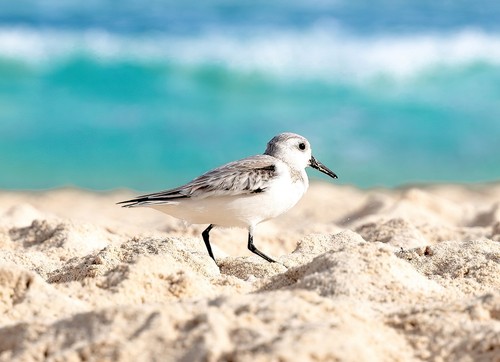
Sanderling
18-20 cm (7-8 in) long, 40-43 cm wingspan