
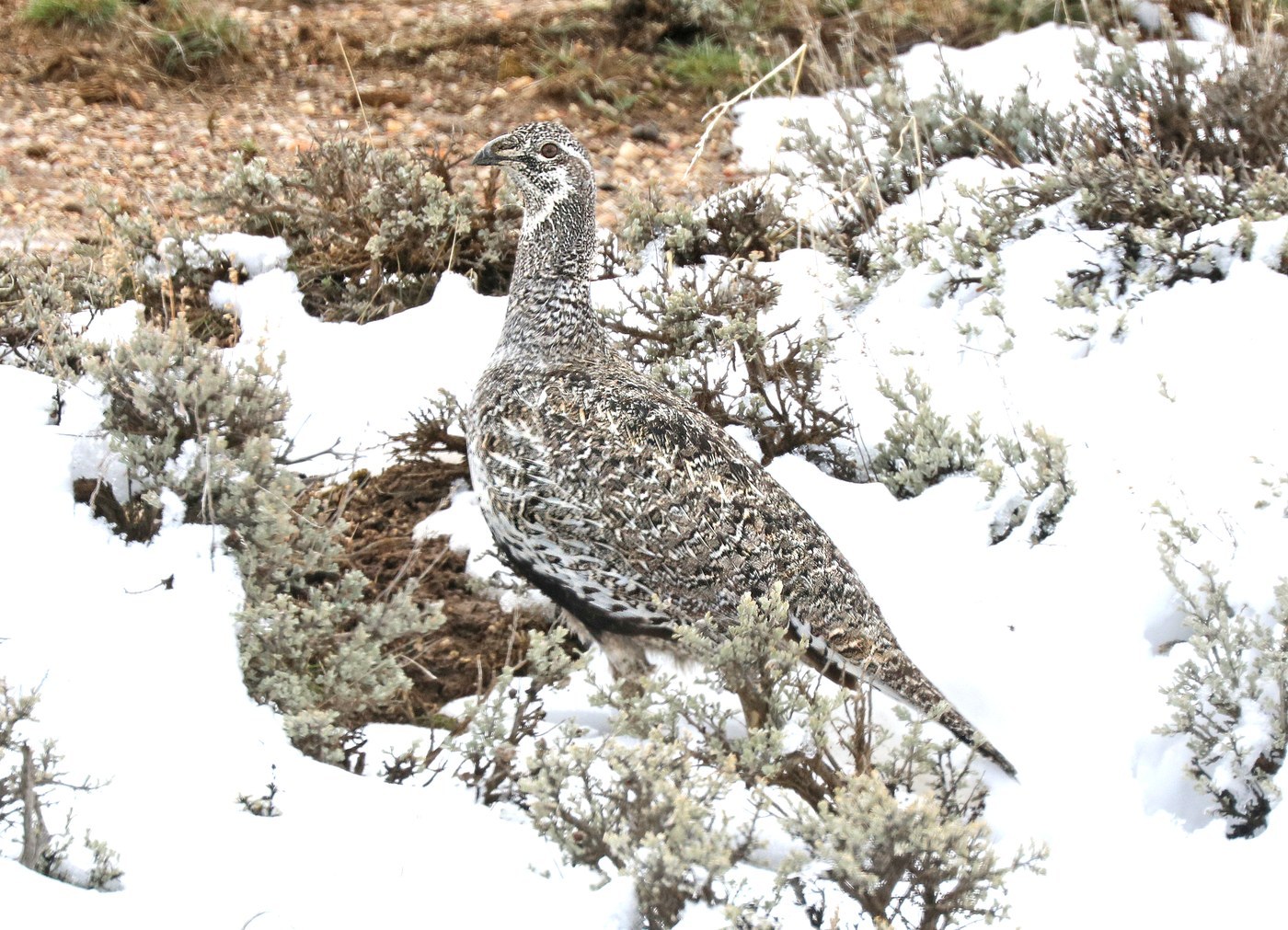
Greater Sage-Grouse
Centrocercus urophasianus
The largest North American grouse, famous for males' spectacular strutting display with inflated air sacs on communal leks scattered across the sagebrush sea.
- Size
- males up to 76 cm (30 in) long and 2-3 kg; the largest grouse in North America
- Habitat
- sagebrush steppe and shrub-grassland across the Intermountain West
- Type
- gamebird
Spotted a bird like this?
Identify any bird from a photo, free.
Overview
The Greater Sage-Grouse is the largest grouse species in North America and one of the most iconic birds of the western sagebrush landscape. It is a heavy-bodied, mottled gray-brown bird with a long, spiky, pointed tail and a black belly patch. Males are considerably larger than females and develop a striking white breast ruff surrounding a pair of bare, yellow-green air sacs that are inflated during an elaborate strutting courtship display each spring.
The species was split from the smaller Gunnison Sage-Grouse in 2000 and remains widespread, though at greatly reduced numbers and range compared to historical times due to loss and fragmentation of sagebrush habitat.
How to identify it
Key field marks
- Very large size with a mottled gray-brown body and black belly patch
- Long, spiky, pointed tail feathers, especially prominent in displaying males
- Male shows a white breast ruff and inflatable yellow-green air sacs when displaying
- Restricted almost entirely to sagebrush habitat
Similar species
Gunnison Sage-Grouse is smaller, has more strongly barred tail feathers, longer filoplumes on the neck, and a faster, more complex strut, but the two are essentially unidentifiable in the field except by range, as their ranges barely overlap. Sharp-tailed Grouse is smaller, paler, and lacks the black belly patch.
Habitat & range
Habitat and Range
Greater Sage-Grouse depend entirely on sagebrush steppe, using dense sagebrush for winter food and cover and adjacent grass- and forb-rich areas for nesting and brood-rearing in summer.
Range
The species occurs across parts of eleven western US states -- including Wyoming, Montana, Nevada, Idaho, Utah, Colorado, and Oregon -- plus small areas of southern Alberta and Saskatchewan, Canada, though its range has contracted by roughly half since European settlement.
Migration
Many populations are partial migrants, moving seasonally between higher-elevation summer range and lower-elevation, wind-scoured winter range where sagebrush remains exposed above the snow.
Behavior & voice
Behavior
Each spring, males gather at traditional lek sites -- open areas within or adjacent to sagebrush -- where they perform synchronized strutting displays to compete for mating opportunities with visiting females.
Voice
The display includes a distinctive series of low, popping, swishing sounds produced as the male's air sacs inflate and deflate, audible for a considerable distance across quiet sagebrush flats at dawn.
Feeding
Sagebrush leaves form the overwhelming majority of the diet in winter, when the birds subsist almost entirely on this single plant; forbs and insects become more important in spring and summer, especially for growing chicks.
Nesting and breeding
The mating system is a lek-based promiscuous system in which a few dominant males achieve most matings. Females nest alone on the ground, typically under a sagebrush plant within a few miles of the lek, and raise the brood without help from the male.
Frequently asked questions
How is Greater Sage-Grouse different from Gunnison Sage-Grouse?
Greater Sage-Grouse is larger, has shorter neck filoplumes, and a simpler strut display; Gunnison Sage-Grouse is smaller with longer white filoplumes and a faster, more elaborate display, and the two species' ranges barely overlap.
Why is the Greater Sage-Grouse population declining?
Loss, fragmentation, and degradation of sagebrush habitat from development, wildfire, invasive grasses, and conversion to agriculture have caused substantial long-term declines across its range.
What is a lek?
A lek is a traditional communal display ground where male Sage-Grouse gather each spring to perform strutting displays competing for the attention of visiting females.
What does a Greater Sage-Grouse eat in winter?
In winter it relies almost entirely on the leaves of sagebrush plants, one of the only food sources available above the snowline.
Greater Sage-Grouse guides
In-depth guides for identifying, finding, and understanding Greater Sage-Grouse.
Other birds you may enjoy
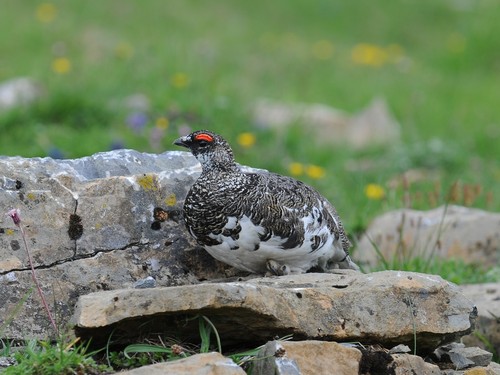
Rock Ptarmigan
34-36 cm (13-14 in) long
Congo Peafowl
Males about 64-70 cm long; females slightly smaller; no elaborate train
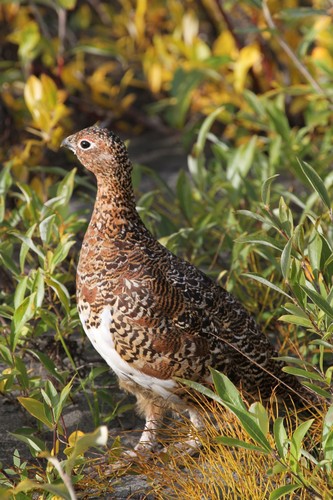
Willow Ptarmigan
37-42 cm (15-16.5 in) long
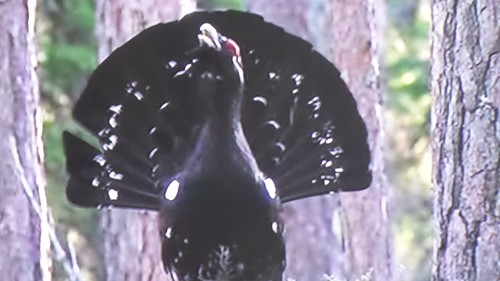
Western Capercaillie
male 74-90 cm (29-35 in), female 54-64 cm; male wingspan up to 125-130 cm
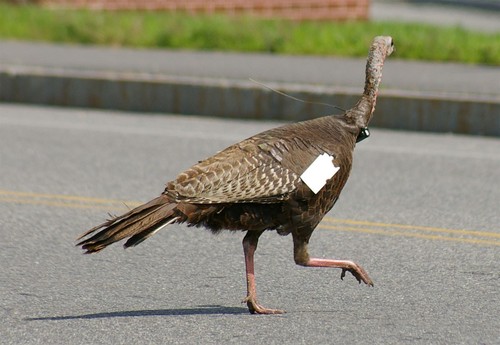
Wild Turkey
males 100-125 cm (39-49 in) long; females smaller, around 76-95 cm (30-37 in)
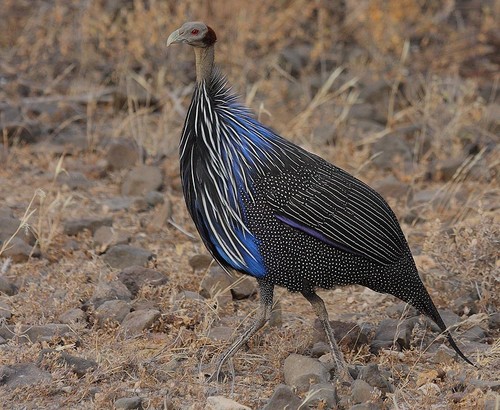
Vulturine Guineafowl
Length 61-71 cm, the largest guineafowl species, with a notably long neck and tail
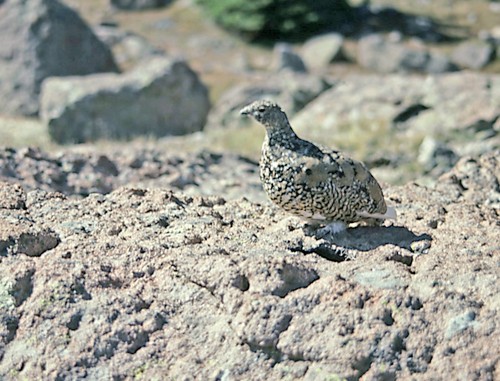
White-tailed Ptarmigan
30-33 cm (12-13 in) long; the smallest ptarmigan species
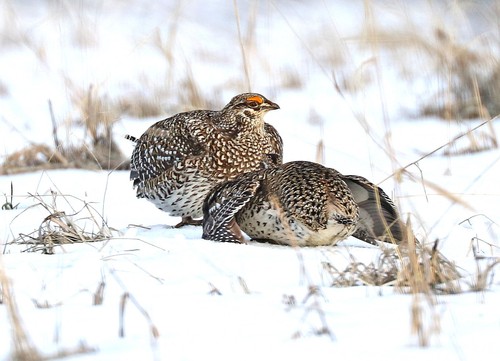
Sharp-tailed Grouse
38-48 cm (15-19 in) long
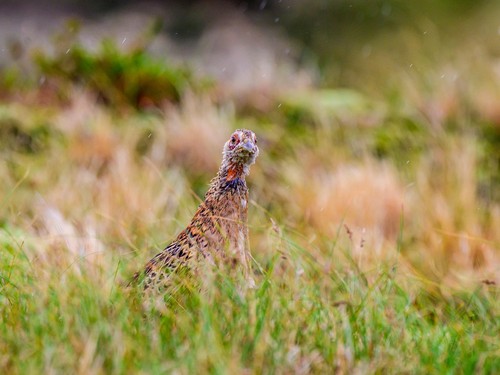
Ring-necked Pheasant
males 76-90 cm (30-35 in) long including a long tail; females smaller, 55-65 cm (22-26 in)
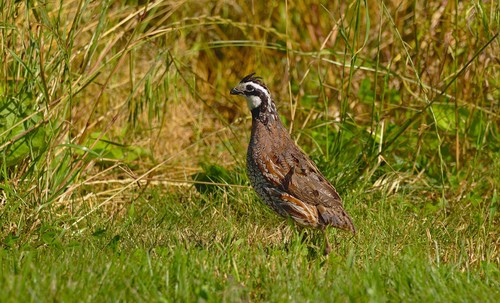
Northern Bobwhite
24-28 cm (9.5-11 in) long, 33-38 cm wingspan
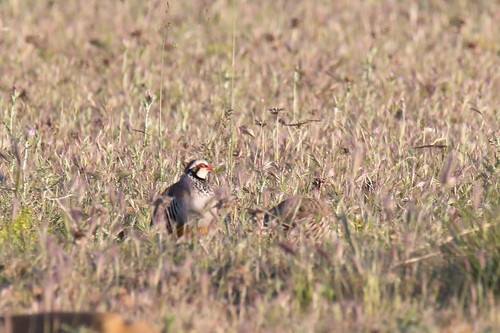
Red-legged Partridge
32-34 cm (13 in) long, 47-50 cm wingspan
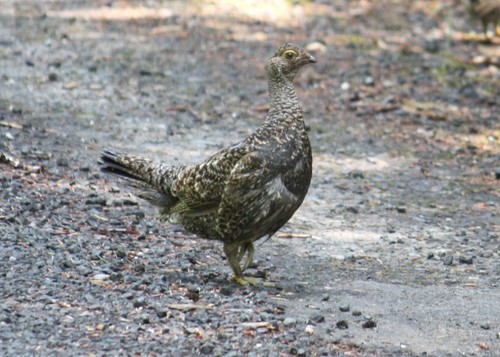
Sooty Grouse
43-48 cm (17-19 in) long; males larger than females