
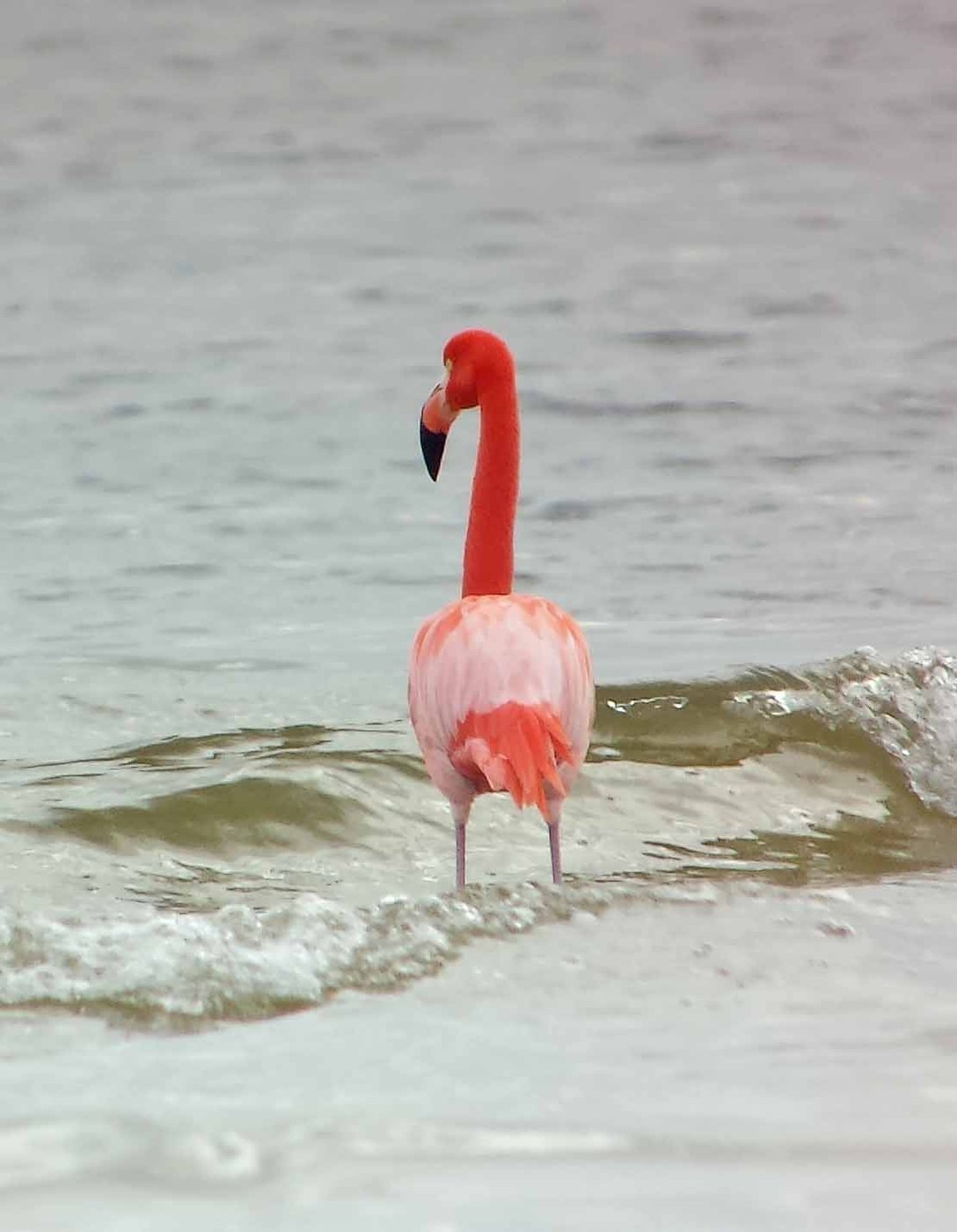
Greater American Flamingo
Phoenicopterus ruber
The most vividly pink flamingo species, found in coastal wetlands of the Caribbean, Yucatan, and Galapagos.
- Size
- 120-145 cm (47-57 in) tall, 150 cm wingspan
- Habitat
- coastal lagoons, salt pans, estuaries, and mudflats
- Type
- wading-bird
Spotted a bird like this?
Identify any bird from a photo, free.
Overview
The American Flamingo, sometimes called the Greater American or Caribbean Flamingo, is the brightest and most saturated pink of all flamingo species, owing to a diet especially rich in carotenoid-producing organisms. Adults show deep pink-to-scarlet plumage, black flight feathers visible in flight, and a bicolored bill that is pale pink at the base and black at the tip. Its long legs and sinuous neck let it wade and feed in shallow saline waters.
Large, noisy flocks gather to feed and breed together, often standing on one leg for extended periods, a posture thought to help conserve body heat.
How to identify it
Key field marks
- Deep pink to scarlet-orange plumage, the most vivid of any flamingo
- Bicolored bill: pink base, black tip, sharply downturned
- Pink legs
- Black flight feathers visible in flight or when wings are spread
Similar species
- Greater Flamingo (Old World) is paler pink with more white in the plumage.
- Chilean Flamingo is paler with gray legs and pink leg joints.
- Lesser Flamingo is much smaller with an almost entirely dark bill.
Habitat & range
Habitat
Inhabits shallow, saline or brackish coastal lagoons, salt pans, mudflats, and mangrove-fringed bays.
Range
Found in the Caribbean, coastal Venezuela and Colombia, the Yucatan Peninsula of Mexico, Florida, the Bahamas, and the Galapagos Islands.
Migration
Mostly sedentary, though flocks may shift locally between wetlands in response to water levels and food availability.
Behavior & voice
Behavior
Forages in large, tightly packed flocks, walking slowly through shallow water while sweeping its inverted bill side to side; often stands on one leg while resting.
Voice
Honking, goose-like calls given in flight and at breeding colonies.
Feeding
Filters algae, small crustaceans (including brine shrimp), and mollusks from mud and water using comb-like lamellae in its bill, holding its head upside down while feeding.
Nesting
Breeds colonially, building mud mound nests on open flats; typically lays a single white egg.
Frequently asked questions
Why are American Flamingos so brightly colored?
Their intensely pink-red color comes from carotenoid pigments in the algae and crustaceans they eat, which is why they are the most vividly colored flamingo species.
Where do American Flamingos live?
In coastal lagoons and salt flats of the Caribbean, the Yucatan Peninsula, coastal South America, and the Galapagos Islands.
Why do flamingos stand on one leg?
It is believed to help conserve body heat by reducing the amount of leg surface exposed to cold water or air.
How is the American Flamingo different from the Greater Flamingo?
The American Flamingo is deeper pink to scarlet overall, while the Old World Greater Flamingo is paler pink with more white plumage.
Greater American Flamingo guides
In-depth guides for identifying, finding, and understanding Greater American Flamingo.
Other birds you may enjoy
Demoiselle Crane
85-100 cm (33-39 in) long, 155-180 cm wingspan
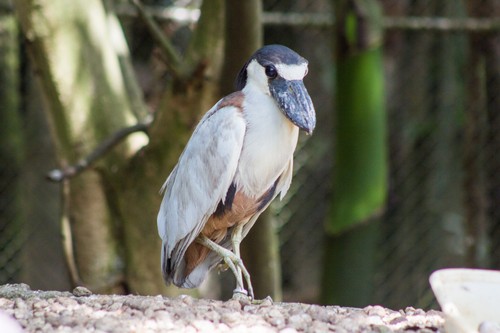
Boat-billed Heron
41-56 cm (16-22 in) long
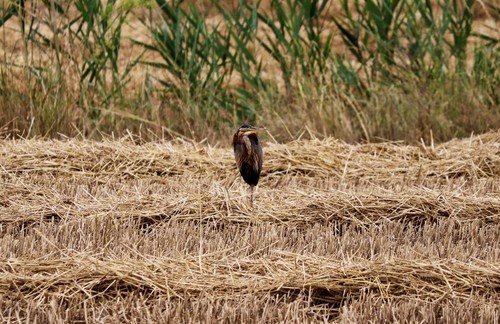
Purple Heron
78-90 cm (31-35 in) long, 120-152 cm wingspan
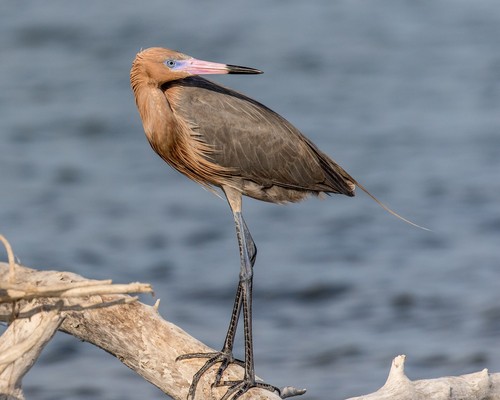
Reddish Egret
68-82 cm (27-32 in) long, 116-125 cm wingspan
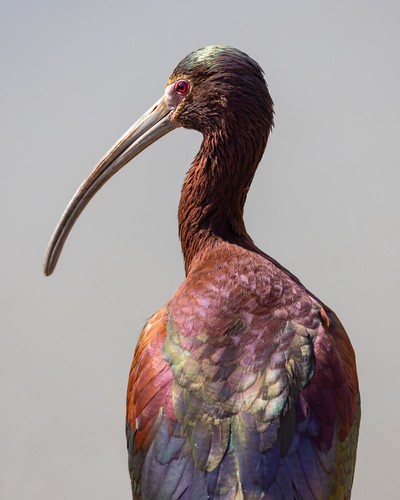
White-faced Ibis
46-56 cm (18-22 in) long, 88-93 cm wingspan
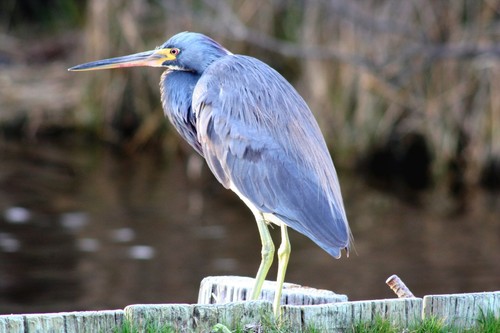
Tricolored Heron
61-76 cm (24-30 in) long, about 96 cm wingspan
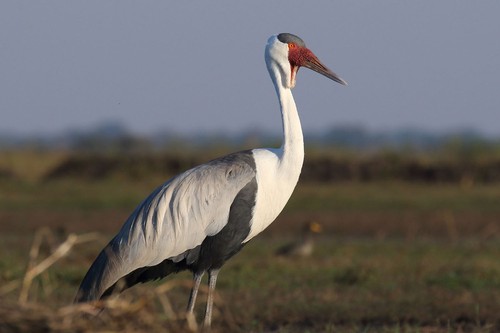
Wattled Crane
120-175 cm (47-69 in) tall, one of the tallest cranes, wingspan up to about 230 cm (7.5 ft)
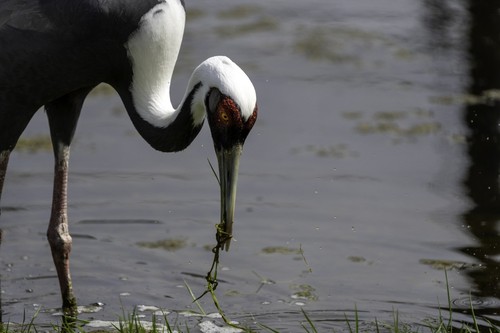
White-naped Crane
112-125 cm (44-49 in) long, 195-210 cm wingspan
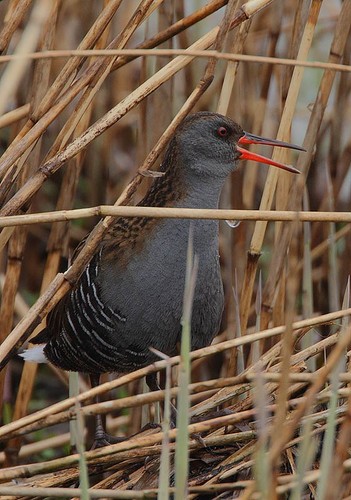
Water Rail
23-28 cm (9-11 in) long, wingspan 38-45 cm
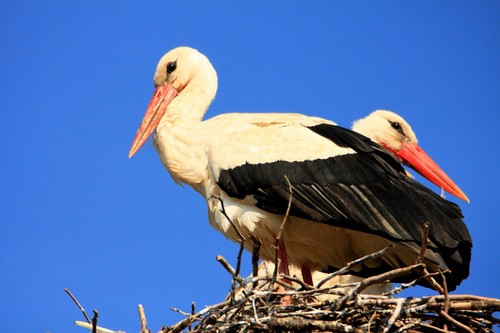
White Stork
100-125 cm (39-49 in) long, 155-215 cm wingspan
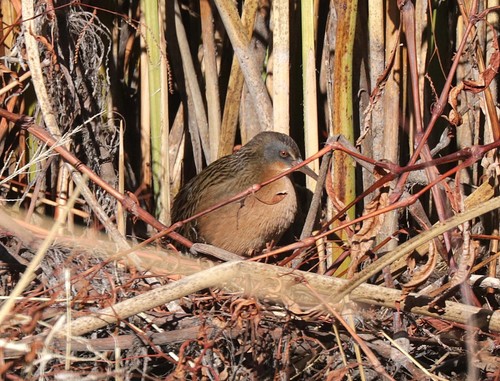
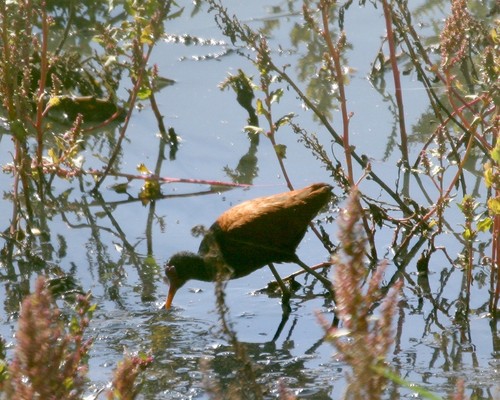
Virginia Rail
20-27 cm (8-11 in) long, wingspan 32-38 cm
Wattled Jacana
17-23 cm (7-9 in) long