
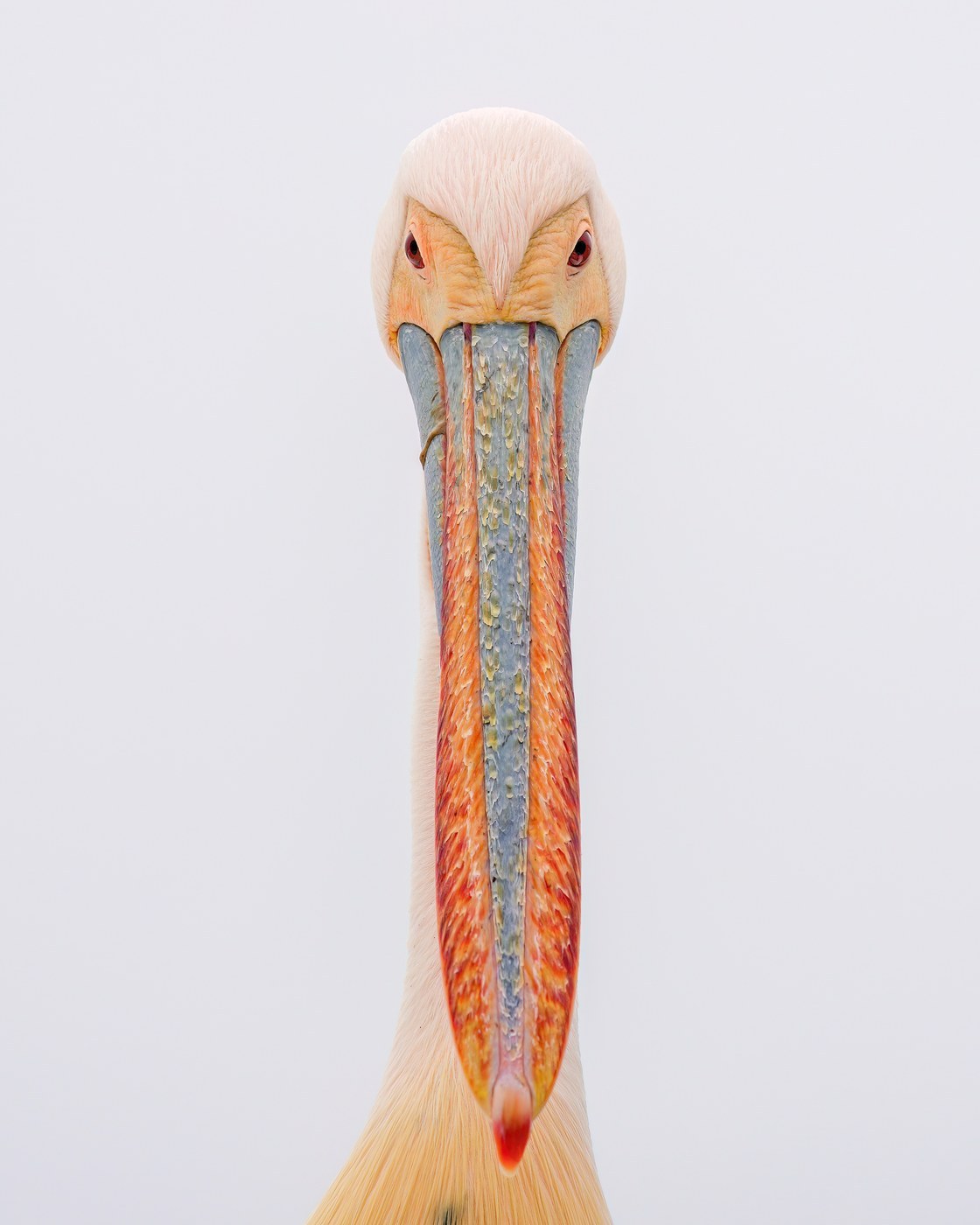
Great White Pelican
Pelecanus onocrotalus
A massive white pelican of Old World wetlands with a wingspan among the largest of any bird, tinged pink in breeding season and prone to spectacular coordinated group fishing.
- Size
- 140-180 cm (55-71 in) long, 226-360 cm wingspan
- Habitat
- large lakes, deltas, and wetlands across Africa, southeastern Europe, and Asia
- Type
- seabird
Spotted a bird like this?
Identify any bird from a photo, free.
Overview
The Great White Pelican is one of the largest waterbirds in the Old World, an imposing white pelican of African and Eurasian wetlands, known for its huge size and its habit of fishing in coordinated groups. Its wingspan rivals or exceeds that of any other flying bird.
Appearance
Adults are predominantly white, often with a pink flush during the breeding season, with black flight feathers visible in flight, bare pink facial skin, and a large yellow-orange bill and pouch. Legs are pinkish.
How to identify it
Key field marks
- Very large size and enormous wingspan
- White plumage with a pink breeding flush, and black flight feathers seen in flight
- Pink bare facial skin
- Large yellow-orange bill and pouch
- Often seen fishing in coordinated groups
Similar species
Within its Old World range it can resemble the Dalmatian Pelican, but the Great White Pelican has pink (not grey) legs, brighter yellow-orange bill coloration, and lacks the shaggy curled nape feathers of the Dalmatian Pelican.
Habitat & range
Habitat and range
Great White Pelicans breed on large freshwater and brackish lakes, deltas, and wetlands across sub-Saharan Africa, and in scattered locations through southeastern Europe and Central and South Asia. Populations in temperate regions are migratory, wintering in Africa and South Asia, while African populations are largely resident or locally nomadic.
Colonies are often located on isolated islands within large lake systems, providing protection from ground predators.
Behavior & voice
Behavior
Great White Pelicans are famous for cooperative fishing, forming lines or semicircles that herd fish into shallow water where the birds can scoop them up simultaneously with their large pouches. This coordinated behavior increases foraging efficiency compared to fishing alone.
Voice
Adults are largely silent apart from low grunts and croaks near the colony; chicks give higher-pitched begging calls.
Nesting and breeding
They nest colonially, often in mixed colonies with other waterbirds, building a simple mound nest of vegetation on the ground or low platforms. Typically two eggs are laid, and colonies can be extremely large where suitable island habitat exists.
Frequently asked questions
How big is the Great White Pelican?
It is one of the largest flying birds in the world, with a wingspan that can exceed 3 meters (about 10 feet).
How does the Great White Pelican catch fish?
Groups of pelicans often cooperate, forming a line or semicircle to herd fish into shallow water before scooping them up together with their large pouches.
How can you tell a Great White Pelican from a Dalmatian Pelican?
The Great White Pelican has pink legs and a brighter yellow-orange bill, while the Dalmatian Pelican has grey legs and shaggy, curled nape feathers.
Where does the Great White Pelican live?
On large lakes, deltas, and wetlands across sub-Saharan Africa, with additional breeding populations in southeastern Europe and Asia.
Great White Pelican guides
In-depth guides for identifying, finding, and understanding Great White Pelican.
Other birds you may enjoy
Peruvian Pelican
137-152 cm (54-60 in) long, up to 228 cm wingspan
Bonaparte's Gull
28-33 cm (11-13 in) long, 76-84 cm wingspan
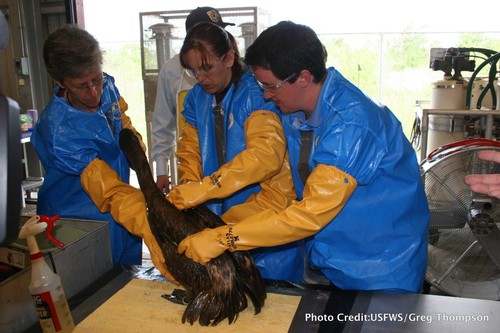
Brown Pelican
106-137 cm (42-54 in) long, 200-230 cm wingspan
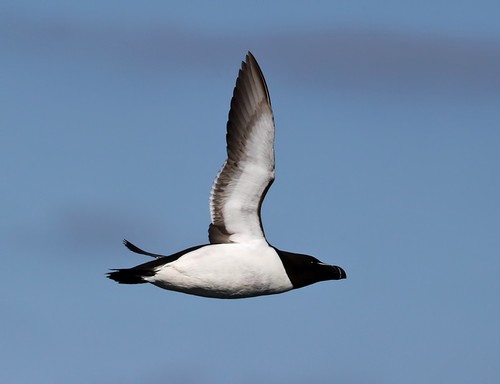
Razorbill
37-39 cm (15-15.5 in) long, 63-68 cm wingspan
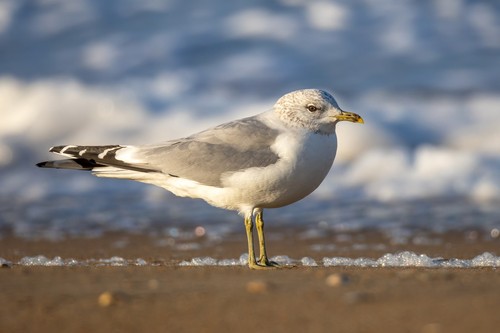
Common Gull
40-46 cm (16-18 in) long, 110-130 cm wingspan
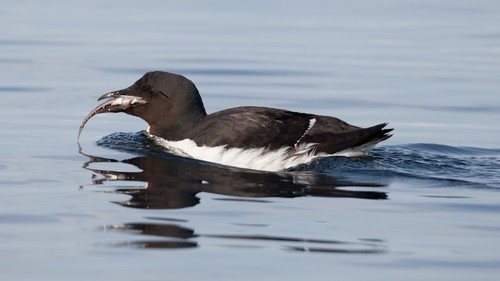
Thick-billed Murre
40-48 cm (16-19 in) long, 65-75 cm wingspan
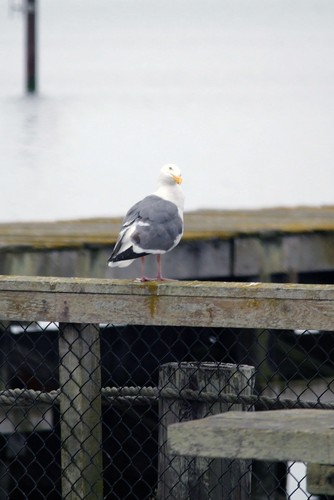
Western Gull
55-68 cm (22-27 in) long, 130-144 cm wingspan
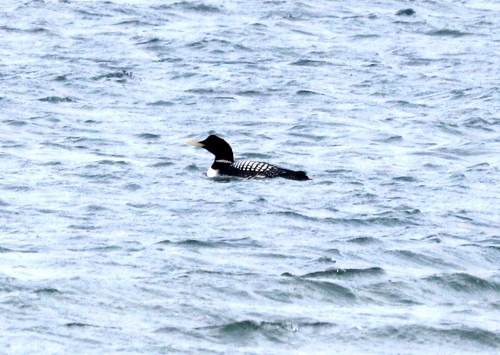
Yellow-billed Loon
76-97 cm (30-38 in) long, 135-152 cm wingspan
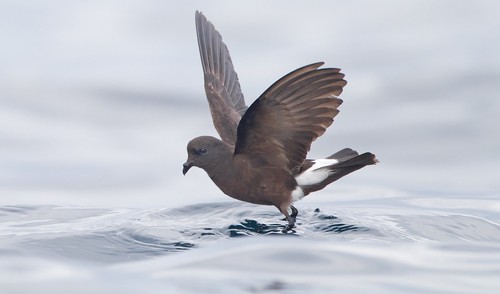
Wilson's Storm-Petrel
15-19 cm (6-7.5 in) long, wingspan 38-42 cm (15-16.5 in)
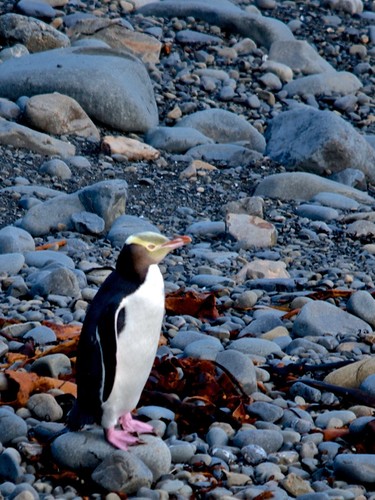
Yellow-eyed Penguin
62-79 cm (24-31 in) tall, 3-8.5 kg (6.6-18.7 lb)
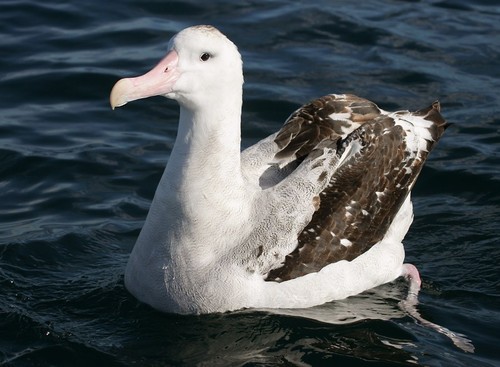
Wandering Albatross
107-135 cm (42-53 in) long, wingspan up to 3.5 m (11.5 ft)
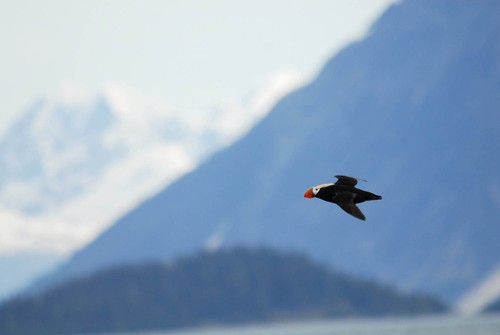
Tufted Puffin
35-41 cm (14-16 in) long, about 63-70 cm wingspan