
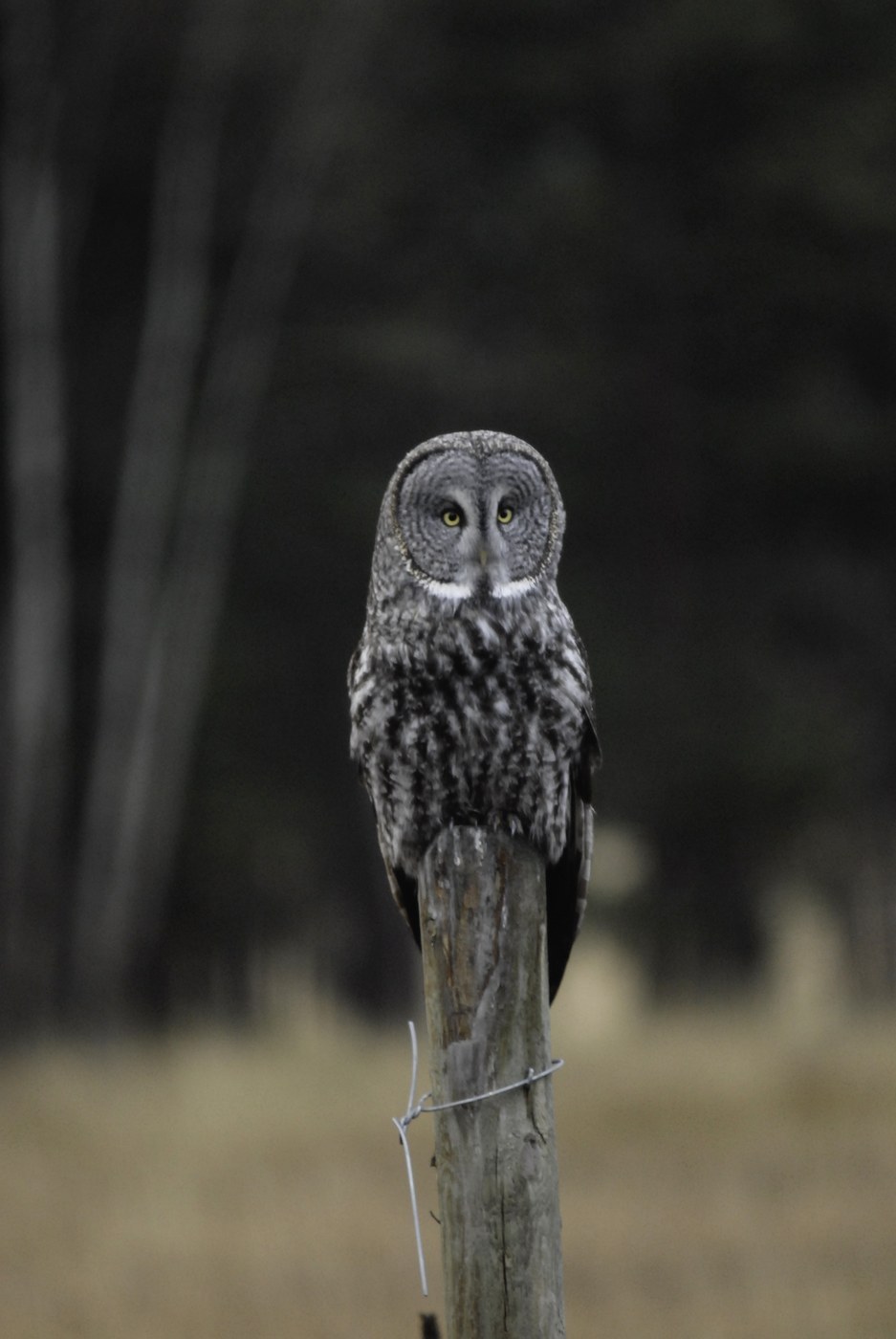
Great Grey Owl
Strix nebulosa
The tallest owl in North America by length, a huge grey ghost of the northern forests famed for its enormous facial disc and vole-hunting by sound.
- Size
- 61-84 cm long, wingspan up to 1.5 m
- Habitat
- Dense boreal and subalpine forest near open meadows
- Type
- owl
Spotted a bird like this?
Identify any bird from a photo, free.
Overview
The Great Grey Owl is one of the largest owls in the world by length, though its bulky appearance is mostly fluffy plumage — it is actually lighter in weight than the Snowy Owl or Great Horned Owl. It has mottled grey-brown plumage, no ear tufts, and an exceptionally large, rounded facial disc marked with fine concentric grey rings.
The eyes are relatively small and yellow for such a large head, and a distinctive pair of white "bowtie" markings appears beneath the chin.
How to identify it
Key Field Marks
- Huge, round facial disc with narrow concentric rings
- No ear tufts
- Small yellow eyes relative to the size of the head
- White "bowtie" throat markings
Similar Species
- Barred Owl — smaller, with dark eyes and vertical belly streaking rather than the Great Grey's huge ringed facial disc
- Great Horned Owl — has prominent ear tufts, which the Great Grey Owl lacks
Habitat & range
Range
Northern North America (Alaska, Canada, and mountainous parts of the northern United States) and northern Eurasia (Scandinavia to Siberia).
Habitat
Dense coniferous and mixed boreal forest adjacent to open meadows, bogs, or clearings used for hunting.
Movements
Largely non-migratory, but irruptive — individuals move south in years when prey is scarce.
Behavior & voice
Feeding
Hunts mainly at dawn and dusk, and sometimes during the day, perching and listening for voles moving beneath snow. Using its huge facial disc and asymmetrically placed ears, it can pinpoint prey under deep snow with remarkable precision, then plunge through the snow feet-first to catch it.
Voice
A series of deep, soft, resonant "whoo" hoots.
Nesting and Breeding
Does not build its own nest, instead reusing old stick nests built by other large birds, such as Northern Goshawks, or nesting atop broken tree snags. Lays two to five eggs, with clutch size closely tied to vole abundance in a given year.
Frequently asked questions
How big is a Great Grey Owl?
It can reach up to 84 cm (33 inches) in length, among the longest owls in the world, though it is lighter in weight than it looks due to its dense, fluffy plumage.
Can Great Grey Owls hear prey under snow?
Yes, they can locate and catch small mammals moving under snow using hearing alone, diving through the snow to capture them.
Where do Great Grey Owls live?
In boreal forests of North America and northern Eurasia.
What do Great Grey Owls eat?
Mostly voles and other small rodents.
Do Great Grey Owls build their own nests?
No, they typically reuse old nests built by other large birds or nest atop broken snags.
Great Grey Owl guides
In-depth guides for identifying, finding, and understanding Great Grey Owl.
Other birds you may enjoy
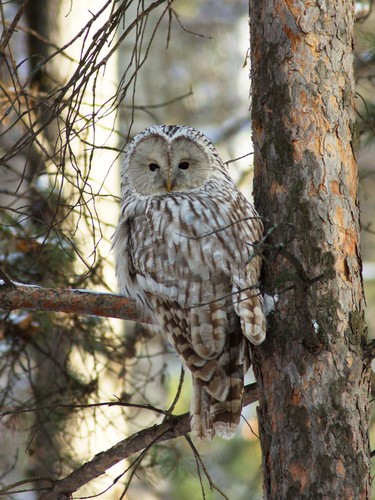
Ural Owl
50-62 cm long, wingspan about 1.0-1.3 m
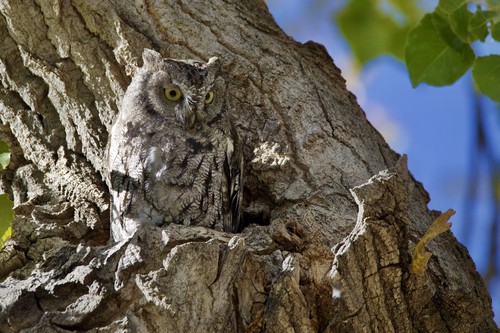
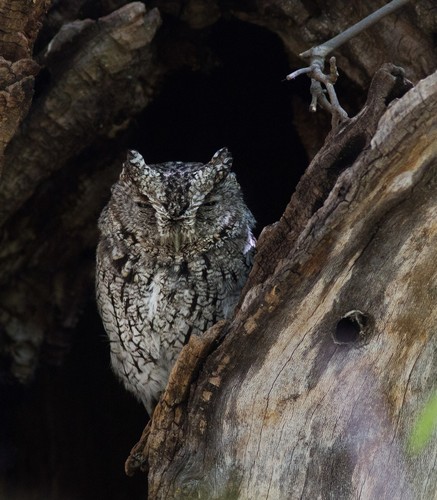
Western Screech-Owl
19-25 cm (7.5-10 in) long, about 55 cm (21.5 in) wingspan
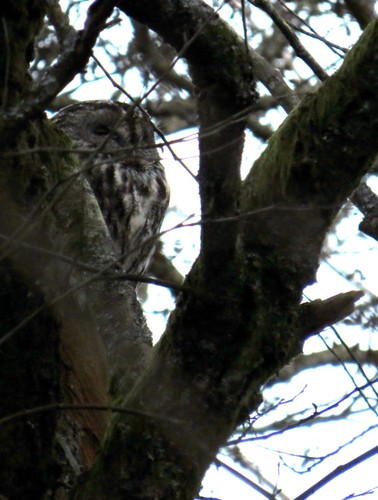
Whiskered Screech-Owl
17-19 cm (6.7-7.5 in) long, 43 cm wingspan
Tawny Owl
37-43 cm (15-17 in) long, 81-96 cm wingspan
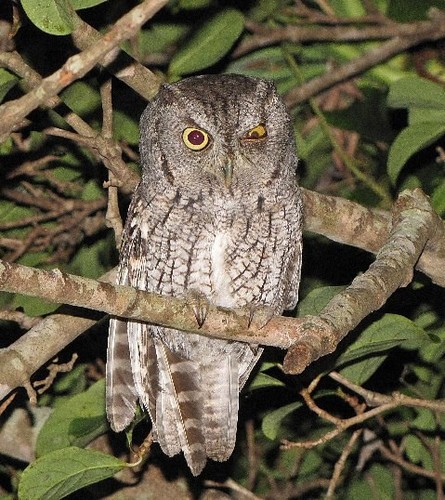
Screech Owl
16-25 cm long, wingspan about 46-61 cm
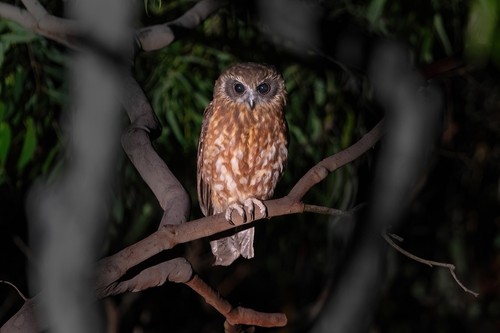
Southern Boobook
27-36 cm (11-14 in) long
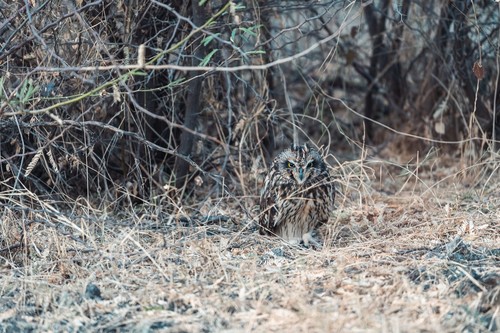
Short-eared Owl
34-42 cm (13-17 in) long, 85-110 cm wingspan
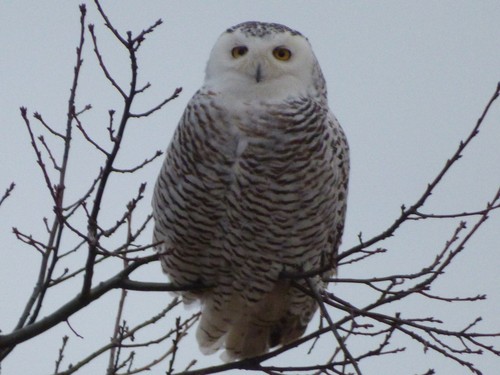
Snowy Owl
52-71 cm (20-28 in) long, 125-150 cm (49-59 in) wingspan
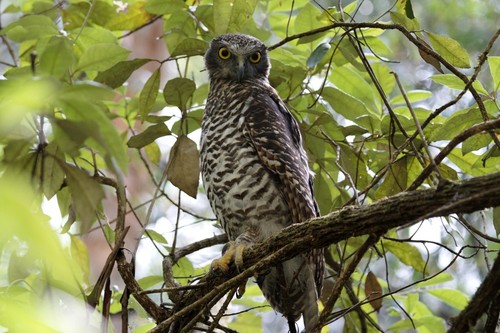
Powerful Owl
60-65 cm (24-26 in) long, 112-135 cm (44-53 in) wingspan
Northern Saw-whet Owl
18-21 cm (7-8.5 in) long, 42-56 cm (17-22 in) wingspan
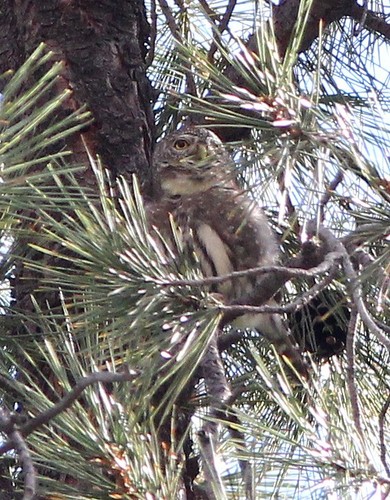
Northern Pygmy-Owl
16-18 cm (6.3-7.1 in) long, 35-39 cm wingspan
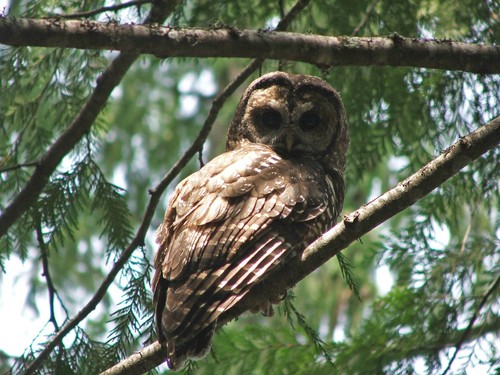
Spotted Owl
43-48 cm (17-19 in) long, 100-114 cm wingspan