
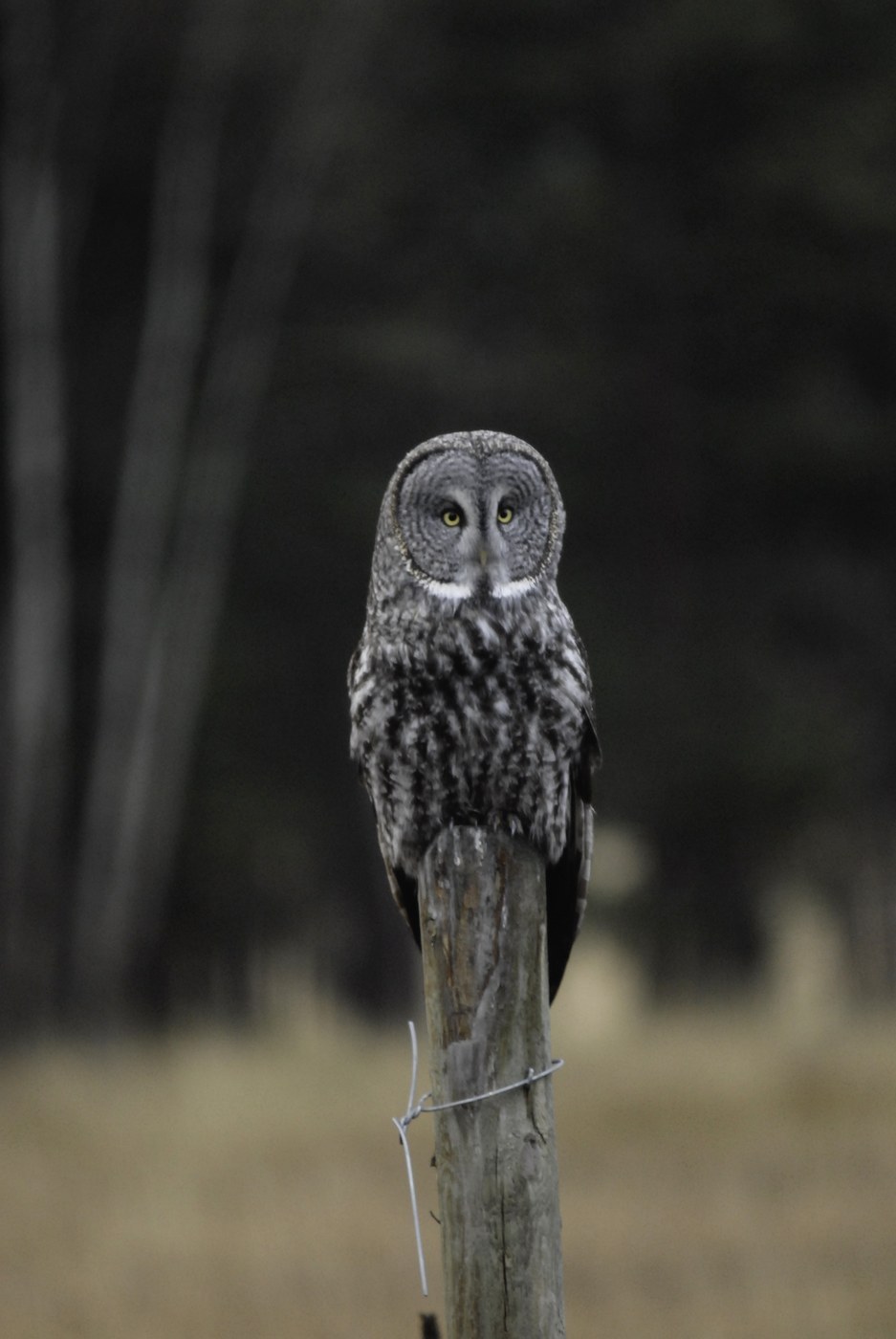
Great Gray Owl
Strix nebulosa
One of the tallest owls in the world, with an enormous facial disk and the extraordinary ability to hear and catch rodents hidden beneath snow.
- Size
- 61-84 cm (24-33 in) long, up to 142 cm (56 in) wingspan
- Habitat
- boreal and subalpine forests, often near open meadows
- Type
- owl
Spotted a bird like this?
Identify any bird from a photo, free.
Overview
The Great Gray Owl is among the tallest owls on Earth, with a large, rounded head bearing no ear tufts and an exceptionally large gray facial disk marked with fine concentric rings, giving it an almost otherworldly expression. Despite its imposing size, much of its bulk is fluffy insulating plumage rather than body mass, and it actually weighs considerably less than the bulkier Great Horned Owl or Snowy Owl.
One of its most remarkable abilities is hunting rodents it cannot see, using extraordinarily acute hearing to pinpoint voles moving beneath deep snow, then plunging feet-first through the snowpack to catch prey it has located purely by sound.
How to identify it
Key Field Marks
- Very large, rounded head with no ear tufts
- Enormous gray facial disk with fine concentric rings and small yellow eyes set close together
- Long tail, giving an elongated overall silhouette
- Grayish, mottled plumage overall with a distinctive black "bow tie" mark below the chin
Similar Species
- Great Horned Owl: has prominent ear tufts and yellow eyes more prominent within a smaller facial disk.
- Barred Owl: smaller with dark brown eyes and a smaller facial disk, lacking the Great Gray's massive head and concentric ring pattern.
Habitat & range
Range
Great Gray Owls occur across the boreal forest belt of North America, Europe, and Asia, with a resident population extending south into the Sierra Nevada and Rocky Mountains of the western United States.
Habitat
They favor dense boreal or subalpine coniferous forest for roosting and nesting, adjacent to open meadows, bogs, or clearings where they hunt for rodents in the grass and snow.
Behavior & voice
Hunting
Great Gray Owls hunt primarily by sound, using their large facial disk to funnel even faint sounds of rodents moving under vegetation or snow to their asymmetrically positioned ears, then diving feet-first, sometimes breaking through snow crust firm enough to support a person's weight, to catch prey they never saw.
Voice
The male's call is a series of very low, deep, resonant hoots, among the lowest-pitched calls of any North American owl, often difficult for human ears to detect at a distance.
Nesting
Great Gray Owls do not build their own nests, typically using the tops of broken-off snags or old stick nests built by hawks or ravens. Clutch size is usually two to five eggs and can vary with rodent abundance.
Frequently asked questions
How can a Great Gray Owl catch prey it cannot see?
Its enormous facial disk channels sound to asymmetrically placed ears with extraordinary sensitivity, allowing it to precisely locate rodents moving beneath snow or dense vegetation using hearing alone.
Is the Great Gray Owl the heaviest owl?
No, despite being one of the tallest owls by length, much of its bulk is fluffy plumage, and it is actually lighter than bulkier species like the Great Horned Owl or Snowy Owl.
Where do Great Gray Owls live?
In boreal and subalpine coniferous forests across North America, Europe, and Asia, with resident populations in mountain ranges like the Sierra Nevada and Rockies.
What do Great Gray Owls eat?
Primarily voles and other small rodents, which make up the vast majority of their diet.
Great Gray Owl guides
In-depth guides for identifying, finding, and understanding Great Gray Owl.
Other birds you may enjoy
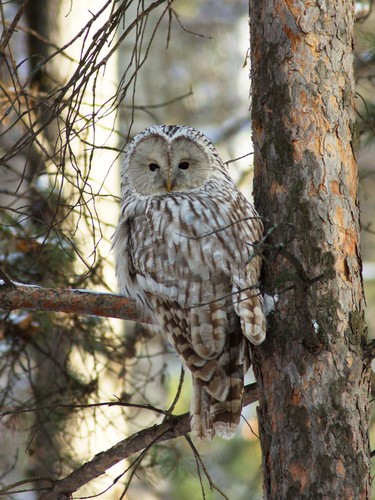
Ural Owl
50-62 cm long, wingspan about 1.0-1.3 m
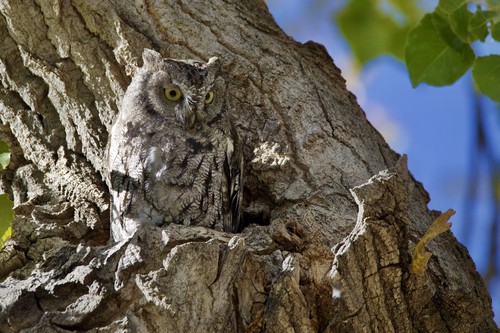
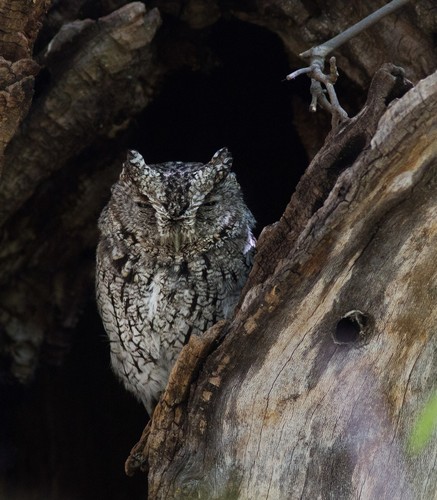
Western Screech-Owl
19-25 cm (7.5-10 in) long, about 55 cm (21.5 in) wingspan
Whiskered Screech-Owl
17-19 cm (6.7-7.5 in) long, 43 cm wingspan
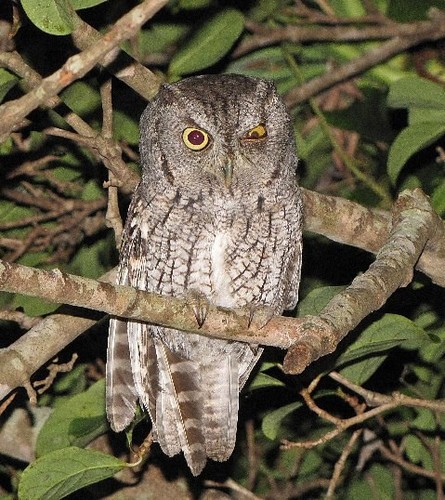
Tawny Owl
37-43 cm (15-17 in) long, 81-96 cm wingspan
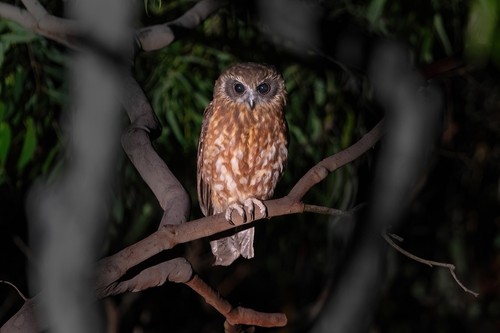
Screech Owl
16-25 cm long, wingspan about 46-61 cm
Southern Boobook
27-36 cm (11-14 in) long
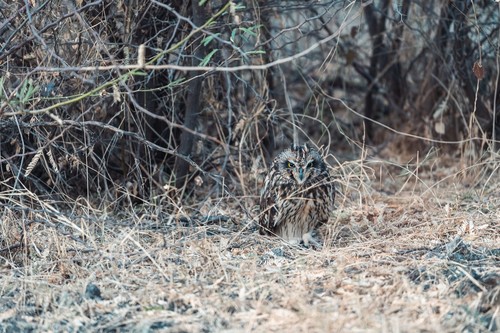
Short-eared Owl
34-42 cm (13-17 in) long, 85-110 cm wingspan
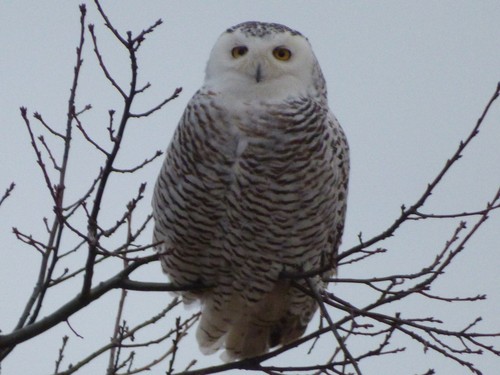
Snowy Owl
52-71 cm (20-28 in) long, 125-150 cm (49-59 in) wingspan
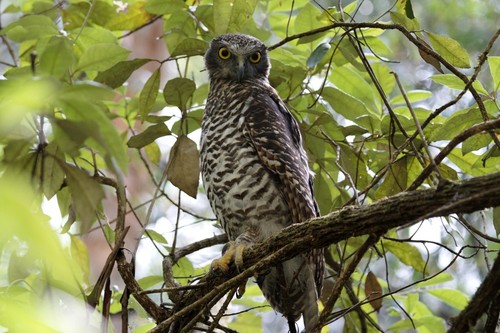
Powerful Owl
60-65 cm (24-26 in) long, 112-135 cm (44-53 in) wingspan
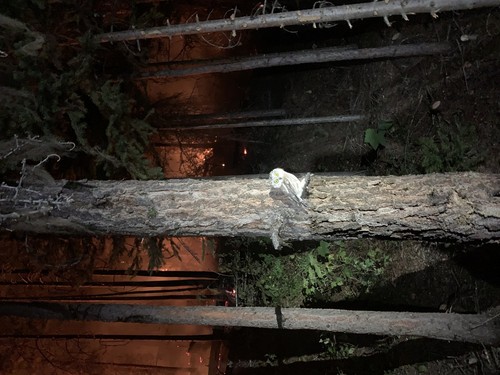
Northern Saw-whet Owl
18-21 cm (7-8.5 in) long, 42-56 cm (17-22 in) wingspan
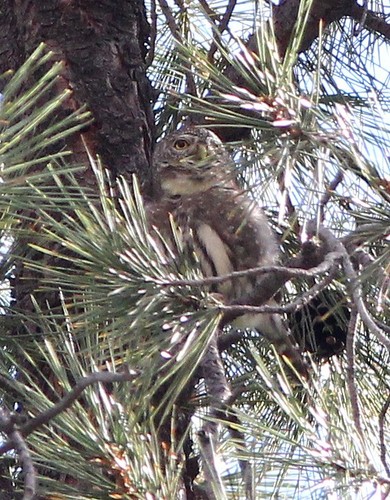
Northern Pygmy-Owl
16-18 cm (6.3-7.1 in) long, 35-39 cm wingspan
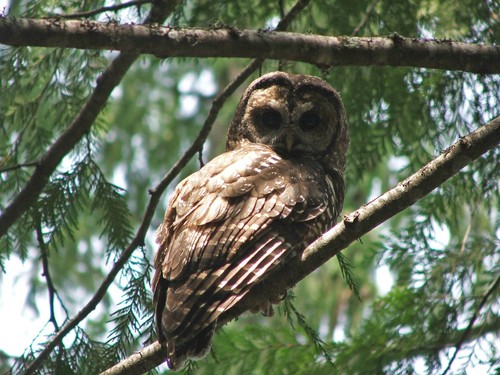
Spotted Owl
43-48 cm (17-19 in) long, 100-114 cm wingspan