
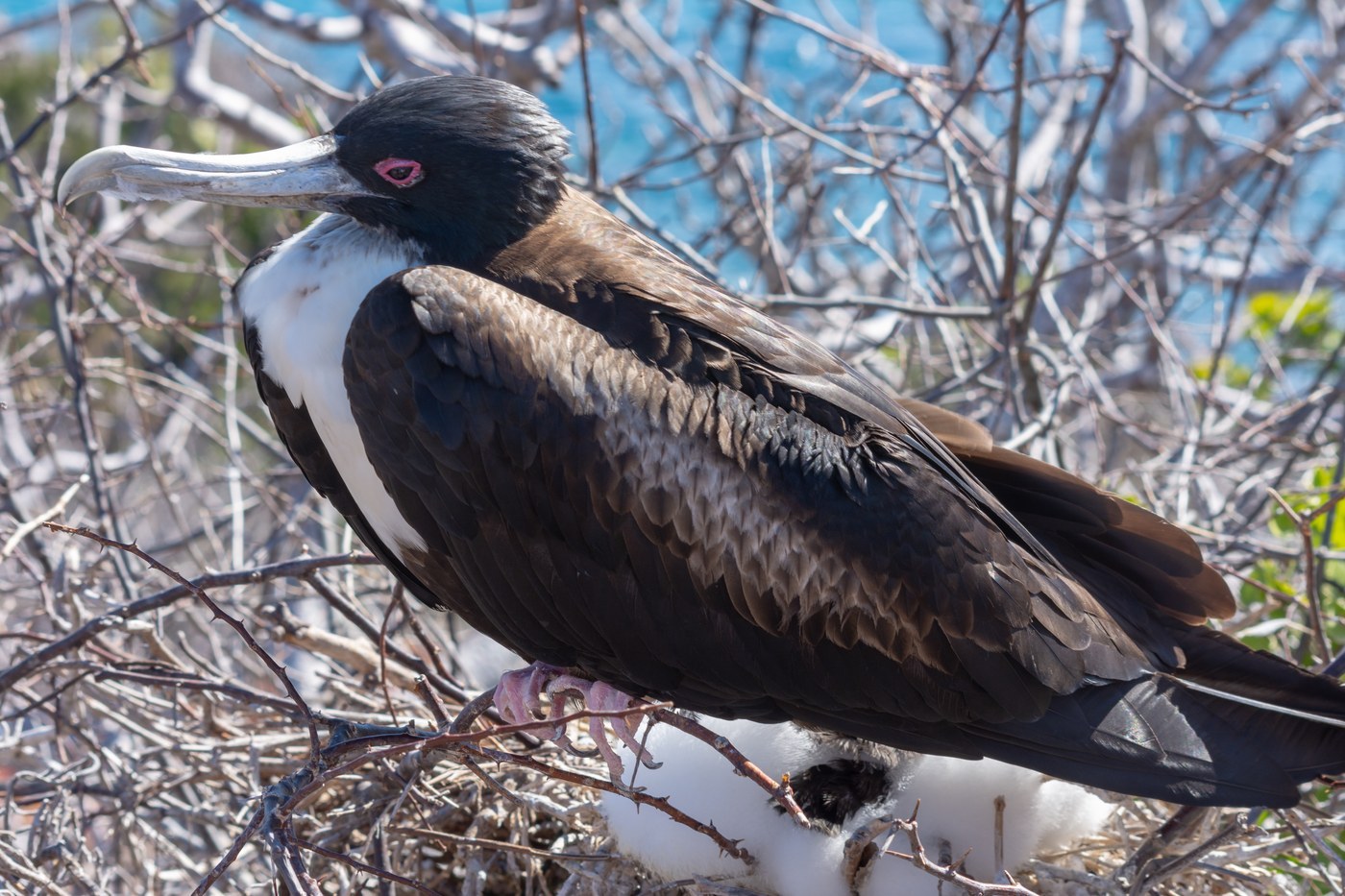
Great Frigatebird
Fregata minor
A widespread tropical seabird with long angular wings and a forked tail, males displaying a striking inflatable scarlet throat pouch.
- Size
- 85-105 cm (33-41 in) long, 205-230 cm wingspan
- Habitat
- tropical islands and open waters of the Pacific, Indian, and southern Atlantic Oceans
- Type
- seabird
Spotted a bird like this?
Identify any bird from a photo, free.
Overview
The Great Frigatebird is a wide-ranging tropical seabird found across the Pacific, Indian, and parts of the southern Atlantic Oceans, sharing the family's signature silhouette of long, bowed wings and a deeply forked tail. Adult males are entirely glossy black with a purplish-green sheen and, like other frigatebirds, an inflatable red throat pouch used in courtship display. Females are larger, with a black head, white breast, and a distinctive reddish eye-ring, while juveniles have rusty-orange heads that fade with age.
Remarkably light for their size, Great Frigatebirds can remain aloft for days at a time, riding thermals and trade winds over tropical seas with minimal effort.
How to identify it
Key field marks
- Long, angular wings and deeply forked tail
- Glossy black plumage in males with a purple-green sheen
- Females have a white breast and pale grey throat, with a reddish eye-ring
- Juveniles show a rusty-orange or tawny head
Similar species
- Lesser Frigatebird is smaller with white "spur" patches extending onto the flanks/underwing in males and females, which Great Frigatebird lacks.
- Magnificent Frigatebird occurs mainly in the Americas; female Magnificent Frigatebirds lack the reddish eye-ring shown by female Great Frigatebirds.
- Separating frigatebird species at sea can be difficult and often relies on subtle plumage and structural differences best seen in good light.
Habitat & range
Great Frigatebirds breed on remote tropical islands across the Pacific and Indian Oceans, including sites in the Galápagos, Hawaii's Northwestern Islands, and numerous Indo-Pacific atolls, as well as isolated islands in the South Atlantic. They require predator-free islands with trees or shrubs for nesting and strong onshore winds to aid takeoff given their limited walking ability.
Foraging ranges can extend hundreds of kilometers from the colony over open ocean, and non-breeding individuals may wander widely across tropical seas.
Behavior & voice
Behavior
Great Frigatebirds are expert soarers and aerial pirates, harassing boobies, tropicbirds, and other seabirds to steal food, and snatching fish, squid, and even turtle hatchlings from the surface without landing on the water.
Voice
Males rattle their bills against the inflated red pouch and give wavering whistles during courtship; both sexes give harsh, guttural calls at the colony.
Feeding
Flying fish and squid are caught at the surface, supplemented by kleptoparasitized food and occasional opportunistic predation on hatchling sea turtles and unattended seabird eggs or chicks.
Nesting and breeding
Males display in groups, inflating their pouches to attract passing females; a single egg is laid in a stick nest, and chick-rearing is prolonged, often lasting many months to over a year given the difficulty of provisioning enough food.
Frequently asked questions
How does the Great Frigatebird differ from the Lesser Frigatebird?
Great Frigatebirds lack the white flank/underwing 'spurs' present on Lesser Frigatebirds and are somewhat larger overall.
Why can't frigatebirds land on water?
Their feathers are not waterproof and their legs are weak, so landing on the sea would risk them becoming waterlogged and unable to take off again.
What does a female Great Frigatebird look like?
She has a black head, white breast, and a distinctive reddish ring around the eye, differing from the all-black male.
Where does the Great Frigatebird breed?
On remote tropical islands across the Pacific and Indian Oceans, and a few isolated South Atlantic islands.
How long can a Great Frigatebird stay in the air?
They can remain airborne for extended periods, with tracking studies showing some individuals staying aloft for weeks at a time while foraging.
Great Frigatebird guides
In-depth guides for identifying, finding, and understanding Great Frigatebird.
Other birds you may enjoy
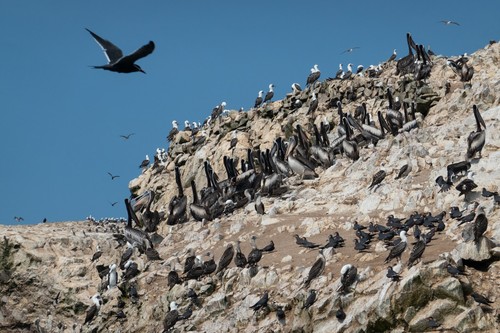
Peruvian Pelican
137-152 cm (54-60 in) long, up to 228 cm wingspan
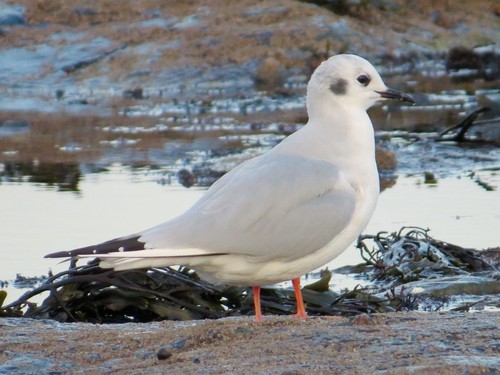
Bonaparte's Gull
28-33 cm (11-13 in) long, 76-84 cm wingspan
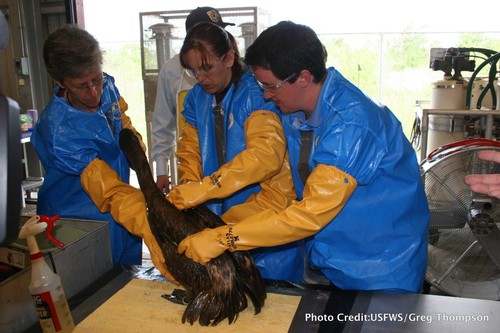
Brown Pelican
106-137 cm (42-54 in) long, 200-230 cm wingspan
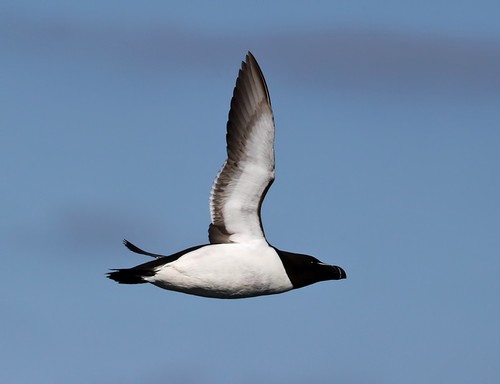
Razorbill
37-39 cm (15-15.5 in) long, 63-68 cm wingspan
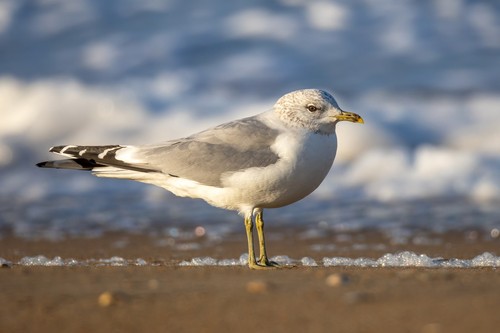
Common Gull
40-46 cm (16-18 in) long, 110-130 cm wingspan
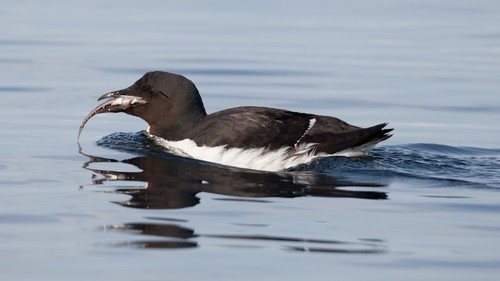
Thick-billed Murre
40-48 cm (16-19 in) long, 65-75 cm wingspan
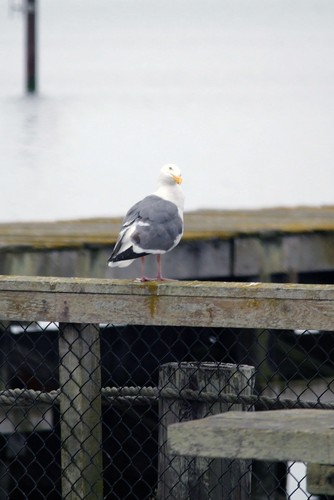
Western Gull
55-68 cm (22-27 in) long, 130-144 cm wingspan
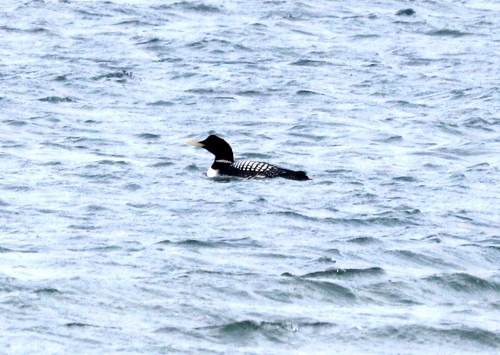
Yellow-billed Loon
76-97 cm (30-38 in) long, 135-152 cm wingspan
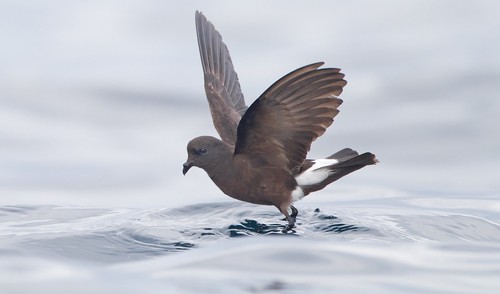
Wilson's Storm-Petrel
15-19 cm (6-7.5 in) long, wingspan 38-42 cm (15-16.5 in)
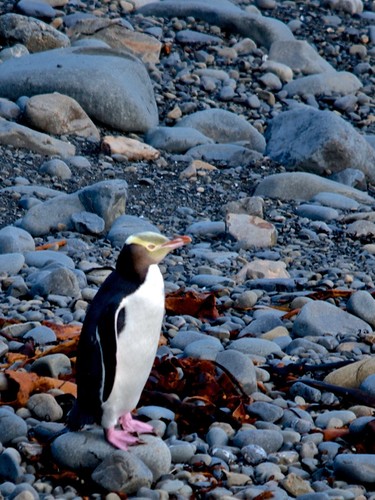
Yellow-eyed Penguin
62-79 cm (24-31 in) tall, 3-8.5 kg (6.6-18.7 lb)
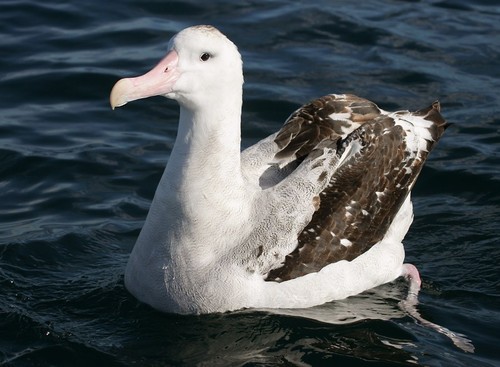
Wandering Albatross
107-135 cm (42-53 in) long, wingspan up to 3.5 m (11.5 ft)
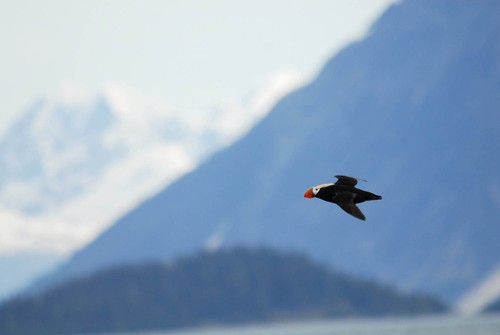
Tufted Puffin
35-41 cm (14-16 in) long, about 63-70 cm wingspan