
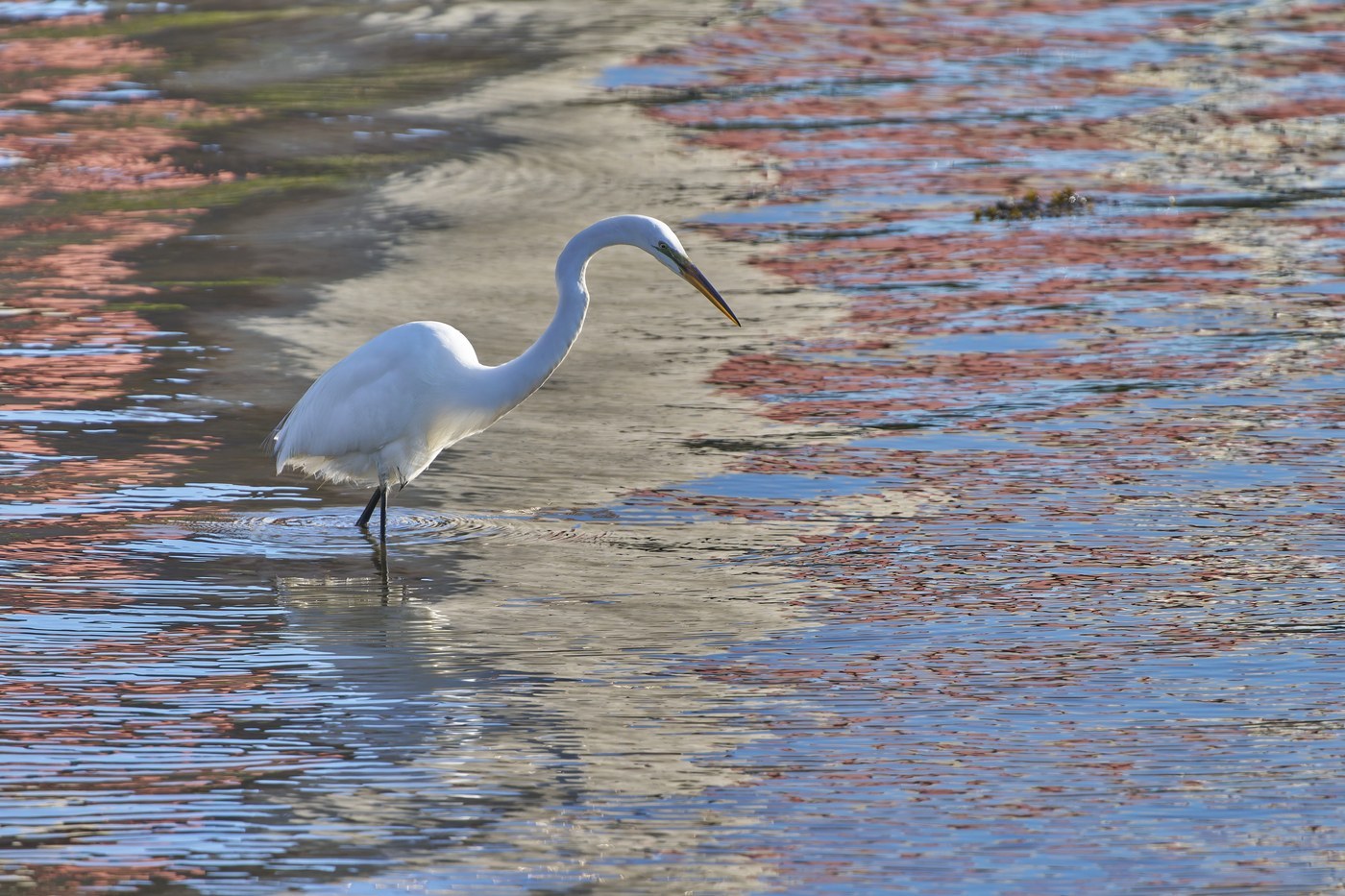
Great Egret
Ardea alba
A tall, elegant, all-white heron with a long yellow bill and black legs, found on wetlands across nearly every continent.
- Size
- 80-104 cm (31-41 in) long, 131-170 cm wingspan
- Habitat
- freshwater and coastal wetlands, marshes, and lakeshores worldwide
- Type
- wading-bird
Spotted a bird like this?
Identify any bird from a photo, free.
Overview
The Great Egret is a large, slender, entirely white heron with a long S-curved neck, a straight yellow-orange bill, and long black legs and feet. It is one of the most widespread heron species in the world, occurring on wetlands across every continent except Antarctica.
During the breeding season, adults grow long, delicate plumes called aigrettes from the back, which were historically hunted almost to the species' extinction for the millinery trade in the late 19th and early 20th centuries. Public outrage over this plume hunting helped spark the modern bird conservation movement, and the Great Egret remains the symbol of the National Audubon Society in the United States.
How to identify it
Key field marks
- Entirely white plumage
- Long, straight yellow-orange bill
- Long black legs and feet
- Large size with a graceful, elongated neck
Similar species
- Snowy Egret: much smaller, with a black bill and bright yellow feet
- Little Egret: smaller, black bill, yellow feet, mainly found in the Old World
- Great White Heron (white morph of Great Blue Heron, Florida): larger and bulkier with yellow legs rather than black
Size, an all-yellow bill, and black legs together distinguish the Great Egret from all other white egrets and herons in most of its range.
Habitat & range
Range and habitat
Great Egrets are found on nearly every continent, occupying freshwater and saltwater marshes, swamps, lake and river edges, and coastal estuaries, and are highly adaptable to a range of wetland types.
Migration
Northern populations migrate south in winter to warmer wetlands, while populations in tropical and subtropical regions are generally resident; post-breeding dispersal can carry individuals, especially juveniles, well beyond the usual breeding range.
Behavior & voice
Behavior
Great Egrets typically forage alone, standing motionless or walking slowly and deliberately through shallow water before striking rapidly with the bill; they roost and nest colonially, often alongside other herons and egrets.
Voice
Calls include a low, harsh croak, particularly given at breeding colonies or when disturbed, though the species is generally silent while foraging.
Feeding
They feed mainly on fish, but also take amphibians, insects, small reptiles, and occasionally small mammals or birds, using a patient stalk-and-strike hunting technique.
Nesting and breeding
Great Egrets nest colonially in trees or shrubs near water, building stick platform nests; both parents incubate the typically two to six pale blue-green eggs, and elegant breeding plumes are displayed prominently during courtship.
Frequently asked questions
How do you tell a Great Egret from a Snowy Egret?
The Great Egret is much larger with an all-yellow bill and black legs, while the Snowy Egret is smaller with a black bill and bright yellow feet.
Why is the Great Egret a symbol of bird conservation?
Its ornate breeding plumes were once hunted extensively for the millinery trade, nearly causing population collapse; the resulting public outcry helped launch the modern bird conservation movement, and the species became the symbol of the National Audubon Society.
Where do Great Egrets live?
They are found on wetlands across nearly every continent except Antarctica, including freshwater marshes, lakes, and coastal estuaries.
What does a Great Egret eat?
It eats mainly fish, along with amphibians, insects, and small reptiles, caught with a quick strike of its long, sharp bill.
Great Egret guides
In-depth guides for identifying, finding, and understanding Great Egret.
Other birds you may enjoy
Demoiselle Crane
85-100 cm (33-39 in) long, 155-180 cm wingspan
Boat-billed Heron
41-56 cm (16-22 in) long
Purple Heron
78-90 cm (31-35 in) long, 120-152 cm wingspan
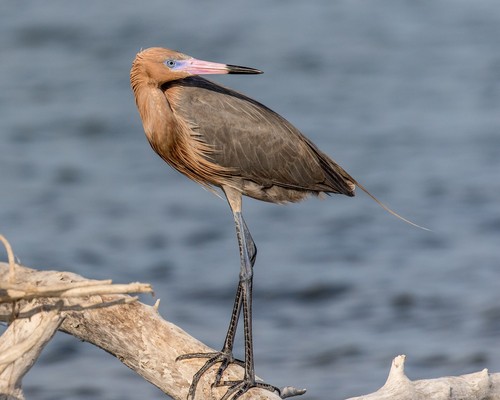
Reddish Egret
68-82 cm (27-32 in) long, 116-125 cm wingspan
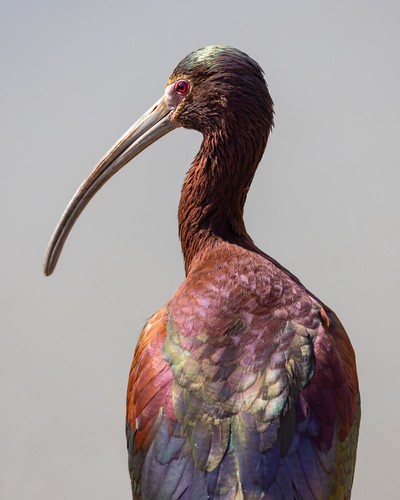
White-faced Ibis
46-56 cm (18-22 in) long, 88-93 cm wingspan
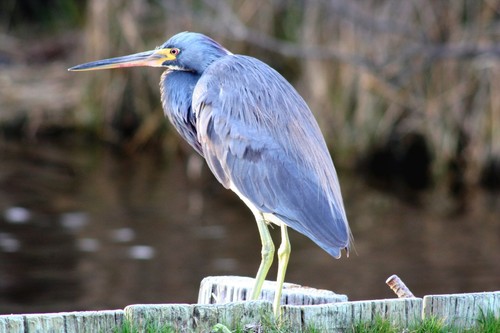
Tricolored Heron
61-76 cm (24-30 in) long, about 96 cm wingspan
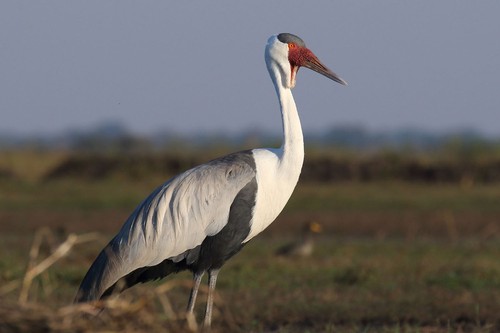
Wattled Crane
120-175 cm (47-69 in) tall, one of the tallest cranes, wingspan up to about 230 cm (7.5 ft)
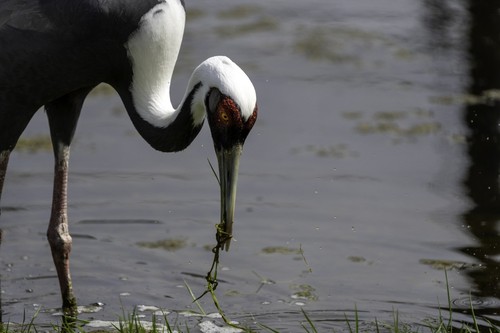
White-naped Crane
112-125 cm (44-49 in) long, 195-210 cm wingspan
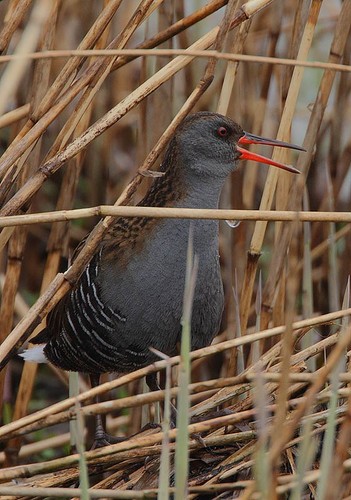
Water Rail
23-28 cm (9-11 in) long, wingspan 38-45 cm
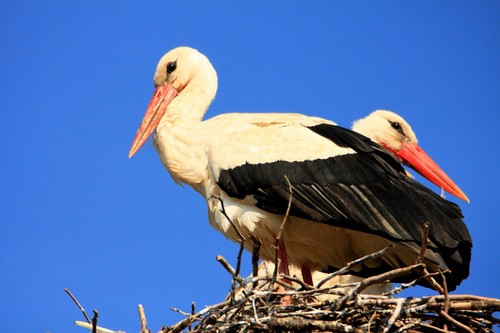
White Stork
100-125 cm (39-49 in) long, 155-215 cm wingspan
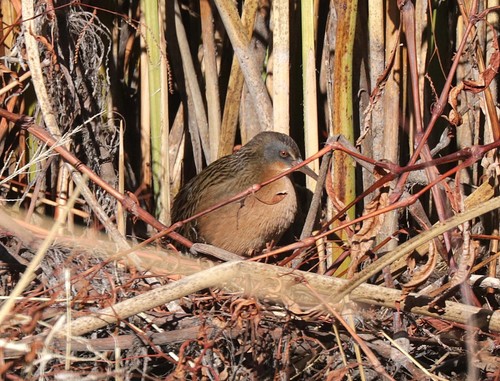
Virginia Rail
20-27 cm (8-11 in) long, wingspan 32-38 cm
Wattled Jacana
17-23 cm (7-9 in) long