
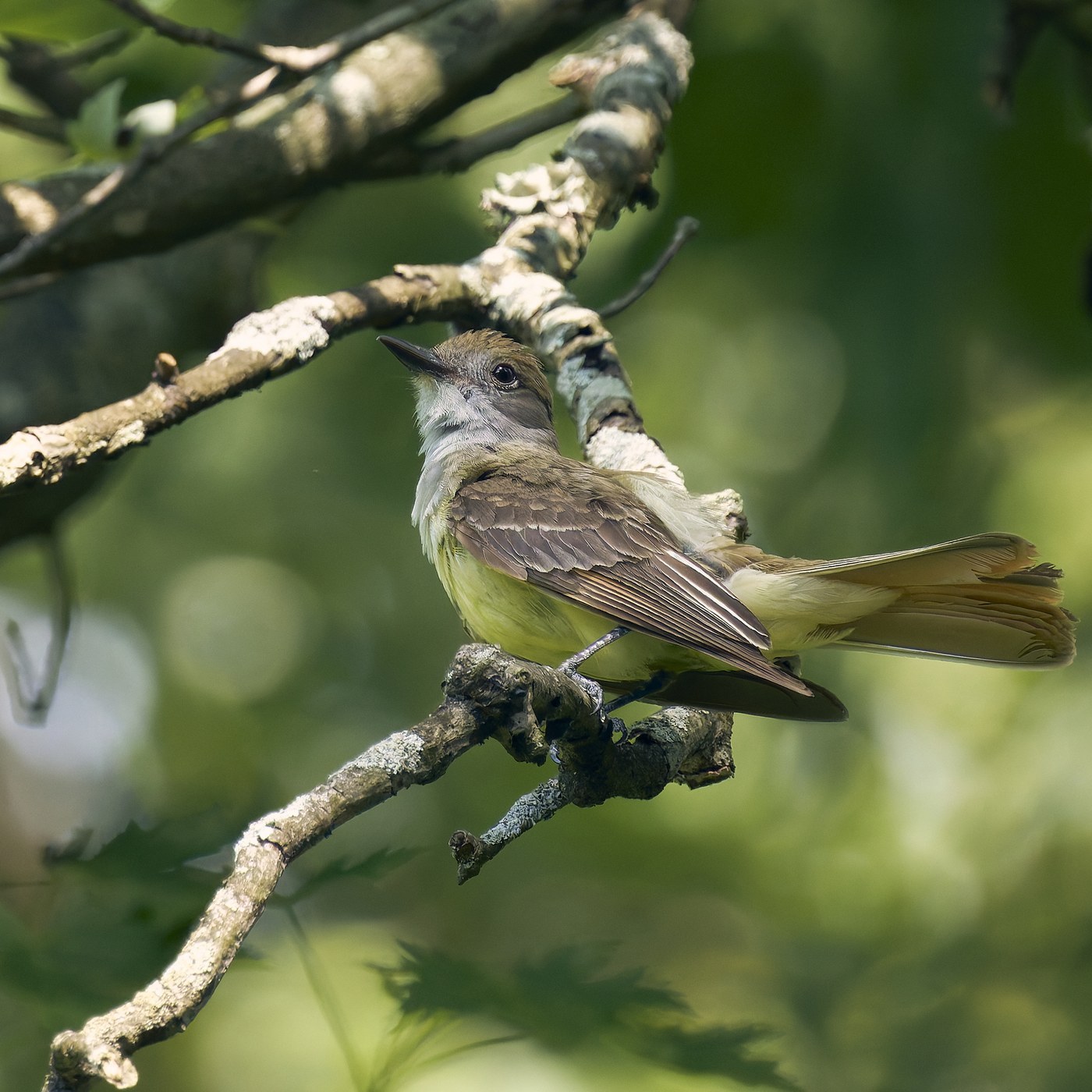
Great Crested Flycatcher
Myiarchus crinitus
A large canopy flycatcher of eastern woodlands with a lemon-yellow belly, rufous tail, and a loud, whistled call, famous for weaving shed snakeskin into its nest.
- Size
- 17-21 cm (6.7-8.3 in) long, 33 cm wingspan
- Habitat
- deciduous and mixed woodlands across eastern North America
- Type
- songbird
Spotted a bird like this?
Identify any bird from a photo, free.
Overview
The Great Crested Flycatcher is the most widespread large flycatcher of eastern North American woodlands, sporting an olive-brown back, gray throat and breast, a bright lemon-yellow belly, and rufous highlights in the wings and tail. Though often heard more than seen as it forages high in the canopy, its loud, ringing calls are a familiar sound of eastern forests in summer.
A cavity-nesting species, it has an unusual and well-known nesting habit of incorporating shed snakeskin, or shiny materials like cellophane when snakeskin is unavailable, into its nest lining, a behavior thought to help deter predators.
How to identify it
Key Field Marks
- Olive-brown back and short, bushy crest
- Gray throat and breast contrasting with a bright yellow belly
- Rufous-edged wing feathers and a notably rufous tail, visible in flight
- Fairly large size and stout bill for a flycatcher
Similar Species
- Ash-throated Flycatcher and other western Myiarchus flycatchers are paler, with less contrasting yellow bellies and paler rufous in the tail; ranges rarely overlap.
- Great Kiskadee is much larger and brighter with a bold black-and-white head pattern, unlike the plainer head of this species.
- Voice is often the best distinguishing feature among Myiarchus flycatchers.
Habitat & range
Great Crested Flycatchers breed in deciduous and mixed woodlands across the eastern United States and southern Canada, favoring forest edges, open woods, orchards, and suburban areas with mature trees, where they forage and nest in the canopy.
The species winters from southern Mexico through Central America into northern South America, undertaking a substantial migration each spring and fall.
Behavior & voice
Voice
Gives a loud, rolling wheep call and a rising prrreeet, often the first clue to its presence high in the treetops.
Feeding
Forages actively in the mid to upper canopy, sallying out to catch flying insects or gleaning them from leaves and bark; also eats a variety of fruit, particularly outside the breeding season.
Nesting
Nests in a natural tree cavity or old woodpecker hole, sometimes using nest boxes, and famously incorporates shed snakeskin (or shiny substitutes like plastic wrap) into the nest lining, a trait thought to help discourage nest predators.
Frequently asked questions
How do I identify a Great Crested Flycatcher?
Look for a fairly large flycatcher with an olive-brown back, gray throat, bright yellow belly, and rufous coloring in the wings and tail, usually heard calling from the treetops.
Why does the Great Crested Flycatcher use snakeskin in its nest?
It commonly weaves shed snakeskin, or shiny substitutes when unavailable, into its nest lining, a behavior thought to help deter predators from raiding the nest.
Where does the Great Crested Flycatcher nest?
It nests in tree cavities or old woodpecker holes, and will readily use nest boxes in wooded or suburban settings.
Where do Great Crested Flycatchers spend the winter?
They migrate to winter from southern Mexico through Central America into northern South America.
Great Crested Flycatcher guides
In-depth guides for identifying, finding, and understanding Great Crested Flycatcher.
Other birds you may enjoy
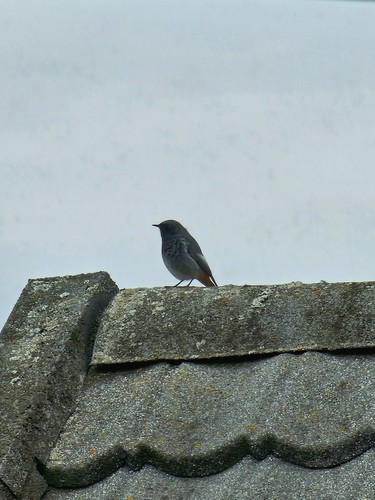
Black Redstart
13-14.5 cm (5.1-5.7 in) long, 23-26 cm wingspan
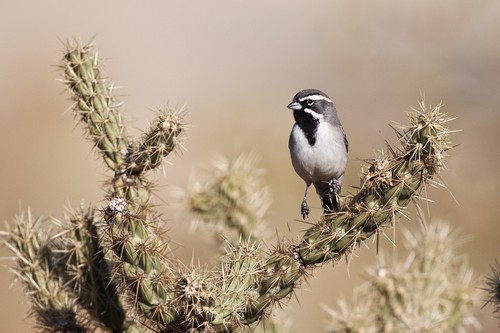
Black-throated Sparrow
12-14 cm (4.7-5.5 in) long, about 19-20 cm (7.5-8 in) wingspan
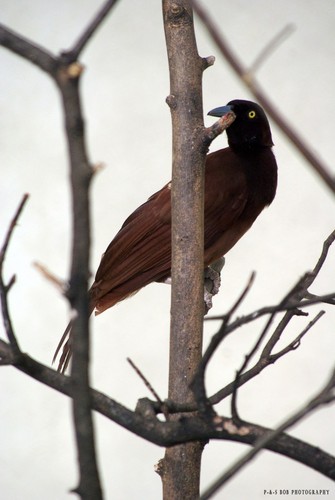
Greater Bird-of-paradise
Body about 43 cm; males with additional flank plumes up to 50 cm and long tail wires
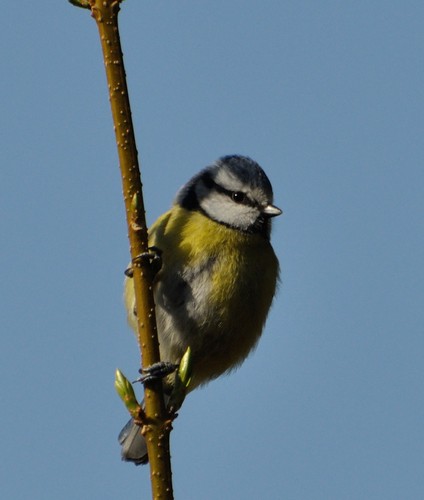
Blue Tit
11-12 cm (4.3-4.7 in) long, 17-20 cm wingspan
Red-billed Quelea
11.5–13 cm long, wingspan about 20–22 cm
White-plumed Antbird
13-14 cm (5-5.5 in) long
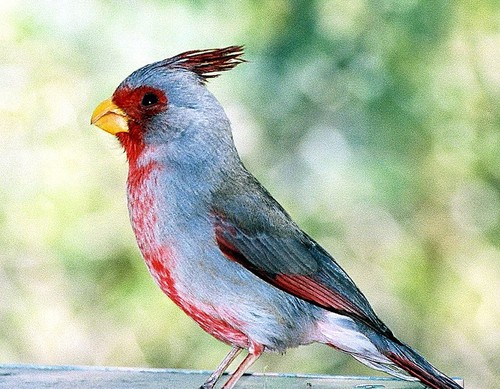
Pyrrhuloxia
19-22 cm (7.5-8.7 in) long, 30 cm wingspan
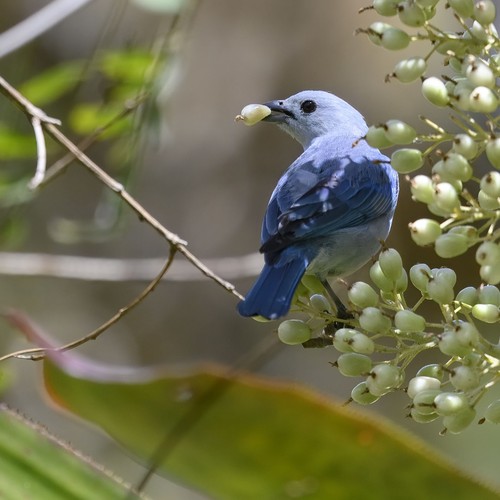
Blue-gray Tanager
16-18 cm (6-7 in) long
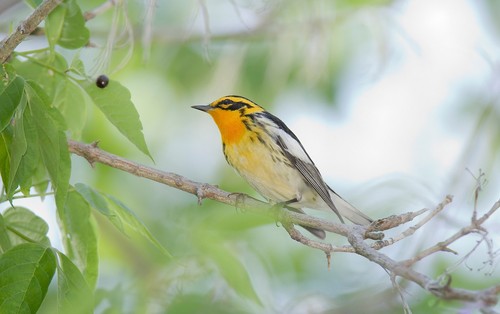
Blackburnian Warbler
11-13 cm (4.3-5.1 in) long, 20-22 cm wingspan
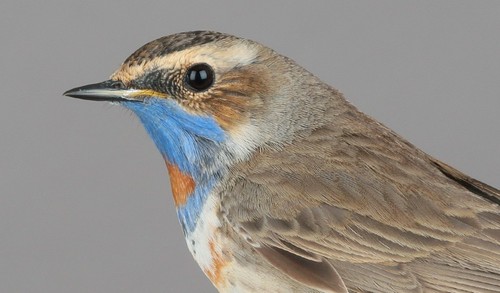
Bluethroat
13-14 cm (5.1-5.5 in) long, 20-22 cm wingspan
Eurasian Nuthatch
12-14.5 cm (4.7-5.7 in) long, 22.5-27 cm wingspan
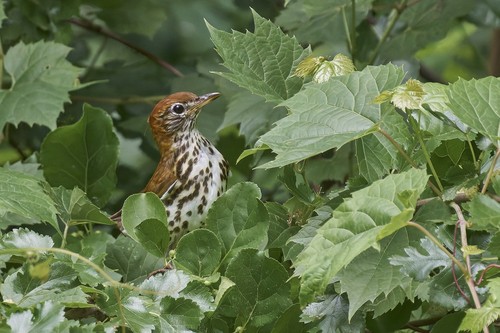
Wood Thrush
19-21 cm (7.5-8.3 in) long, about 33 cm (13 in) wingspan