
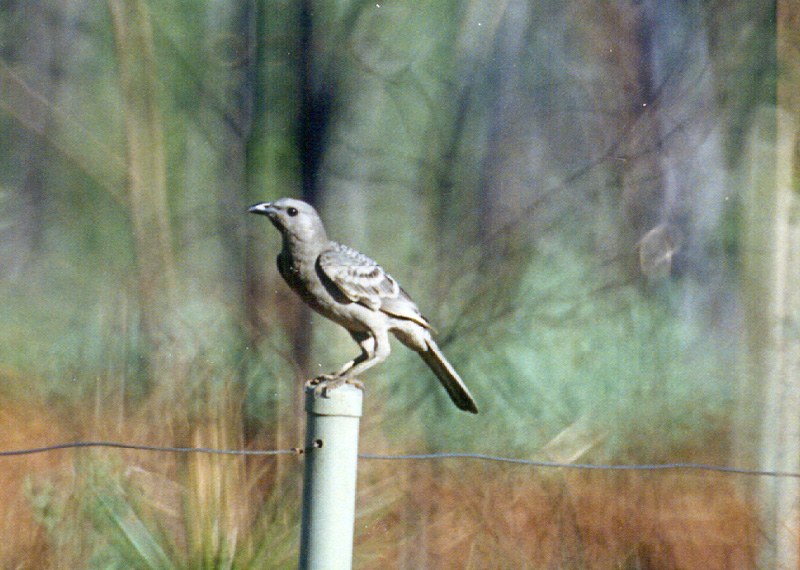
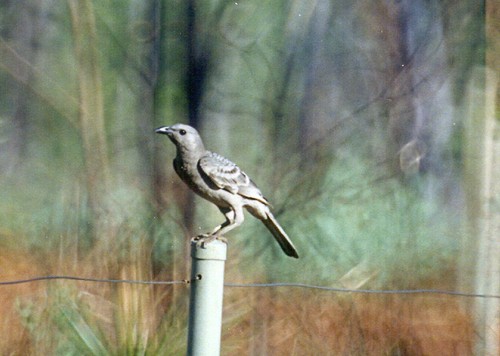
Great Bowerbird
Chlamydera nuchalis
The largest bowerbird species, plain grey-brown overall with a usually concealed lilac-pink nape crest, famed for building and decorating the largest avenue bowers of any bird.
- Size
- 34-38 cm (13.5-15 in) long
- Habitat
- open woodland, monsoon forest, and gardens
- Type
- songbird
Spotted a bird like this?
Identify any bird from a photo, free.
Overview
The Great Bowerbird is the largest member of the bowerbird family, with plain, well-camouflaged grey-brown plumage over most of the body, finely mottled on the back and wings. Both sexes carry a patch of lilac-pink feathers on the nape, though this crest is usually kept concealed and is only flashed briefly during courtship or aggressive displays, making the bird look deceptively plain most of the time.
Despite its subdued plumage, the male compensates with an extraordinary avenue-shaped bower, the largest built by any bowerbird species, which he decorates with carefully sorted piles of pale grey, white, and green objects such as bones, shells, stones, and glass, arranged with a keen eye for color grouping and even basic perspective tricks to appear more impressive to visiting females.
How to identify it
Key field marks
- Large size, the biggest bowerbird species
- Plain grey-brown, finely mottled plumage over most of the body
- Concealed lilac-pink crest on the nape, flashed only during display
- Builds an especially large stick avenue bower decorated with pale-colored objects
Similar species
- Spotted Bowerbird (drier inland regions) is smaller and more heavily spotted, with a less extensive range overlap.
- No other large bird in its northern Australian range shares the combination of plain grey-brown plumage with a hidden pink nape crest.
Habitat & range
Habitat
Inhabits open woodland, monsoon forest, vine thickets, and gardens, often near water.
Range
Widespread across northern Australia, from the Kimberley region of Western Australia across the Top End of the Northern Territory to Cape York and coastal Queensland.
Migration
Sedentary, remaining within an established home range year-round.
Behavior & voice
Behavior
Males spend extensive time building, maintaining, and meticulously arranging objects at their bower, often sorting decorations by color and size; the bower is used purely for courtship display, not as a nest.
Voice
A harsh, rasping, mechanical-sounding call and various chattering and hissing notes, especially around the bower.
Feeding
Feeds on fruit, insects, and seeds, foraging both in trees and on the ground.
Nesting
The female builds a simple, shallow cup nest of twigs in a tree or shrub, entirely separate from the male's display bower; lays 1-3 cream to pale brown eggs with darker markings.
Frequently asked questions
How big is a Great Bowerbird's bower?
It builds the largest avenue-shaped bower of any bowerbird species, a substantial structure of sticks that can be well over a meter long, decorated with carefully arranged pale-colored objects.
What is the pink patch on a Great Bowerbird's neck?
It is a crest of lilac-pink feathers on the nape that is normally kept hidden and only flashed briefly during courtship or aggressive displays.
Is the bower a nest?
No, the bower is used only for courtship display; the female builds a separate, simple nest elsewhere to raise the young alone.
Where does the Great Bowerbird live?
Across northern Australia, from the Kimberley in Western Australia to Cape York and coastal Queensland, in open woodland and monsoon forest.
Great Bowerbird guides
In-depth guides for identifying, finding, and understanding Great Bowerbird.
Other birds you may enjoy
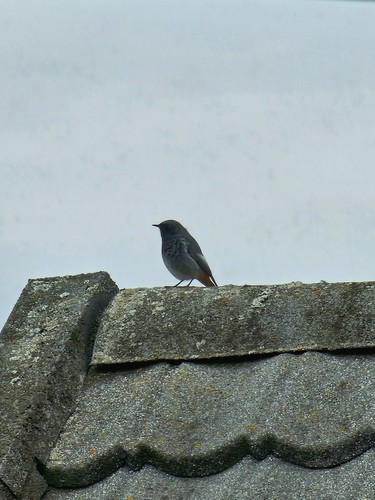
Black Redstart
13-14.5 cm (5.1-5.7 in) long, 23-26 cm wingspan
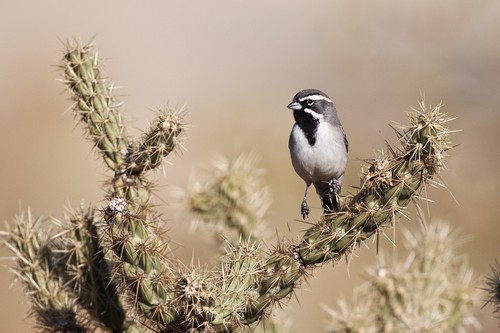
Black-throated Sparrow
12-14 cm (4.7-5.5 in) long, about 19-20 cm (7.5-8 in) wingspan
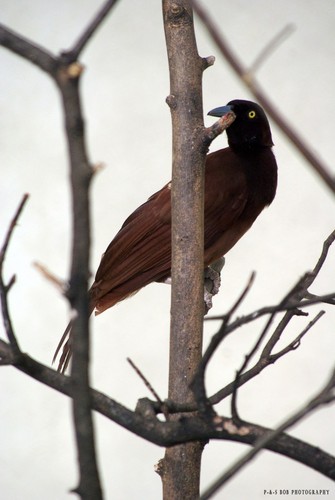
Greater Bird-of-paradise
Body about 43 cm; males with additional flank plumes up to 50 cm and long tail wires
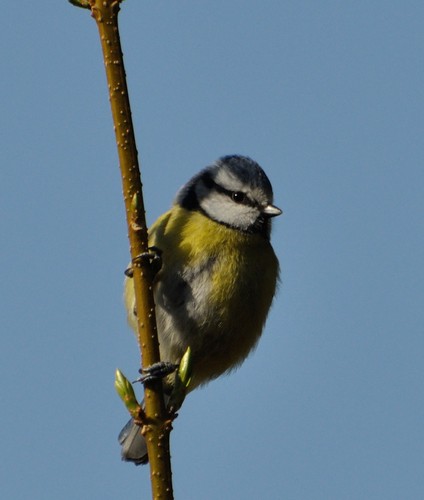
Blue Tit
11-12 cm (4.3-4.7 in) long, 17-20 cm wingspan
Red-billed Quelea
11.5–13 cm long, wingspan about 20–22 cm
White-plumed Antbird
13-14 cm (5-5.5 in) long
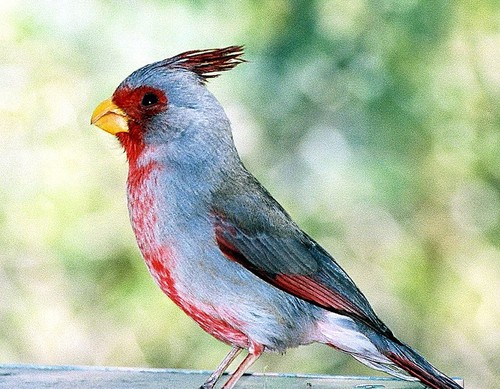
Pyrrhuloxia
19-22 cm (7.5-8.7 in) long, 30 cm wingspan
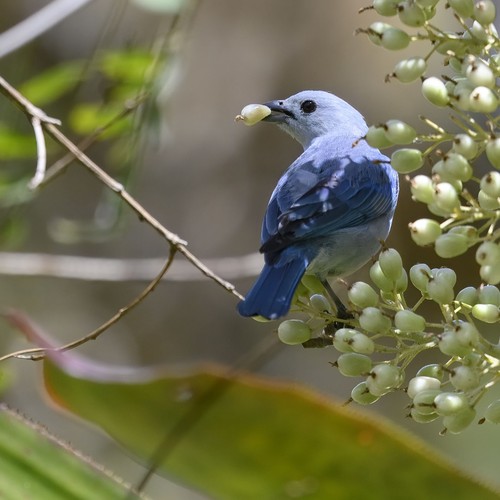
Blue-gray Tanager
16-18 cm (6-7 in) long
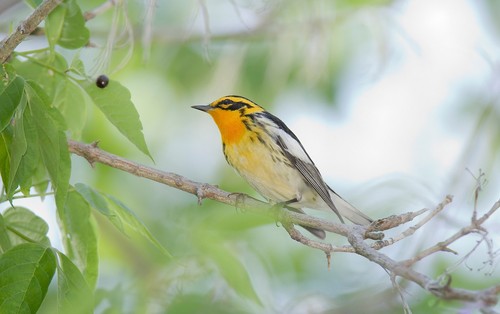
Blackburnian Warbler
11-13 cm (4.3-5.1 in) long, 20-22 cm wingspan
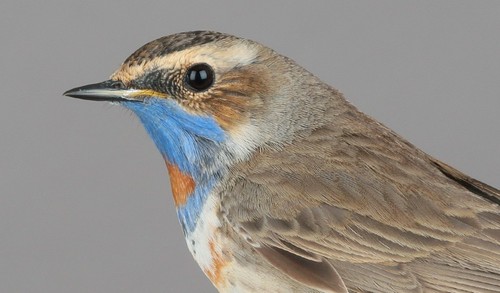
Bluethroat
13-14 cm (5.1-5.5 in) long, 20-22 cm wingspan
Eurasian Nuthatch
12-14.5 cm (4.7-5.7 in) long, 22.5-27 cm wingspan
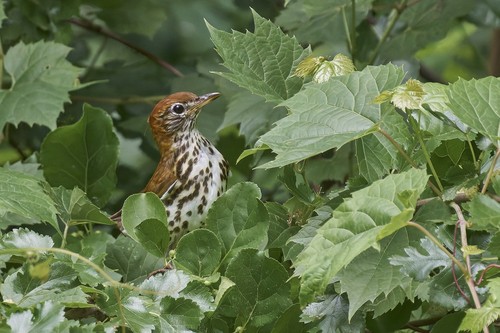
Wood Thrush
19-21 cm (7.5-8.3 in) long, about 33 cm (13 in) wingspan