
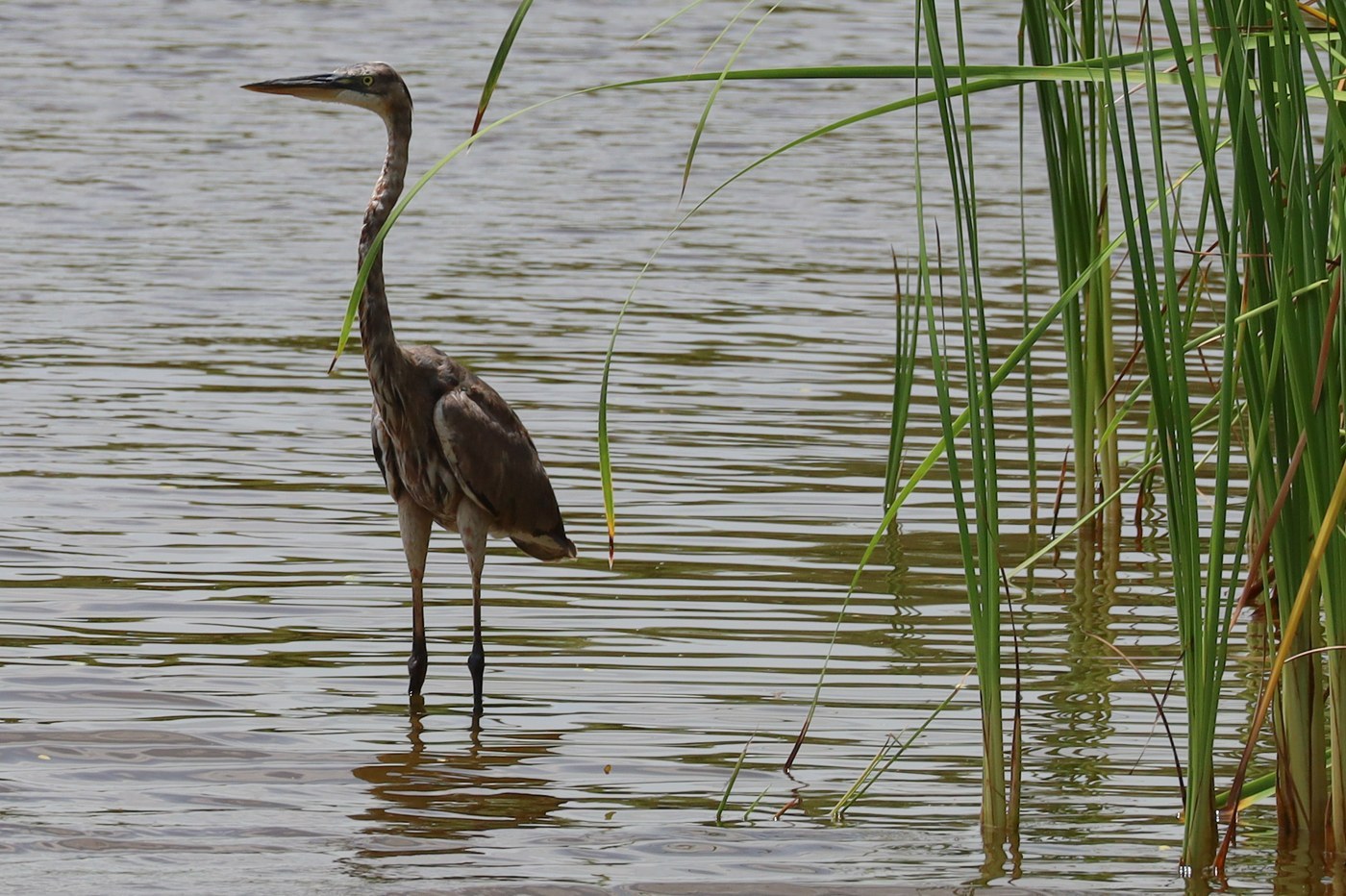
Great Blue Heron
Ardea herodias
North America's largest and most widespread heron, a tall blue-grey wading bird often seen standing motionless at the water's edge waiting to strike prey.
- Size
- 97-137 cm (38-54 in) long, 167-201 cm wingspan
- Habitat
- marshes, shorelines, lakes, rivers, and wetlands throughout North and Central America
- Type
- wading-bird
Spotted a bird like this?
Identify any bird from a photo, free.
Overview
The Great Blue Heron is a large, long-legged wading bird with slate-blue-grey plumage, a long S-curved neck, and a dagger-like yellow bill. Adults have a white face and crown with a black stripe extending into slender plumes trailing off the back of the head, and shaggy plumes drape from the neck and back during the breeding season.
Often mistaken at a distance for a crane, the Great Blue Heron is actually unrelated to true cranes; it can be distinguished in flight by its retracted, S-curved neck, whereas cranes fly with necks extended straight out.
How to identify it
Key field marks
- Very large size with slate-blue-grey overall plumage
- Long yellow bill and long, dark legs
- White crown with a black eye-stripe extending into trailing head plumes
- Neck folded into an S-shape in flight and at rest
Similar species
- Grey Heron: very similar but found in the Old World, with a slightly paler grey overall
- Sandhill Crane: superficially similar in size and shape but flies with neck extended, not curved, and lacks the heron's dagger bill shape
The S-curved neck in flight is the single most reliable feature separating herons like this species from cranes.
Habitat & range
Range and habitat
Great Blue Herons range across nearly all of North America and into Central America and the Caribbean, inhabiting freshwater and saltwater wetlands, marshes, lake and river shorelines, and coastal shallows.
Migration
Northern populations migrate south in winter to warmer coastal and inland wetlands, while populations in milder climates, including much of the southern United States and coastal areas, are largely year-round residents.
Behavior & voice
Behavior
Great Blue Herons typically hunt alone, standing motionless or wading slowly through shallow water before striking prey with a rapid thrust of the bill; they roost and nest colonially in large stick-nest colonies called heronries, often high in trees.
Voice
The call is a harsh, guttural croak or squawk, often given when the bird is startled into flight or during territorial disputes at the nest colony.
Feeding
They feed opportunistically on fish, frogs, small mammals, reptiles, and large insects, using a stealthy stalk-and-strike technique in shallow water or along shorelines.
Nesting and breeding
Great Blue Herons nest colonially, often with dozens to hundreds of pairs building large stick nests in trees near water; both parents incubate the two to six eggs and feed the chicks by regurgitation.
Frequently asked questions
Is a Great Blue Heron the same as a crane?
No, herons and cranes are unrelated; herons fly with their necks folded into an S-shape while cranes fly with necks fully extended.
What do Great Blue Herons eat?
They eat mainly fish, but also amphibians, small mammals, reptiles, and large insects, caught with a quick strike of the bill while wading or standing still.
Where do Great Blue Herons nest?
They nest colonially in large stick nests built high in trees near water, often in colonies called heronries containing many pairs.
Do Great Blue Herons migrate?
Northern populations migrate south for winter, but many herons in milder climates remain year-round residents.
How big is a Great Blue Heron?
It stands up to about 1.3 meters (4.5 feet) tall with a wingspan approaching 2 meters (6.5 feet), making it the largest heron in North America.
Great Blue Heron guides
In-depth guides for identifying, finding, and understanding Great Blue Heron.

Great Blue Heron identified by the community
Real birds identified with Bird Identifier.

Other birds you may enjoy
Demoiselle Crane
85-100 cm (33-39 in) long, 155-180 cm wingspan
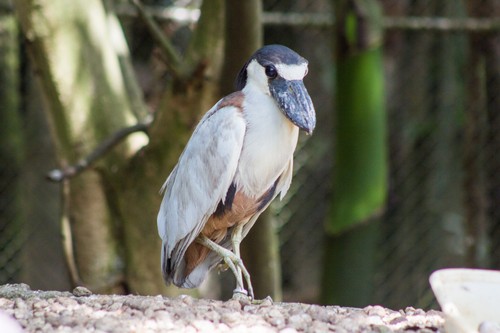
Boat-billed Heron
41-56 cm (16-22 in) long
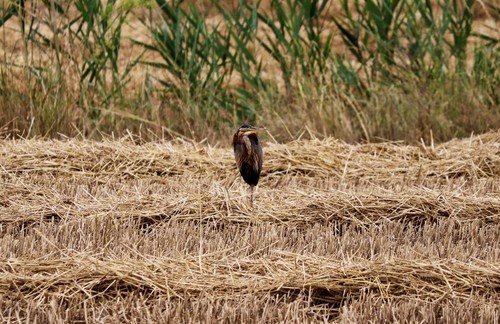
Purple Heron
78-90 cm (31-35 in) long, 120-152 cm wingspan
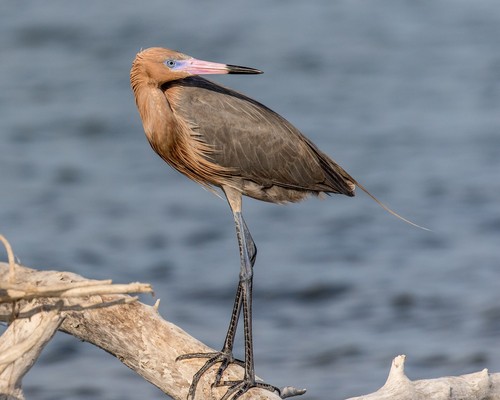
Reddish Egret
68-82 cm (27-32 in) long, 116-125 cm wingspan
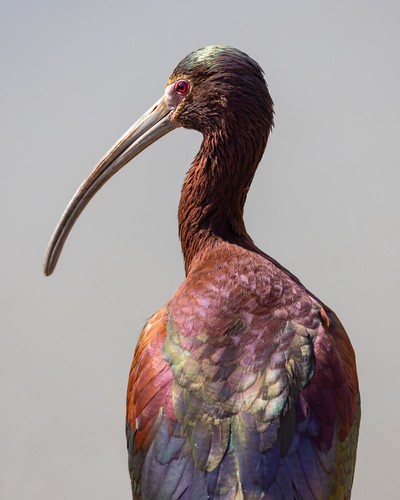
White-faced Ibis
46-56 cm (18-22 in) long, 88-93 cm wingspan
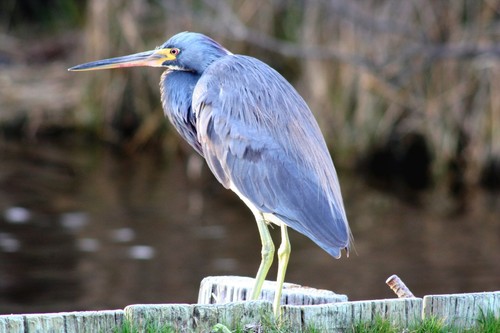
Tricolored Heron
61-76 cm (24-30 in) long, about 96 cm wingspan
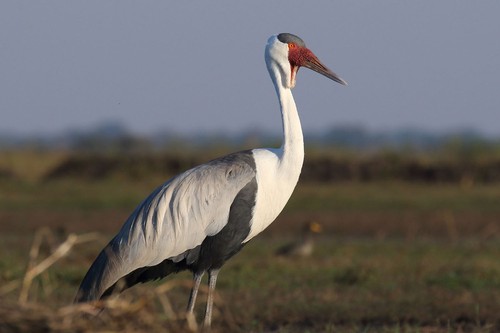
Wattled Crane
120-175 cm (47-69 in) tall, one of the tallest cranes, wingspan up to about 230 cm (7.5 ft)
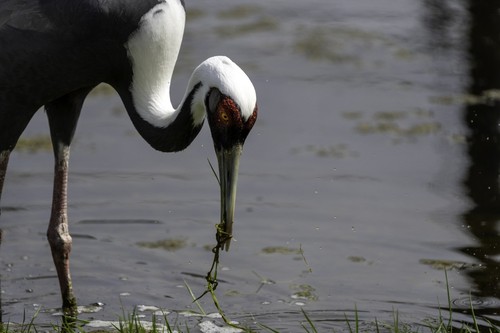
White-naped Crane
112-125 cm (44-49 in) long, 195-210 cm wingspan
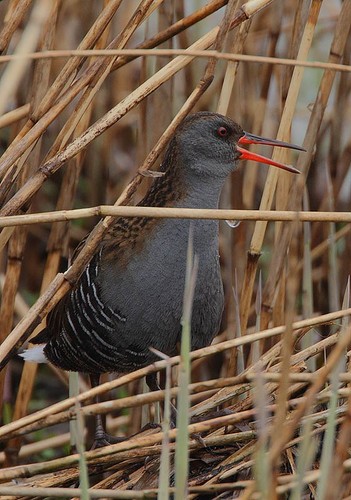
Water Rail
23-28 cm (9-11 in) long, wingspan 38-45 cm
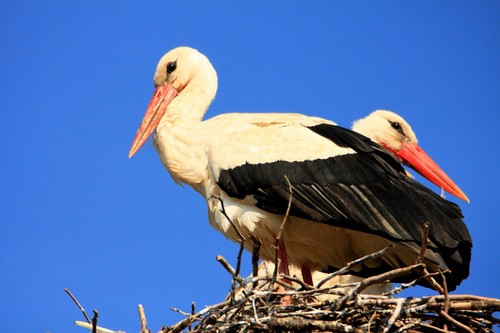
White Stork
100-125 cm (39-49 in) long, 155-215 cm wingspan
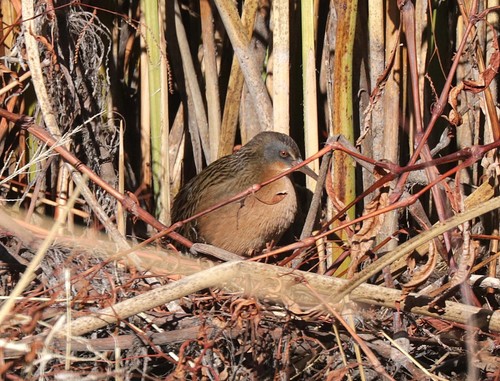
Virginia Rail
20-27 cm (8-11 in) long, wingspan 32-38 cm
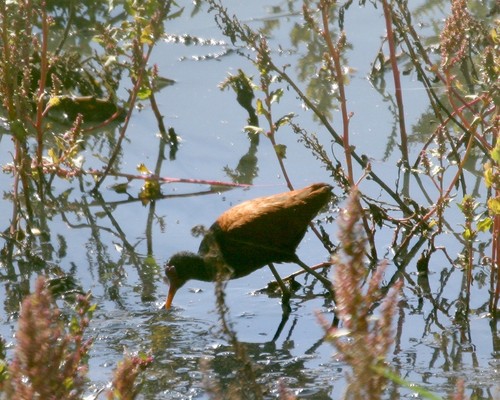
Wattled Jacana
17-23 cm (7-9 in) long