
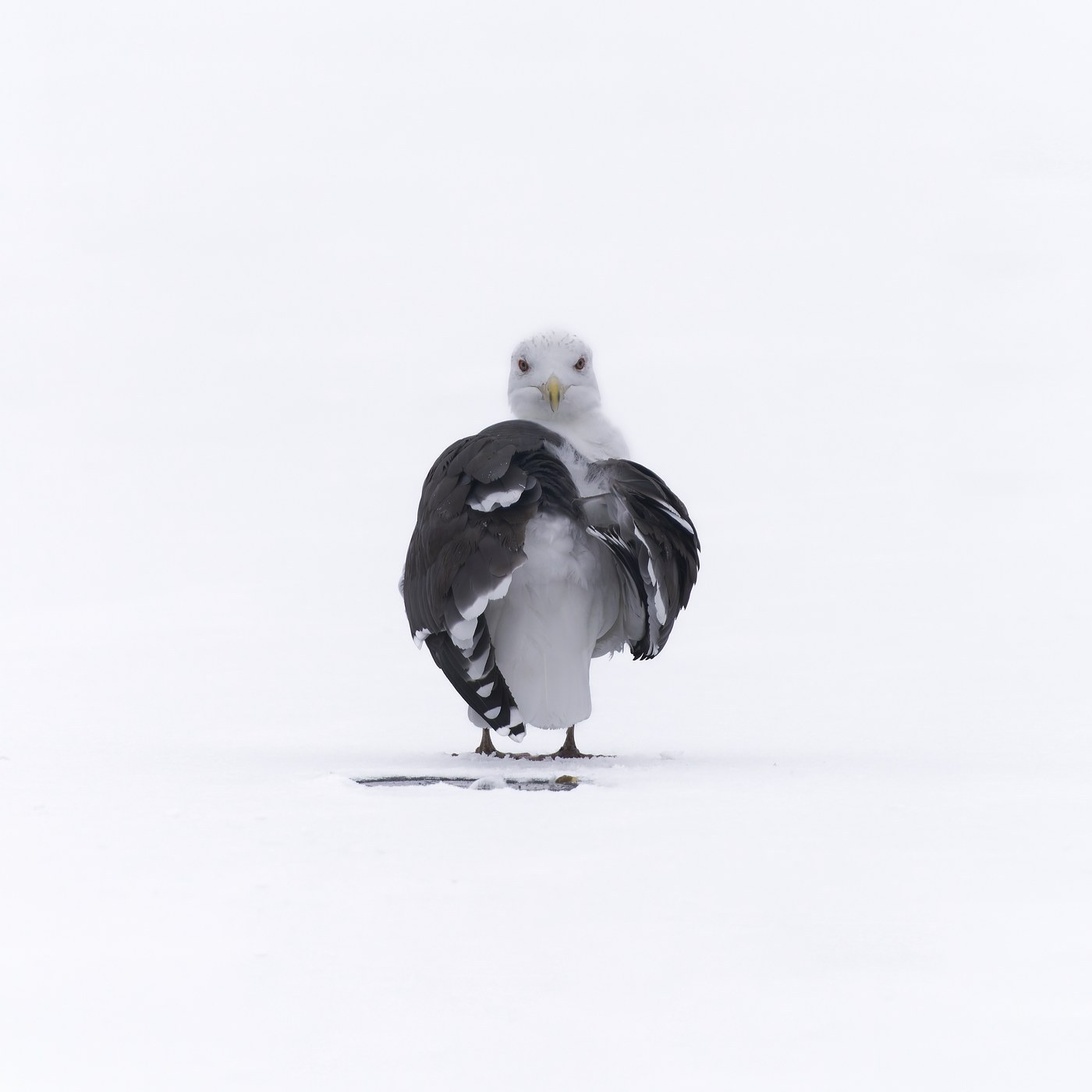
Great Black-backed Gull
Larus marinus
The largest gull in the world, an imposing, dark-backed predator of the North Atlantic coast that preys on other birds as readily as it scavenges.
- Size
- 61-79 cm (24-31 in) long, 144-170 cm wingspan
- Habitat
- coastal waters, beaches, and offshore islands of the North Atlantic
- Type
- seabird
Spotted a bird like this?
Identify any bird from a photo, free.
Overview
The Great Black-backed Gull is the largest gull species in the world, a powerful, imposing bird of North Atlantic coastlines with a commanding presence at any gathering of seabirds.
Adults have a very dark, blackish-slate mantle and upperwings — the darkest of the common black-backed gulls — contrasting sharply with a clean white head and body. The bill is massive and yellow with a red spot, and the legs are pink. Immature birds take about four years to acquire this striking adult plumage, passing through mottled brown stages similar to other large gulls.
How to identify it
Key field marks
- Very large size — the largest gull in the world
- Blackish-slate mantle and upperwings, darker than Herring or Lesser Black-backed Gull
- Massive, heavy yellow bill with a red spot
- Pink legs
- Powerful, bulky build with a large head
Similar species
- Lesser Black-backed Gull: smaller, with yellow (not pink) legs and a somewhat paler mantle in most populations.
- Herring Gull: notably smaller with a pale gray (not dark) mantle.
- Overall size and bulk, combined with the darkest mantle color among common large gulls, make adult Great Black-backed Gulls fairly straightforward to identify.
Habitat & range
Habitat
Great Black-backed Gulls inhabit rocky and sandy coastlines, offshore islands, harbors, and adjacent open water, generally staying closer to the coast than venturing far inland.
Range and migration
They breed along the coasts of the North Atlantic, including eastern North America from the Canadian Maritimes and New England south along the coast, as well as coastal Europe. Many populations are resident or make only short-distance movements, though some individuals move farther south along the coast in winter.
Behavior & voice
Behavior
Great Black-backed Gulls are dominant and aggressive at feeding sites, often displacing smaller gulls, and are notable among gulls for actively hunting and killing other birds, including smaller seabirds, ducklings, and even adult birds up to the size of small waterfowl.
Voice
Calls include a deep, gruff "laughing" call, lower-pitched than that of the Herring Gull, reflecting the species' larger size.
Feeding
Their diet is broad and often predatory, including fish, other birds and their eggs and chicks, carrion, and refuse; they are capable of killing prey as large as other adult gulls and are frequent scavengers at fishing boats and landfills.
Nesting and breeding
They nest in loose colonies or as isolated pairs on coastal cliffs, offshore islands, and dunes; both parents share incubation of the typically three-egg clutch and defend the nest aggressively against intruders, including other gulls.
Frequently asked questions
Is the Great Black-backed Gull really the largest gull in the world?
Yes, it holds that distinction, being notably larger and heavier than the Herring Gull and other common large gulls.
Does the Great Black-backed Gull really prey on other birds?
Yes, it is a capable predator that hunts and kills other seabirds, ducklings, and even adult birds up to the size of small waterfowl, in addition to scavenging.
How do you tell a Great Black-backed Gull from a Lesser Black-backed Gull?
Great Black-backed is notably larger with pink legs and a darker mantle, while Lesser Black-backed is smaller with yellow legs.
Where does the Great Black-backed Gull live?
Along the coasts of the North Atlantic, including eastern North America and coastal Europe, nesting on cliffs, islands, and dunes.
What does a Great Black-backed Gull eat?
A broad, often predatory diet including fish, other birds, eggs, carrion, and refuse.
Great Black-backed Gull guides
In-depth guides for identifying, finding, and understanding Great Black-backed Gull.
Other birds you may enjoy
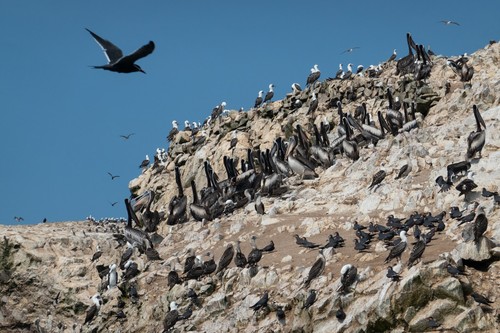
Peruvian Pelican
137-152 cm (54-60 in) long, up to 228 cm wingspan
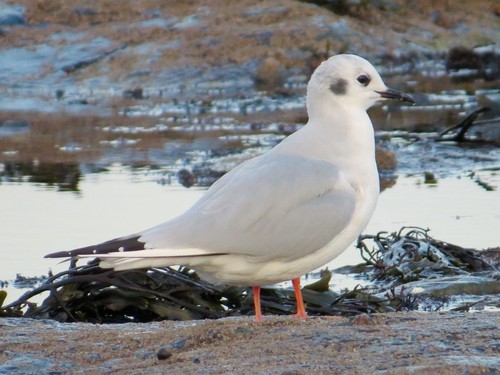
Bonaparte's Gull
28-33 cm (11-13 in) long, 76-84 cm wingspan
Brown Pelican
106-137 cm (42-54 in) long, 200-230 cm wingspan
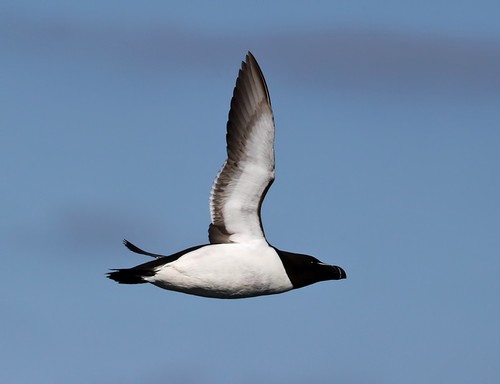
Razorbill
37-39 cm (15-15.5 in) long, 63-68 cm wingspan
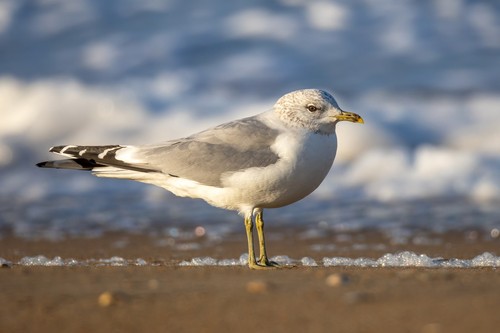
Common Gull
40-46 cm (16-18 in) long, 110-130 cm wingspan
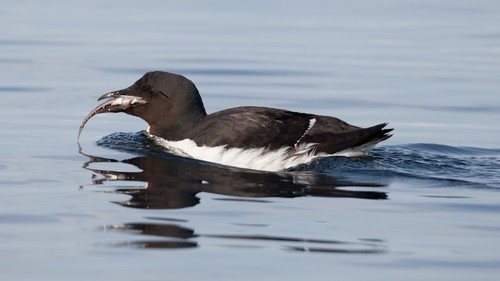
Thick-billed Murre
40-48 cm (16-19 in) long, 65-75 cm wingspan
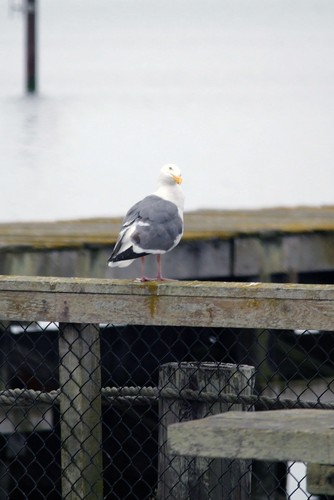
Western Gull
55-68 cm (22-27 in) long, 130-144 cm wingspan
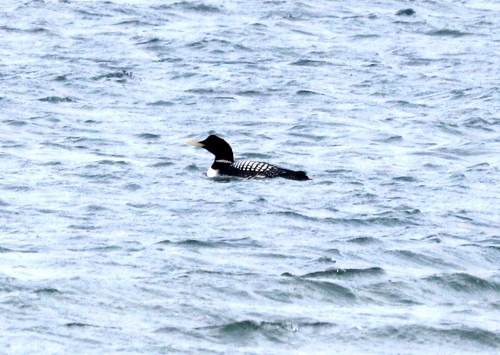
Yellow-billed Loon
76-97 cm (30-38 in) long, 135-152 cm wingspan
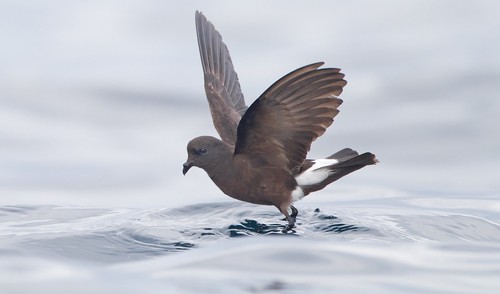
Wilson's Storm-Petrel
15-19 cm (6-7.5 in) long, wingspan 38-42 cm (15-16.5 in)
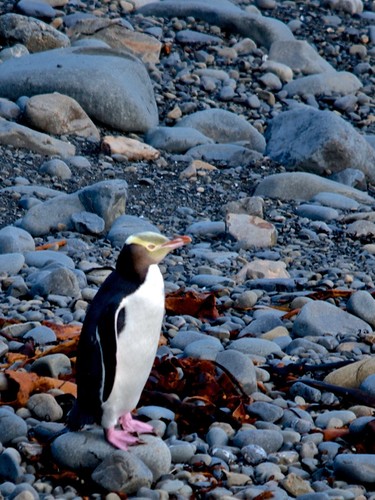
Yellow-eyed Penguin
62-79 cm (24-31 in) tall, 3-8.5 kg (6.6-18.7 lb)
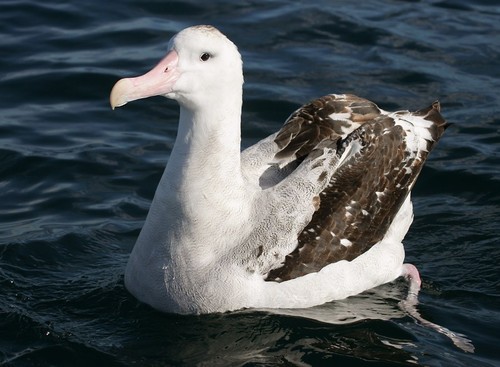
Wandering Albatross
107-135 cm (42-53 in) long, wingspan up to 3.5 m (11.5 ft)
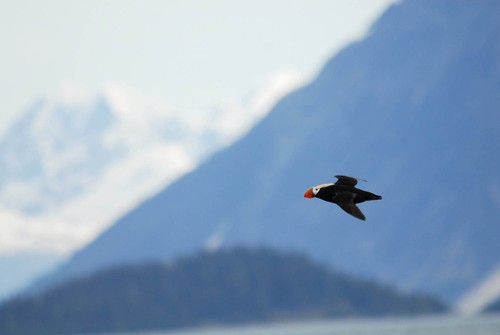
Tufted Puffin
35-41 cm (14-16 in) long, about 63-70 cm wingspan