
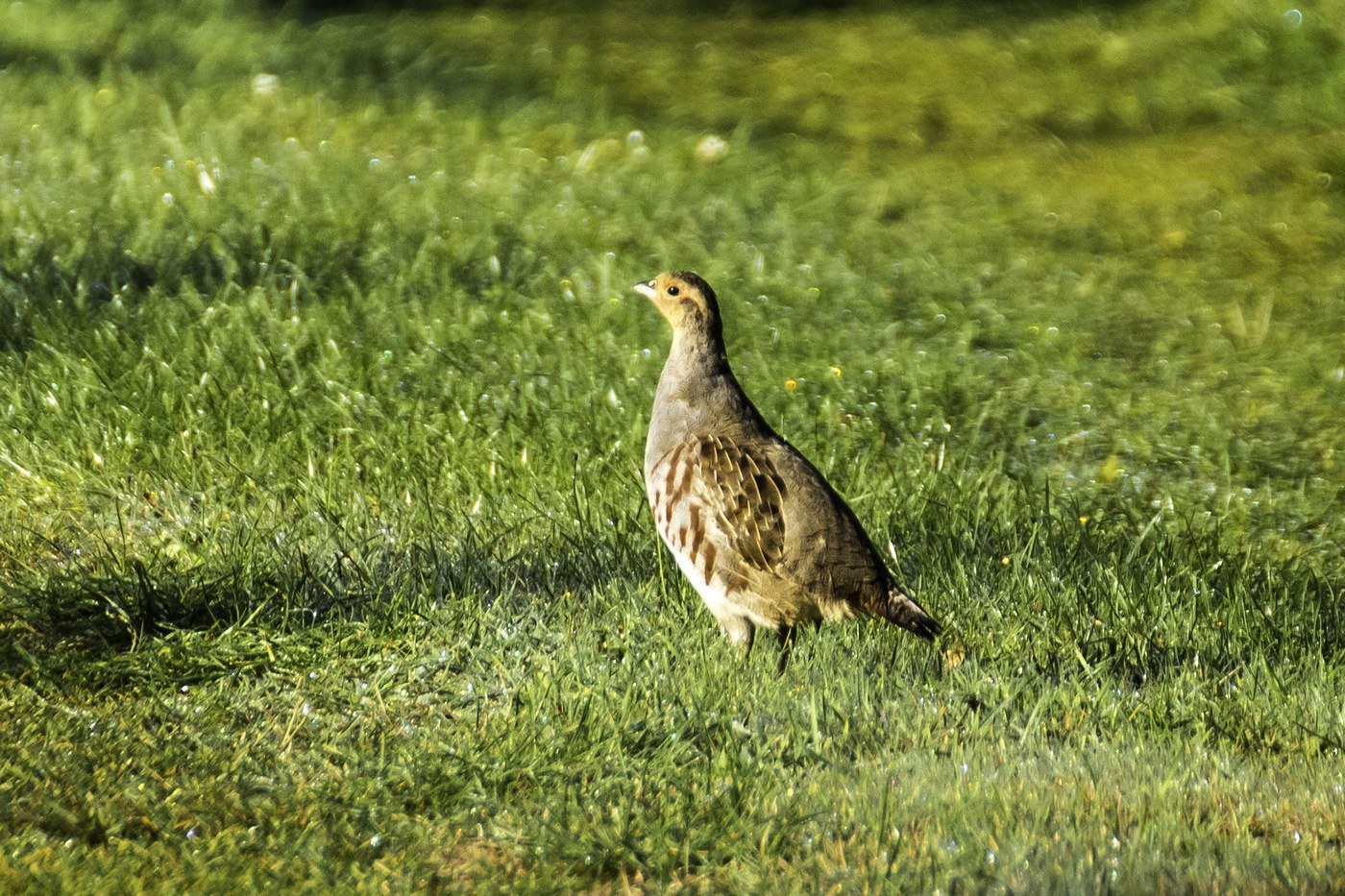
Gray Partridge
Perdix perdix
A round, orange-faced European partridge introduced to North American farm country, best known as the 'Hun' among upland game hunters, with a chestnut horseshoe mark on the male's belly.
- Size
- 28-32 cm (11-12.5 in) long
- Habitat
- farmland, grasslands, and hedgerows
- Type
- gamebird
Spotted a bird like this?
Identify any bird from a photo, free.
Overview
The Gray Partridge is a plump, round-bodied partridge native to Europe and Asia, introduced to North America in the early 1900s and now established as a farmland resident across parts of the northern United States and southern Canada. It has an overall soft gray-brown body with fine vermiculated (wavy-lined) patterning, a warm orange-buff face and throat, and, in most males, a distinctive dark chestnut horseshoe-shaped patch on the belly.
How to identify it
Key field marks
- Plump, round body with soft gray plumage and fine vermiculated patterning
- Orange-buff face and throat contrasting with the gray body
- Male often shows a chestnut, horseshoe-shaped patch on the lower breast/belly
- Rich chestnut bars along the flanks
Similar species
Chukar has a bold black facial necklace and barred flanks rather than an orange face and horseshoe belly mark. Northern Bobwhite (a native species in similar farmland habitat further south and east) is smaller with a distinct black-and-white or buff-and-brown striped head pattern.
Habitat & range
Habitat and Range
Gray Partridge favor open farmland, grassy field margins, hedgerows, and cereal-grain agricultural landscapes, requiring a mix of nesting cover and open feeding areas.
Range
Native to Europe and temperate Asia, the species was introduced to North America and is now established in parts of the northern Great Plains, the Great Lakes region, and southern Canada, particularly in agricultural landscapes.
Migration
Gray Partridge are non-migratory, remaining year-round within a relatively small home range, though coveys may move short distances to find winter food and shelter.
Behavior & voice
Behavior
Gray Partridge form tight family coveys that stay together through fall and winter, roosting in a distinctive circular formation on the ground with heads facing outward for predator vigilance.
Voice
The common call is a harsh, grating, repeated "kee-ah" or creaking note, often given at dawn and dusk, quite different from the whistled calls of quail.
Feeding
They feed on the ground on seeds, waste grain, and green leaves, with insects especially important for chicks in their first weeks of life.
Nesting and breeding
Pairs are monogamous, and the female nests on the ground in dense grass or field-edge cover, laying a large clutch, often 15-19 eggs, one of the largest clutch sizes of any gamebird.
Frequently asked questions
Is the Gray Partridge native to North America?
No, it is native to Europe and Asia and was introduced to North America in the early 20th century; it is now established in farmland across parts of the northern US and southern Canada.
Why is the Gray Partridge called a 'Hun'?
The nickname comes from its other common name, Hungarian Partridge, a reference to stock originally imported from Hungary.
How do Gray Partridge roost at night?
Coveys roost together on the ground in a tight circular formation with all birds facing outward, which helps them detect approaching predators from any direction.
What does a male Gray Partridge look like?
It has soft gray, finely patterned body plumage, an orange-buff face and throat, chestnut-barred flanks, and typically a dark chestnut horseshoe-shaped patch on the belly.
Gray Partridge guides
In-depth guides for identifying, finding, and understanding Gray Partridge.
Other birds you may enjoy
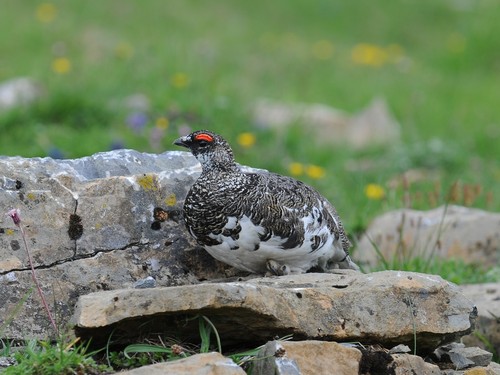
Rock Ptarmigan
34-36 cm (13-14 in) long
Congo Peafowl
Males about 64-70 cm long; females slightly smaller; no elaborate train
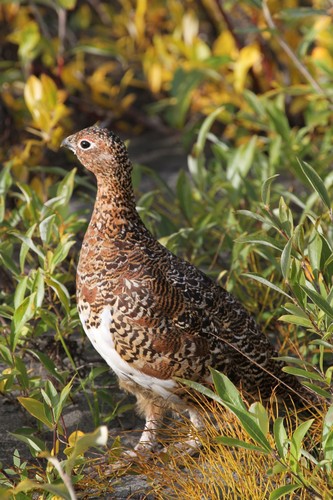
Willow Ptarmigan
37-42 cm (15-16.5 in) long
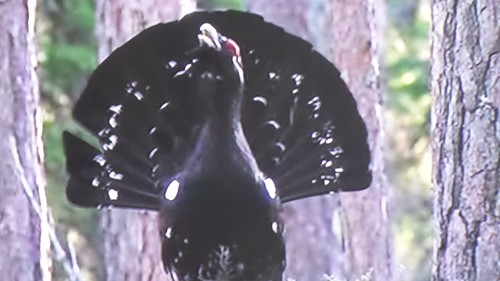
Western Capercaillie
male 74-90 cm (29-35 in), female 54-64 cm; male wingspan up to 125-130 cm
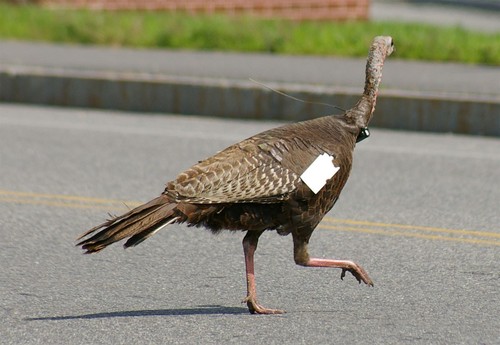
Wild Turkey
males 100-125 cm (39-49 in) long; females smaller, around 76-95 cm (30-37 in)
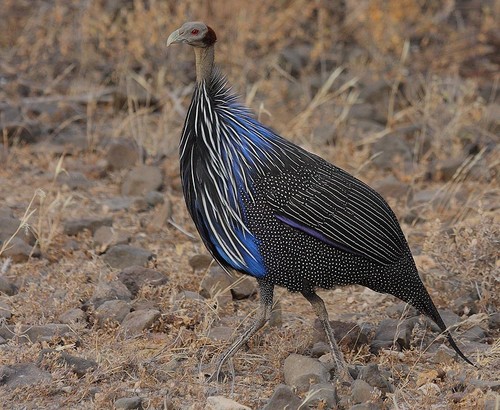
Vulturine Guineafowl
Length 61-71 cm, the largest guineafowl species, with a notably long neck and tail
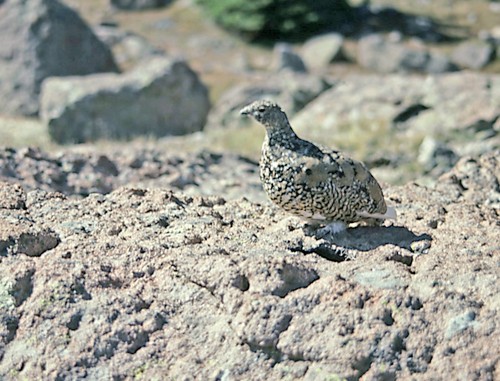
White-tailed Ptarmigan
30-33 cm (12-13 in) long; the smallest ptarmigan species
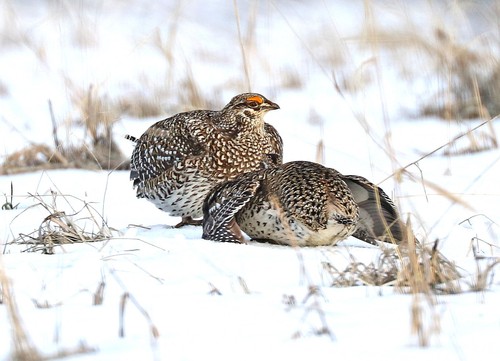
Sharp-tailed Grouse
38-48 cm (15-19 in) long
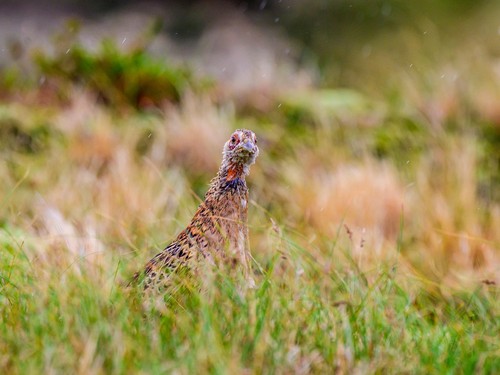
Ring-necked Pheasant
males 76-90 cm (30-35 in) long including a long tail; females smaller, 55-65 cm (22-26 in)
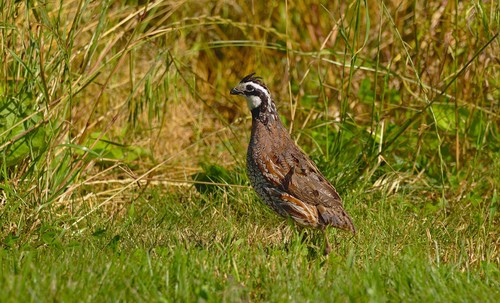
Northern Bobwhite
24-28 cm (9.5-11 in) long, 33-38 cm wingspan
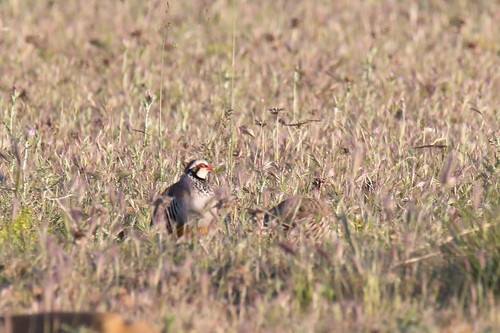
Red-legged Partridge
32-34 cm (13 in) long, 47-50 cm wingspan
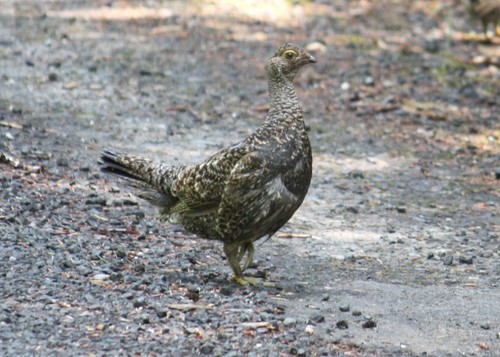
Sooty Grouse
43-48 cm (17-19 in) long; males larger than females