
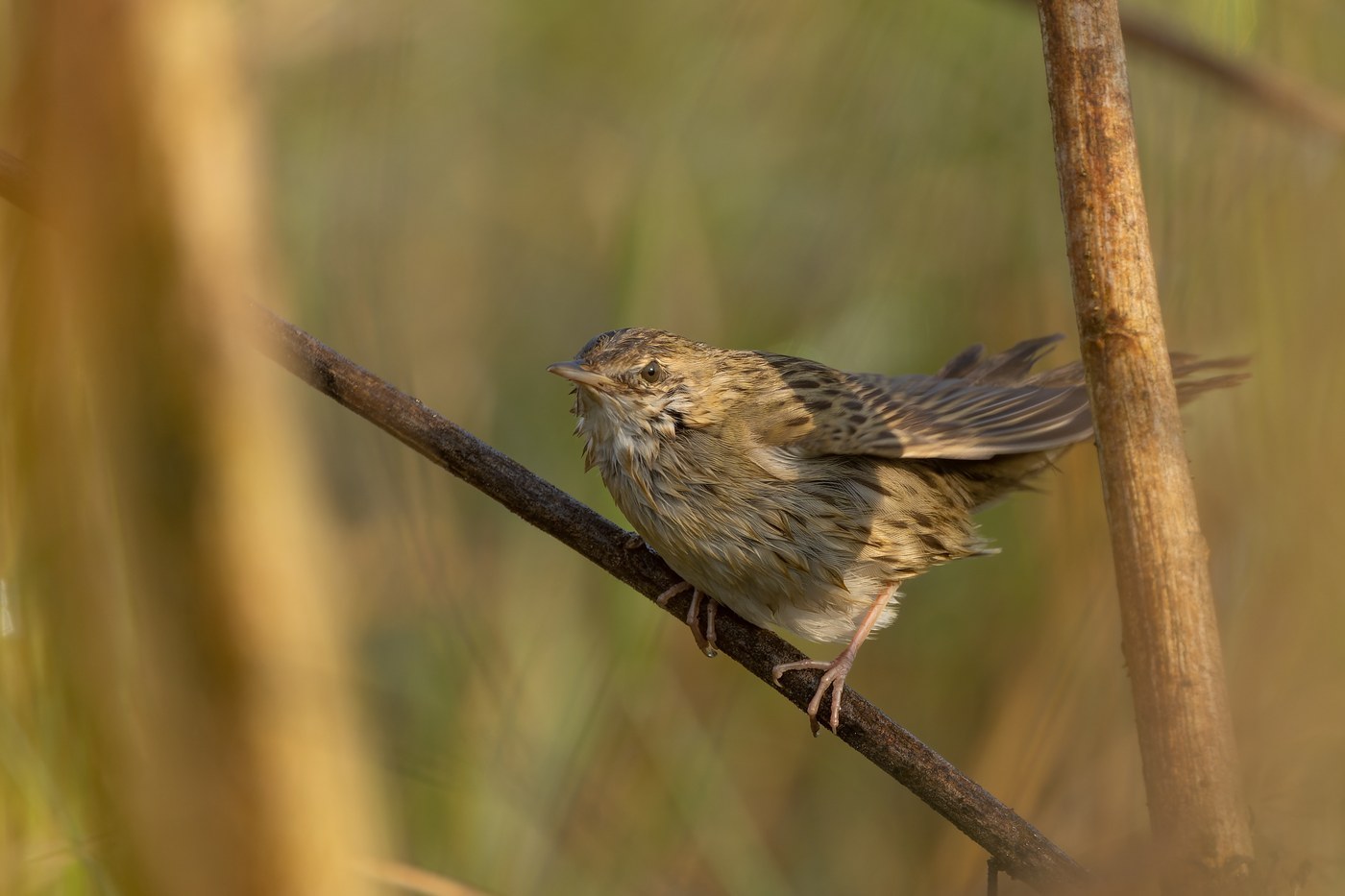
Grasshopper Warbler
Locustella naevia
An extremely secretive, streaked warbler best known for its bizarre, mechanical, insect-like reeling song, often compared to the sound of a fishing reel being cast.
- Size
- 12.5-13.5 cm (5-5.3 in) long, 15-19 cm wingspan
- Habitat
- scrubby grassland, young plantations, and wetland edges with dense low cover
- Type
- songbird
Spotted a bird like this?
Identify any bird from a photo, free.
Overview
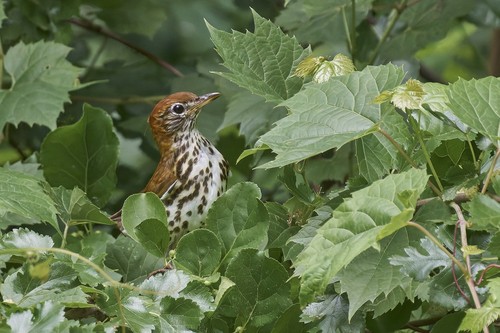
The Grasshopper Warbler is a small, heavily streaked, olive-brown warbler that is far more often heard than seen. Its plumage is finely streaked above and shows subtle streaking on the undertail coverts as well, with plain buffy underparts, and it moves in a low, mouse-like manner through dense vegetation, rarely coming into the open.
Its name refers not to its diet but to its extraordinary song: a continuous, high-pitched, mechanical reeling trill, remarkably insect-like and sustained for long periods, often likened to the sound of a fishing reel or an old-fashioned sewing machine.
Because it is so skulking and its ventriloquial song can be difficult to pinpoint, this is considered one of the more challenging European warblers to actually see well, even when clearly audible nearby.
How to identify it
Key field marks
- Finely streaked olive-brown upperparts
- Streaked undertail coverts, unusual among warblers
- Plain buffy underparts
- Rounded wings and a long, graduated tail
- Skulking, mouse-like movement through low, dense cover
Similar species
- Sedge Warbler: also streaked but shows a bold pale supercilium and an unstreaked rump, and gives a completely different scratchy, varied song rather than a mechanical reel.
- Savi's Warbler: closely related and similarly reeling in song, but plainer and unstreaked above, a rarer and more southerly/easterly species.
- Reed Warbler: plain, unstreaked upperparts, quite different from the heavily streaked Grasshopper Warbler.
Habitat & range
Grasshopper Warblers breed across much of Europe and into western Asia, favouring scrubby, tussocky grassland, young conifer plantations with dense ground cover, heathland edges, and wetland margins with thick low vegetation.
They are long-distance migrants, wintering in sub-Saharan Africa, and the species is highly sensitive to changes in vegetation structure, often shifting territories between years as habitat conditions change, for example as plantations mature and lose their dense ground cover.
Males sing from within low cover, sometimes turning their heads while singing, which can make the ventriloquial, reeling song even harder to pinpoint precisely.
Behavior & voice
Voice
The song is a remarkable, sustained, high-pitched mechanical reeling trill, often continuing unbroken for a minute or more, closely resembling the sound of a fishing reel being cast or an insect's stridulation, which gives the species its common name.
Feeding
Grasshopper Warblers glean insects and spiders from low vegetation and the ground, foraging in a furtive, mouse-like manner that keeps them largely hidden from view.
Nesting and breeding
The nest is a well-hidden cup built low in dense grass or scrub, often close to the ground. Clutches typically contain five to six eggs.
Frequently asked questions
Why is it called a Grasshopper Warbler?
The name comes from its extraordinary song, a continuous, high-pitched, mechanical reeling trill that closely resembles the stridulation of a grasshopper or cricket.
What does a Grasshopper Warbler look like?
It is a small, heavily streaked olive-brown warbler with streaked undertail coverts, plain buffy underparts, and a long, graduated tail, though it is more often heard than seen.
Why is the Grasshopper Warbler hard to see?
It moves in a furtive, mouse-like manner through dense low vegetation and rarely comes into the open, while its ventriloquial reeling song can make it hard to pinpoint even when clearly audible.
Where do Grasshopper Warblers migrate to?
They are long-distance migrants that winter in sub-Saharan Africa, returning to European breeding grounds in spring.
What habitat does the Grasshopper Warbler prefer?
It favours scrubby, tussocky grassland, young plantations with dense ground cover, and wetland margins with thick low vegetation.
Grasshopper Warbler guides
In-depth guides for identifying, finding, and understanding Grasshopper Warbler.
Other birds you may enjoy
Black Redstart
13-14.5 cm (5.1-5.7 in) long, 23-26 cm wingspan
Black-throated Sparrow
12-14 cm (4.7-5.5 in) long, about 19-20 cm (7.5-8 in) wingspan
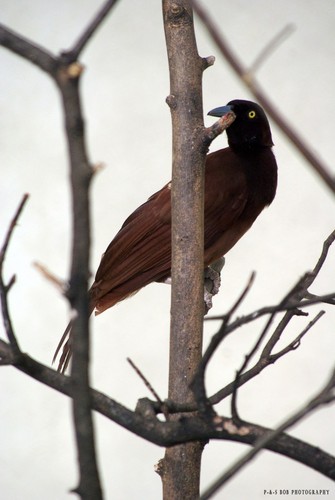
Greater Bird-of-paradise
Body about 43 cm; males with additional flank plumes up to 50 cm and long tail wires
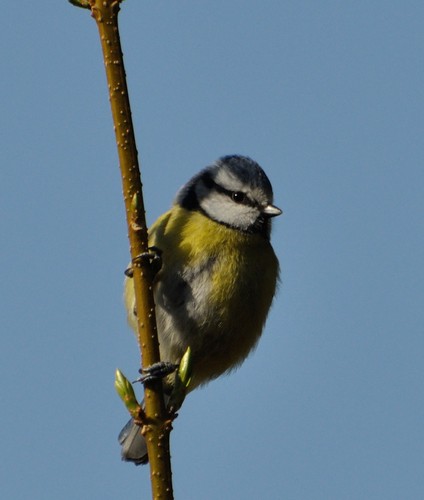
Blue Tit
11-12 cm (4.3-4.7 in) long, 17-20 cm wingspan
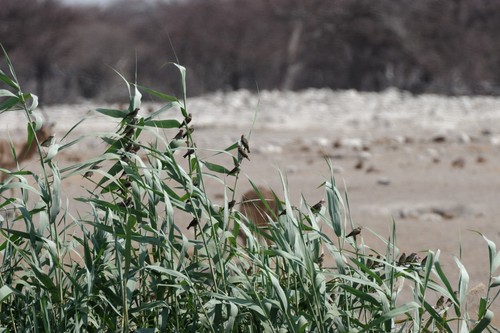
Red-billed Quelea
11.5–13 cm long, wingspan about 20–22 cm
White-plumed Antbird
13-14 cm (5-5.5 in) long
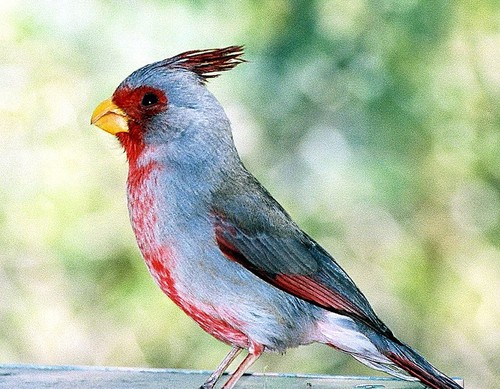
Pyrrhuloxia
19-22 cm (7.5-8.7 in) long, 30 cm wingspan
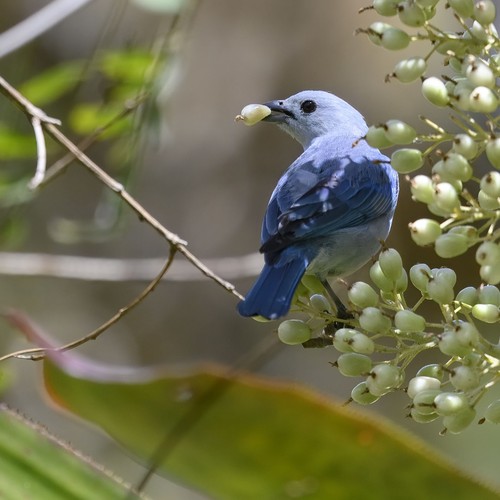
Blue-gray Tanager
16-18 cm (6-7 in) long
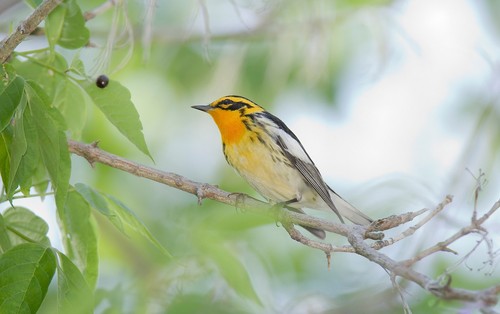
Blackburnian Warbler
11-13 cm (4.3-5.1 in) long, 20-22 cm wingspan
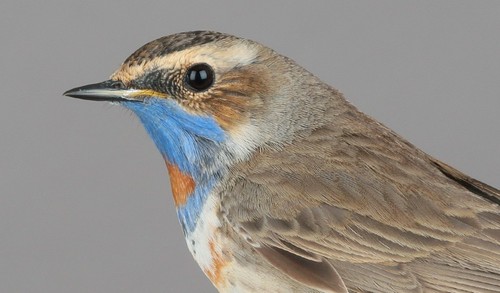
Bluethroat
13-14 cm (5.1-5.5 in) long, 20-22 cm wingspan
Eurasian Nuthatch
12-14.5 cm (4.7-5.7 in) long, 22.5-27 cm wingspan
Wood Thrush
19-21 cm (7.5-8.3 in) long, about 33 cm (13 in) wingspan