
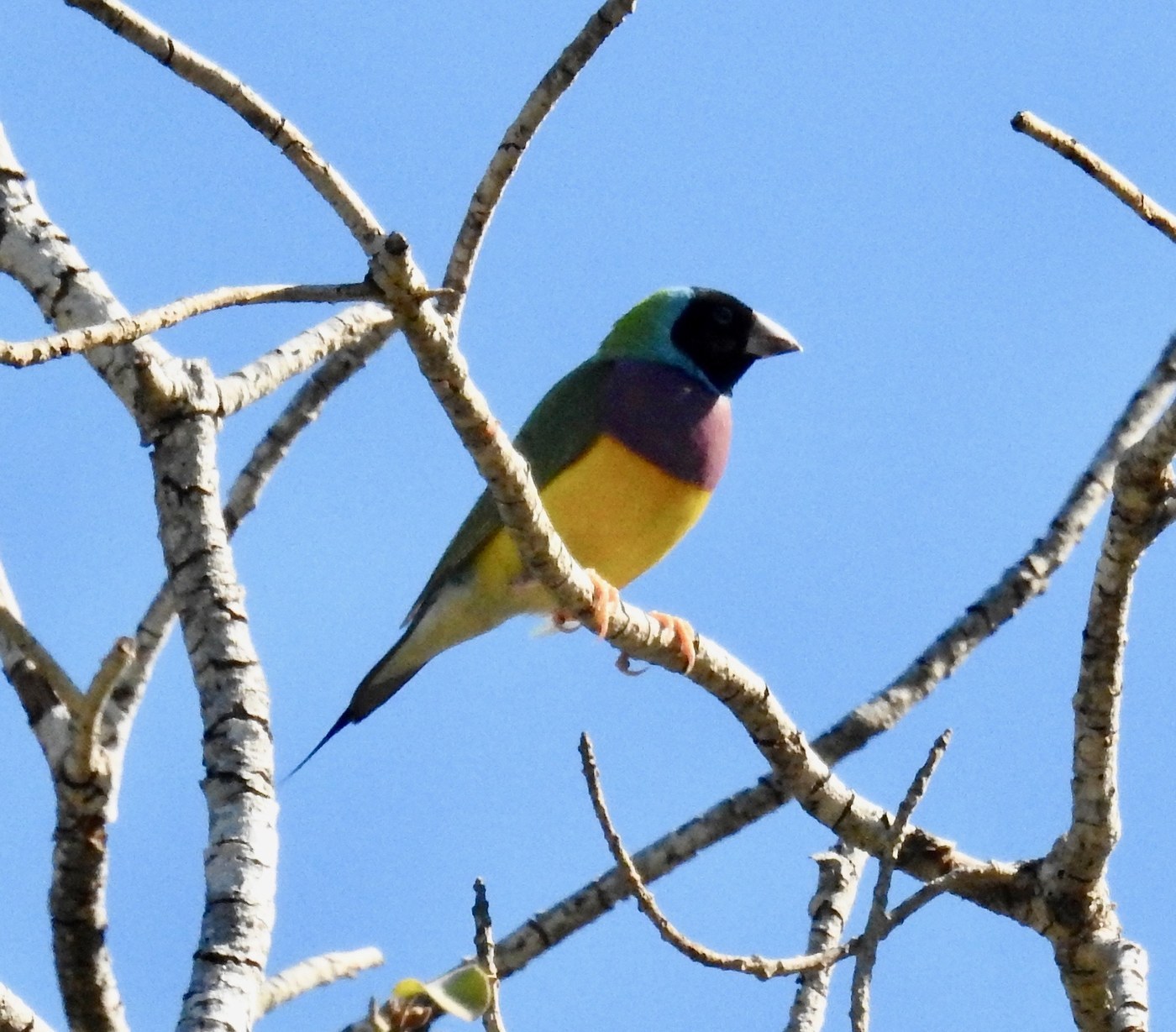
Gouldian Finch
Chloebia gouldiae
A small Australian grassland finch renowned for its extraordinarily vivid rainbow plumage of purple, yellow, green, and a red or black head.
- Size
- About 12–14 cm (4.7–5.5 in) long; small, compact, short-tailed finch
- Habitat
- Tropical savanna woodland and open grassland near permanent water in northern Australia
- Type
- songbird
Spotted a bird like this?
Identify any bird from a photo, free.
Overview
Overview
The Gouldian Finch is among the most vividly colored birds on Earth, native to the tropical savanna belt of far northern Australia. It is a small, short-tailed grass finch with a grass-green back and wings, a lilac-purple breast, and a bright yellow belly.
Plumage
The species is best known for its head color polymorphism: individuals occur with a black head, a red head, or (rarely) a yellow/orange head, all set against the same green-and-purple body. Both sexes show the same pattern, though females are slightly duller than males. Juveniles are dull olive-grey overall and lack the adult head colors until their first molt.
How to identify it
Field Marks
- Small finch with a stubby pale bill, green back and wings, purple chest, and yellow underparts
- Head is black, red, or (uncommonly) yellow, edged with a thin pale blue band separating it from the body color
- Adults have a fine hair-like extension to the central tail feathers, most visible in males
Similar Species
No other Australian finch combines this exact color combination, making adults essentially unmistakable. Duller, olive-grey juveniles can be confused with young grass finches of other species but usually associate with adult Gouldian Finches, which aids identification.
Habitat & range
Habitat & Range
Gouldian Finches inhabit open eucalypt savanna and tall-grass woodland across the far north of Australia, from the Kimberley region of Western Australia through the Top End of the Northern Territory to Cape York Peninsula in Queensland. They depend on a patchwork of habitats through the year: tall grasses for seeding food, sparse woodland with tree hollows for nesting, and permanent waterholes for drinking, especially through the long dry season.
The species is nomadic rather than truly migratory, moving locally in response to seed availability and water. Populations have contracted significantly from their historic range, and the bird is now most reliably found in a scatter of strongholds across the tropical north.
Behavior & voice
Behavior
Gouldian Finches are highly social, gathering in small to large flocks outside the breeding season, often mixing with other grass finch species at waterholes. Flight is fast and direct, typically low over grassland between feeding and drinking sites.
Voice
Calls are soft, high, wheezy contact notes and thin whistles; the song is a quiet, warbling series of notes, far less loud or complex than many other songbirds.
Feeding
Birds forage on the ground and on grass seed heads, taking ripening and fallen seeds of native sorghum grasses as a dietary staple, switching to insects when raising young.
Nesting & Breeding
Breeding follows the wet season when grass seed is abundant. Pairs nest in tree hollows, sometimes in old termite mounds or old nests of other hollow-using birds, laying clutches of four to eight white eggs that both parents incubate and tend.
Frequently asked questions
Why are Gouldian Finches so colorful?
Their plumage combines green, purple, yellow, and a black or red head as a natural color polymorphism; the different head colors are genetically determined variants within the same species.
Where do Gouldian Finches live in the wild?
They are found only in tropical savanna woodland across far northern Australia, from the Kimberley to Cape York.
Are Gouldian Finches endangered?
The species is classified as Near Threatened, having declined sharply from historic numbers due to habitat changes affecting its grassland food supply.
What do wild Gouldian Finches eat?
They feed mainly on the seeds of native grasses, particularly sorghum, supplementing with insects during the breeding season.
How can you tell male and female Gouldian Finches apart?
Males and females share the same head-color pattern, but females typically show duller, less saturated purple and green tones than males.
Gouldian Finch guides
In-depth guides for identifying, finding, and understanding Gouldian Finch.
Other birds you may enjoy
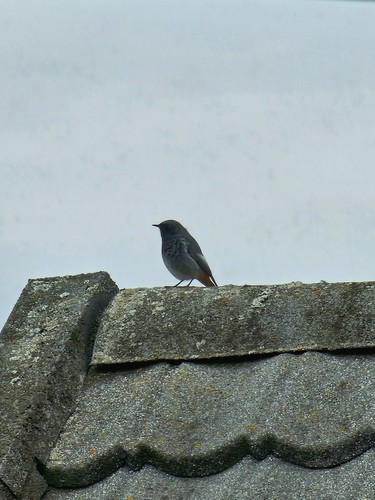
Black Redstart
13-14.5 cm (5.1-5.7 in) long, 23-26 cm wingspan
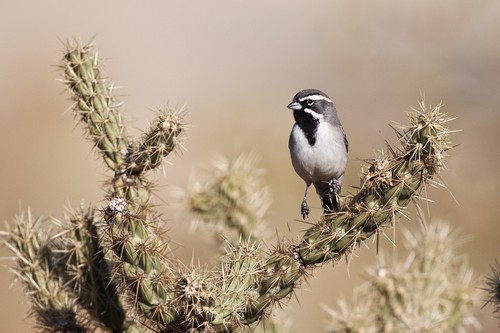
Black-throated Sparrow
12-14 cm (4.7-5.5 in) long, about 19-20 cm (7.5-8 in) wingspan
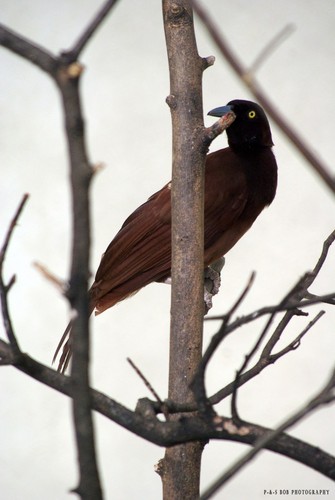
Greater Bird-of-paradise
Body about 43 cm; males with additional flank plumes up to 50 cm and long tail wires
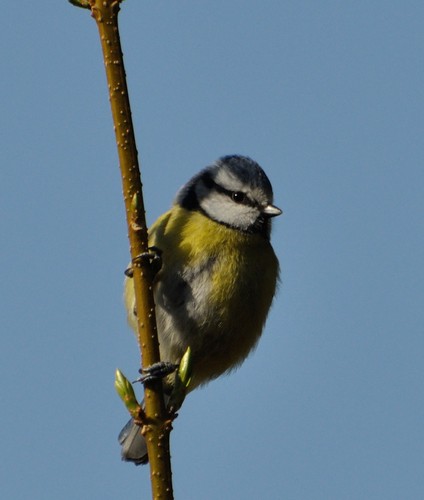
Blue Tit
11-12 cm (4.3-4.7 in) long, 17-20 cm wingspan
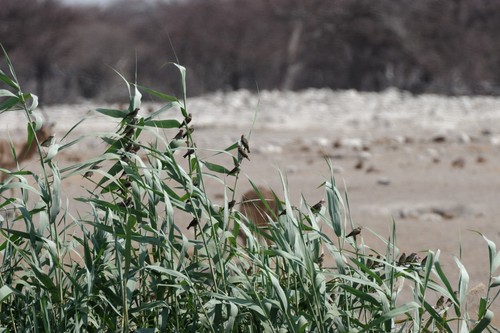
Red-billed Quelea
11.5–13 cm long, wingspan about 20–22 cm
White-plumed Antbird
13-14 cm (5-5.5 in) long
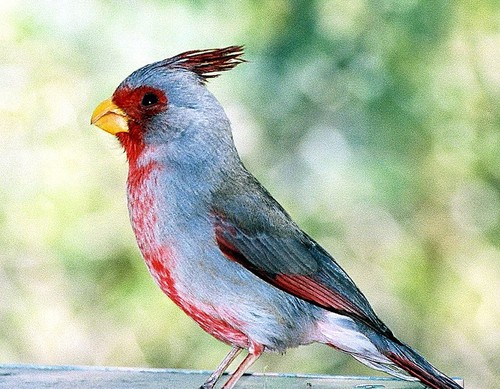
Pyrrhuloxia
19-22 cm (7.5-8.7 in) long, 30 cm wingspan
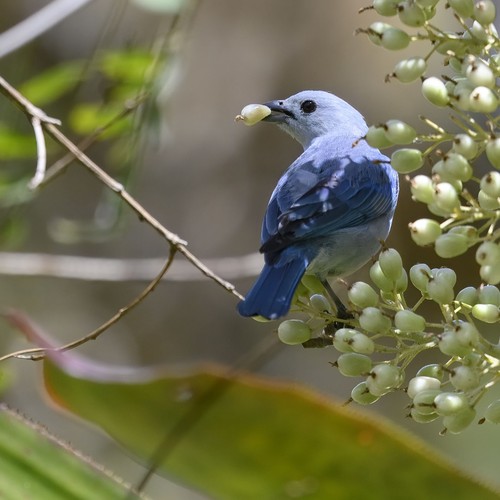
Blue-gray Tanager
16-18 cm (6-7 in) long
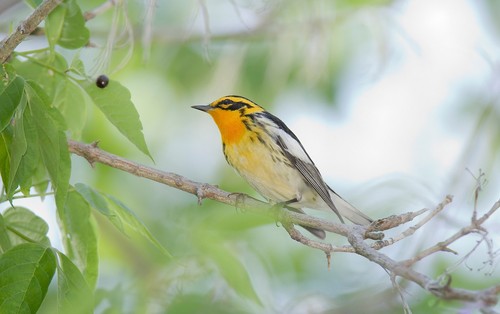
Blackburnian Warbler
11-13 cm (4.3-5.1 in) long, 20-22 cm wingspan
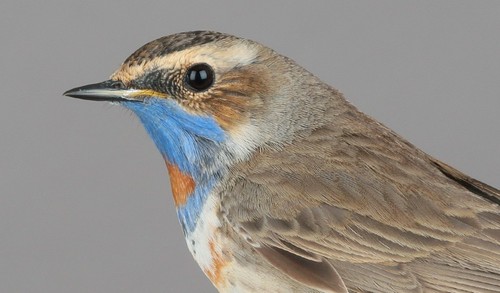
Bluethroat
13-14 cm (5.1-5.5 in) long, 20-22 cm wingspan
Eurasian Nuthatch
12-14.5 cm (4.7-5.7 in) long, 22.5-27 cm wingspan
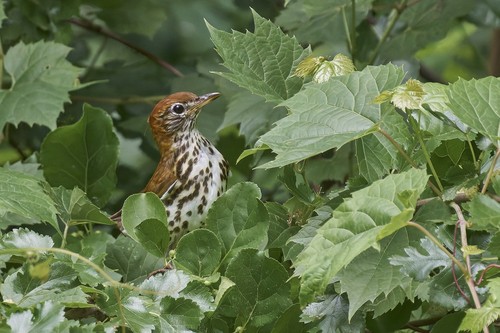
Wood Thrush
19-21 cm (7.5-8.3 in) long, about 33 cm (13 in) wingspan