
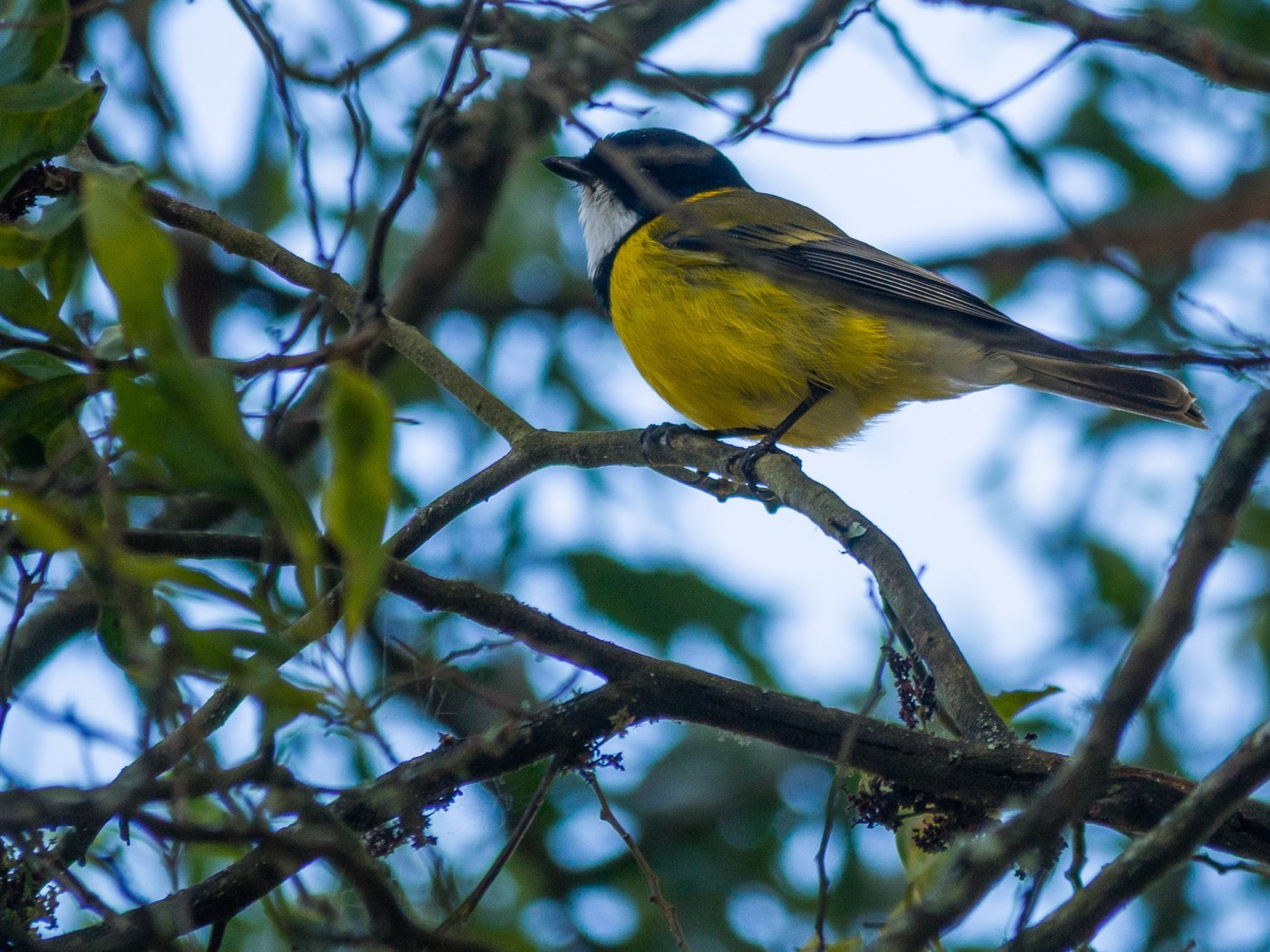
Golden Whistler
Pachycephala pectoralis
A striking, stocky songbird whose males wear a bold black, white, and golden-yellow pattern and deliver a loud, ringing whistled song.
- Size
- 16-18 cm (6-7 in) long
- Habitat
- forests, woodlands, and dense scrub across Australia
- Type
- songbird
Spotted a bird like this?
Identify any bird from a photo, free.
Overview
The Golden Whistler is a compact, big-headed songbird notable for the striking plumage of the male, which combines a black head and breast band, a white throat, and a rich golden-yellow collar, breast, and underparts, set off by olive-green upperparts. Females and immatures are far more subdued, in soft grey-olive tones with pale underparts, making the sexes strikingly different in appearance.
Despite the male's bold colours, Golden Whistlers can be surprisingly inconspicuous, often remaining within foliage in the forest mid-storey or canopy, and are frequently detected first by their loud, ringing song rather than sight. The species shows considerable geographic variation across its very wide range spanning Australia and numerous Pacific islands, with many recognised subspecies differing somewhat in plumage details.
As one of the most widely distributed whistler species, the Golden Whistler is a familiar and much-admired bird of forests and woodlands across much of Australia, valued by birdwatchers for both its beauty and its powerful voice.
How to identify it
Key field marks
- Male: black head and breast band, white throat, golden-yellow collar and underparts, olive-green back
- Female: plain grey-olive upperparts, paler grey-buff underparts, lacking bold markings
- Stocky build with a rounded head and short, strong bill
- Loud, ringing whistled song often ending in an emphatic final note
Similar species
The male Rufous Whistler has a rufous rather than golden-yellow breast and lacks the sharply demarcated black breast band of the Golden Whistler. Female whistlers of different species are notoriously similar and can be difficult to separate without reference to habitat, range, and accompanying males, but the Golden Whistler female tends to show a slightly warmer olive tone than the greyer Rufous Whistler female.
Habitat & range
Habitat
Golden Whistlers occupy a wide range of wooded habitats, including rainforest, wet and dry eucalypt forest, woodland, and dense coastal scrub, generally favouring areas with a well-developed shrub or mid-storey layer.
Range
The species is widespread across eastern, southeastern, and southwestern Australia and Tasmania, with related subspecies occurring very widely through the Pacific region, including New Guinea, New Caledonia, Fiji, and many other island groups.
Migration
Some mainland populations, particularly in the southeast, show partial altitudinal or latitudinal migration, moving to lower or warmer areas in winter, while island populations tend to be sedentary.
Behavior & voice
Behavior
Golden Whistlers forage actively through foliage from the understorey to the canopy, gleaning insects from leaves and branches, and males in particular sing persistently to defend territory.
Voice
The song is a loud, ringing series of whistled notes, often accelerating and ending in an emphatic, whip-like final note; both call notes and song carry well through dense forest.
Feeding
It feeds mainly on insects and other invertebrates gleaned from foliage and bark, supplemented at times with small fruit.
Nesting and breeding
The nest is a neat, cup-shaped structure of twigs, bark, and grass built in a fork or dense foliage, usually at low to moderate height; both parents share incubation and feeding of the young.
Frequently asked questions
How can I identify a male Golden Whistler?
Look for its black head and breast band, white throat, and bright golden-yellow collar and underparts against an olive-green back.
Do male and female Golden Whistlers look different?
Yes, males are boldly patterned in black, white, and gold, while females are much plainer, in soft grey-olive tones.
What does a Golden Whistler sound like?
It has a loud, ringing whistled song, often ending in an emphatic, whip-like final note.
Where do Golden Whistlers live?
They inhabit forests, woodlands, and dense scrub across eastern, southeastern, and southwestern Australia, with related forms found on many Pacific islands.
What does a Golden Whistler eat?
Mainly insects and other invertebrates gleaned from foliage, along with some small fruit.
Golden Whistler guides
In-depth guides for identifying, finding, and understanding Golden Whistler.
Other birds you may enjoy
Black Redstart
13-14.5 cm (5.1-5.7 in) long, 23-26 cm wingspan
Black-throated Sparrow
12-14 cm (4.7-5.5 in) long, about 19-20 cm (7.5-8 in) wingspan
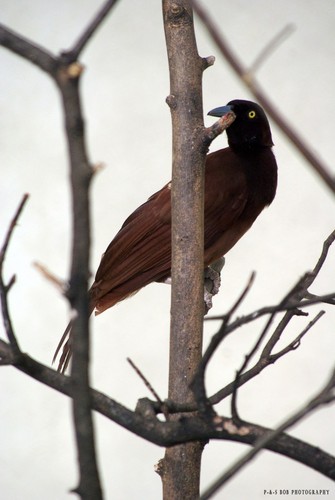
Greater Bird-of-paradise
Body about 43 cm; males with additional flank plumes up to 50 cm and long tail wires
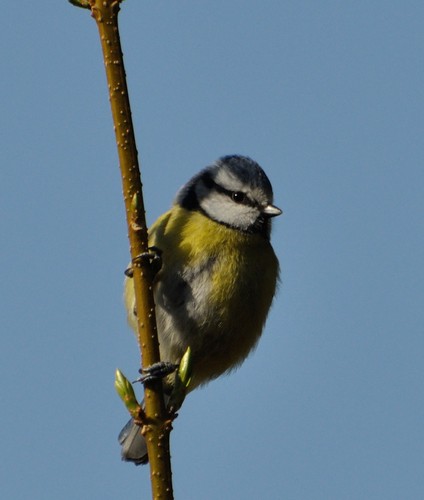
Blue Tit
11-12 cm (4.3-4.7 in) long, 17-20 cm wingspan
Red-billed Quelea
11.5–13 cm long, wingspan about 20–22 cm
White-plumed Antbird
13-14 cm (5-5.5 in) long
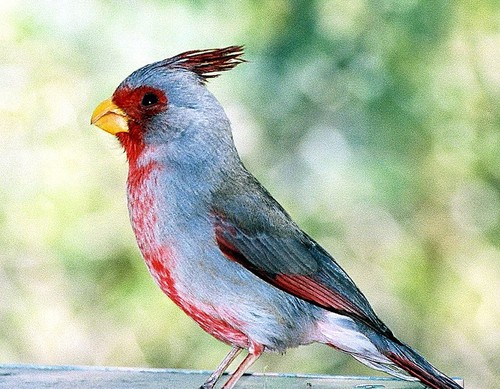
Pyrrhuloxia
19-22 cm (7.5-8.7 in) long, 30 cm wingspan
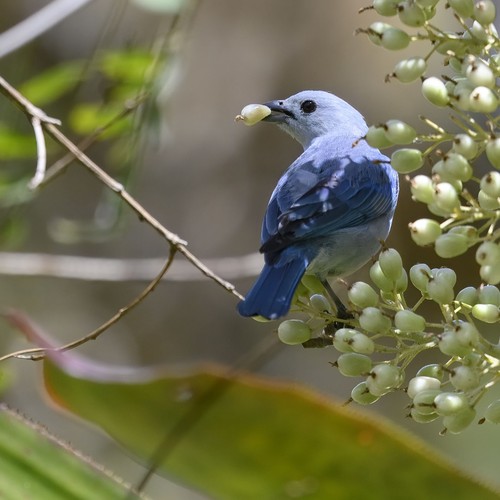
Blue-gray Tanager
16-18 cm (6-7 in) long
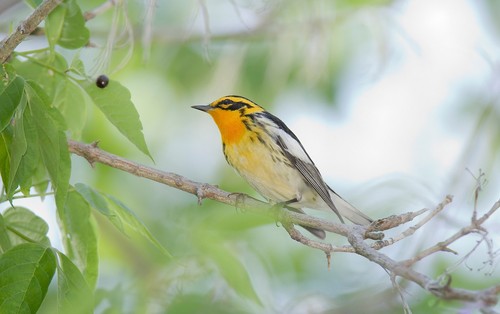
Blackburnian Warbler
11-13 cm (4.3-5.1 in) long, 20-22 cm wingspan
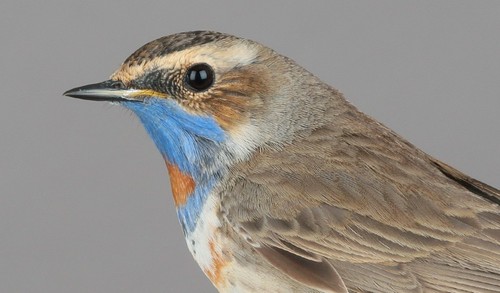
Bluethroat
13-14 cm (5.1-5.5 in) long, 20-22 cm wingspan
Eurasian Nuthatch
12-14.5 cm (4.7-5.7 in) long, 22.5-27 cm wingspan
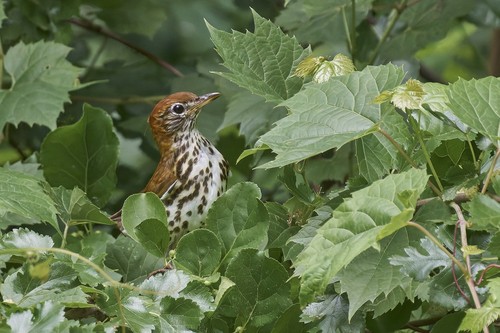
Wood Thrush
19-21 cm (7.5-8.3 in) long, about 33 cm (13 in) wingspan