
Golden Tanager
Tangara arthus
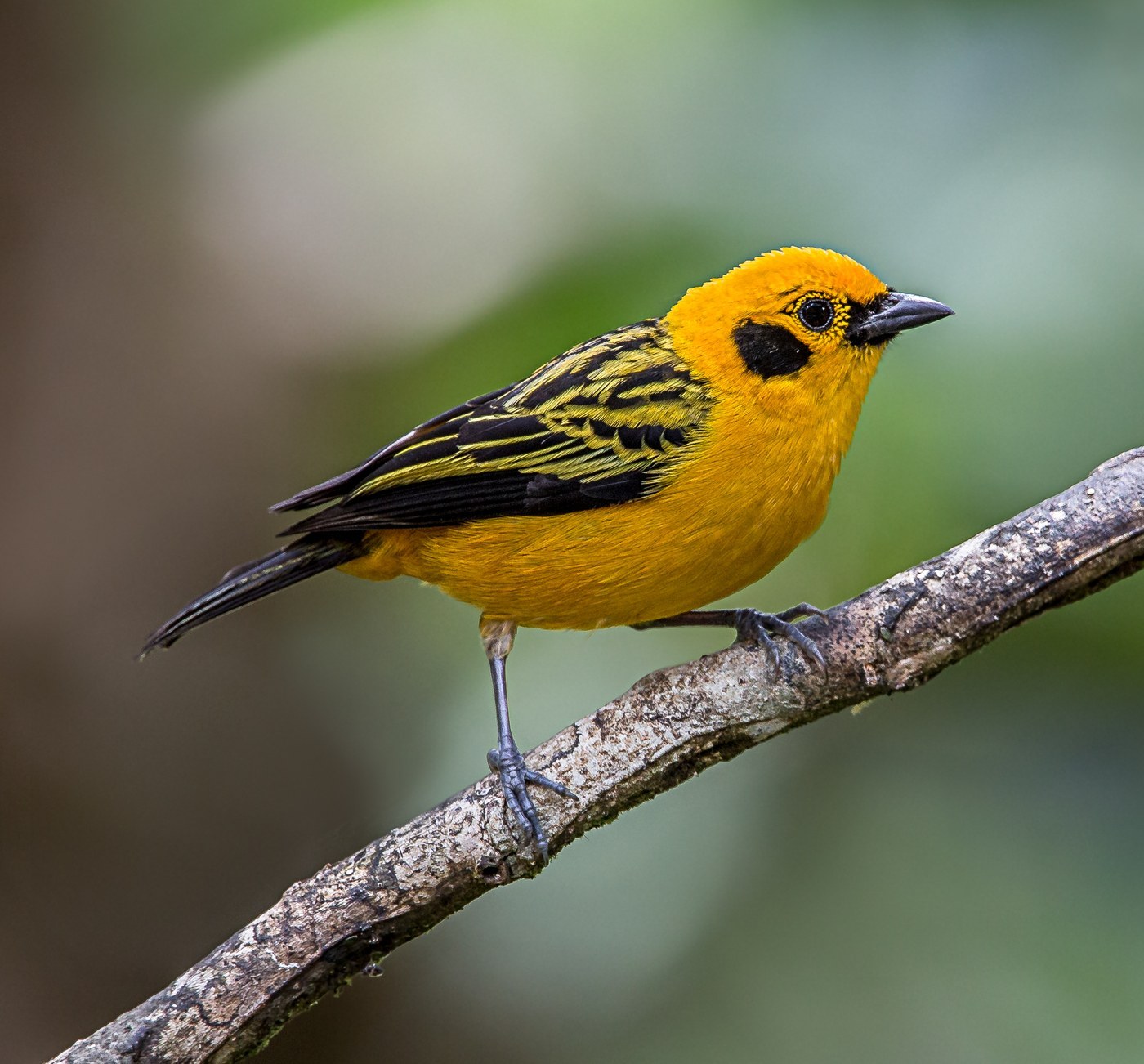
A glowing golden-yellow Andean tanager patterned with black markings on the face, back, and wings.
- Size
- 13-14 cm (5-5.5 in) long, 20-22 cm wingspan
- Habitat
- Andean montane forest, forest edge, and cloud forest
- Type
- songbird
Spotted a bird like this?
Identify any bird from a photo, free.
Overview
The Golden Tanager is a warmly colored songbird of the Andes, its plumage a rich golden-yellow overall that seems to glow even in the dim light of cloud forest interiors. Black markings accent the face around the eye and ear region, streak the back, and mark the wings, creating a striking contrast against the golden body, while some subspecies show a rufous or orange wash on the head.
A characteristic member of mixed-species foraging flocks in Andean forests, it moves through the middle and upper levels of the forest, often detected by its thin calls before it comes into view against the foliage.
How to identify it
Key field marks
- Rich golden-yellow body plumage, brightest on the underparts
- Black patch around the eye and ear coverts
- Black streaking on the back and dark wings with pale edging
- Some populations show a rufous-orange wash on the crown or nape
Similar species
- Saffron-crowned Tanager shares golden tones but has a more orange crown and different black facial pattern.
- Silver-throated Tanager is paler yellow overall with a distinctive silvery-white throat, lacking the bold black face markings of the Golden Tanager.
Habitat & range
Habitat
Inhabits humid montane forest, cloud forest, and forest edge, favoring mid-elevation slopes of the Andes.
Range
Found along the Andes from Venezuela and Colombia south through Ecuador and Peru to Bolivia, generally between about 1,000 and 2,400 m elevation.
Migration
Resident and non-migratory, with some local altitudinal movement possible in response to food availability.
Behavior & voice
Behavior
Active and social, usually traveling in pairs or small groups within mixed-species flocks that move steadily through the mid-story and canopy of montane forest.
Voice
A thin, high-pitched "tsit" or "seet" call note, typical of many Tangara tanagers, along with soft contact calls among flock members.
Feeding
Feeds on small fruit and berries, supplemented with insects gleaned from leaves, moss, and branches.
Nesting
Builds a compact cup nest in forest vegetation; details of breeding biology are not extensively documented, but clutches typically comprise 2 eggs.
Frequently asked questions
How do you identify a Golden Tanager?
Look for a rich golden-yellow body with black markings around the eye, on the back, and in the wings, often with a rufous-orange wash on the head depending on subspecies.
Where does the Golden Tanager live?
In humid montane and cloud forest along the Andes from Venezuela and Colombia south to Bolivia.
What does a Golden Tanager eat?
Mainly small fruit and berries, along with insects gleaned from foliage.
Does the Golden Tanager travel in flocks?
Yes, it typically joins mixed-species foraging flocks that move together through Andean forest.
Golden Tanager guides
In-depth guides for identifying, finding, and understanding Golden Tanager.
Other birds you may enjoy
Black Redstart
13-14.5 cm (5.1-5.7 in) long, 23-26 cm wingspan
Black-throated Sparrow
12-14 cm (4.7-5.5 in) long, about 19-20 cm (7.5-8 in) wingspan
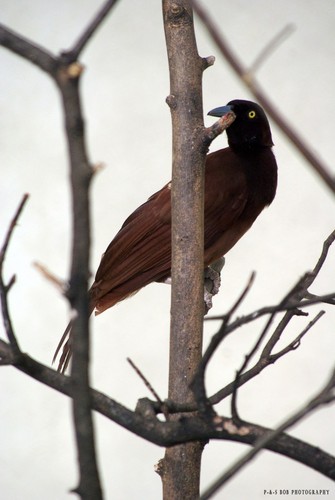
Greater Bird-of-paradise
Body about 43 cm; males with additional flank plumes up to 50 cm and long tail wires
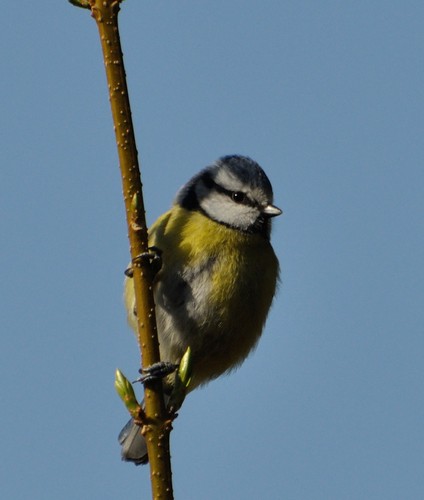
Blue Tit
11-12 cm (4.3-4.7 in) long, 17-20 cm wingspan
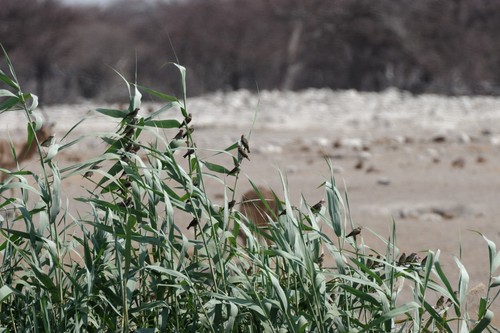
Red-billed Quelea
11.5–13 cm long, wingspan about 20–22 cm
White-plumed Antbird
13-14 cm (5-5.5 in) long
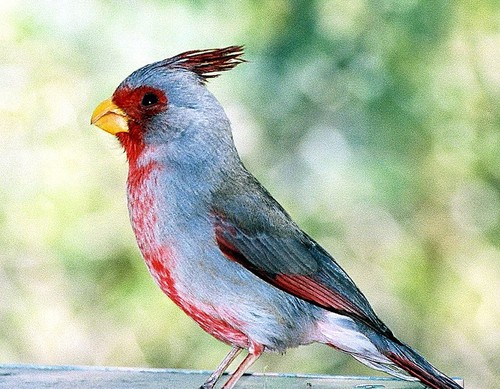
Pyrrhuloxia
19-22 cm (7.5-8.7 in) long, 30 cm wingspan
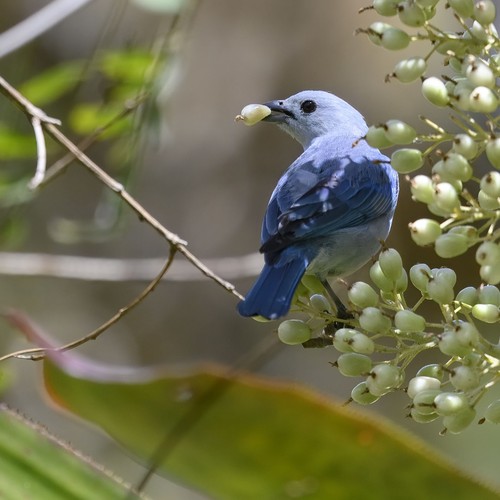
Blue-gray Tanager
16-18 cm (6-7 in) long
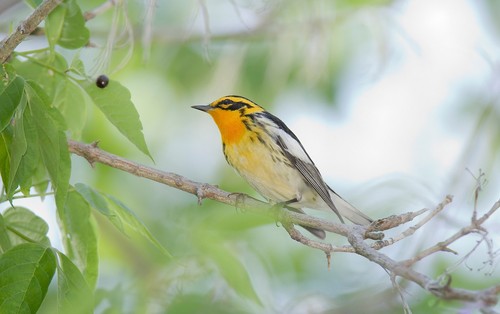
Blackburnian Warbler
11-13 cm (4.3-5.1 in) long, 20-22 cm wingspan
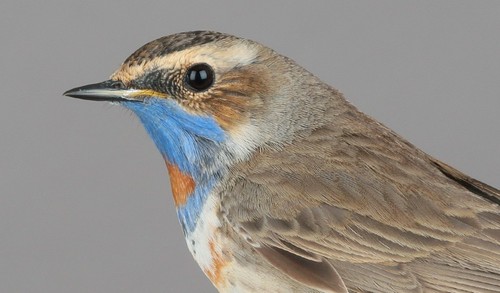
Bluethroat
13-14 cm (5.1-5.5 in) long, 20-22 cm wingspan
Eurasian Nuthatch
12-14.5 cm (4.7-5.7 in) long, 22.5-27 cm wingspan
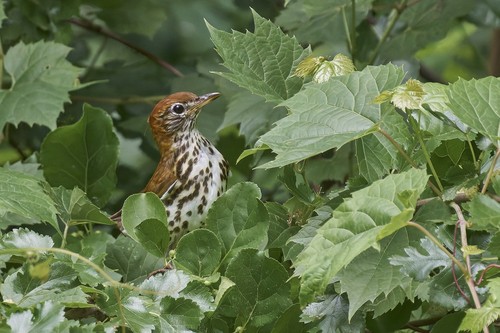
Wood Thrush
19-21 cm (7.5-8.3 in) long, about 33 cm (13 in) wingspan