
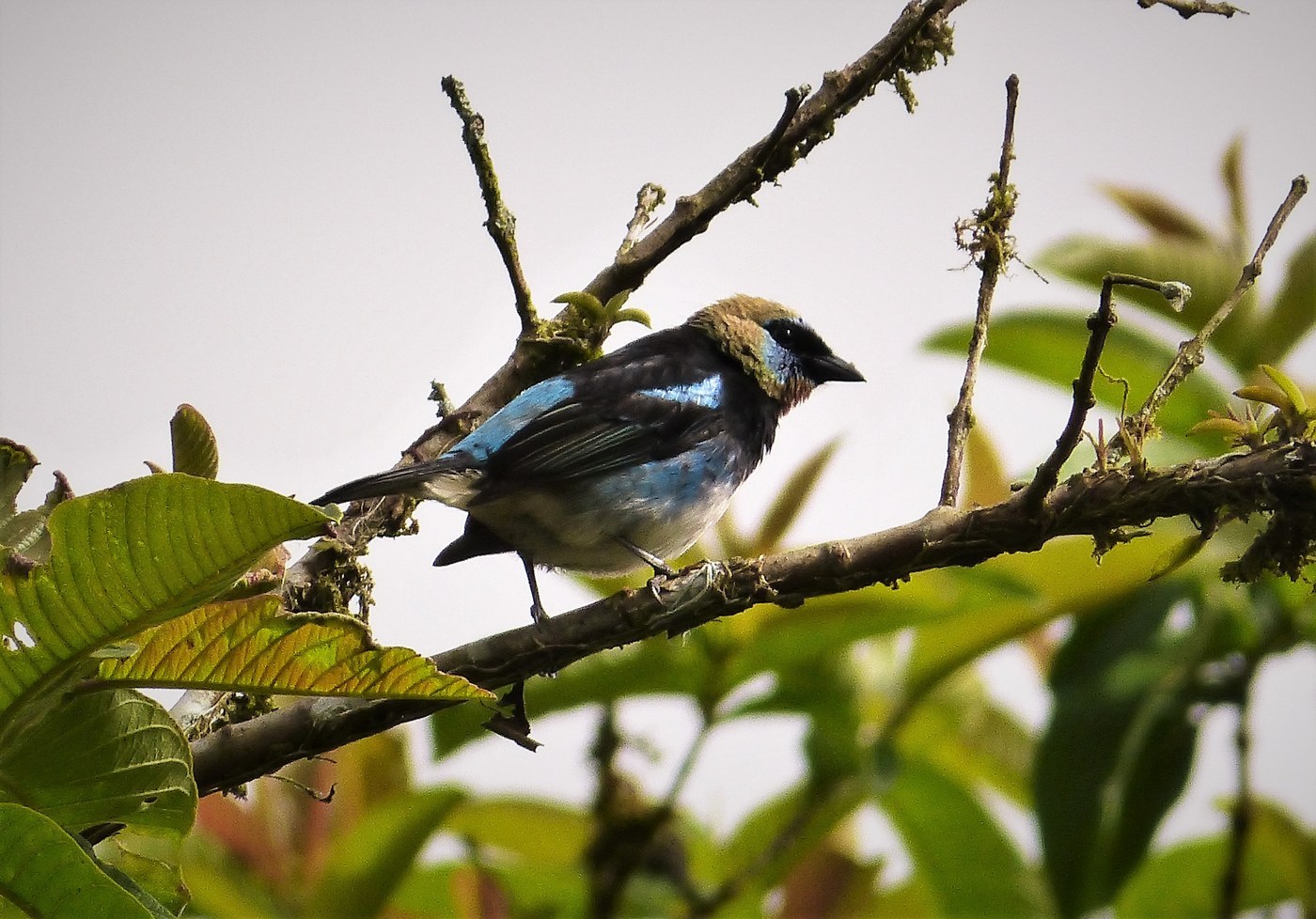
Golden-hooded Tanager
Stilpnia larvata
A dazzling tanager with a golden crown, black face mask, and turquoise body crossed by a dark blue-black band.
- Size
- 12-13 cm (4.7-5 in) long
- Habitat
- forest edge, second growth, gardens, and plantations from Central America to northwestern South America
- Type
- songbird
Spotted a bird like this?
Identify any bird from a photo, free.
Overview
The Golden-hooded Tanager is a small, boldly patterned tanager whose combination of colors makes it instantly recognizable. The crown glows golden-yellow, framed by a black mask through the eye and a black throat patch, while the body is a bright, pale turquoise crossed by a broad dark blue-black band across the upper back and wings.
The underparts are pale turquoise to whitish, and small white patches often show on the wing, adding further contrast to an already striking pattern. Sexes look alike, making this one of the more straightforward tanagers to sex-identify in the field, or rather, one where sexing is not needed.
Common and conspicuous, it is frequently seen in gardens, forest edges, and second growth, often in pairs or small groups foraging actively for fruit and insects.
How to identify it
Key field marks
- Golden-yellow crown
- Black facial mask and black throat patch
- Broad blue-black band across the back and wings
- Pale turquoise underparts and rump
- White patches sometimes visible on the wing
Similar species
Spangle-cheeked Tanager and Silver-throated Tanager occur in overlapping habitat but lack the Golden-hooded Tanager's distinctive golden crown and black-banded back; its pattern is unique enough within range to make confusion unlikely.
Habitat & range
Habitat
The Golden-hooded Tanager favors forest edge, clearings, secondary growth, plantations, and gardens with fruiting trees and shrubs, generally avoiding deep unbroken forest interior.
Range
It ranges from Honduras and Nicaragua through Costa Rica and Panama into Colombia and western Ecuador, occupying lowland and foothill regions on both slopes in Central America.
Migration
It is a non-migratory resident throughout its range.
Behavior & voice
Behavior
This tanager is active and conspicuous, typically foraging in pairs or small groups and frequently joining mixed-species flocks moving through forest edge and garden vegetation.
Voice
Its calls are thin, high, buzzy 'tsee' or 'sip' notes, given while foraging or in flight, unremarkable relative to its bright appearance.
Feeding
It feeds on small fruits and berries as well as insects, gleaned from foliage in the canopy and mid-story, and readily visits fruiting trees in gardens and plantations.
Nesting and breeding
The female builds a small open cup nest hidden in dense foliage, often in a tree or shrub near forest edge, and incubates the eggs while both parents feed the young.
Frequently asked questions
How do you identify a Golden-hooded Tanager?
Look for a golden crown, black facial mask and throat, and a broad blue-black band across an otherwise pale turquoise back and wings.
Where does the Golden-hooded Tanager live?
It lives from Honduras and Nicaragua south through Costa Rica and Panama into Colombia and western Ecuador.
What does the Golden-hooded Tanager eat?
Small fruits and insects gleaned from foliage.
Are male and female Golden-hooded Tanagers different colors?
No, both sexes share the same golden-hooded, black-and-turquoise pattern.
Golden-hooded Tanager guides
In-depth guides for identifying, finding, and understanding Golden-hooded Tanager.
Other birds you may enjoy
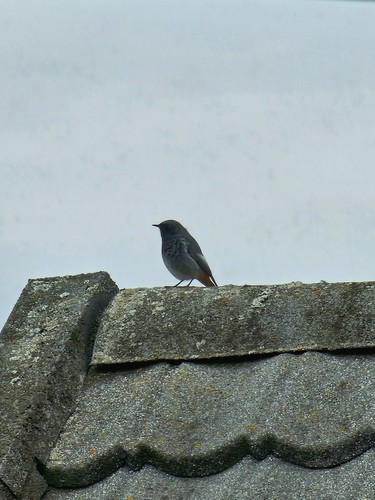
Black Redstart
13-14.5 cm (5.1-5.7 in) long, 23-26 cm wingspan
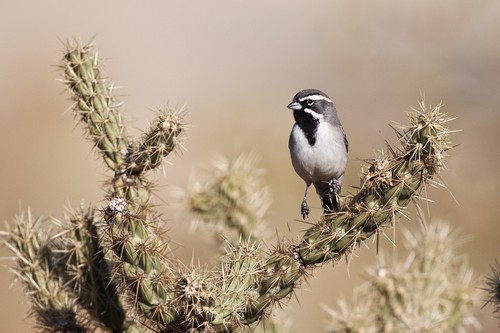
Black-throated Sparrow
12-14 cm (4.7-5.5 in) long, about 19-20 cm (7.5-8 in) wingspan
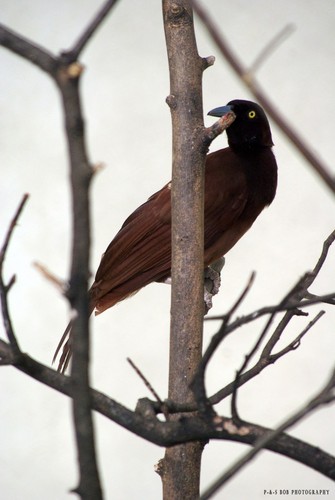
Greater Bird-of-paradise
Body about 43 cm; males with additional flank plumes up to 50 cm and long tail wires
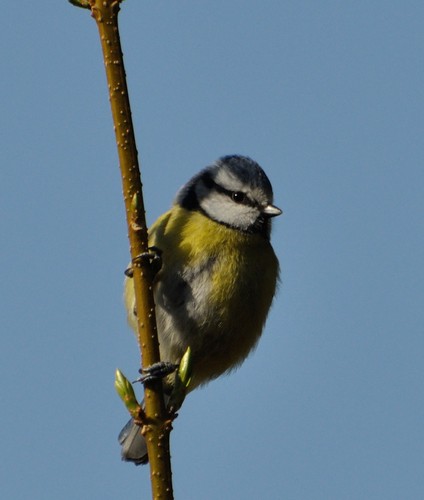
Blue Tit
11-12 cm (4.3-4.7 in) long, 17-20 cm wingspan
Red-billed Quelea
11.5–13 cm long, wingspan about 20–22 cm
White-plumed Antbird
13-14 cm (5-5.5 in) long
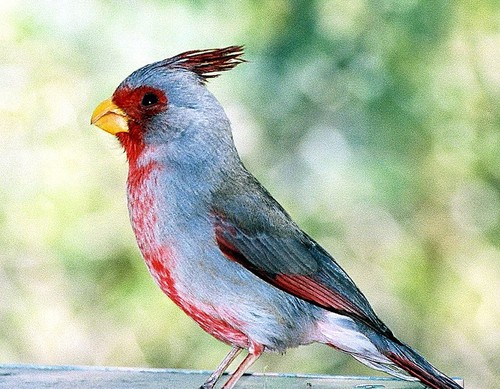
Pyrrhuloxia
19-22 cm (7.5-8.7 in) long, 30 cm wingspan
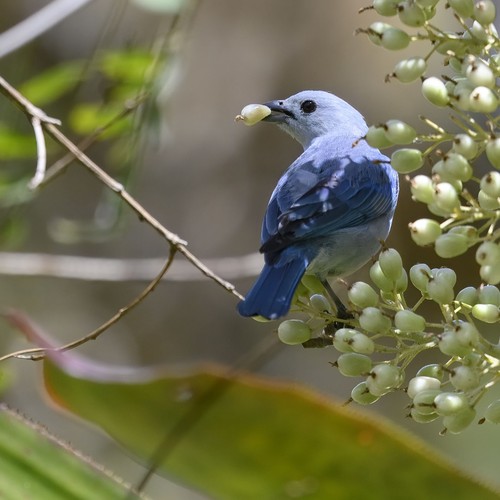
Blue-gray Tanager
16-18 cm (6-7 in) long
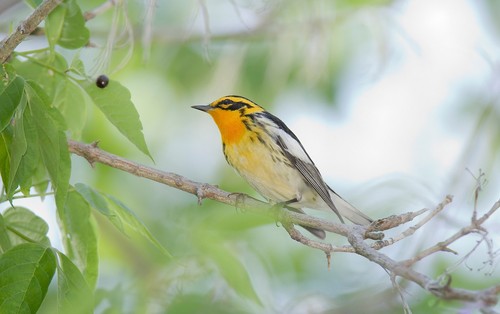
Blackburnian Warbler
11-13 cm (4.3-5.1 in) long, 20-22 cm wingspan
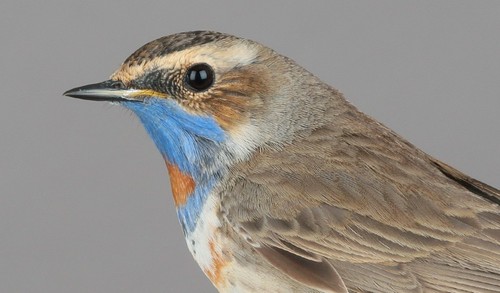
Bluethroat
13-14 cm (5.1-5.5 in) long, 20-22 cm wingspan
Eurasian Nuthatch
12-14.5 cm (4.7-5.7 in) long, 22.5-27 cm wingspan
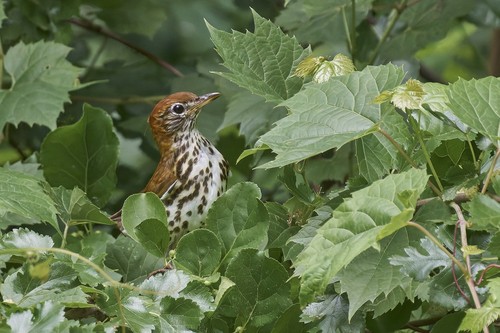
Wood Thrush
19-21 cm (7.5-8.3 in) long, about 33 cm (13 in) wingspan