
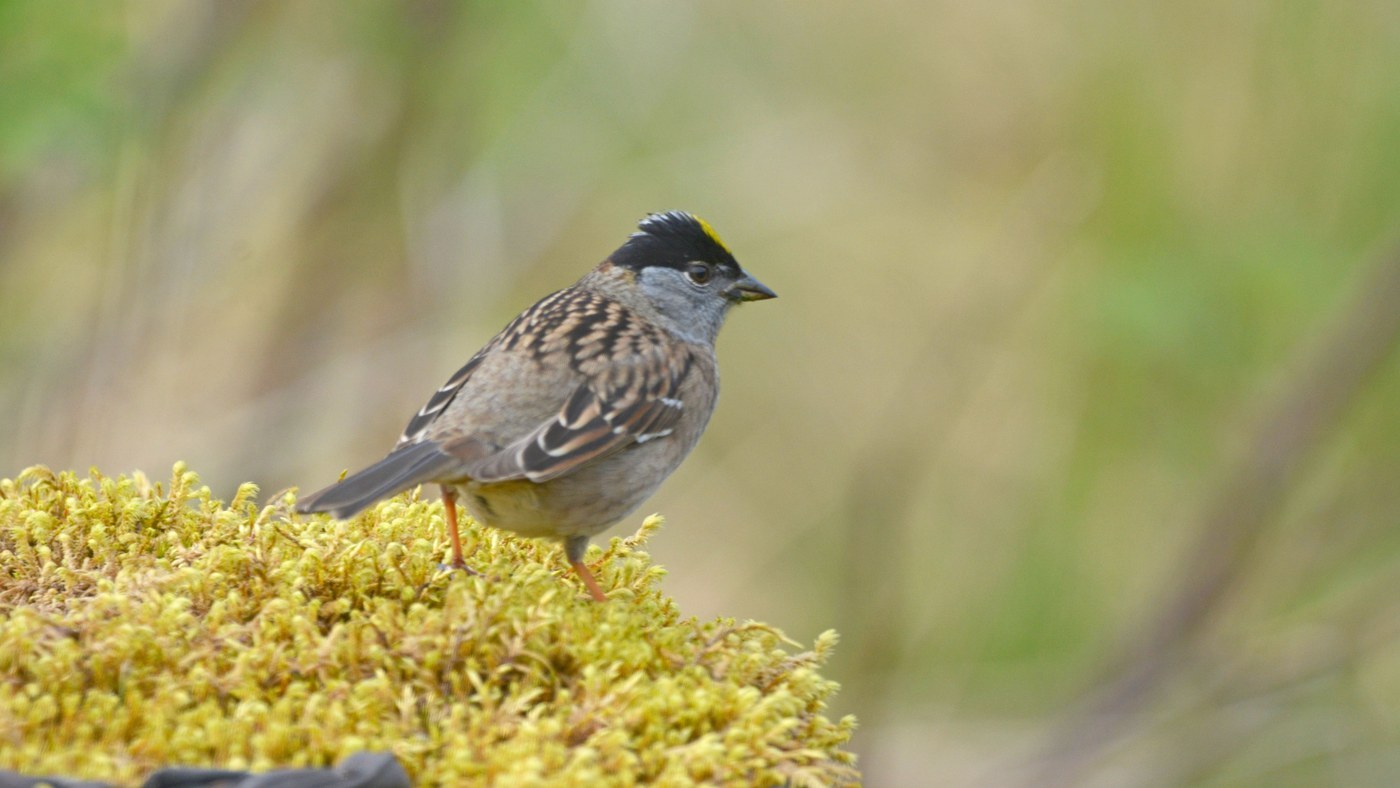
Golden-crowned Sparrow
Zonotrichia atricapilla
A large sparrow with a bold black-and-yellow crown stripe, best known for its mournful three-note whistled song, 'oh-dear-me'.
- Size
- 15-18 cm (5.9-7.1 in) long, 24-26 cm wingspan
- Habitat
- breeds in subalpine and tundra shrub of Alaska and western Canada; winters in coastal thickets and gardens of the Pacific coast
- Type
- songbird
Spotted a bird like this?
Identify any bird from a photo, free.
Overview
The Golden-crowned Sparrow is a large, handsome sparrow, closely related to the White-crowned Sparrow, distinguished by a bright yellow patch at the front of the crown that fades toward the back of the head, bordered by black stripes on either side. Non-breeding and immature birds show a more muted version of this pattern, with duller yellow and brownish-black head stripes rather than crisp black.
The body is otherwise plain grayish-brown, streaked on the back, with an unstreaked gray breast, giving a fairly subdued overall look apart from the distinctive crown pattern.
How to identify it
Key field marks
- Yellow crown patch at the front of the head, bordered by black stripes (bright in breeding adults, duller in immatures)
- Plain gray, unstreaked breast
- Streaked brown back and wings
- Overall large size similar to White-crowned Sparrow
Similar species
- White-crowned Sparrow has bold black-and-white (not yellow) head stripes and lacks any yellow in the crown; the two species can occur together in winter.
- Immature Golden-crowned Sparrows can look dull and might suggest a female House Sparrow, but the streaked back and structure are more sparrow-like and refined.
Habitat & range
Golden-crowned Sparrows breed in subalpine and low-elevation tundra shrub habitat across Alaska and northwestern Canada, at or above treeline. In winter they migrate down the Pacific coast, from southern British Columbia to Baja California, where they favor dense coastal scrub, chaparral, hedgerows, and garden shrubbery, often in the same flocks as White-crowned Sparrows.
The species is a strict Pacific coast specialist in winter, rarely straying far from its western coastal wintering range, making it a distinctly regional bird for much of the year outside the breeding season.
Behavior & voice
Golden-crowned Sparrows forage on the ground and in low vegetation, often in loose flocks mixed with White-crowned Sparrows and other wintering sparrows, scratching through leaf litter for seeds and picking at buds and new plant growth, sometimes causing minor damage to garden plants in winter.
The song is a clear, plaintive, three-note descending whistle, often rendered as "oh-dear-me" or "I'm-so-tired," a mournful sound frequently heard on the wintering grounds as well as the breeding grounds. Diet consists of seeds, buds, flowers, and some insects. Nests are built on or near the ground in dense shrub or tundra vegetation, with typical clutches of three to five eggs.
Frequently asked questions
How do you identify a Golden-crowned Sparrow?
Look for a large sparrow with a bright yellow patch at the front of the crown bordered by black stripes, a plain gray breast, and a streaked brown back.
What does a Golden-crowned Sparrow sound like?
A clear, mournful, descending three-note whistle, often rendered as 'oh-dear-me' or 'I'm-so-tired.'
Where do Golden-crowned Sparrows live?
They breed in subalpine and tundra shrub habitat of Alaska and northwestern Canada, and winter along the Pacific coast from British Columbia to Baja California.
What is the difference between a Golden-crowned Sparrow and a White-crowned Sparrow?
The Golden-crowned Sparrow has a yellow patch at the front of its black-striped crown, while the White-crowned Sparrow has bold black-and-white head stripes with no yellow.
Do Golden-crowned Sparrows visit gardens?
Yes, in winter they commonly forage in coastal gardens, hedgerows, and shrubbery along the Pacific coast, sometimes in flocks with White-crowned Sparrows.
Golden-crowned Sparrow guides
In-depth guides for identifying, finding, and understanding Golden-crowned Sparrow.
Other birds you may enjoy
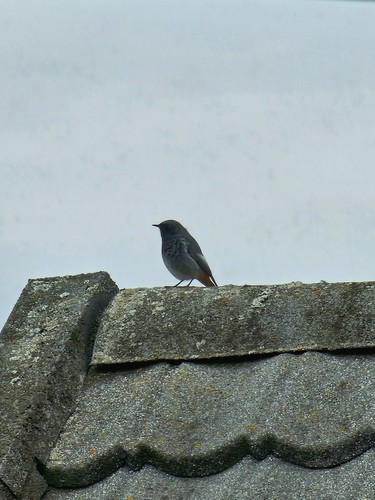
Black Redstart
13-14.5 cm (5.1-5.7 in) long, 23-26 cm wingspan
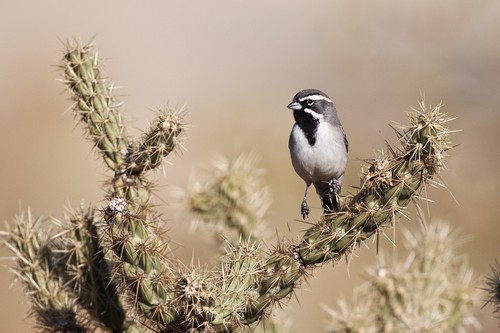
Black-throated Sparrow
12-14 cm (4.7-5.5 in) long, about 19-20 cm (7.5-8 in) wingspan
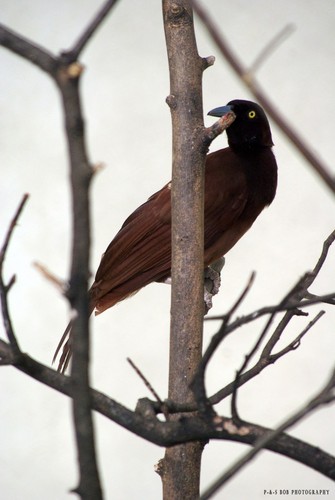
Greater Bird-of-paradise
Body about 43 cm; males with additional flank plumes up to 50 cm and long tail wires
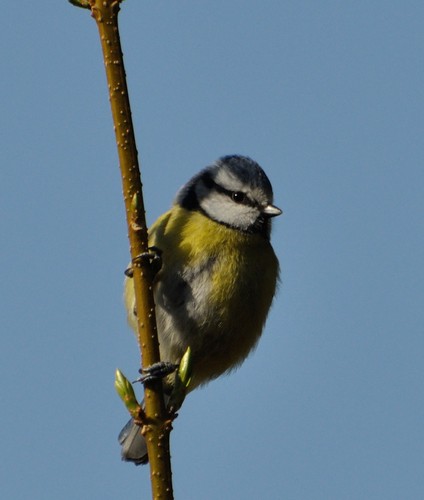
Blue Tit
11-12 cm (4.3-4.7 in) long, 17-20 cm wingspan
Red-billed Quelea
11.5–13 cm long, wingspan about 20–22 cm
White-plumed Antbird
13-14 cm (5-5.5 in) long
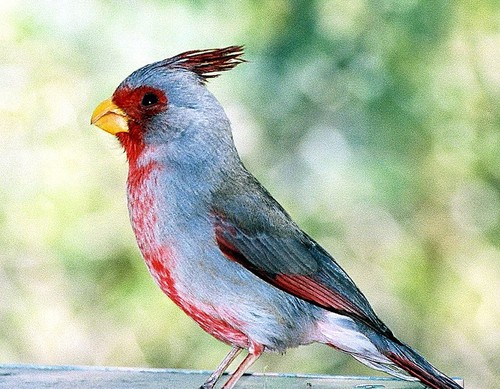
Pyrrhuloxia
19-22 cm (7.5-8.7 in) long, 30 cm wingspan
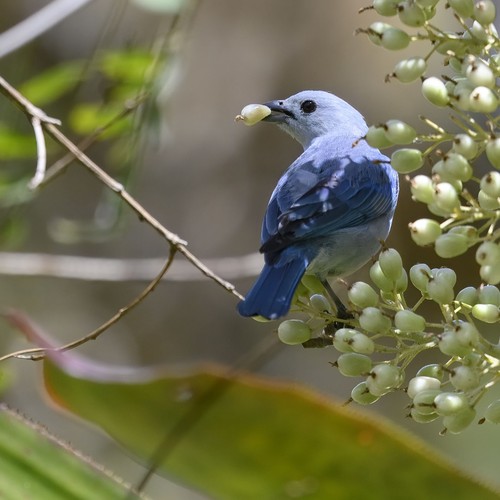
Blue-gray Tanager
16-18 cm (6-7 in) long
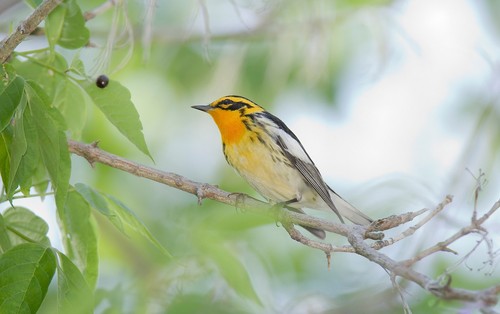
Blackburnian Warbler
11-13 cm (4.3-5.1 in) long, 20-22 cm wingspan
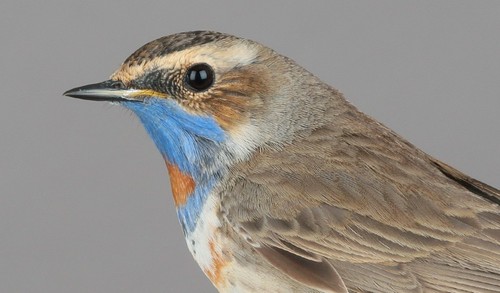
Bluethroat
13-14 cm (5.1-5.5 in) long, 20-22 cm wingspan
Eurasian Nuthatch
12-14.5 cm (4.7-5.7 in) long, 22.5-27 cm wingspan
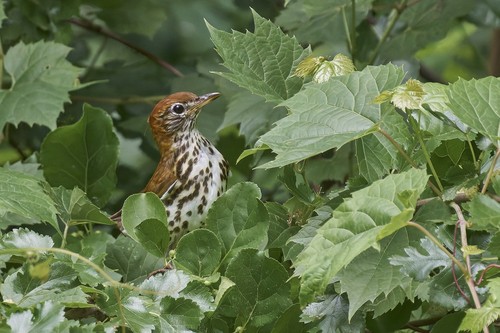
Wood Thrush
19-21 cm (7.5-8.3 in) long, about 33 cm (13 in) wingspan