
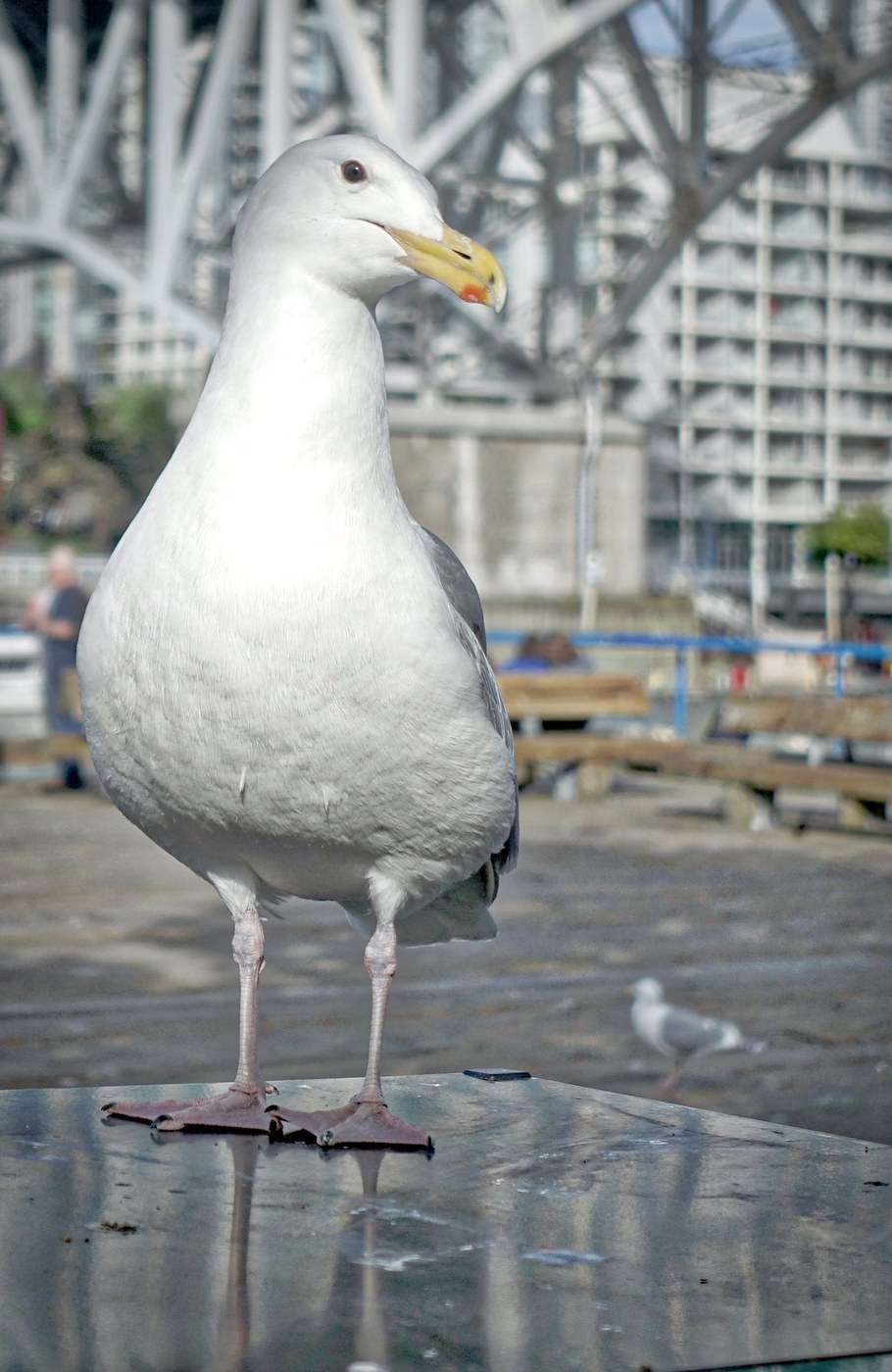
Glaucous-winged Gull
Larus glaucescens
A large, pale gull of the Pacific Northwest coast whose wingtips blend almost seamlessly with its gray mantle, and which frequently hybridizes with the darker Western Gull.
- Size
- 61-68 cm (24-27 in) long, 132-142 cm wingspan
- Habitat
- rocky coastlines, harbors, and beaches of the Pacific Northwest
- Type
- seabird
Spotted a bird like this?
Identify any bird from a photo, free.
Overview
The Glaucous-winged Gull is a large, thickset gull common along the coastlines of Alaska and the Pacific Northwest. Adults have a medium gray mantle, and unlike most large gulls, the wingtips are only slightly darker gray rather than black, blending subtly with the rest of the wing rather than contrasting sharply.
The bill is yellow with a red spot near the tip, the legs pink, and the eye typically dark, though some individuals show a paler eye. Immature birds are mottled gray-brown overall, taking about four years to reach adult plumage.
This species commonly hybridizes with the Western Gull where their ranges overlap in Washington and Oregon, producing a range of intermediate-looking birds sometimes informally called "Olympic Gulls."
How to identify it
Key field marks
- Medium gray mantle with wingtips only slightly darker gray (not black)
- Yellow bill with a red gonydeal spot
- Pink legs
- Typically dark eye
- Bulky, rounded build
Similar species
- Western Gull: notably darker mantle with a stronger contrast to the white head; hybrids between the two are common in the zone of overlap.
- Glaucous Gull: paler still, with wingtips essentially white, not gray.
- Herring Gull: shows clear black-and-white wingtips, unlike the subtle gray tips of Glaucous-winged Gull.
Habitat & range
Habitat
A coastal species found on rocky shorelines, beaches, harbors, piers, and offshore islands, rarely straying far inland.
Range and migration
Breeds along the coasts of Alaska, British Columbia, and northern Washington and Oregon; largely resident, with some post-breeding dispersal southward along the coast in winter.
Behavior & voice
Behavior
An adaptable and opportunistic species, common around fishing docks, canneries, and landfills, often forming large loafing flocks on beaches and rooftops in coastal towns.
Voice
Calls are similar to other large gulls, including deep "kyow" notes and a long call given during territorial displays.
Feeding
Opportunistic, taking fish, marine invertebrates such as mussels and crabs, carrion, seabird eggs, and human refuse.
Nesting and breeding
Nests colonially on rocky islands and coastal cliffs, building a ground scrape lined with grass and debris. Clutches typically contain two to three eggs, incubated by both parents for about a month.
Frequently asked questions
How do you tell a Glaucous-winged Gull from a Western Gull?
Glaucous-winged Gull has a paler gray mantle with wingtips only slightly darker gray, while Western Gull has a much darker mantle with bolder contrast; the two also frequently hybridize.
Where is the Glaucous-winged Gull found?
Along the Pacific coast from Alaska south through British Columbia to northern Oregon, mostly as a resident species.
What is an 'Olympic Gull'?
An informal name for hybrid gulls between Glaucous-winged and Western Gulls, common in the zone of overlap in Washington and Oregon.
What does the Glaucous-winged Gull eat?
A wide variety of food including fish, marine invertebrates, carrion, seabird eggs, and human refuse.
Glaucous-winged Gull guides
In-depth guides for identifying, finding, and understanding Glaucous-winged Gull.
Other birds you may enjoy
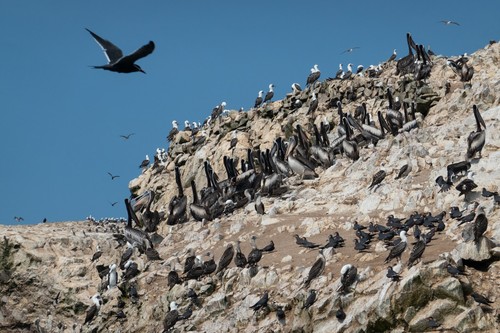
Peruvian Pelican
137-152 cm (54-60 in) long, up to 228 cm wingspan
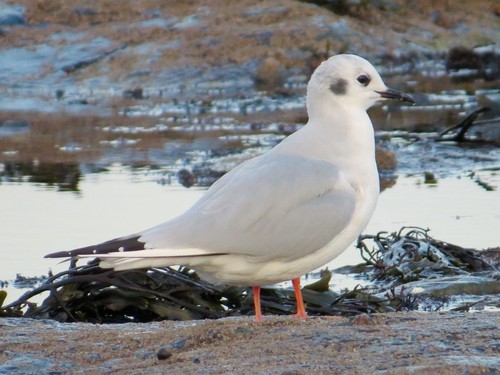
Bonaparte's Gull
28-33 cm (11-13 in) long, 76-84 cm wingspan
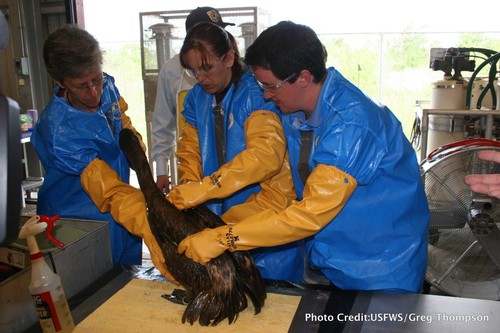
Brown Pelican
106-137 cm (42-54 in) long, 200-230 cm wingspan
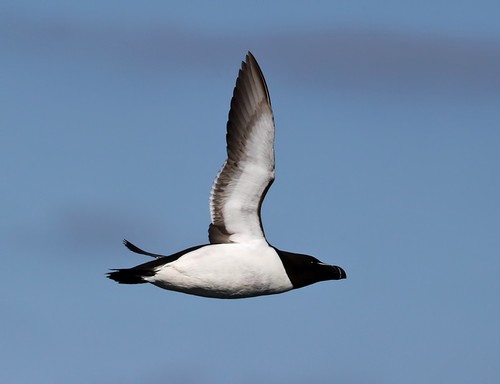
Razorbill
37-39 cm (15-15.5 in) long, 63-68 cm wingspan
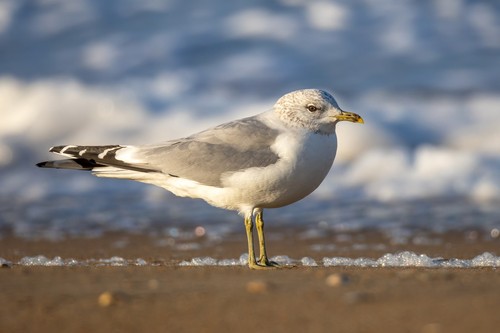
Common Gull
40-46 cm (16-18 in) long, 110-130 cm wingspan
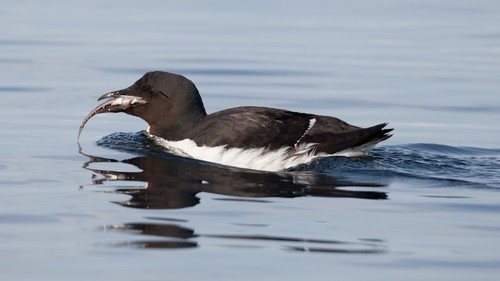
Thick-billed Murre
40-48 cm (16-19 in) long, 65-75 cm wingspan
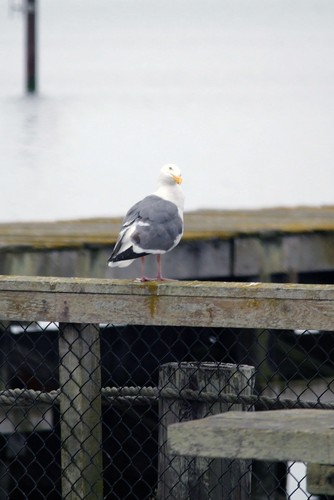
Western Gull
55-68 cm (22-27 in) long, 130-144 cm wingspan
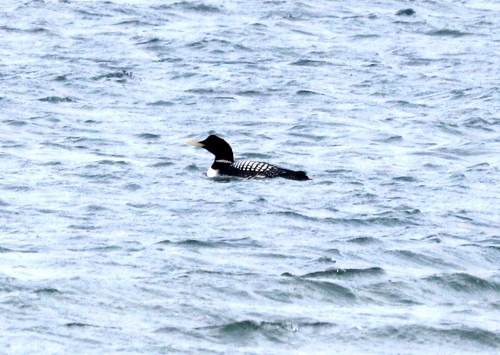
Yellow-billed Loon
76-97 cm (30-38 in) long, 135-152 cm wingspan
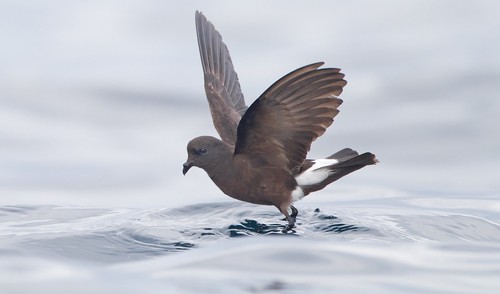
Wilson's Storm-Petrel
15-19 cm (6-7.5 in) long, wingspan 38-42 cm (15-16.5 in)
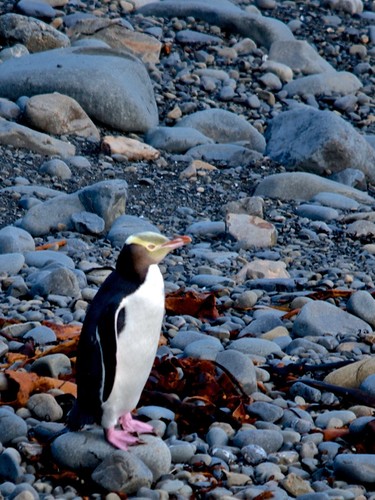
Yellow-eyed Penguin
62-79 cm (24-31 in) tall, 3-8.5 kg (6.6-18.7 lb)
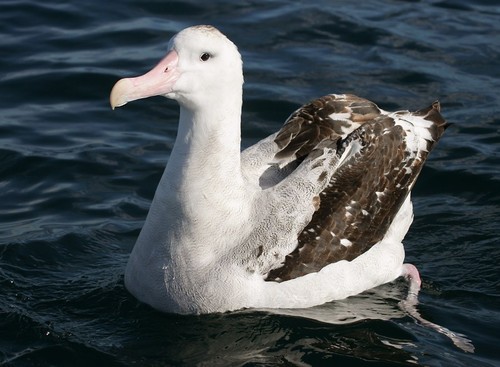
Wandering Albatross
107-135 cm (42-53 in) long, wingspan up to 3.5 m (11.5 ft)
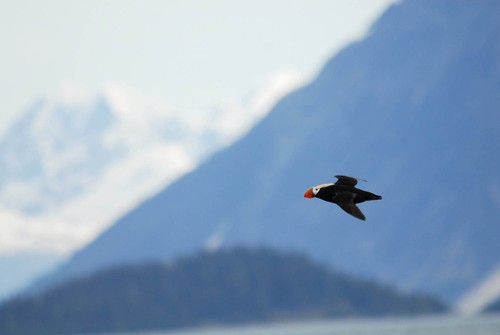
Tufted Puffin
35-41 cm (14-16 in) long, about 63-70 cm wingspan