
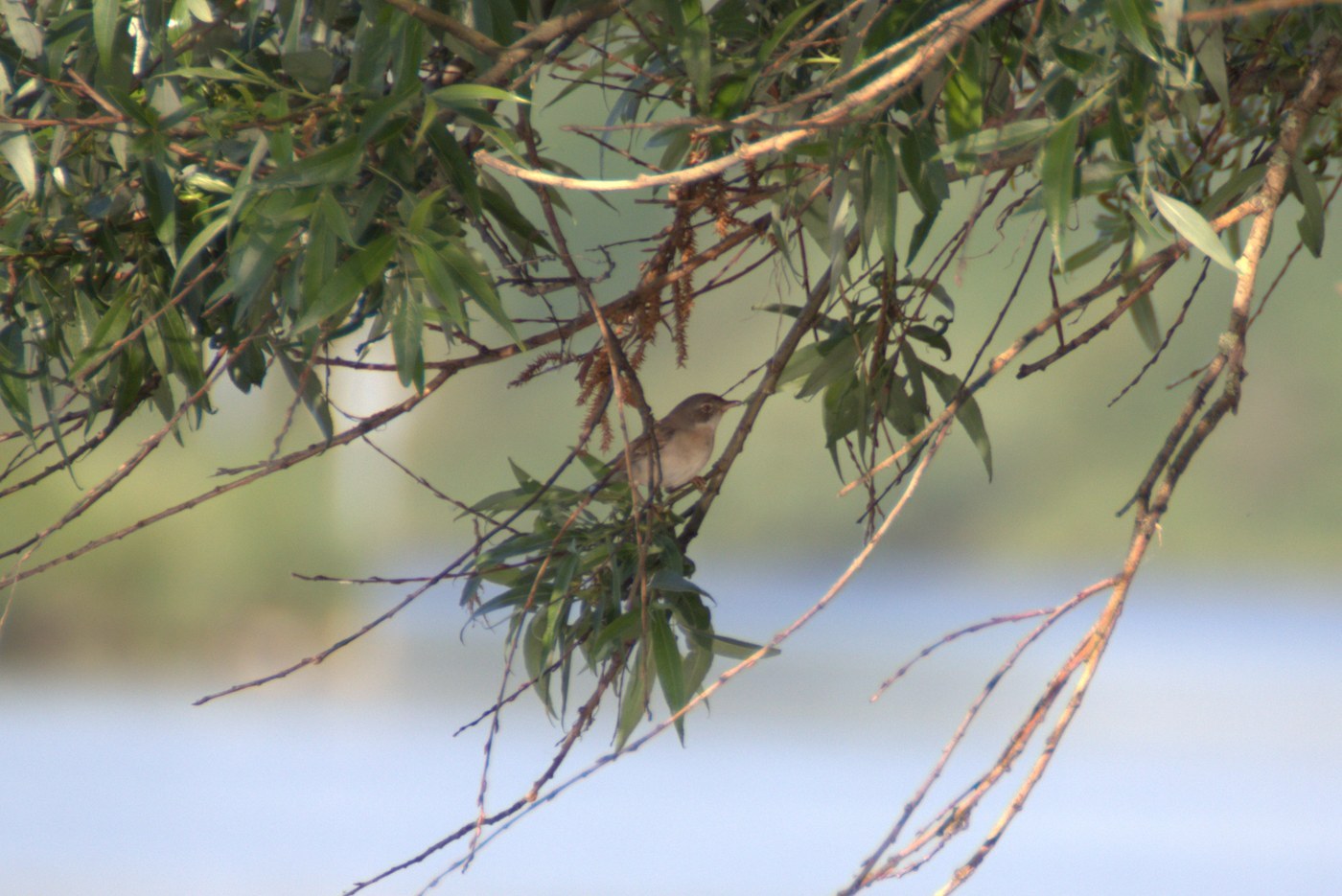
Garden Warbler
Sylvia borin
A deliberately plain, featureless warbler whose lack of markings is itself the best clue to its identity, best appreciated for its rich, sustained song.
- Size
- 14 cm (5.5 in) long, 20-24 cm wingspan
- Habitat
- scrub, woodland edge, and dense undergrowth with thick low cover
- Type
- songbird
Spotted a bird like this?
Identify any bird from a photo, free.
Overview
The Garden Warbler is, by design, one of the least distinctive birds in Europe: a plump, olive-brown warbler with no wing bars, no eye-ring, no streaking, and no cap. Its round head, stubby bill, and short neck give it a soft, featureless look that some birders jokingly call its best field mark — when nothing stands out, think Garden Warbler.
Despite its unremarkable appearance, it is prized for its voice, delivering a long, rich, sustained warble from deep within dense cover, often confused with the similarly accomplished song of the Blackcap.
It is a notoriously skulking bird, spending most of its time hidden in thick vegetation and rarely offering more than a fleeting view.
How to identify it
Key field marks
- Plain olive-brown upperparts and pale buffy-grey underparts
- Rounded head with no crown pattern, cap, or eye-ring
- Short, stubby, dark bill
- Stocky, neckless-looking body shape
- Overall lack of contrasting features is itself diagnostic
Similar species
- Eurasian Blackcap: very similar song, but always shows a solid black or chestnut cap that the Garden Warbler lacks entirely.
- Female/juvenile Blackcap: can look superficially plain but always retains the contrasting chestnut cap.
- Whitethroat species: show a paler throat contrast, longer tail, and often chestnut in the wing, all absent in Garden Warbler.
Habitat & range
Garden Warblers breed across much of Europe and into western Asia, favouring scrubby woodland edges, overgrown hedgerows, and areas of dense, tangled undergrowth, often near, but not necessarily within, mature woodland.
They are long-distance migrants, wintering in sub-Saharan Africa, and famously build up substantial fat reserves before crossing the Sahara, making them a classic subject of migration physiology research.
Despite the name, they are not especially associated with gardens, occurring more often in scrub and hedgerow habitat than manicured green spaces.
Behavior & voice
Voice
The song is a long, level, richly warbled stream of notes, sustained and even in tone, lacking the harsher or scratchier interjections found in some relatives. It is often confused with the Blackcap's song, though it tends to be more sustained and less varied in pitch, without the sharp, clear high notes.
Feeding
Insects and spiders gleaned from foliage make up the summer diet, while berries and soft fruit become important in late summer and autumn as birds fatten up for migration.
Nesting and breeding
The nest is a flimsy cup built low in dense brambles or scrub. Clutches typically contain four to five eggs, and the species is famously secretive around the nest site.
Frequently asked questions
How do you identify a Garden Warbler?
Look for a plain, featureless olive-brown warbler with a rounded head, stubby bill, and no wing bars, eye-ring, or cap — its lack of distinctive markings is itself the key clue.
How is a Garden Warbler different from a Blackcap?
Both have rich, warbling songs, but a Blackcap always shows a solid black or chestnut cap on the crown, while the Garden Warbler's head is completely plain.
Where do Garden Warblers spend the winter?
They migrate long distances to sub-Saharan Africa, building up significant fat reserves beforehand to fuel the crossing of the Sahara Desert.
Do Garden Warblers actually live in gardens?
Despite the name, they favour scrub and overgrown hedgerows more than manicured gardens, though they can occur in large, unkempt garden habitat.
What does a Garden Warbler eat?
It feeds on insects and spiders during the breeding season, switching to berries and soft fruit in late summer and autumn.
Garden Warbler guides
In-depth guides for identifying, finding, and understanding Garden Warbler.
Other birds you may enjoy
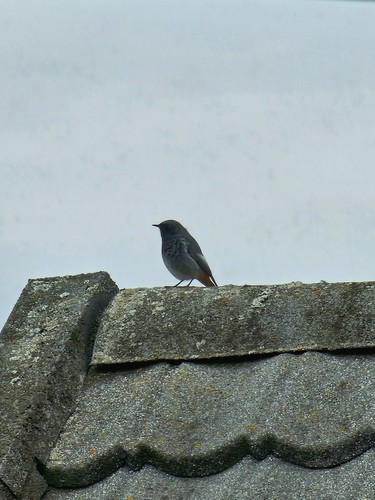
Black Redstart
13-14.5 cm (5.1-5.7 in) long, 23-26 cm wingspan
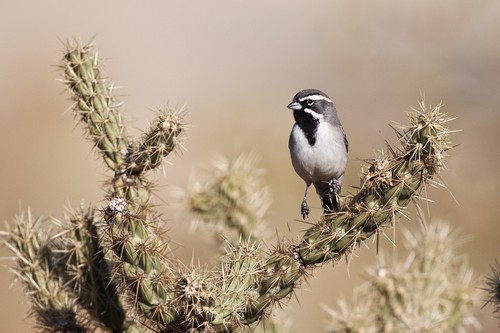
Black-throated Sparrow
12-14 cm (4.7-5.5 in) long, about 19-20 cm (7.5-8 in) wingspan
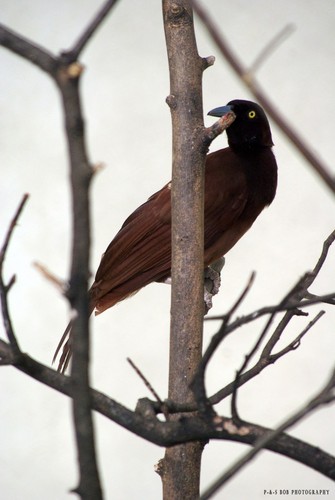
Greater Bird-of-paradise
Body about 43 cm; males with additional flank plumes up to 50 cm and long tail wires
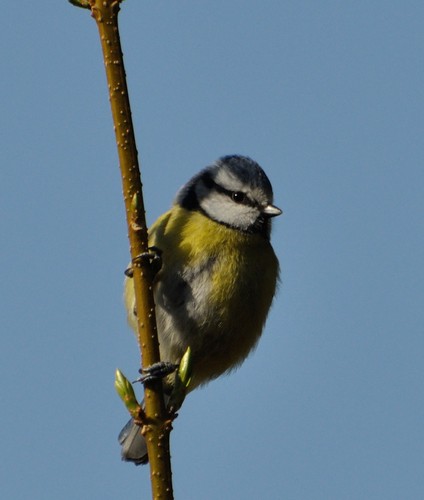
Blue Tit
11-12 cm (4.3-4.7 in) long, 17-20 cm wingspan
Red-billed Quelea
11.5–13 cm long, wingspan about 20–22 cm
White-plumed Antbird
13-14 cm (5-5.5 in) long
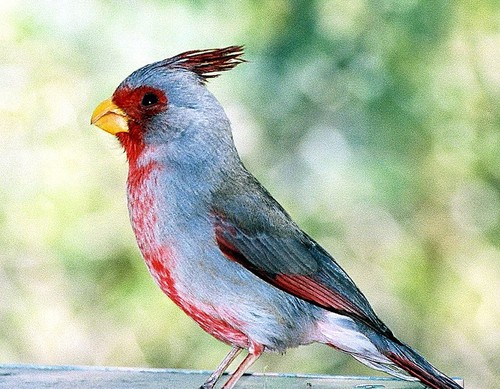
Pyrrhuloxia
19-22 cm (7.5-8.7 in) long, 30 cm wingspan
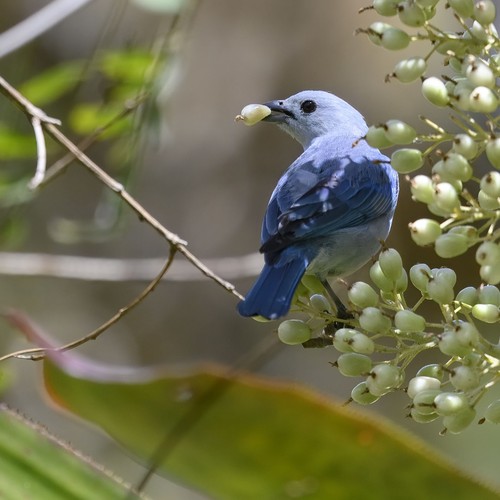
Blue-gray Tanager
16-18 cm (6-7 in) long
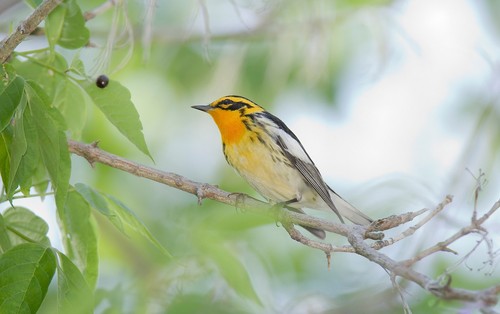
Blackburnian Warbler
11-13 cm (4.3-5.1 in) long, 20-22 cm wingspan
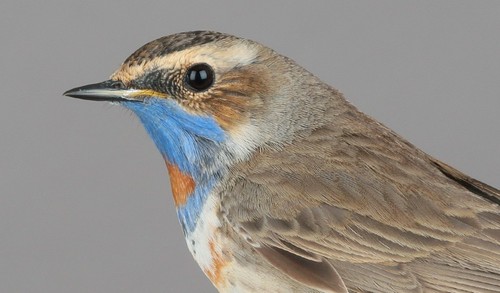
Bluethroat
13-14 cm (5.1-5.5 in) long, 20-22 cm wingspan
Eurasian Nuthatch
12-14.5 cm (4.7-5.7 in) long, 22.5-27 cm wingspan
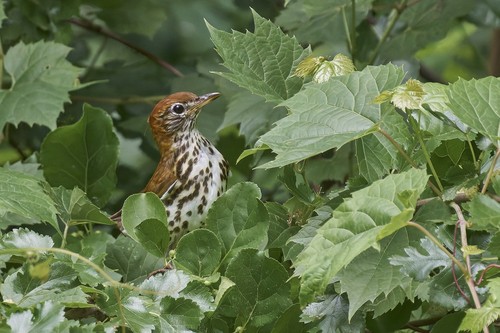
Wood Thrush
19-21 cm (7.5-8.3 in) long, about 33 cm (13 in) wingspan