
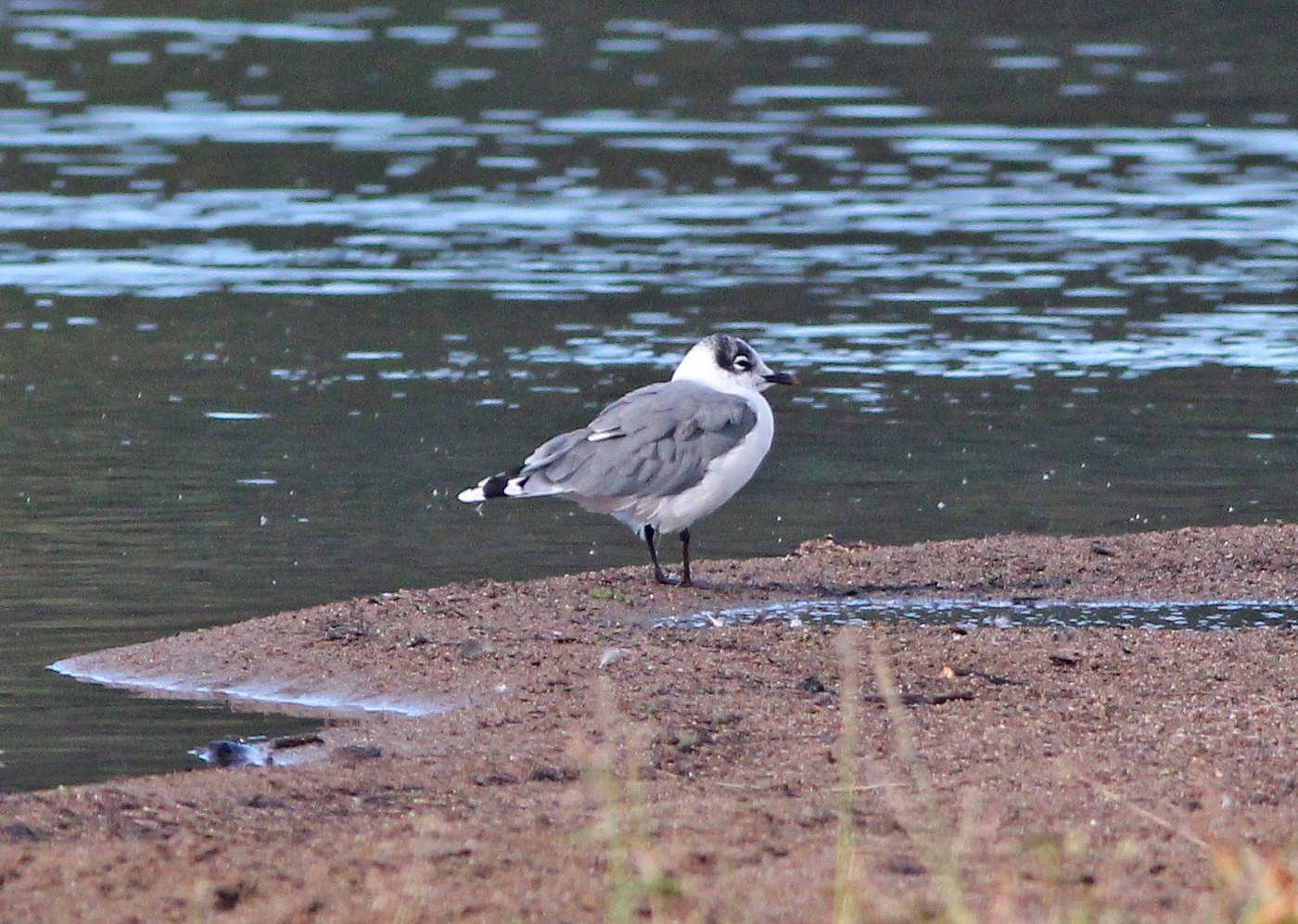
Franklin's Gull
Leucophaeus pipixcan
A small, dapper prairie-nesting gull, sometimes called the 'prairie dove,' that undertakes one of the longest migrations of any gull, wintering along the Pacific coast of South America.
- Size
- 32-36 cm (13-14 in) long, 85-95 cm wingspan
- Habitat
- prairie marshes and lakes for breeding; coastal waters in winter
- Type
- seabird
Spotted a bird like this?
Identify any bird from a photo, free.
Overview
Franklin's Gull is a compact, elegant gull of interior North America, breeding in vast marshy colonies on prairie lakes and wetlands. In breeding plumage it sports a full black hood bordered by bold white crescents above and below the eye, a dark slate-gray mantle, and underparts often washed with a delicate pink blush.
The bill and legs are dark red, deepening in color during courtship. In flight, the wingtips show a distinctive pattern: black tips separated from the gray mantle by a crisp white band, giving a tricolored look unlike most other small gulls. Non-breeding birds lose the full hood, retaining a dark half-hood or smudge on the nape with the bold white eye crescents still visible.
Franklin's Gulls are famous for their close association with agriculture, following plows to feast on exposed earthworms and grubs, and forming enormous, swirling flocks during migration.
How to identify it
Key field marks
- Black hood (breeding) with thick white crescents both above and below the eye
- Small, dark red bill and legs
- Black wingtips separated from the gray mantle by a clean white band
- Often a pale pink wash on the breast in fresh breeding plumage
- Compact, stocky build compared to other small hooded gulls
Similar species
- Laughing Gull: larger, longer-billed, less white in the wingtip, and lacks the bold double eye crescents.
- Bonaparte's Gull: smaller still, black bill, orange-red legs, and a white wedge on the outer wing rather than a white band.
- Black-headed Gull: brown (not black) hood and a white leading-edge wedge on the wing rather than a subterminal white band.
Habitat & range
Habitat
Breeding habitat consists of large freshwater marshes and shallow prairie lakes with extensive stands of emergent vegetation such as bulrush, where colonies may number in the thousands. In winter, birds shift to coastal waters, harbors, and agricultural fields.
Range and migration
Franklin's Gull breeds in the northern Great Plains of the United States and the prairie provinces of Canada. It undertakes an exceptionally long migration, traveling through the interior United States and Central America to winter almost entirely along the Pacific coast of South America, from Peru south to Chile, occasionally reaching the Gulf Coast in transit.
Behavior & voice
Behavior
Highly social at all seasons, Franklin's Gulls migrate and winter in large, tightly packed flocks and are famous for trailing farm machinery to catch insects and earthworms turned up by plowing.
Voice
Calls include a nasal, high-pitched "weeh-ah" or laughing note, softer and higher-pitched than the Laughing Gull's call.
Feeding
They feed heavily on insects, especially grasshoppers and crickets on the breeding grounds, as well as earthworms in agricultural fields, and small aquatic invertebrates and fish at sea.
Nesting and breeding
Nests are built as floating platforms of marsh vegetation anchored among reeds, often in enormous colonies numbering in the tens of thousands of pairs. Both parents incubate the typical clutch of two to three eggs and share chick-rearing duties.
Frequently asked questions
Why is Franklin's Gull called the 'prairie dove'?
Its gentle, buoyant flight and association with prairie farmland and marshes, far from the ocean, earned it this nickname among plains settlers.
How far does Franklin's Gull migrate?
It travels from breeding grounds on the northern Great Plains to wintering areas along the Pacific coast of South America, one of the longest migrations of any gull.
How do you tell Franklin's Gull from Laughing Gull?
Franklin's Gull is smaller and stockier with bold white crescents above and below the eye and a clean white band separating the black wingtip from the gray wing, while Laughing Gull is larger with less white in the wing.
What does Franklin's Gull eat?
Mainly insects such as grasshoppers and earthworms on its prairie breeding grounds, and aquatic invertebrates and small fish in winter.
Where does Franklin's Gull breed?
It nests colonially in large marshes on the northern Great Plains of the United States and the prairie provinces of Canada.
Franklin's Gull guides
In-depth guides for identifying, finding, and understanding Franklin's Gull.
Other birds you may enjoy
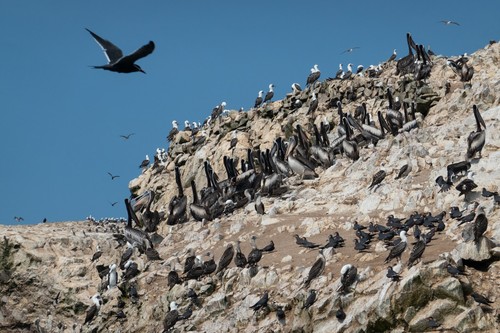
Peruvian Pelican
137-152 cm (54-60 in) long, up to 228 cm wingspan
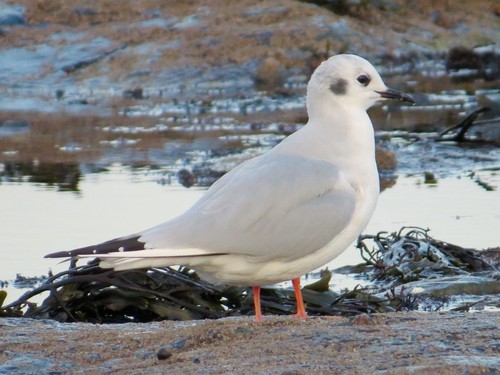
Bonaparte's Gull
28-33 cm (11-13 in) long, 76-84 cm wingspan
Brown Pelican
106-137 cm (42-54 in) long, 200-230 cm wingspan
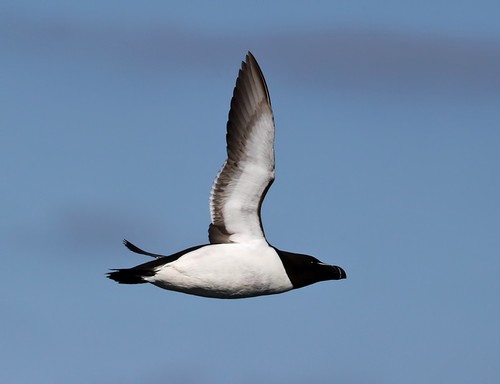
Razorbill
37-39 cm (15-15.5 in) long, 63-68 cm wingspan
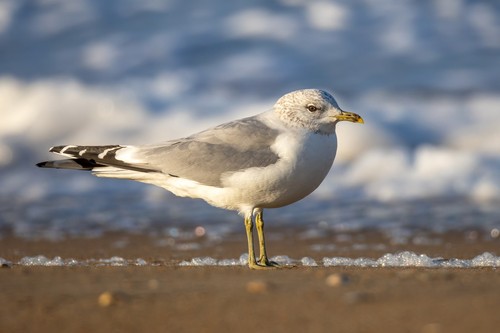
Common Gull
40-46 cm (16-18 in) long, 110-130 cm wingspan
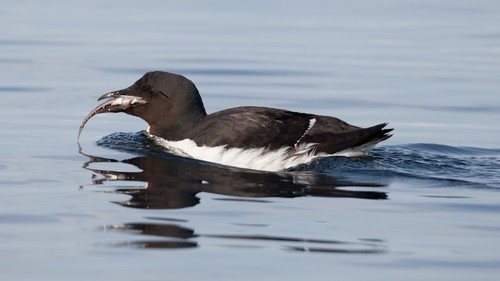
Thick-billed Murre
40-48 cm (16-19 in) long, 65-75 cm wingspan
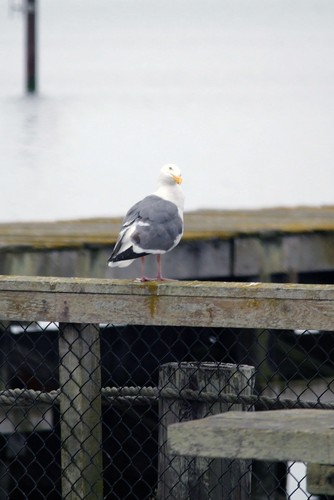
Western Gull
55-68 cm (22-27 in) long, 130-144 cm wingspan
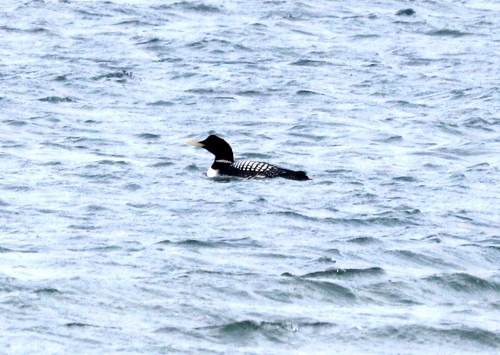
Yellow-billed Loon
76-97 cm (30-38 in) long, 135-152 cm wingspan
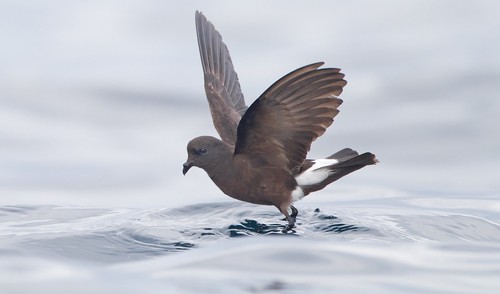
Wilson's Storm-Petrel
15-19 cm (6-7.5 in) long, wingspan 38-42 cm (15-16.5 in)
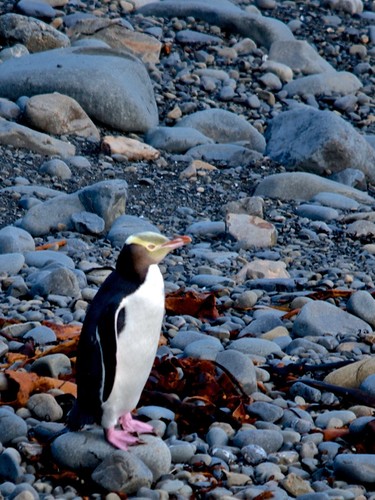
Yellow-eyed Penguin
62-79 cm (24-31 in) tall, 3-8.5 kg (6.6-18.7 lb)
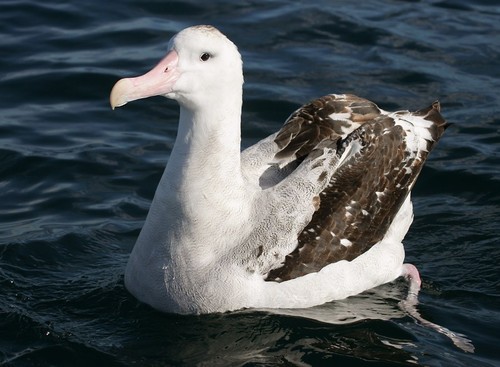
Wandering Albatross
107-135 cm (42-53 in) long, wingspan up to 3.5 m (11.5 ft)
Tufted Puffin
35-41 cm (14-16 in) long, about 63-70 cm wingspan