
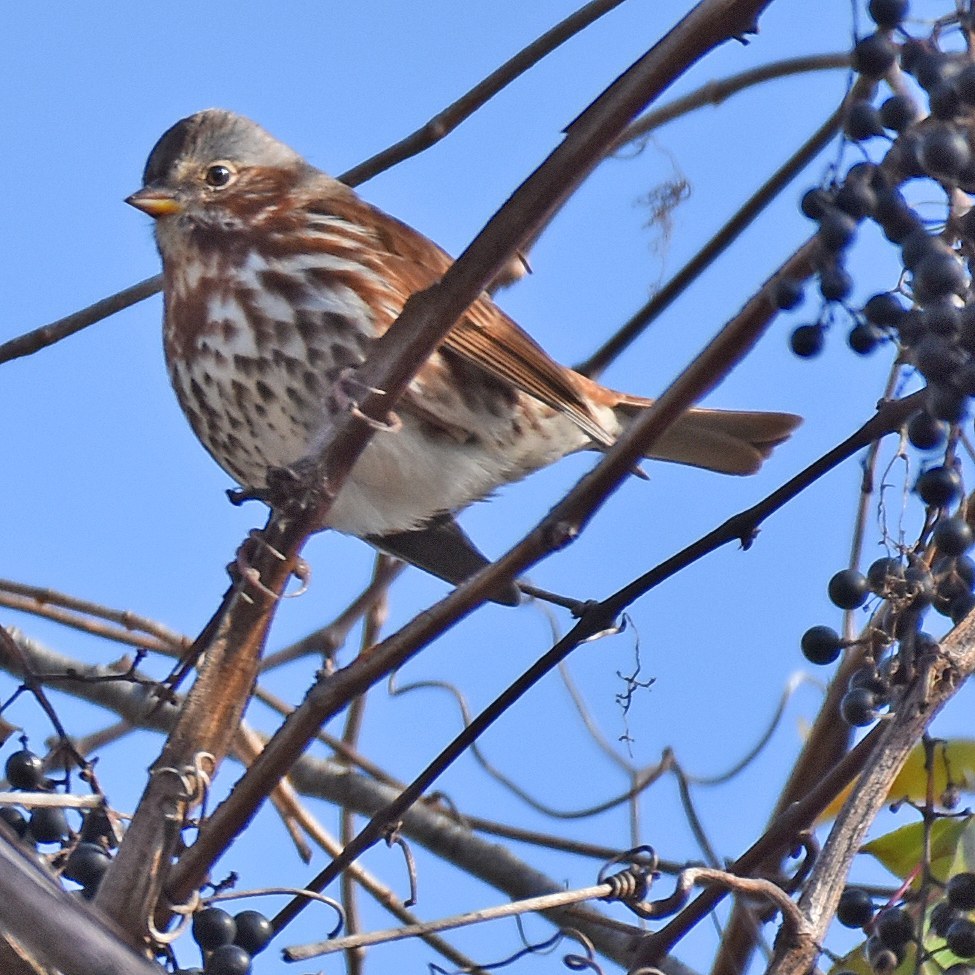
Fox Sparrow
Passerella iliaca
A large, robust sparrow named for its rich rufous coloring in eastern populations, known for vigorously kicking through leaf litter to forage.
- Size
- 15-19 cm (5.9-7.5 in) long, 26-31 cm wingspan
- Habitat
- dense shrub thickets, brushy woodland edges, and undergrowth; varies with regional subspecies
- Type
- songbird
Spotted a bird like this?
Identify any bird from a photo, free.
Overview
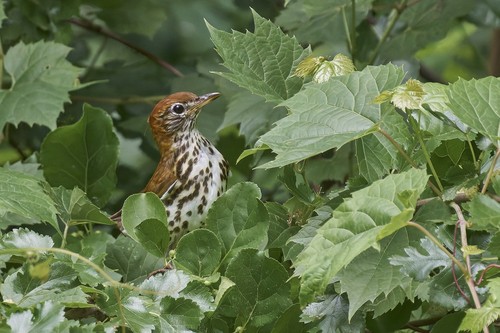
The Fox Sparrow is a large, chunky sparrow that varies considerably in appearance across its range, since it is made up of several distinct regional groups ("Red," "Sooty," "Slate-colored," and "Thick-billed") that were once considered separate species and may be split again in the future. The eastern "Red" form, most familiar to many birders, shows bright rufous-red in the wings and tail, with heavy dark triangular spotting on a white breast that often coalesces into a central blotch.
Western forms range from uniformly dark sooty brown (Pacific coast) to plain gray-backed with a contrasting rusty tail (interior mountains), but all forms share the same large size, heavy build, and stout bill.
How to identify it
Key field marks
- Large, heavy-bodied sparrow, noticeably bigger than most other sparrows
- Heavy, blurry dark spotting on the breast, often merging into a central spot
- Reddish tail in most forms, contrasting with body color
- Stout, conical bill, color varying by subspecies group
Similar species
- Song Sparrow is smaller and slimmer with finer, more defined breast streaking rather than the Fox Sparrow's heavy blotchy spotting.
- Hermit Thrush can suggest a Fox Sparrow at a glance due to a reddish tail, but is a thrush with a thin bill and spotted (not streaked) breast in a different pattern, and bobs its tail.
Habitat & range
Fox Sparrows breed across a broad swath of North America, including boreal forest and shrub thickets of Canada and Alaska, coastal shrub of the Pacific Northwest, and high mountain chaparral in the West, with different subspecies groups occupying different regions. In winter, most populations move to the southern and eastern United States and the Pacific coast, favoring dense brushy thickets, woodland edges, and overgrown gardens.
Migration distance and timing vary by subspecies group, with some Pacific coastal populations being largely resident while boreal-breeding "Red" Fox Sparrows migrate long distances to the southeastern US.
Behavior & voice
Fox Sparrows are notable for their vigorous, double-footed "kick-scratch" foraging technique, hopping backward with both feet to scatter leaf litter and expose hidden insects and seeds, a distinctive and noisy behavior that often reveals the bird's presence before it is seen.
The song is loud, rich, and melodious, made up of clear whistled phrases and short trills, considered one of the finer sparrow songs; call notes include a sharp "smack" or "tschup." Diet consists of insects and other invertebrates during the breeding season, shifting toward seeds and berries in fall and winter. Nests are built low in dense shrubs or on the ground, well concealed, with clutches typically of two to five eggs.
Frequently asked questions
How do you identify a Fox Sparrow?
Look for a large, heavy-bodied sparrow with heavy blurry spotting on the breast (often forming a central blotch), a reddish tail, and a stout bill; exact coloring varies by region.
Why does the Fox Sparrow have several different color forms?
It is made up of several distinct regional groups (Red, Sooty, Slate-colored, and Thick-billed) that breed in different parts of North America and show quite different plumage, and were historically considered separate species.
What does a Fox Sparrow sound like?
A loud, rich, melodious song of clear whistles and short trills, considered one of the more musical sparrow songs, along with a sharp 'smack' call note.
How does a Fox Sparrow forage?
It uses a vigorous double-footed 'kick-scratch' technique, hopping backward to scatter leaf litter and uncover hidden food, which often makes a surprisingly loud rustling noise.
Where do Fox Sparrows live?
They breed across boreal Canada and Alaska, the Pacific Northwest coast, and western mountains, and winter mainly in the southern and eastern US and along the Pacific coast, in dense shrubby thickets.
Fox Sparrow guides
In-depth guides for identifying, finding, and understanding Fox Sparrow.
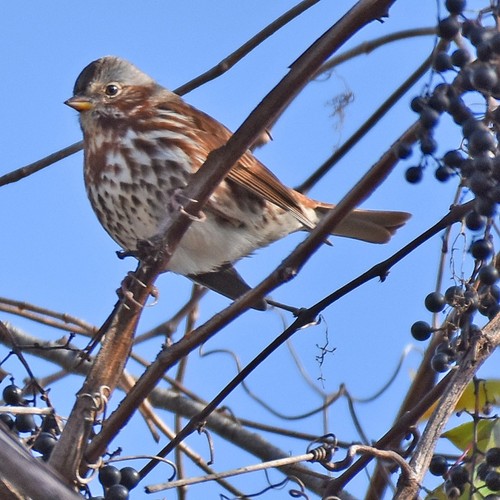
Other birds you may enjoy
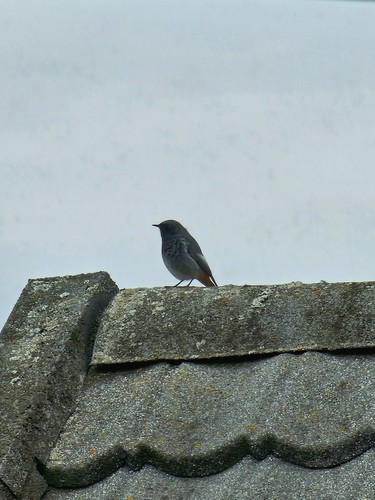
Black Redstart
13-14.5 cm (5.1-5.7 in) long, 23-26 cm wingspan
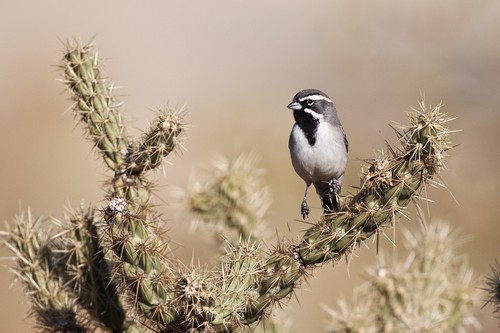
Black-throated Sparrow
12-14 cm (4.7-5.5 in) long, about 19-20 cm (7.5-8 in) wingspan
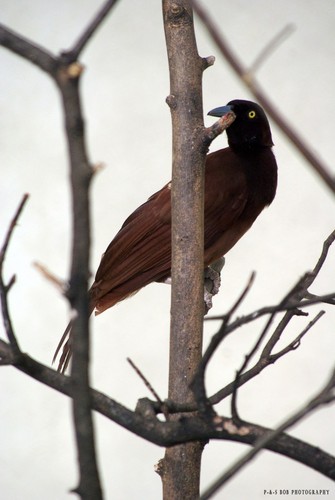
Greater Bird-of-paradise
Body about 43 cm; males with additional flank plumes up to 50 cm and long tail wires
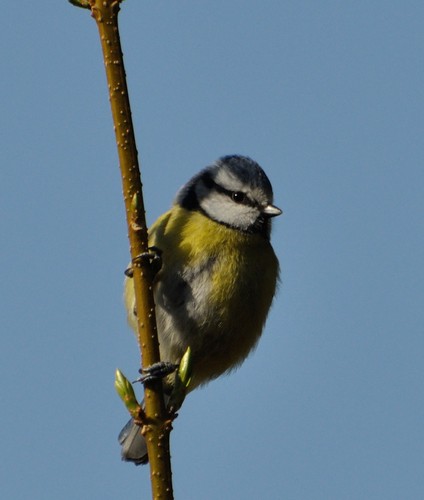
Blue Tit
11-12 cm (4.3-4.7 in) long, 17-20 cm wingspan
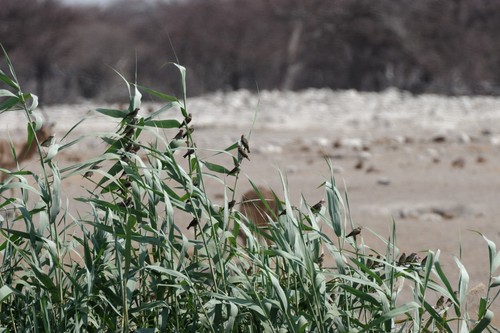
Red-billed Quelea
11.5–13 cm long, wingspan about 20–22 cm
White-plumed Antbird
13-14 cm (5-5.5 in) long
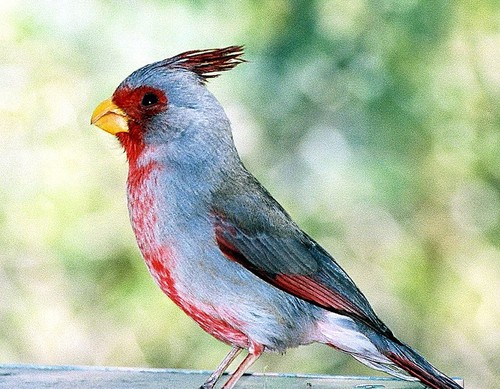
Pyrrhuloxia
19-22 cm (7.5-8.7 in) long, 30 cm wingspan
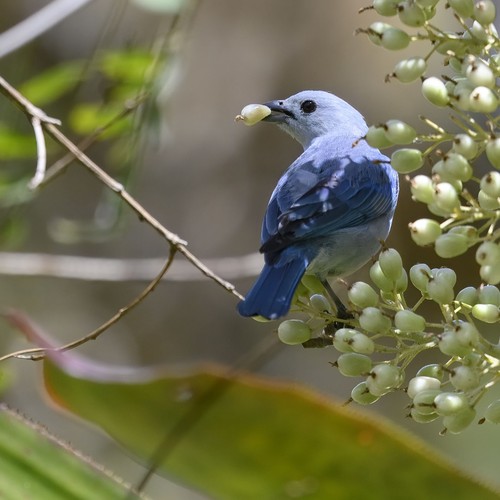
Blue-gray Tanager
16-18 cm (6-7 in) long
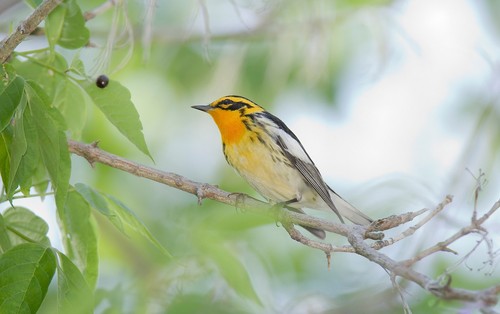
Blackburnian Warbler
11-13 cm (4.3-5.1 in) long, 20-22 cm wingspan
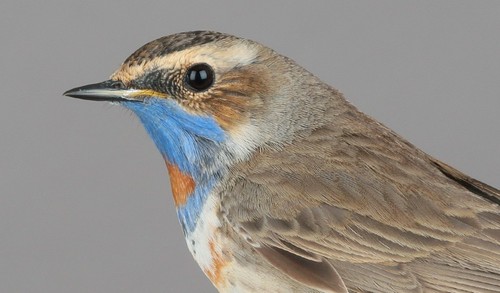
Bluethroat
13-14 cm (5.1-5.5 in) long, 20-22 cm wingspan
Eurasian Nuthatch
12-14.5 cm (4.7-5.7 in) long, 22.5-27 cm wingspan
Wood Thrush
19-21 cm (7.5-8.3 in) long, about 33 cm (13 in) wingspan