
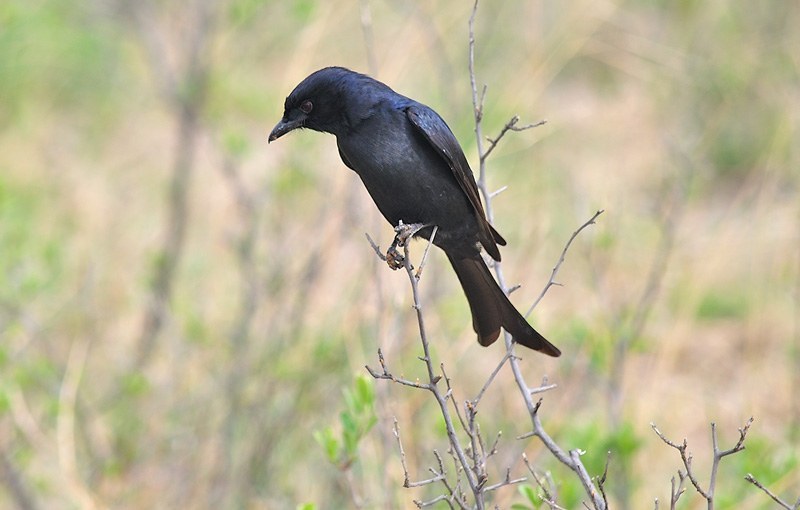
Fork-tailed Drongo
Dicrurus adsimilis
A glossy black, red-eyed African songbird known for its deeply forked tail, aerial hunting, and habit of mimicking alarm calls to steal food.
- Size
- About 25 cm long, with a deeply forked tail
- Habitat
- Savanna, open woodland, farmland, and gardens across sub-Saharan Africa
- Type
- songbird
Spotted a bird like this?
Identify any bird from a photo, free.
Overview
The Fork-tailed Drongo is a bold, all-black passerine found throughout much of sub-Saharan Africa. It is best known for its acrobatic flight, aggressive temperament, and remarkable ability to mimic the alarm calls of other animals to scare them away from food — a well-studied example of vocal deception in birds.
Appearance
- Entirely glossy black plumage with a blue-green sheen in good light
- Bright red eyes
- A long, deeply forked "fish-tail" shape, most obvious in flight
- Sexes look alike
How to identify it
Key field marks
- All-black body with a glossy sheen
- Deeply forked tail, distinctly notched at the tip
- Red eye visible at close range
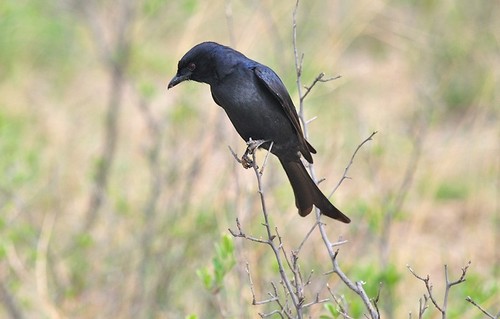
- Often perches upright on wires, fence posts, or bare branches
Similar species
- Square-tailed Drongo (Dicrurus ludwigii) is smaller with a much shallower tail fork and is found in forest rather than open savanna
- Black cuckooshrikes and black flycatchers lack the strongly forked tail and red eye
- Behavior is a strong clue: drongos sally out from perches in swift, twisting flight to catch flying insects
Habitat & range
Range
Found across most of sub-Saharan Africa, from Senegal to Ethiopia and south through East and southern Africa.
Habitat
Common in open savanna, woodland edge, farmland, and gardens; generally avoids dense forest interior. It is a familiar bird perched on fences and roadside wires.
Migration
Largely resident, though some local and altitudinal movements occur in response to food availability.
Behavior & voice
Voice
A varied repertoire of harsh, grating, and metallic notes, mixed with excellent mimicry of other birds and even mammal alarm calls, such as those of meerkats and other songbird species.
Feeding
Hunts mainly by aerial sallying, darting out from a perch to snatch flying insects; also known for kleptoparasitism, giving false alarm calls that mimic those of other species to make them drop or abandon food, which the drongo then steals.
Nesting and breeding
Builds a shallow cup nest of twigs bound with spider web, slung in a tree fork; both parents are highly aggressive in nest defense and will mob much larger birds, including raptors.
Frequently asked questions
Why does the Fork-tailed Drongo mimic other animals' calls?
It gives false alarm calls, sometimes copying the specific alarm sounds of other species, to trick them into fleeing or dropping food, which the drongo then steals.
How do you identify a Fork-tailed Drongo?
Look for an all-black bird with red eyes and a deeply forked, fish-tail-shaped tail, often perched upright on wires or bare branches.
What does a Fork-tailed Drongo eat?
Mainly flying insects caught in acrobatic aerial sallies, supplemented by food stolen from other animals through mimicry.
Are Fork-tailed Drongos aggressive?
Yes, they are highly territorial and will fearlessly mob much larger birds, including hawks and eagles, especially near their nest.
Fork-tailed Drongo guides
In-depth guides for identifying, finding, and understanding Fork-tailed Drongo.
Other birds you may enjoy
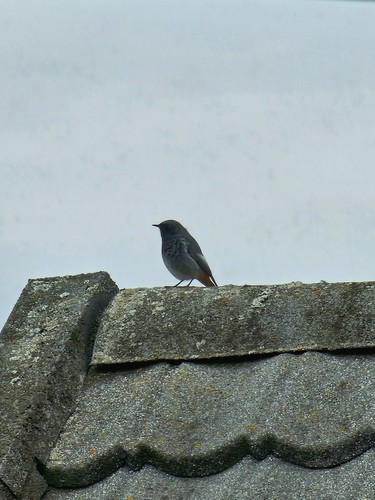
Black Redstart
13-14.5 cm (5.1-5.7 in) long, 23-26 cm wingspan
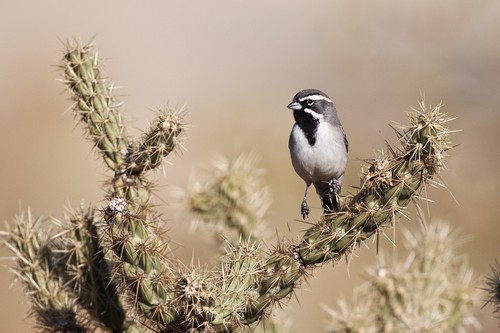
Black-throated Sparrow
12-14 cm (4.7-5.5 in) long, about 19-20 cm (7.5-8 in) wingspan
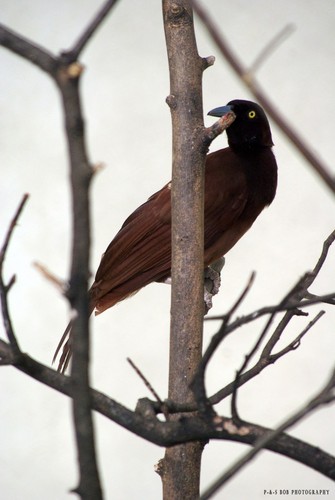
Greater Bird-of-paradise
Body about 43 cm; males with additional flank plumes up to 50 cm and long tail wires
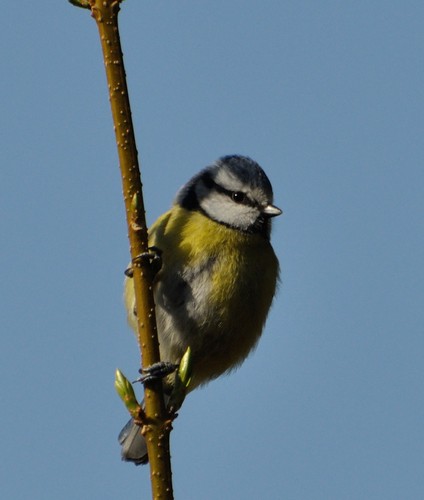
Blue Tit
11-12 cm (4.3-4.7 in) long, 17-20 cm wingspan
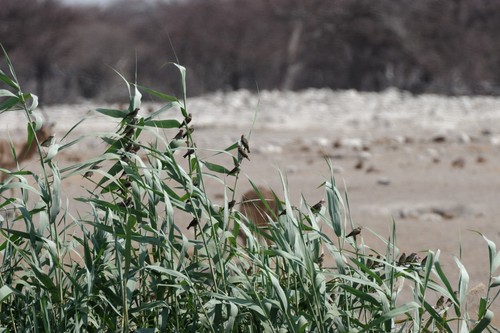
Red-billed Quelea
11.5–13 cm long, wingspan about 20–22 cm
White-plumed Antbird
13-14 cm (5-5.5 in) long
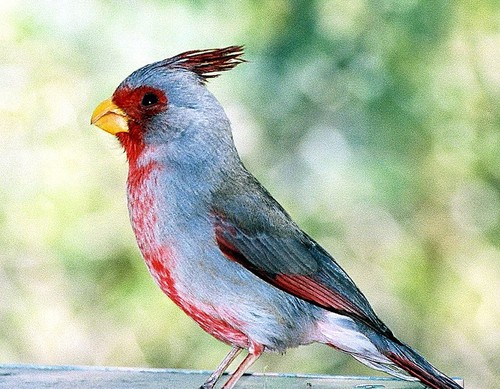
Pyrrhuloxia
19-22 cm (7.5-8.7 in) long, 30 cm wingspan
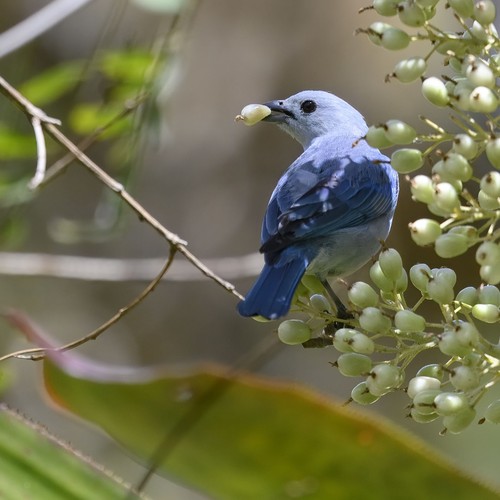
Blue-gray Tanager
16-18 cm (6-7 in) long
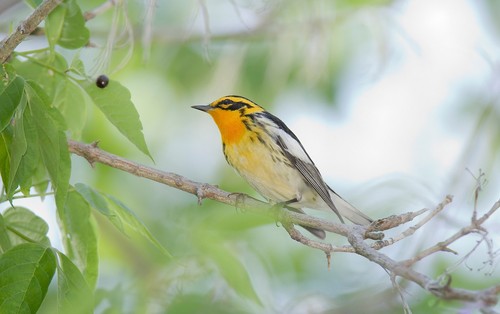
Blackburnian Warbler
11-13 cm (4.3-5.1 in) long, 20-22 cm wingspan
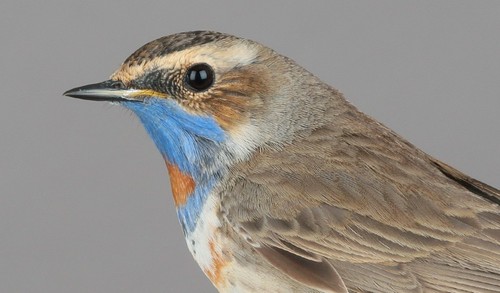
Bluethroat
13-14 cm (5.1-5.5 in) long, 20-22 cm wingspan
Eurasian Nuthatch
12-14.5 cm (4.7-5.7 in) long, 22.5-27 cm wingspan
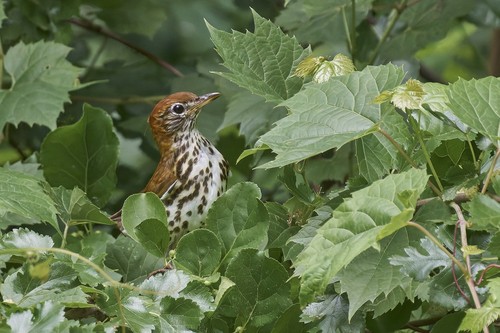
Wood Thrush
19-21 cm (7.5-8.3 in) long, about 33 cm (13 in) wingspan