
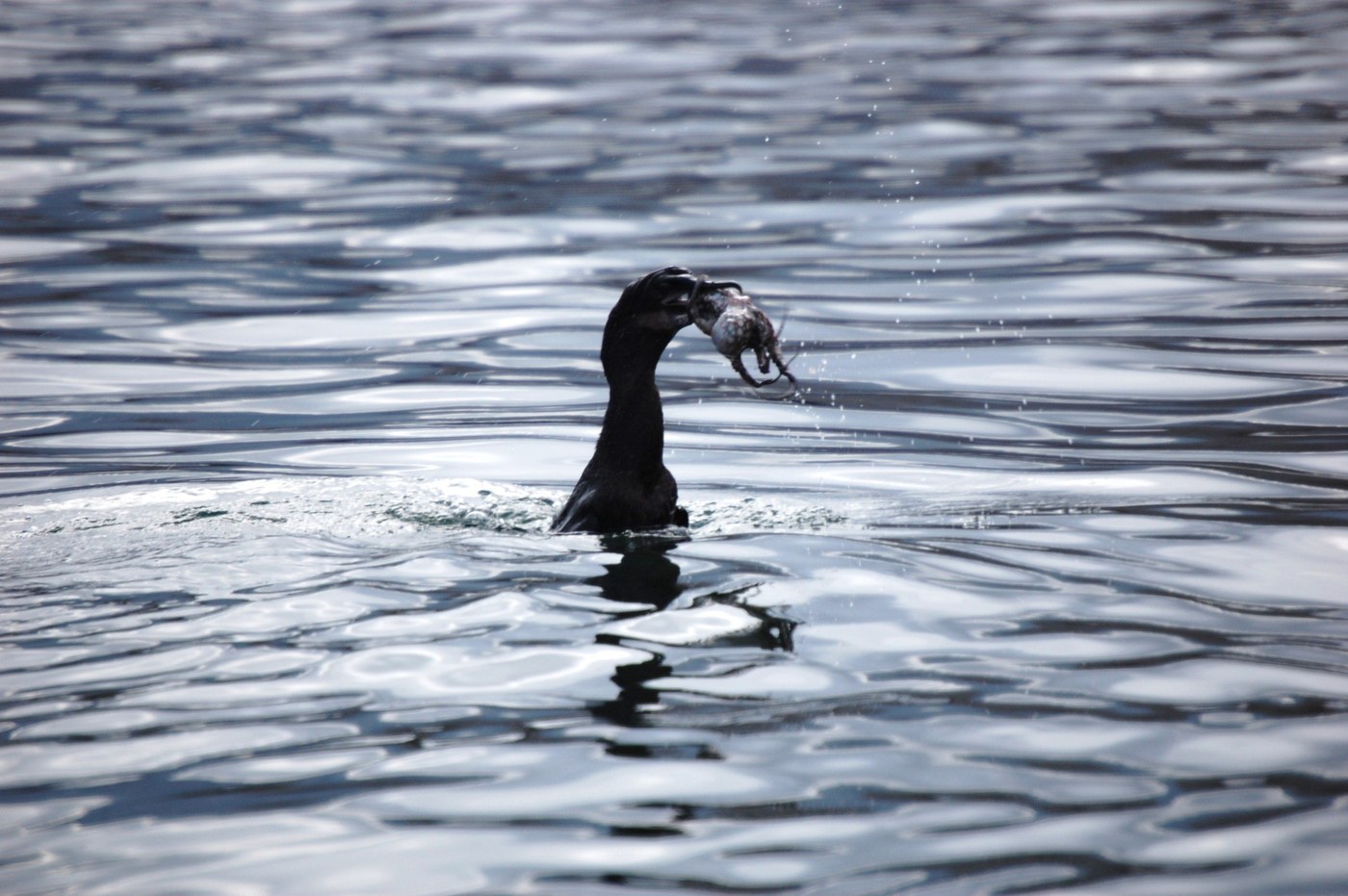
Flightless Cormorant
Nannopterum harrisi
A uniquely flightless Galapagos cormorant with tiny, useless wings, adapted entirely for swimming and diving.
- Size
- 89-100 cm (35-39 in) long, wings reduced and non-functional for flight
- Habitat
- rocky coastal shorelines of the western Galapagos Islands
- Type
- seabird
Spotted a bird like this?
Identify any bird from a photo, free.
Overview
The Flightless Cormorant is the only cormorant species in the world that has lost the ability to fly, found solely along the rocky shores of the western Galapagos Islands. Its wings are drastically reduced to roughly a third the size needed for flight, with degenerated flight feathers, while its body has become larger and its legs stronger for powerful underwater swimming. Adults have blackish-brown plumage, a long hooked bill, and striking turquoise eyes.
With no native land predators to escape, the species evolved to devote all its energy to diving for food rather than flight, making it a classic example of island evolution.
How to identify it
Key field marks
- Tiny, stubby wings held loosely away from the body
- Large, heavy-bodied build with strong legs and big webbed feet
- Dark brownish-black plumage with a coppery sheen
- Bright turquoise eye
Similar species
- No other cormorant shares its range in the Galapagos, and its inability to fly combined with its reduced wings make it unmistakable.
- Superficially resembles other cormorants at rest, but the tiny, frayed-looking wings are diagnostic.
Habitat & range
Habitat
Restricted to rocky coastal shorelines with cold, food-rich waters, rarely venturing far from the shoreline.
Range
Endemic to the western coasts of Isabela and Fernandina Islands in the Galapagos archipelago.
Migration
Non-migratory and highly sedentary, with individuals typically remaining within a very small home range for life.
Behavior & voice
Behavior
Spends most of its time resting on shoreline rocks or swimming and diving just offshore, using only its powerful legs and feet for underwater propulsion since its wings cannot support flight.
Voice
Gives low grunts and hisses, particularly during courtship and at the nest.
Feeding
Dives to the seafloor to catch fish, octopus, and eels among rocks and kelp.
Nesting
Nests in small colonies on bare rocky ground near the shore, building a nest of seaweed and marine debris; typically lays 2-3 eggs, though usually only one chick survives.
Frequently asked questions
Why can't the Flightless Cormorant fly?
Over generations of isolation on predator-free Galapagos islands, its wings evolved to become greatly reduced in size, since flight was no longer necessary for survival.
Where does the Flightless Cormorant live?
It is found only along the rocky western coastlines of Isabela and Fernandina Islands in the Galapagos.
Is the Flightless Cormorant endangered?
It is classified as Vulnerable, with a small population restricted to a very limited range, making it sensitive to environmental changes such as El Nino events.
How does the Flightless Cormorant catch food?
It dives from the shore and swims underwater using its strong legs and feet to hunt fish, octopus, and eels along the seafloor.
Flightless Cormorant guides
In-depth guides for identifying, finding, and understanding Flightless Cormorant.
Other birds you may enjoy
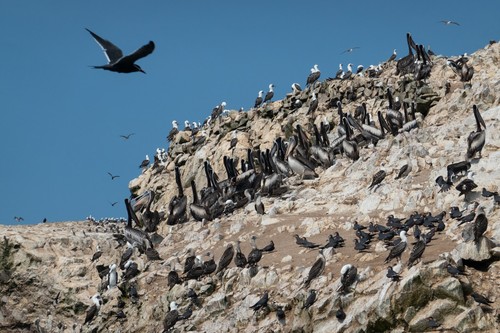
Peruvian Pelican
137-152 cm (54-60 in) long, up to 228 cm wingspan
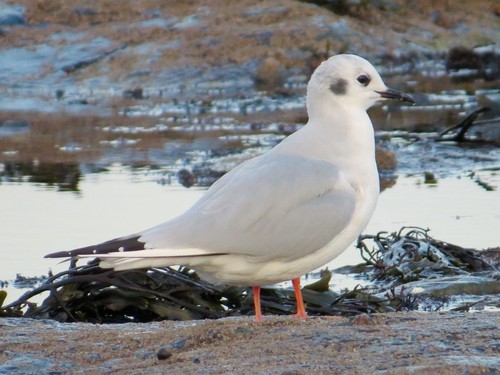
Bonaparte's Gull
28-33 cm (11-13 in) long, 76-84 cm wingspan
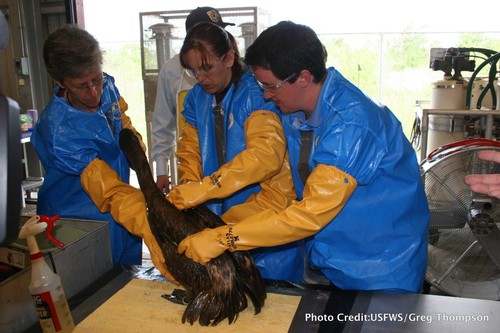
Brown Pelican
106-137 cm (42-54 in) long, 200-230 cm wingspan
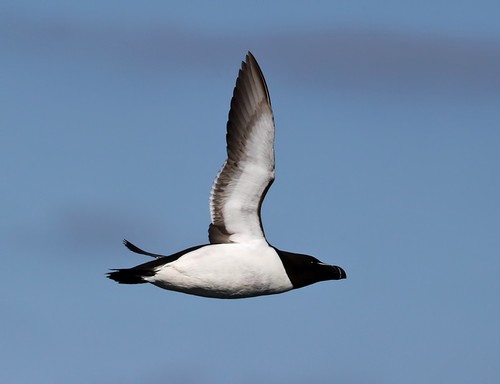
Razorbill
37-39 cm (15-15.5 in) long, 63-68 cm wingspan
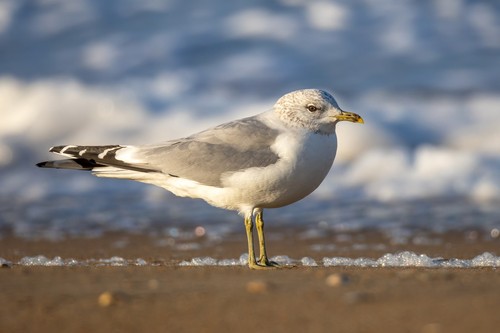
Common Gull
40-46 cm (16-18 in) long, 110-130 cm wingspan
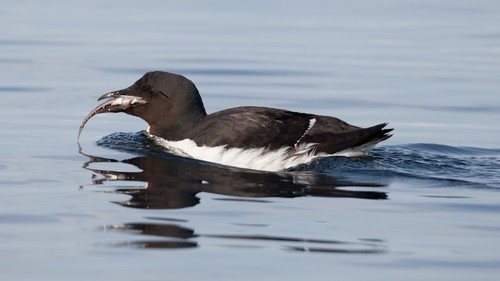
Thick-billed Murre
40-48 cm (16-19 in) long, 65-75 cm wingspan
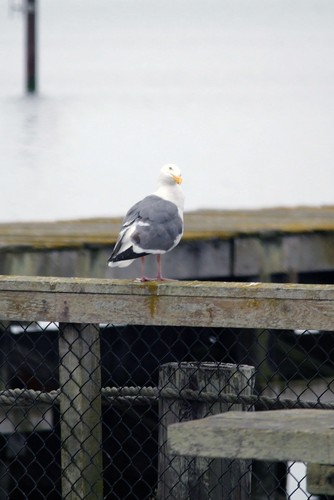
Western Gull
55-68 cm (22-27 in) long, 130-144 cm wingspan
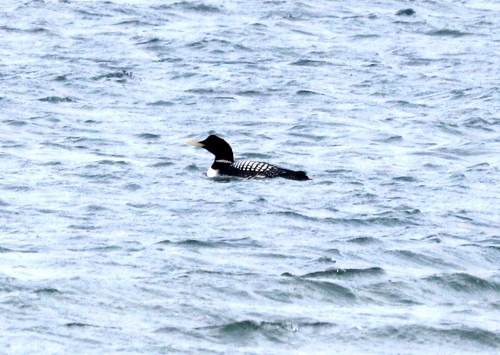
Yellow-billed Loon
76-97 cm (30-38 in) long, 135-152 cm wingspan
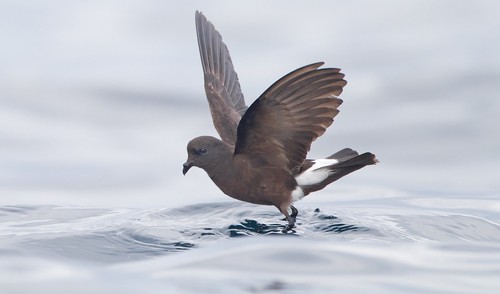
Wilson's Storm-Petrel
15-19 cm (6-7.5 in) long, wingspan 38-42 cm (15-16.5 in)
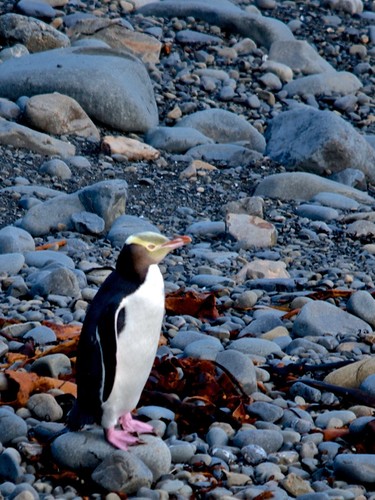
Yellow-eyed Penguin
62-79 cm (24-31 in) tall, 3-8.5 kg (6.6-18.7 lb)
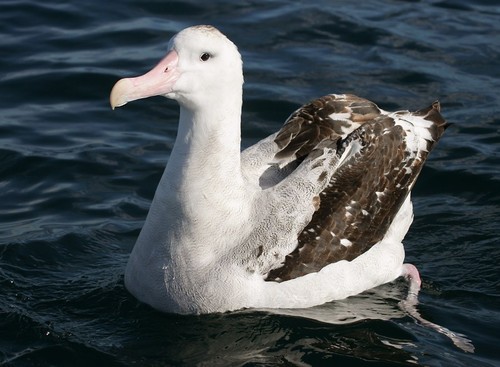
Wandering Albatross
107-135 cm (42-53 in) long, wingspan up to 3.5 m (11.5 ft)
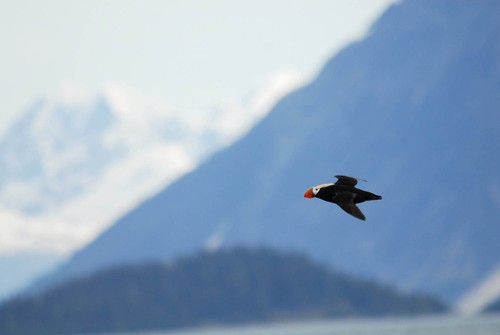
Tufted Puffin
35-41 cm (14-16 in) long, about 63-70 cm wingspan