
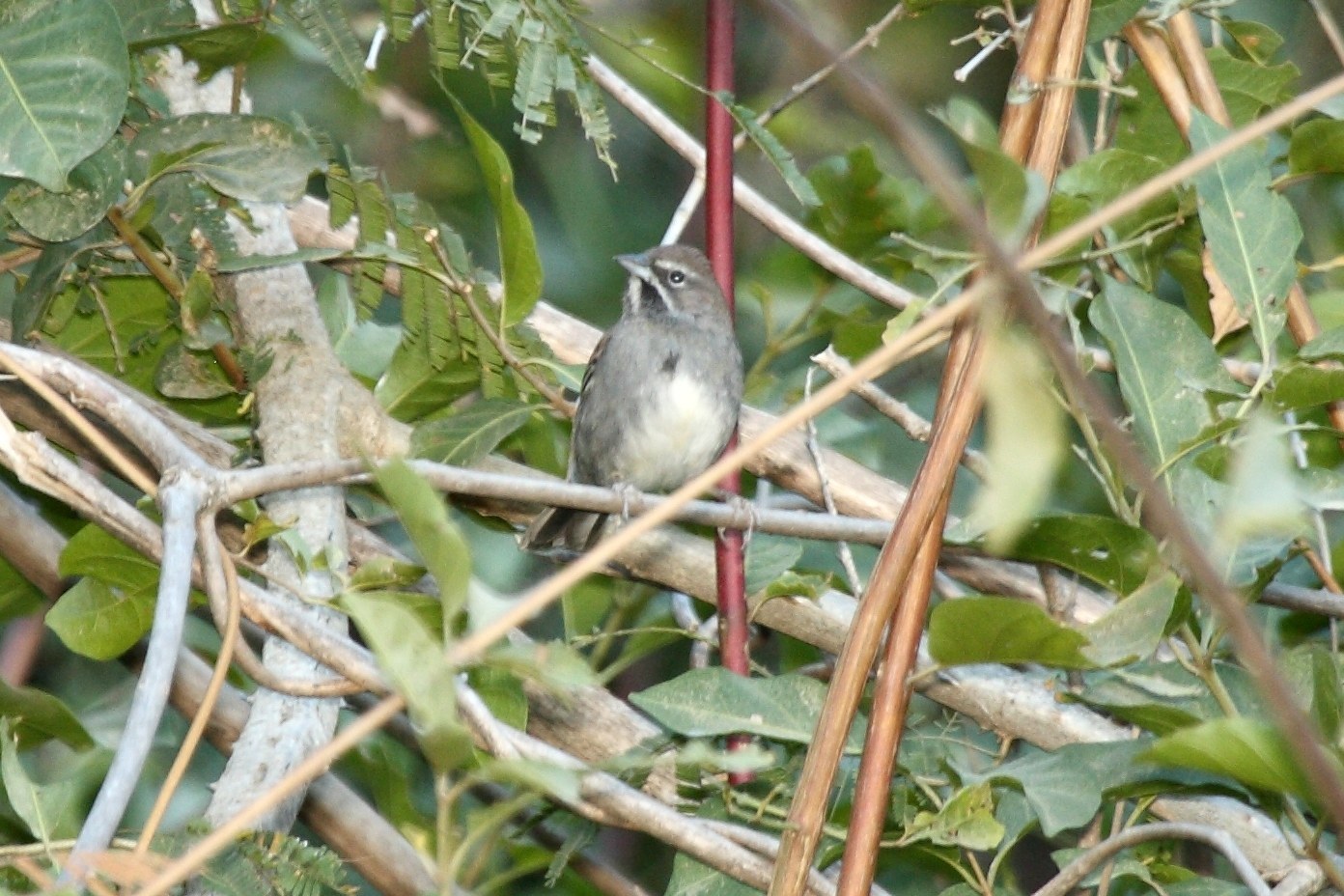
Five-striped Sparrow
Amphispiza quinquestriata
A boldly patterned, black-throated sparrow found in the US only in a handful of remote southeastern Arizona canyons.
- Size
- 14-16 cm (5.5-6.3 in) long, about 20 cm (8 in) wingspan
- Habitat
- steep, rocky desert canyons with dense thorny scrub
- Type
- songbird
Spotted a bird like this?
Identify any bird from a photo, free.
Overview
The Five-striped Sparrow is a striking, mostly Mexican species that reaches the United States only in a small number of steep, thornscrub-choked canyons in southeastern Arizona, making it one of the most sought-after and range-restricted sparrows for American birders.
The bird's name refers to the bold pattern of white stripes on its dark head and throat: a white eyebrow, a white submoustachial stripe, and a white border around a solidly black throat combine with the dark gray head and back to create a striking, high-contrast face pattern. The breast is gray with a small dark central spot, and the wings show a rufous patch.
In the US, this species is a local and irregular summer visitor, with numbers and presence varying from year to year depending on rainfall and habitat conditions.
How to identify it
Key Field Marks
- Dark gray head and back
- Solid black throat bordered by a striking white pattern (eyebrow, submoustachial stripe, and throat outline)
- Gray breast with a small dark central spot
- Rufous patch on the wing
Similar Species
- Black-throated Sparrow: also has a black throat and white facial stripes, but shows a much paler gray head and lacks the rufous wing patch and breast spot
In the US, habitat alone is highly diagnostic: this species is essentially only found in a small set of steep, rocky, thorn-scrub canyons in southeastern Arizona, so encountering the right habitat is itself a strong identification clue.
Habitat & range
The Five-striped Sparrow is primarily a Mexican species, found from Sonora south through western Mexico to Oaxaca, where it inhabits steep, rocky canyons and hillsides covered in dense thorny scrub. In the United States, it occurs only very locally as a summer resident in a handful of remote canyons in southeastern Arizona, such as California Gulch, near the international border.
The species tends to arrive in its US range in spring and is present through the summer monsoon season, when singing activity peaks, with most or all birds withdrawing south into Mexico by winter.
Behavior & voice
Behavior
This sparrow tends to stay within dense, thorny scrub on steep slopes, foraging on or near the ground, and can be inconspicuous outside of the breeding season when it is not singing.
Voice
The song is a variable, jumbled series of chips, buzzes, and trills, often delivered from an exposed perch on a shrub, particularly active at dawn and dusk and following summer monsoon rains.
Feeding
Diet consists of insects and seeds gathered from the ground and low scrub vegetation.
Nesting and Breeding
Nests are built low in dense thorny shrubs on steep canyon slopes. Breeding activity in the US typically coincides with the onset of summer monsoon rains, which boost insect availability for feeding young.
Frequently asked questions
Where can Five-striped Sparrows be found in the United States?
They occur only very locally in a small number of remote, steep, thorn-scrub canyons in southeastern Arizona, near the Mexican border.
How do you identify a Five-striped Sparrow?
Look for a dark gray-headed sparrow with a solid black throat bordered by bold white stripes, a gray breast with a dark central spot, and a rufous wing patch.
Is the Five-striped Sparrow rare?
It is rare and very local in the United States, though more widespread in its core range in western Mexico.
When is the best time to see Five-striped Sparrows in Arizona?
They are present as summer residents, with singing activity peaking around the summer monsoon season.
What habitat does the Five-striped Sparrow prefer?
It prefers steep, rocky canyons and hillsides covered in dense thorny scrub.
Five-striped Sparrow guides
In-depth guides for identifying, finding, and understanding Five-striped Sparrow.
Other birds you may enjoy
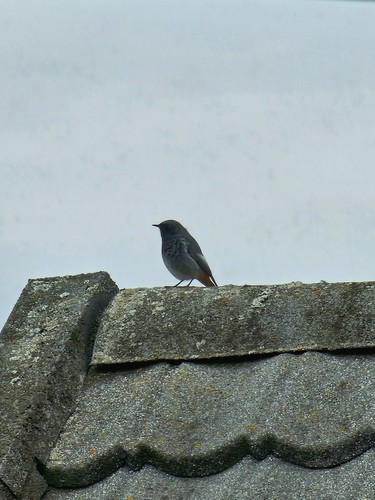
Black Redstart
13-14.5 cm (5.1-5.7 in) long, 23-26 cm wingspan
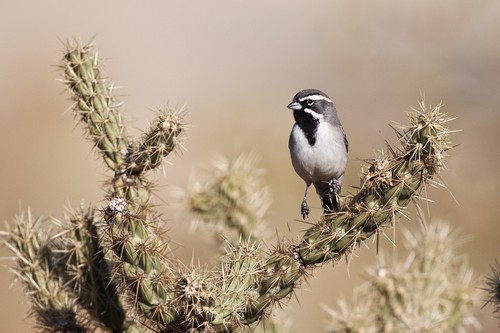
Black-throated Sparrow
12-14 cm (4.7-5.5 in) long, about 19-20 cm (7.5-8 in) wingspan
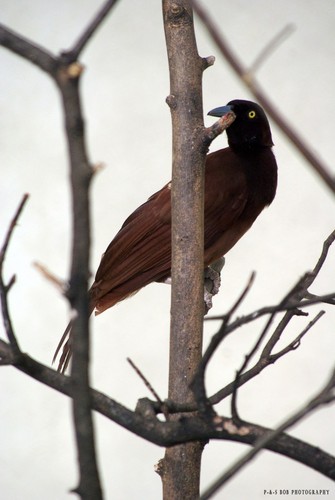
Greater Bird-of-paradise
Body about 43 cm; males with additional flank plumes up to 50 cm and long tail wires
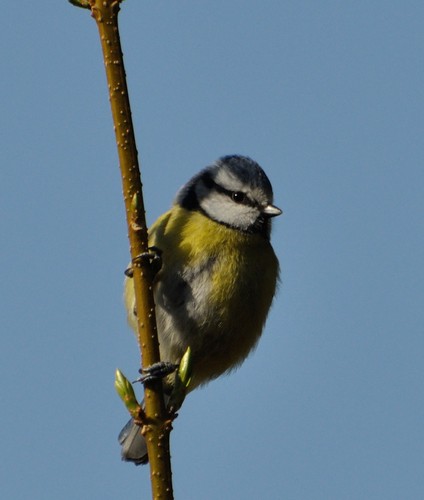
Blue Tit
11-12 cm (4.3-4.7 in) long, 17-20 cm wingspan
Red-billed Quelea
11.5–13 cm long, wingspan about 20–22 cm
White-plumed Antbird
13-14 cm (5-5.5 in) long
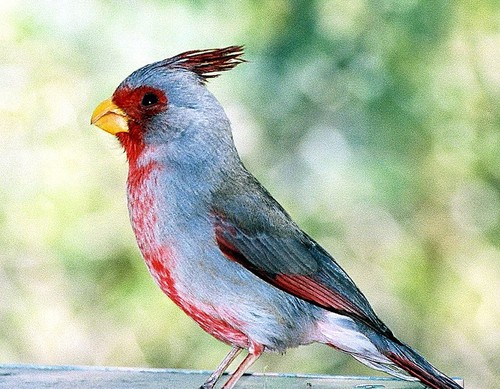
Pyrrhuloxia
19-22 cm (7.5-8.7 in) long, 30 cm wingspan
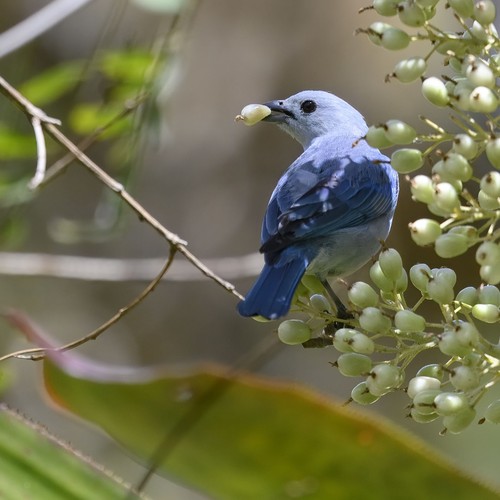
Blue-gray Tanager
16-18 cm (6-7 in) long
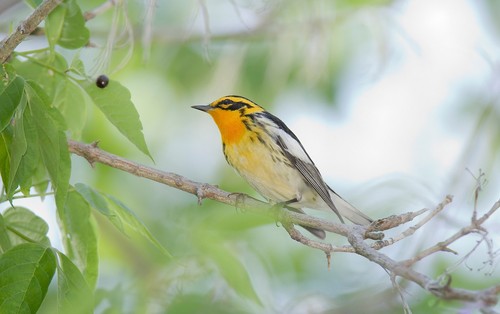
Blackburnian Warbler
11-13 cm (4.3-5.1 in) long, 20-22 cm wingspan
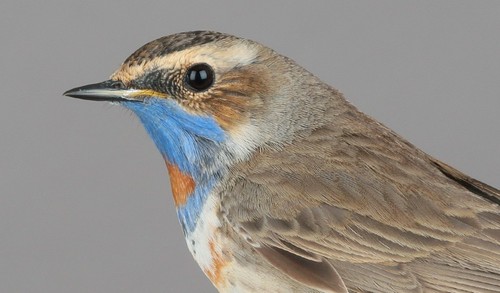
Bluethroat
13-14 cm (5.1-5.5 in) long, 20-22 cm wingspan
Eurasian Nuthatch
12-14.5 cm (4.7-5.7 in) long, 22.5-27 cm wingspan
Wood Thrush
19-21 cm (7.5-8.3 in) long, about 33 cm (13 in) wingspan