
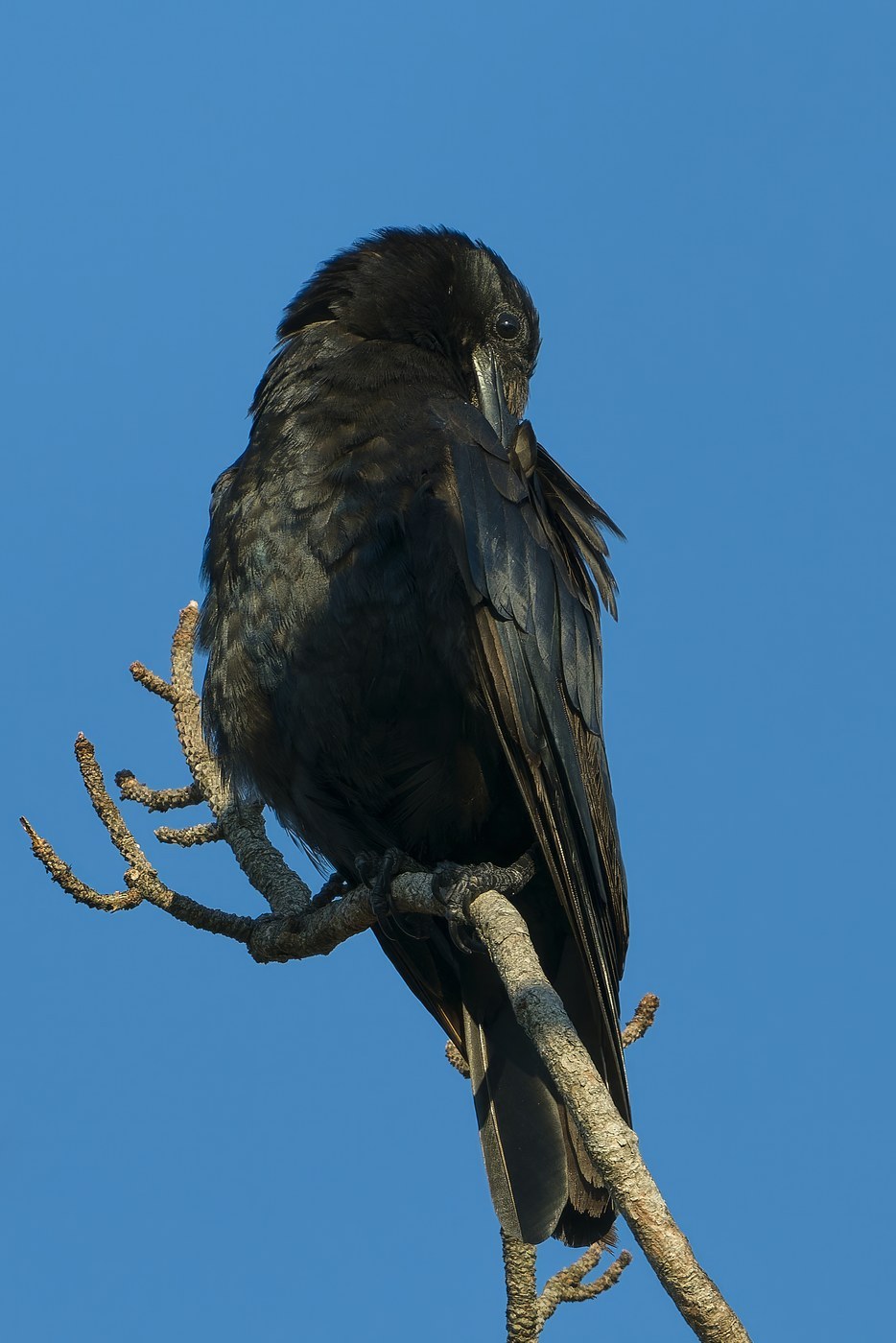
Fish Crow
Corvus ossifragus
A smaller, coastal cousin of the American Crow best told apart by its distinctive nasal, two-note call.
- Size
- 36-41 cm (14-16 in) long, 85-95 cm wingspan
- Habitat
- coastal marshes, rivers, beaches, and increasingly inland waterways of the southeastern and eastern United States
- Type
- songbird
Spotted a bird like this?
Identify any bird from a photo, free.
Overview
The Fish Crow is nearly identical in appearance to the American Crow, entirely glossy black with a stout bill, but is noticeably smaller and slimmer, with proportionally longer wings and a more buoyant flight style. Visual identification alone is often unreliable; the species is most confidently distinguished by voice.
As its name suggests, this species is closely tied to water, particularly coastal areas, tidal marshes, and rivers, where it forages on aquatic invertebrates and readily raids the nests of colonial waterbirds for eggs and chicks.
How to identify it
Key Field Marks
- Entirely glossy black plumage, very similar to American Crow
- Smaller and slimmer overall, with a more slender bill
- Distinctive nasal, two-syllable uh-uh call, quite different from the American Crow's caw
- More buoyant, tern-like wingbeats in flight
Similar Species
- American Crow is larger with a deeper caw call; the two species are best separated by voice, as plumage differences are subtle and unreliable in the field.
- Common Raven is much larger with a wedge-shaped tail and heavier bill.
Habitat & range
Habitat
Fish Crows favor coastal areas, tidal marshes, beaches, rivers, and lakeshores, and have increasingly moved into inland towns and cities along major waterways.
Range
Found along the Atlantic and Gulf coasts of the United States, from New England south through Florida and west to Texas, with an expanding inland range following major river systems.
Migration
Most populations are resident or make only short-distance movements, though northern birds may withdraw slightly southward in the coldest months.
Behavior & voice
Behavior
Fish Crows are social and often forage in small flocks, frequently raiding the nests of herons, egrets, and other colonial waterbirds for eggs and young, in addition to foraging along shorelines and mudflats.
Voice
The distinctive call is a short, nasal uh-uh or ca-ha, quite different from the single, deeper caw of the American Crow, and is the most reliable way to identify the species.
Feeding
Diet includes crabs and other crustaceans, fish, insects, eggs and nestlings of other birds, fruit, and carrion, often foraging along shorelines and in shallow water.
Nesting
Pairs build a stick nest in a tree, often near water; the female incubates 4-5 blue-green, brown-spotted eggs.
Frequently asked questions
How do you tell a Fish Crow from an American Crow?
The most reliable way is by voice: Fish Crows give a short, nasal uh-uh call, while American Crows give a single deeper caw; Fish Crows are also slightly smaller and slimmer.
Where do Fish Crows live?
They live along the Atlantic and Gulf coasts of the United States, in tidal marshes, rivers, and beaches, with a range that is expanding inland along major waterways.
What do Fish Crows eat?
They eat crustaceans, fish, insects, eggs and nestlings of other birds, fruit, and carrion.
Do Fish Crows raid other birds' nests?
Yes, they are known for raiding the nests of herons, egrets, and other colonial waterbirds to eat eggs and chicks.
Fish Crow guides
In-depth guides for identifying, finding, and understanding Fish Crow.
Other birds you may enjoy
Black Redstart
13-14.5 cm (5.1-5.7 in) long, 23-26 cm wingspan
Black-throated Sparrow
12-14 cm (4.7-5.5 in) long, about 19-20 cm (7.5-8 in) wingspan
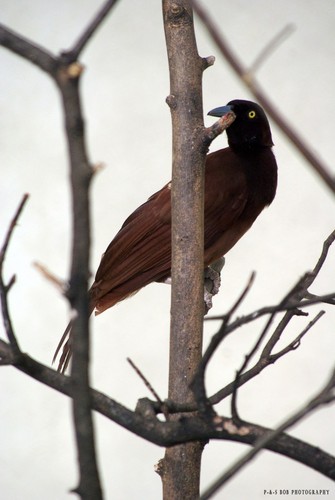
Greater Bird-of-paradise
Body about 43 cm; males with additional flank plumes up to 50 cm and long tail wires
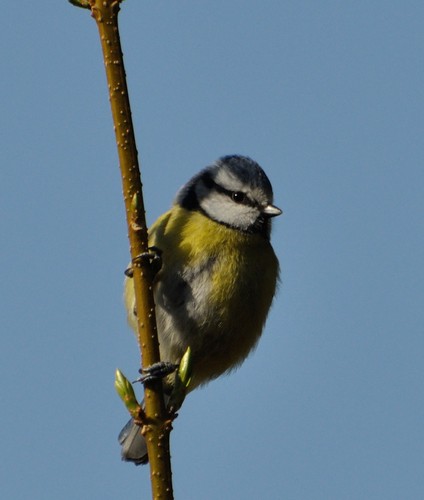
Blue Tit
11-12 cm (4.3-4.7 in) long, 17-20 cm wingspan
Red-billed Quelea
11.5–13 cm long, wingspan about 20–22 cm
White-plumed Antbird
13-14 cm (5-5.5 in) long
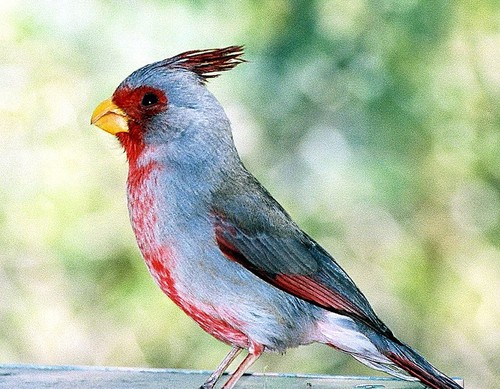
Pyrrhuloxia
19-22 cm (7.5-8.7 in) long, 30 cm wingspan
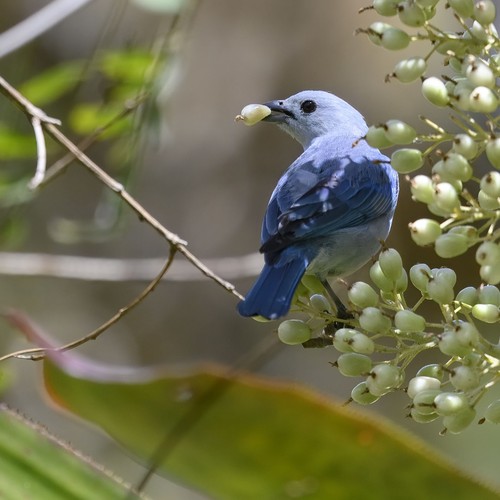
Blue-gray Tanager
16-18 cm (6-7 in) long
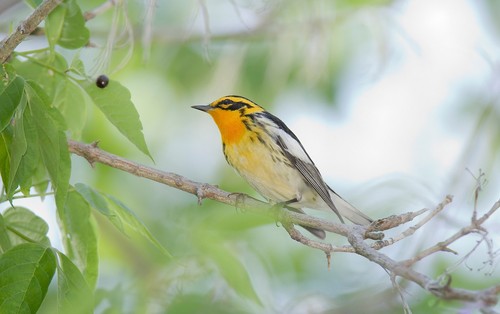
Blackburnian Warbler
11-13 cm (4.3-5.1 in) long, 20-22 cm wingspan
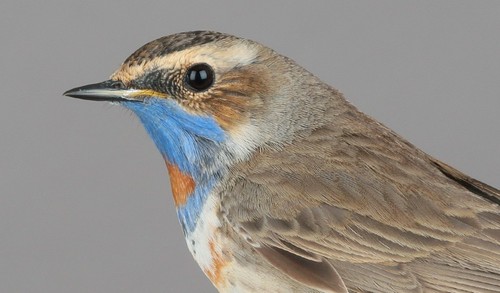
Bluethroat
13-14 cm (5.1-5.5 in) long, 20-22 cm wingspan
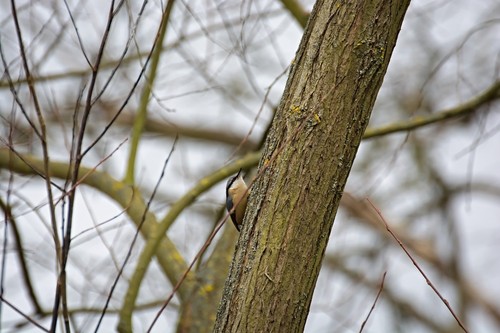
Eurasian Nuthatch
12-14.5 cm (4.7-5.7 in) long, 22.5-27 cm wingspan
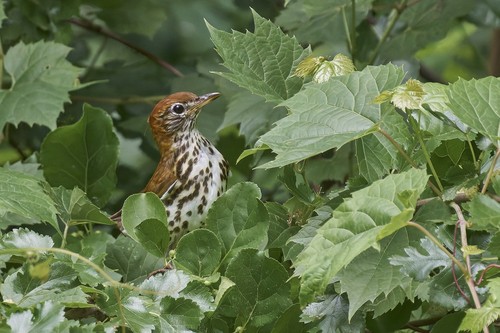
Wood Thrush
19-21 cm (7.5-8.3 in) long, about 33 cm (13 in) wingspan