
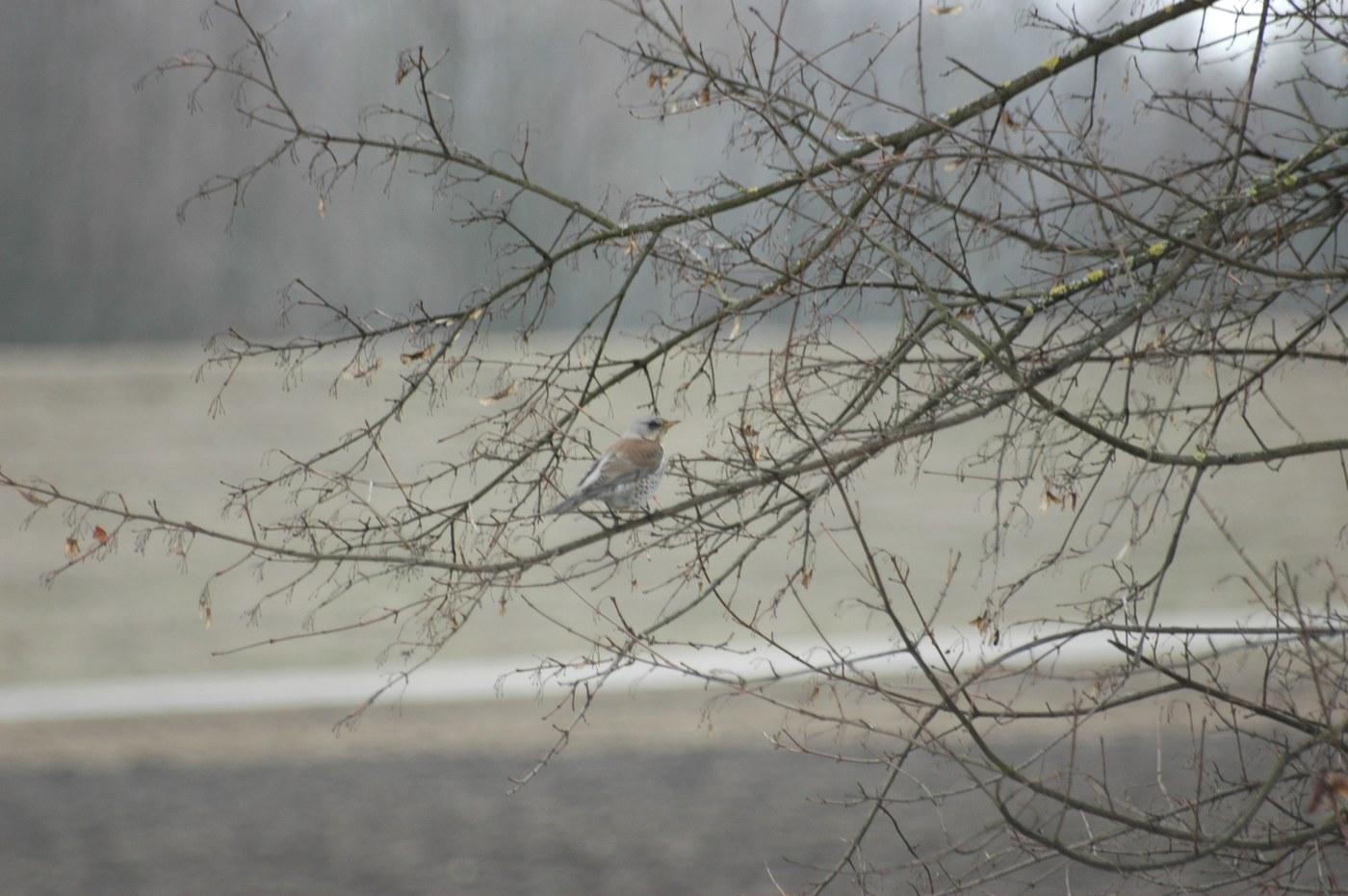
Fieldfare
Turdus pilaris
A striking grey-headed thrush that arrives in large, noisy flocks each winter to strip hedgerows and orchards of berries.
- Size
- 22-27 cm (8.7-10.6 in) long, 39-42 cm wingspan
- Habitat
- breeds in open woodland and scrub of northern Europe; winters in open farmland, hedgerows, and orchards, often in large flocks
- Type
- songbird
Spotted a bird like this?
Identify any bird from a photo, free.
Overview
The Fieldfare is a large, boldly patterned thrush, a common winter visitor across much of temperate Europe from its more northerly breeding range, often first noticed as noisy flocks descending on berry-laden hedgerows and orchards.
Appearance
Adults show a distinctive combination of a blue-grey head and rump, a rich chestnut-brown back, and a boldly spotted, buffy-orange breast fading to a whitish belly. In flight, the contrasting grey rump and dark tail, along with white underwings, are conspicuous and diagnostic.
How to identify it
Key Field Marks
- Blue-grey head and rump contrasting with chestnut-brown back
- Bold dark spotting on an orange-buff breast, whiter belly
- Dark tail contrasting with the pale grey rump
- White underwing linings, obvious in flight
- Large size, often in noisy flocks
Similar Species
Mistle Thrush is uniformly grey-brown without the contrasting grey head/rump and chestnut back of the Fieldfare, and has rounder spots on a whiter breast. The Fieldfare's tricolor pattern of grey head, chestnut back, and grey rump makes it one of the more distinctive and easily identified European thrushes.
Habitat & range
Habitat
Fieldfares breed in open birch and mixed woodland, forest edges, and scrub across northern Europe, often nesting semi-colonially. In winter they favor open farmland, orchards, and hedgerows rich in berries, especially hawthorn and rowan, ranging widely across fields in search of food.
Range and Migration
The species breeds from Scandinavia and northern continental Europe eastward across much of Siberia. It is strongly migratory, with most populations moving south and west in autumn to winter across temperate and southern Europe, sometimes in enormous flocks numbering in the thousands, particularly where berry crops are abundant.
Behavior & voice
Behavior
Fieldfares are highly gregarious outside the breeding season, moving in large, loose, noisy flocks, often mixed with Redwings, across open farmland to strip berries from hedgerows or to probe frozen or unfrozen ground for invertebrates. During the breeding season, they nest in loose colonies and will collectively mob and defecate on approaching predators to drive them away.
Voice
The flight and contact call is a loud, harsh, chattering "chack-chack-chack," frequently given by flocks in flight and one of the most familiar sounds of the winter countryside where the species occurs. The song is a rather quiet, unremarkable warbling mix of squeaky and chattering notes.
Nesting and Breeding
Fieldfares often nest semi-colonially in loose groups in trees, building a bulky cup nest of grass, twigs, and mud. The female lays 5-6 eggs and incubates them for about 11-14 days; colonial nesting is thought to help defend against predators through mobbing behavior.
Frequently asked questions
How can you identify a Fieldfare?
Look for the combination of a blue-grey head and rump, a chestnut-brown back, and a boldly spotted orange-buff breast — a distinctive tricolor pattern among European thrushes.
Why do Fieldfares gather in such large flocks?
Outside the breeding season they are highly social, forming large flocks to more efficiently find and exploit berry crops and open feeding areas, often alongside Redwings.
Do Fieldfares breed in colonies?
Yes, unusually for thrushes, they often nest semi-colonially in loose groups, which may help them collectively mob and drive off predators.
What time of year are Fieldfares most commonly seen in southern and western Europe?
Mainly in winter, when large numbers arrive from more northerly breeding grounds in Scandinavia and Russia to feed on berries and open farmland.
Fieldfare guides
In-depth guides for identifying, finding, and understanding Fieldfare.
Other birds you may enjoy
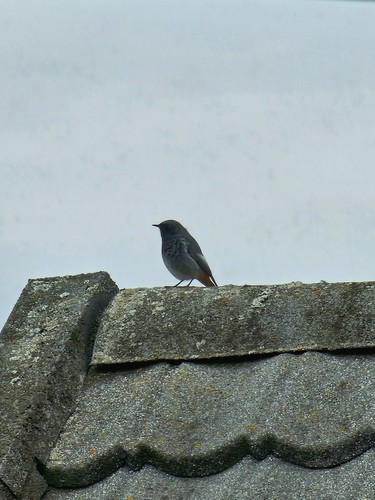
Black Redstart
13-14.5 cm (5.1-5.7 in) long, 23-26 cm wingspan
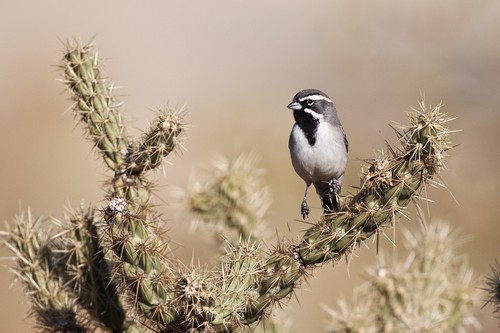
Black-throated Sparrow
12-14 cm (4.7-5.5 in) long, about 19-20 cm (7.5-8 in) wingspan
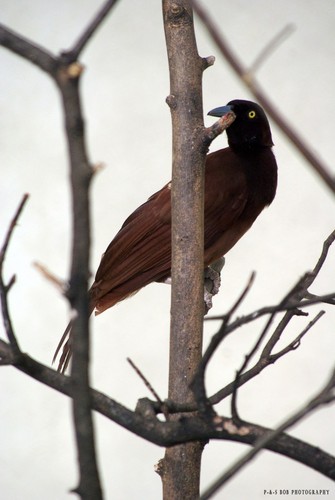
Greater Bird-of-paradise
Body about 43 cm; males with additional flank plumes up to 50 cm and long tail wires
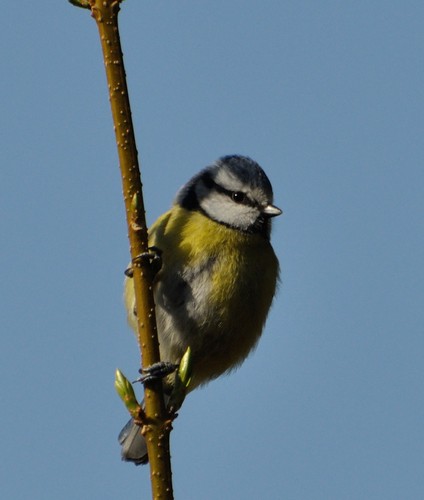
Blue Tit
11-12 cm (4.3-4.7 in) long, 17-20 cm wingspan
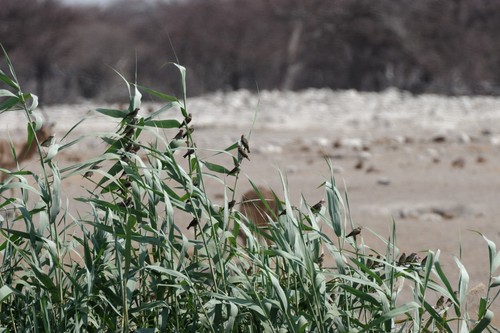
Red-billed Quelea
11.5–13 cm long, wingspan about 20–22 cm
White-plumed Antbird
13-14 cm (5-5.5 in) long
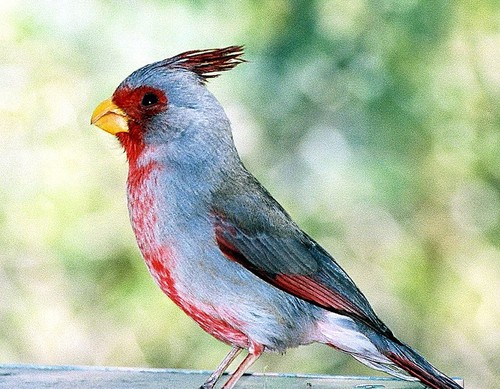
Pyrrhuloxia
19-22 cm (7.5-8.7 in) long, 30 cm wingspan
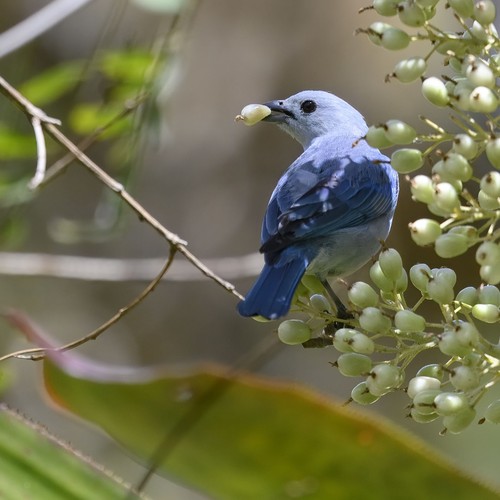
Blue-gray Tanager
16-18 cm (6-7 in) long
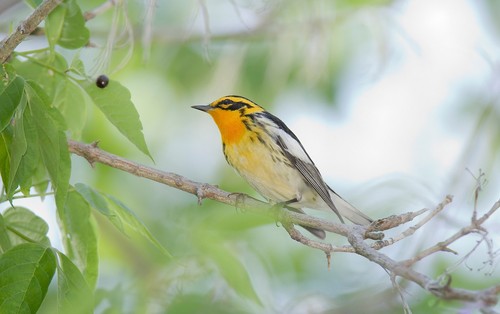
Blackburnian Warbler
11-13 cm (4.3-5.1 in) long, 20-22 cm wingspan
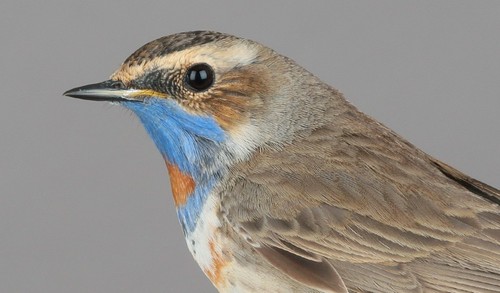
Bluethroat
13-14 cm (5.1-5.5 in) long, 20-22 cm wingspan
Eurasian Nuthatch
12-14.5 cm (4.7-5.7 in) long, 22.5-27 cm wingspan
Wood Thrush
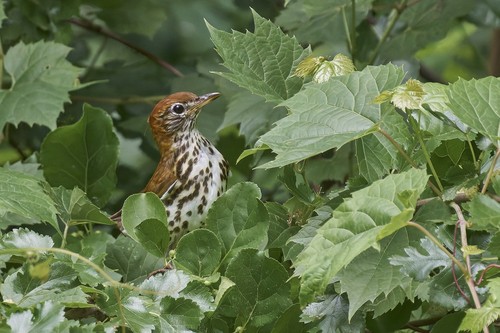
19-21 cm (7.5-8.3 in) long, about 33 cm (13 in) wingspan