
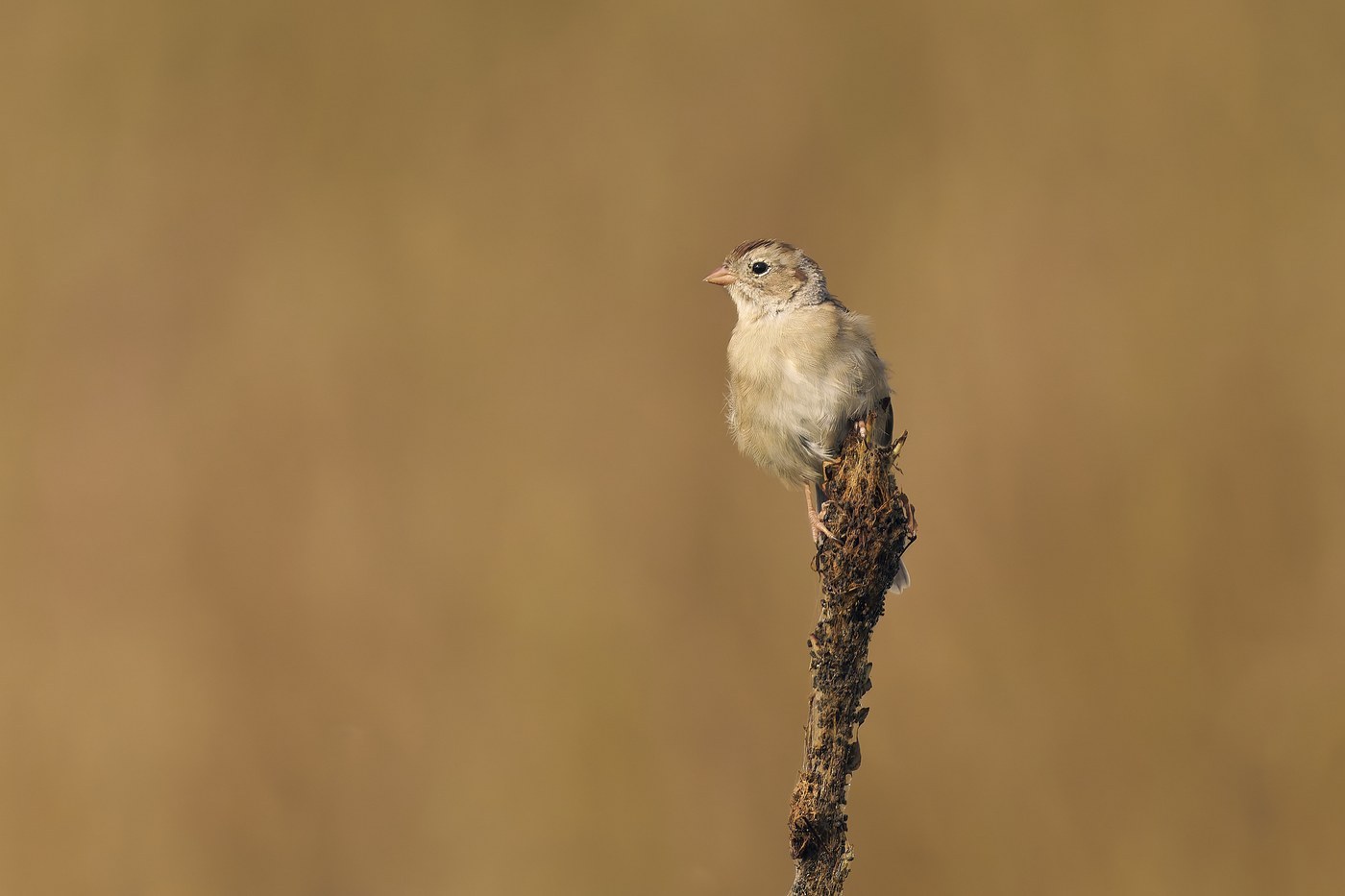
Field Sparrow
Spizella pusilla
A small, pink-billed sparrow with a plain gray face and rusty cap, known for its sweet accelerating 'bouncing ball' song.
- Size
- 12-15 cm (4.7-5.9 in) long, 20 cm wingspan
- Habitat
- overgrown fields, shrubby pastures, and woodland edges
- Type
- songbird
Spotted a bird like this?
Identify any bird from a photo, free.
Overview
The Field Sparrow is a small, delicate sparrow with a distinctly plain, gentle face framed by a rusty crown and a bright pink bill that stands out clearly against its otherwise soft gray-and-brown plumage. The white eye-ring gives the face an open, wide-eyed expression that helps distinguish it from other rusty-capped sparrows.
The underparts are clean and unstreaked buffy-gray, and the wings show warm rufous tones with two white wingbars. Overall the bird has an understated, soft-colored appearance well suited to its favored habitat of overgrown, scrubby fields.
How to identify it
Key field marks
- Bright pink bill, unusual among sparrows
- Plain gray face with a white eye-ring and rusty crown
- Clean, unstreaked whitish-gray underparts
- Rufous wings with white wingbars
Similar species
- American Tree Sparrow has a bicolored (not all-pink) bill and a dark central breast spot.
- Chipping Sparrow has a black eyeline and a dark (not pink) bill, and is typically found in more open, mowed, or wooded settings rather than overgrown fields.
Habitat & range
Field Sparrows breed across the eastern and central United States, favoring old fields, overgrown pastures, and shrubby edges in early successional habitat, a stage of vegetation growth that has declined with modern land use, contributing to population declines. They avoid both bare open ground and closed-canopy forest, needing a mix of grass, forbs, and scattered shrubs or small trees.
Northern populations migrate to the southeastern and south-central United States for winter, while southern populations may be resident, and the species often forms small winter flocks in brushy fields alongside other sparrow species.
Behavior & voice
Field Sparrows forage on or near the ground in grass and low shrubs, hopping through vegetation to glean seeds and insects, and often perch on low shrubs or grass stems to sing or watch for danger.
The song is one of the most distinctive of any sparrow: a series of clear, sweet whistled notes that accelerate into a rapid trill, often compared to the sound of a bouncing ball coming to rest. Diet is mostly seeds outside the breeding season, with more insects taken in summer, especially for feeding nestlings. Nests are cup-shaped, placed low in grass or a shrub early in the season and higher later in the year as vegetation grows, with typical clutches of three to five eggs, and pairs often raise two or more broods per season.
Frequently asked questions
How do you identify a Field Sparrow?
Look for a small sparrow with a bright pink bill, a plain gray face with a white eye-ring, a rusty crown, and clean, unstreaked underparts.
What does a Field Sparrow sound like?
A series of sweet, clear whistled notes that speed up into a rapid trill, often likened to the sound of a bouncing ball coming to rest.
Where do Field Sparrows live?
In overgrown fields, shrubby pastures, and brushy edges across the eastern and central United States; northern populations migrate south for winter.
Why are Field Sparrow populations declining?
The species depends on early successional habitat (overgrown fields with scattered shrubs), which has become less common as farmland is either intensively managed or reverts to closed forest.
What is the difference between a Field Sparrow and a Chipping Sparrow?
Field Sparrows have a pink bill and lack a black eyeline, giving them a plainer, softer face than the Chipping Sparrow, which has a dark bill and a bold black eye stripe.
Field Sparrow guides
In-depth guides for identifying, finding, and understanding Field Sparrow.
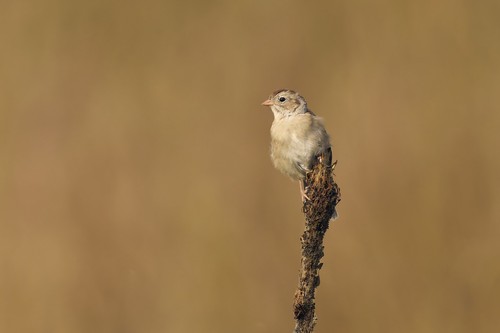
Field Sparrow identified by the community
Real birds identified with Bird Identifier.
Other birds you may enjoy
Black Redstart
13-14.5 cm (5.1-5.7 in) long, 23-26 cm wingspan
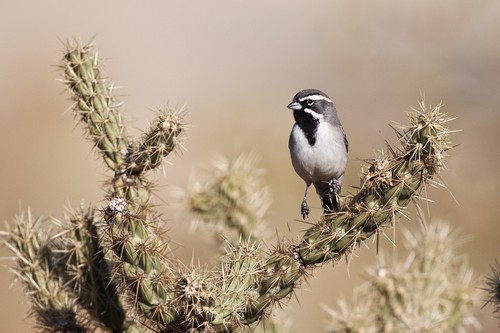
Black-throated Sparrow
12-14 cm (4.7-5.5 in) long, about 19-20 cm (7.5-8 in) wingspan
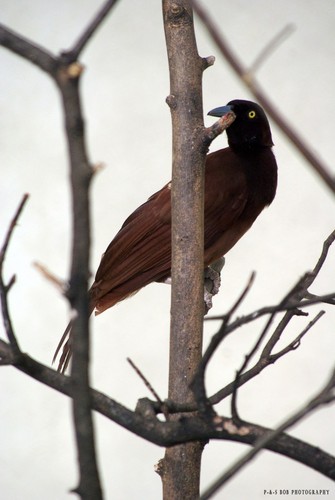
Greater Bird-of-paradise
Body about 43 cm; males with additional flank plumes up to 50 cm and long tail wires
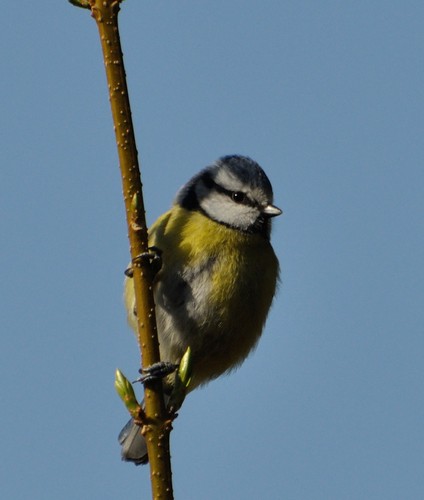
Blue Tit
11-12 cm (4.3-4.7 in) long, 17-20 cm wingspan
Red-billed Quelea
11.5–13 cm long, wingspan about 20–22 cm
White-plumed Antbird
13-14 cm (5-5.5 in) long
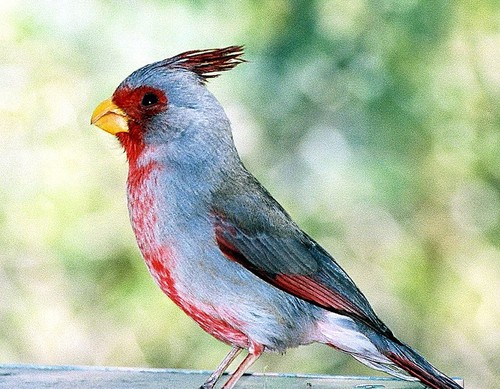
Pyrrhuloxia
19-22 cm (7.5-8.7 in) long, 30 cm wingspan
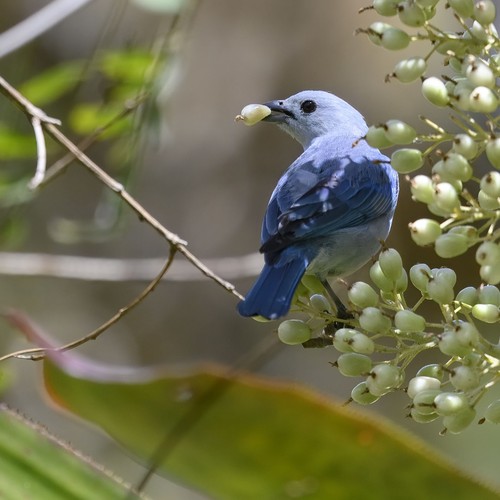
Blue-gray Tanager
16-18 cm (6-7 in) long
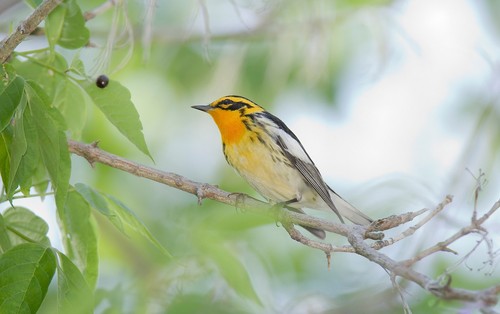
Blackburnian Warbler
11-13 cm (4.3-5.1 in) long, 20-22 cm wingspan
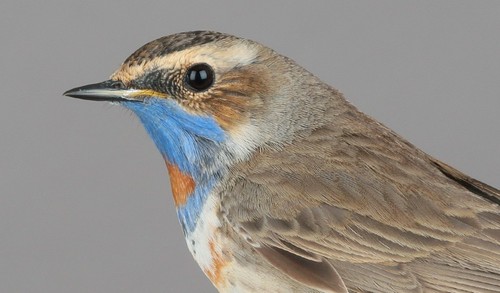
Bluethroat
13-14 cm (5.1-5.5 in) long, 20-22 cm wingspan
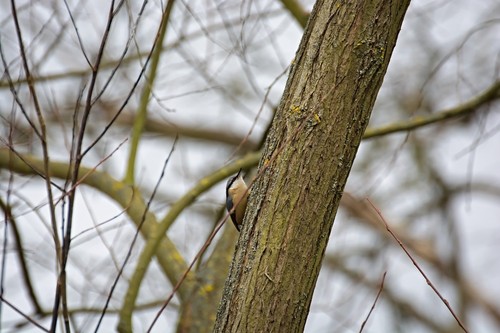
Eurasian Nuthatch
12-14.5 cm (4.7-5.7 in) long, 22.5-27 cm wingspan
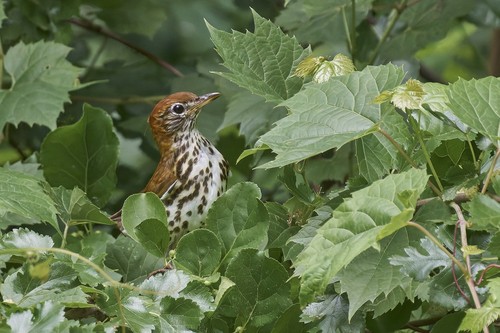
Wood Thrush
19-21 cm (7.5-8.3 in) long, about 33 cm (13 in) wingspan