
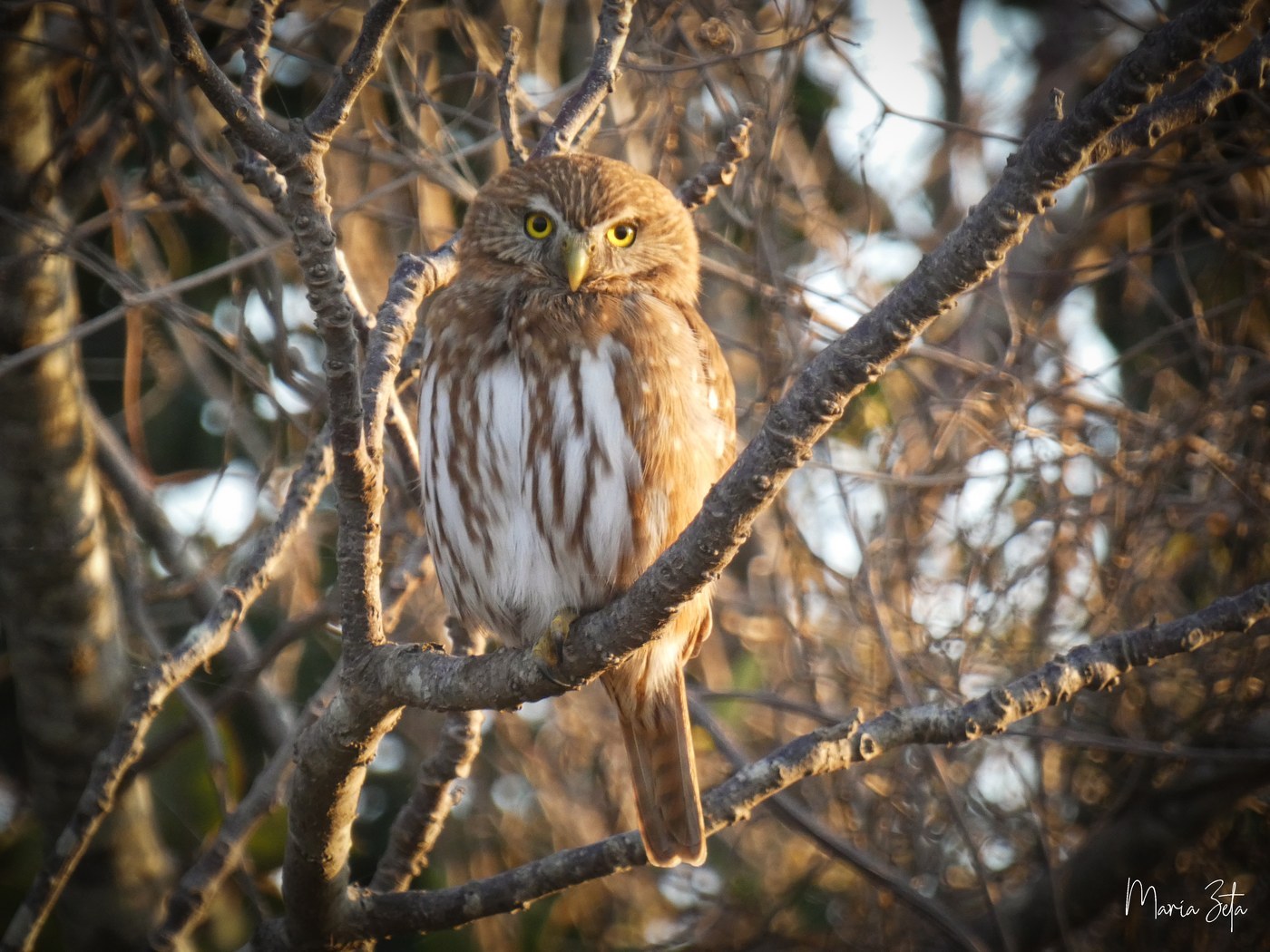
Ferruginous Pygmy-Owl
Glaucidium brasilianum
A small, reddish, day-active owl of arid borderland scrub, distinguished from its close relative by a streaked (not spotted) crown and rusty tail.
- Size
- 15-18 cm (6-7 in) long, 33-38 cm wingspan
- Habitat
- desert scrub, riparian woodland, and thorn forest of the southwestern borderlands and tropics
- Type
- owl
Spotted a bird like this?
Identify any bird from a photo, free.
Overview
The Ferruginous Pygmy-Owl is a tiny, feisty owl of the arid borderlands and tropics, closely related to the Northern Pygmy-Owl but generally warmer and more rufous in tone, particularly in the tail. Like its relative, it has a round head without ear tufts, bright yellow eyes, and false eyespots on the nape.
Adults show fine white streaking on the crown (rather than spotting), rufous-brown upperparts, and a rusty, indistinctly barred tail. The underparts are white with bold rufous streaking down the flanks and breast.
Although tiny, this owl is a bold and effective predator of birds and lizards, and small songbirds mob it vigorously when it appears in daylight.
How to identify it
Key Field Marks
- Small size, round head, no ear tufts, yellow eyes
- Fine white streaking (not spotting) on the crown
- Rufous-brown tail, often held cocked and flicked
- Black nape spots ringed in white (false eyes)
Similar Species
- Northern Pygmy-Owl has a spotted (not streaked) crown and is found at higher elevations in coniferous forest, with limited range overlap in the Southwest.
- Elf Owl is smaller, shorter-tailed, and lacks the rufous tail and nape spots.
- Range and habitat (desert lowlands vs. mountain forest) help separate this species from the Northern Pygmy-Owl.
Habitat & range
Ferruginous Pygmy-Owls inhabit dry thorn scrub, mesquite bosque, saguaro desert, and riparian woodland from the extreme southwestern United States (historically southern Arizona and south Texas) south through Mexico, Central America, and much of South America, making it one of the most widely distributed pygmy-owls in the Americas.
Most populations are non-migratory residents, remaining on territory year-round in the same desert or scrub habitat.
Behavior & voice
Behavior
Like other pygmy-owls, this species is largely diurnal and crepuscular, hunting actively in daylight from perches in scrub and open woodland, frequently flicking its cocked tail.
Voice
The song is a rapid, evenly spaced series of short, low whistled "took" or "po" notes, often given in extended bouts, especially around dawn.
Feeding
It hunts small birds, lizards, large insects, and small mammals, ambushing prey from a perch with quick, powerful strikes; it will take prey substantially larger than itself.
Nesting & Breeding
Ferruginous Pygmy-Owls nest in natural cavities and old woodpecker holes in cacti or trees, laying 3-5 eggs. They defend nest sites vigorously and, like other pygmy-owls, are frequently mobbed by songbirds when discovered.
Frequently asked questions
How do you tell a Ferruginous Pygmy-Owl from a Northern Pygmy-Owl?
Look at the crown: the Ferruginous Pygmy-Owl has fine white streaking, while the Northern Pygmy-Owl has spotting; the Ferruginous also has a rustier tail and favors lower, drier desert habitat.
Is the Ferruginous Pygmy-Owl endangered?
Globally it is not threatened, but the small population in the United States, particularly in Arizona, has faced significant habitat loss and conservation concern.
What does a Ferruginous Pygmy-Owl eat?
It preys on small birds, lizards, large insects, and small mammals, hunting boldly in daylight from perches in scrub and woodland.
Where does the Ferruginous Pygmy-Owl live?
It ranges from the arid borderlands of the extreme southwestern US through Mexico, Central America, and much of South America in desert scrub, thorn forest, and riparian woodland.
Ferruginous Pygmy-Owl guides
In-depth guides for identifying, finding, and understanding Ferruginous Pygmy-Owl.
Other birds you may enjoy
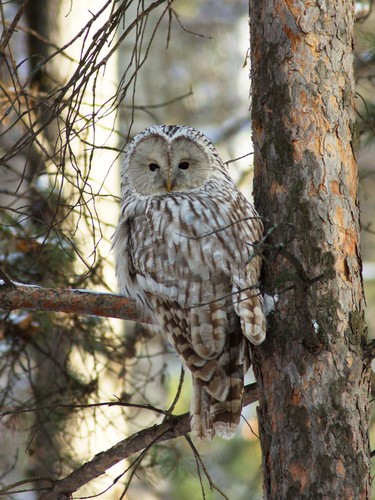
Ural Owl
50-62 cm long, wingspan about 1.0-1.3 m
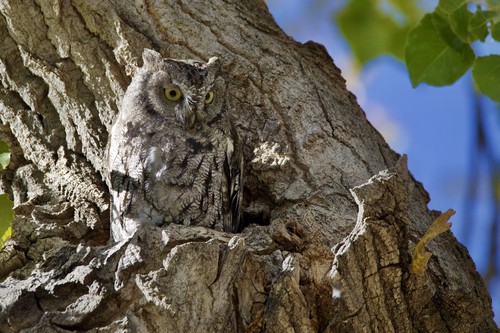
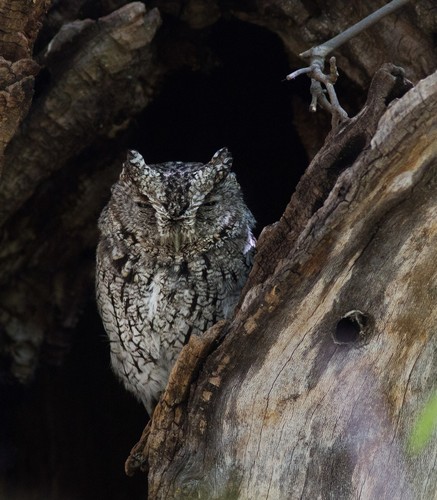
Western Screech-Owl
19-25 cm (7.5-10 in) long, about 55 cm (21.5 in) wingspan
Whiskered Screech-Owl
17-19 cm (6.7-7.5 in) long, 43 cm wingspan
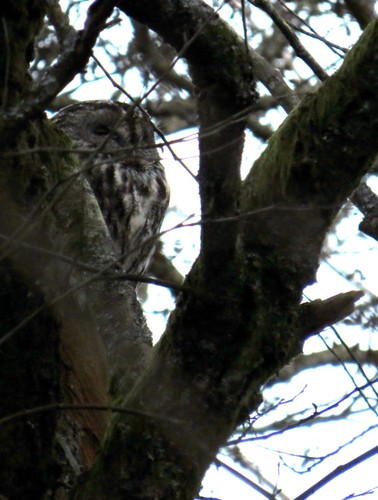
Tawny Owl
37-43 cm (15-17 in) long, 81-96 cm wingspan
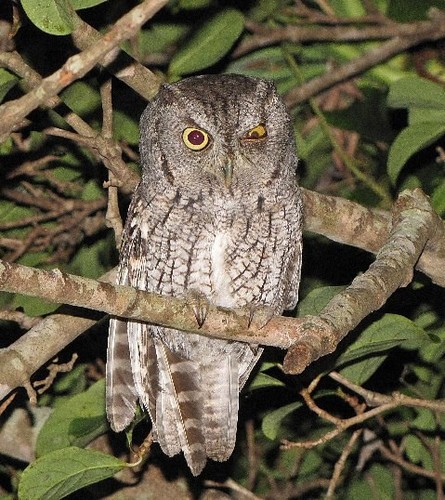
Screech Owl
16-25 cm long, wingspan about 46-61 cm
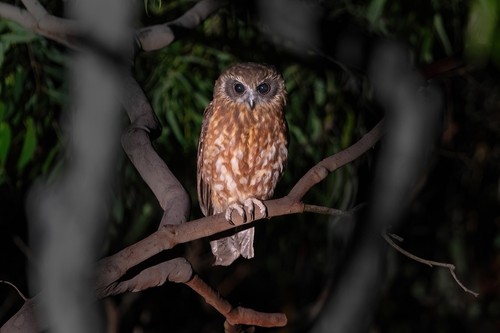
Southern Boobook
27-36 cm (11-14 in) long
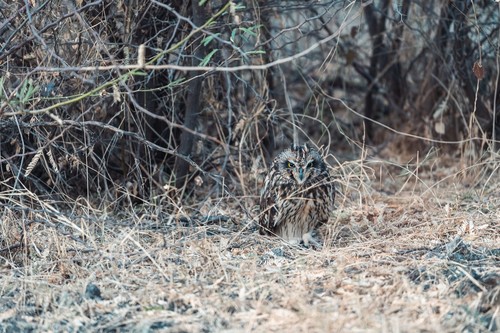
Short-eared Owl
34-42 cm (13-17 in) long, 85-110 cm wingspan
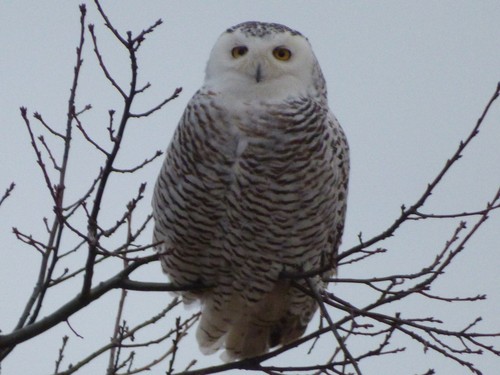
Snowy Owl
52-71 cm (20-28 in) long, 125-150 cm (49-59 in) wingspan
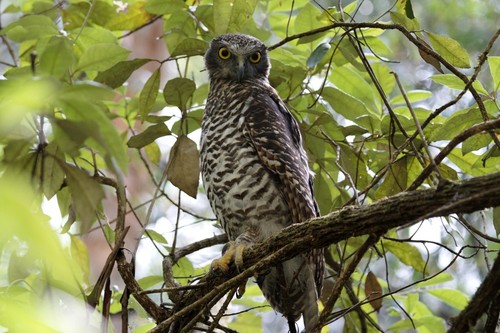
Powerful Owl
60-65 cm (24-26 in) long, 112-135 cm (44-53 in) wingspan
Northern Saw-whet Owl
18-21 cm (7-8.5 in) long, 42-56 cm (17-22 in) wingspan
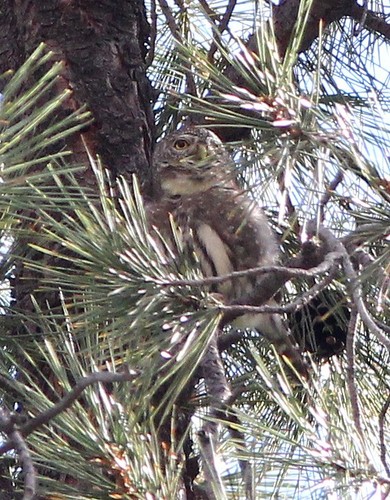
Northern Pygmy-Owl
16-18 cm (6.3-7.1 in) long, 35-39 cm wingspan
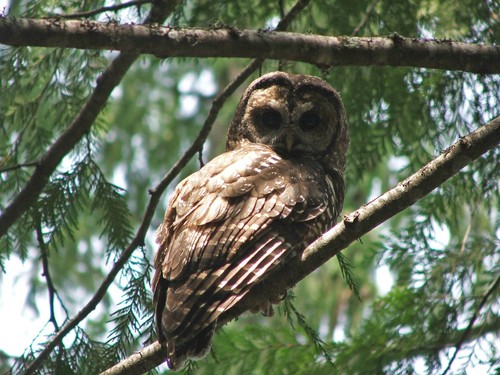
Spotted Owl
43-48 cm (17-19 in) long, 100-114 cm wingspan