
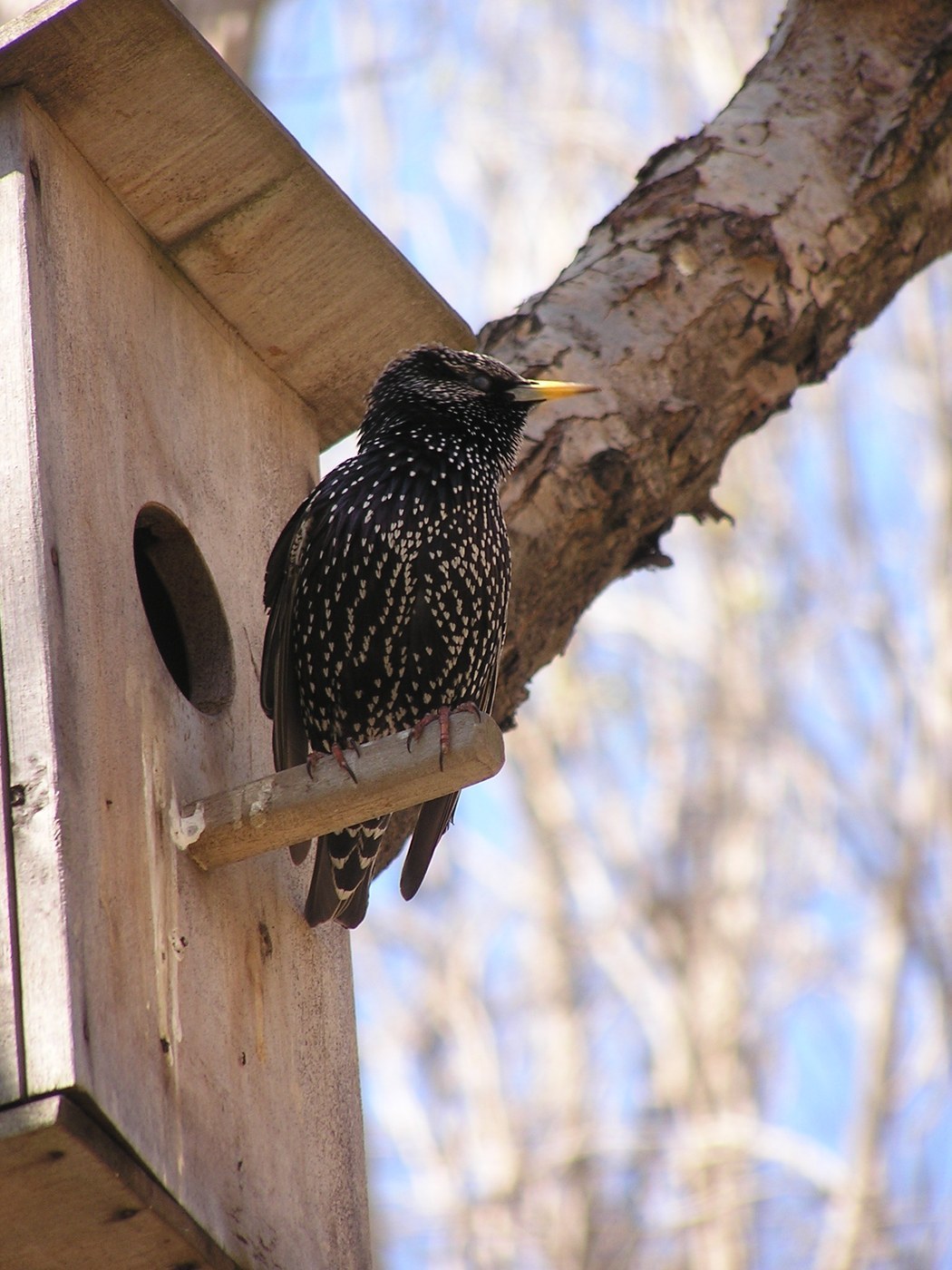
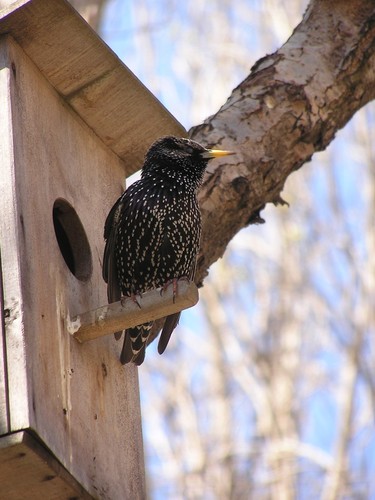
European Starling
Sturnus vulgaris
A stocky, iridescent black songbird introduced to North America in the 1890s, known for its speckled winter plumage, versatile mimicry, and massive flocks.
- Size
- 20-23 cm (7.9-9 in) long, 31-40 cm wingspan
- Habitat
- urban areas, farmland, parks, and open countryside; highly adaptable
- Type
- songbird
Spotted a bird like this?
Identify any bird from a photo, free.
Overview
The European Starling is a stocky, short-tailed songbird with glossy black plumage that shimmers with purple and green iridescence in breeding season, transitioning to a heavily white-speckled appearance after the autumn molt. The bill changes color seasonally too, turning bright yellow for breeding and duller gray-brown in winter.
Native to Europe, western Asia, and North Africa, the species was deliberately introduced to New York's Central Park in 1890-1891 and has since spread across virtually all of North America, becoming one of the continent's most abundant and widespread birds.
How to identify it
Key field marks
- Stocky body with a short, squared-off tail and long, pointed bill
- Breeding adults: glossy black with purple-green iridescence and a yellow bill
- Non-breeding/winter adults: densely speckled with white spots, dark bill
- Fast, direct flight on triangular, pointed wings
Similar species
- Breeding-plumage starlings can suggest a small grackle but are much shorter-tailed, stockier, and lack the grackle's long keeled tail.
- Blackbirds (e.g., Brewer's Blackbird) lack the starling's speckling and have longer tails and a more upright posture.
Habitat & range
Now found across nearly all of North America, from southern Canada to northern Mexico, European Starlings thrive in an enormous range of human-altered habitats, including cities, farms, feedlots, parks, and suburban yards, as well as more open natural habitats. They nest in cavities, readily using building crevices, streetlights, and nest boxes in addition to natural tree holes.
Populations in the northern part of the range move south in winter, while many starlings, especially in milder regions, are resident year-round; enormous non-breeding flocks gather to roost communally, sometimes numbering in the tens of thousands.
Behavior & voice
Starlings are highly social and often forage on lawns and open ground in large flocks, walking with a rapid, purposeful stride while probing the soil with their bills for insect larvae and other invertebrates. They are also excellent mimics, incorporating the calls of hawks, other songbirds, and even mechanical sounds into their own varied, chattering, and whistling song.
Outside the breeding season, starlings form massive, swirling flocks known as murmurations that wheel and pulse in the sky in tightly coordinated aerial displays before settling to roost. As secondary cavity nesters, they aggressively compete with native species such as bluebirds and woodpeckers for nest holes, which has been a significant conservation concern in parts of their introduced range. Clutches typically contain four to six pale blue eggs, and pairs may raise two broods per season.
Frequently asked questions
How do you identify a European Starling?
Look for a stocky, short-tailed black bird with a long pointed bill; breeding birds are glossy with purple-green iridescence and a yellow bill, while winter birds are densely speckled with white and have a darker bill.
Are European Starlings native to North America?
No, they are native to Europe, western Asia, and North Africa, and were introduced to New York City in 1890-1891, after which they spread across the entire continent.
What is a starling murmuration?
It is a large, swirling flock of starlings that moves in tightly coordinated, pulsing aerial patterns, most often seen at dusk before the birds settle into a communal roost.
Can European Starlings mimic sounds?
Yes, they are skilled mimics that incorporate the calls of hawks, other birds, and even mechanical noises into their own chattering song.
Why are European Starlings considered a problem in North America?
As an introduced, highly adaptable cavity-nesting species, they compete aggressively with native cavity-nesting birds such as bluebirds and woodpeckers for limited nest sites.
European Starling guides
In-depth guides for identifying, finding, and understanding European Starling.
Other birds you may enjoy
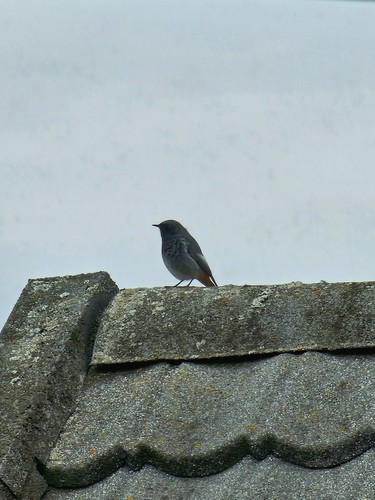
Black Redstart
13-14.5 cm (5.1-5.7 in) long, 23-26 cm wingspan
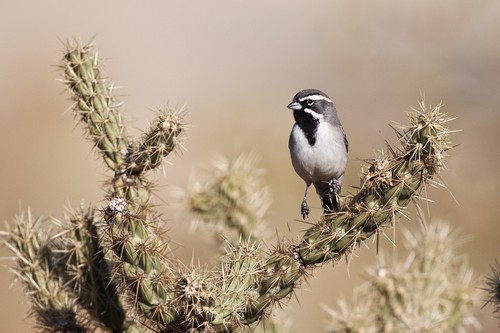
Black-throated Sparrow
12-14 cm (4.7-5.5 in) long, about 19-20 cm (7.5-8 in) wingspan
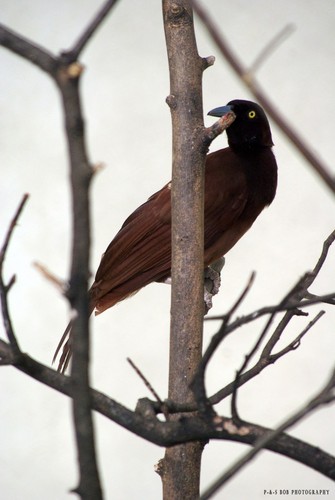
Greater Bird-of-paradise
Body about 43 cm; males with additional flank plumes up to 50 cm and long tail wires
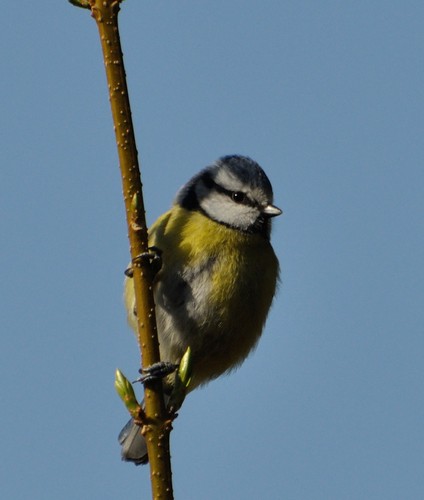
Blue Tit
11-12 cm (4.3-4.7 in) long, 17-20 cm wingspan

Red-billed Quelea
11.5–13 cm long, wingspan about 20–22 cm
White-plumed Antbird
13-14 cm (5-5.5 in) long
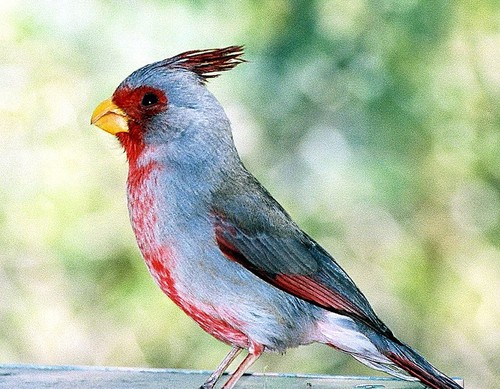
Pyrrhuloxia
19-22 cm (7.5-8.7 in) long, 30 cm wingspan
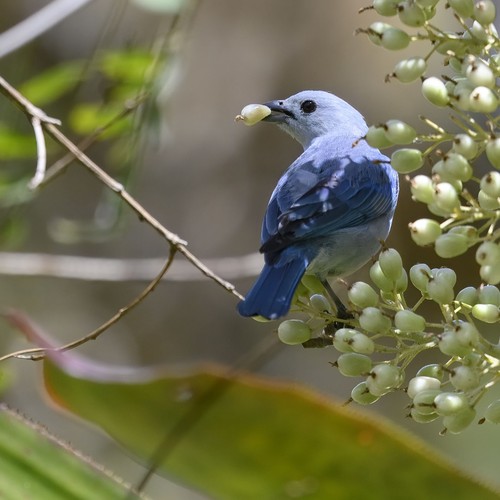
Blue-gray Tanager
16-18 cm (6-7 in) long
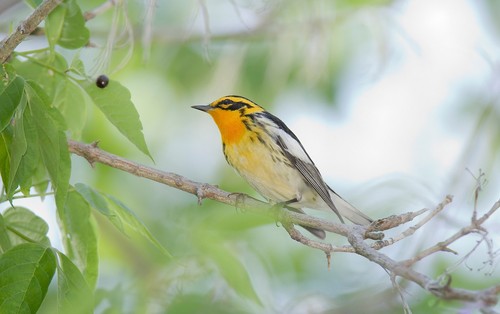
Blackburnian Warbler
11-13 cm (4.3-5.1 in) long, 20-22 cm wingspan
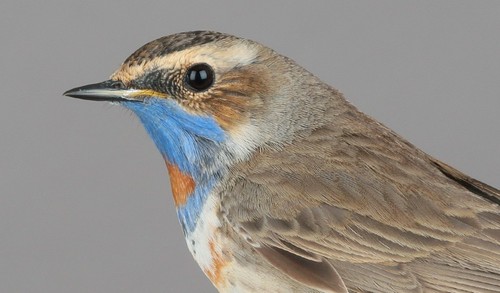
Bluethroat
13-14 cm (5.1-5.5 in) long, 20-22 cm wingspan
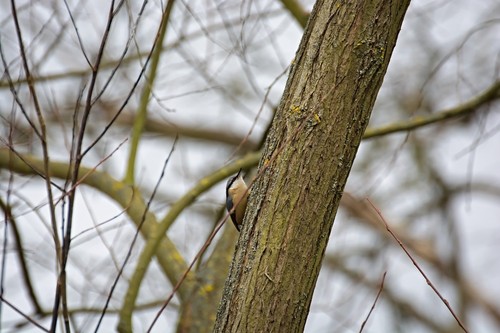
Eurasian Nuthatch
12-14.5 cm (4.7-5.7 in) long, 22.5-27 cm wingspan
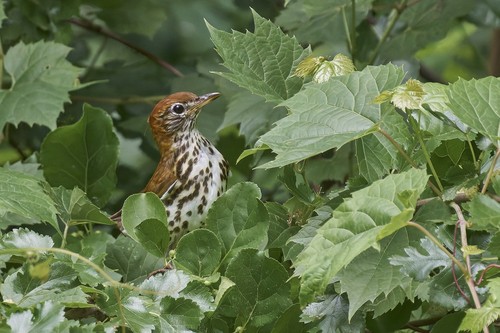
Wood Thrush
19-21 cm (7.5-8.3 in) long, about 33 cm (13 in) wingspan