
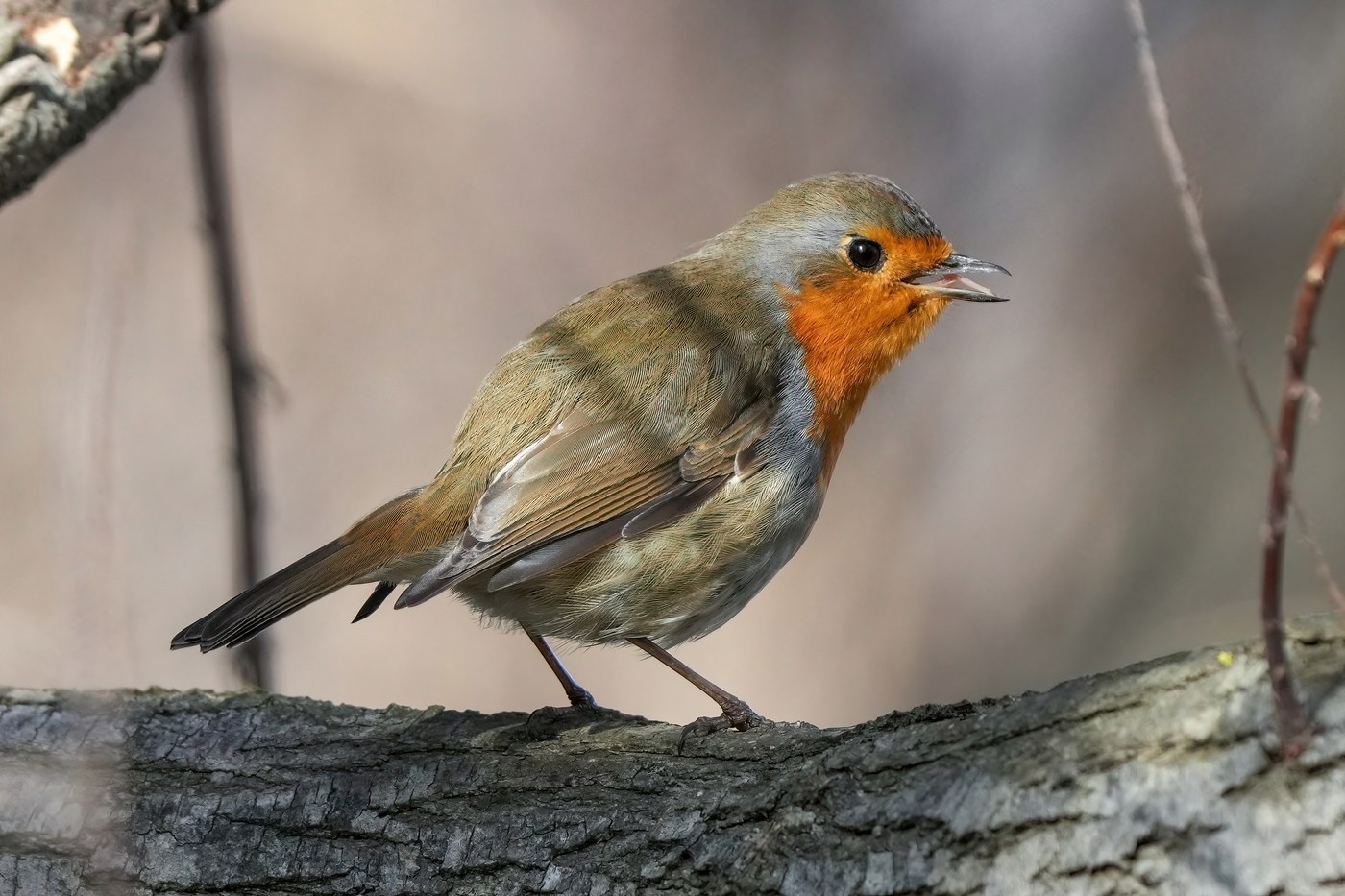
European Robin
Erithacus rubecula
A small, plump songbird with a bright orange-red face and breast, one of the most familiar and beloved garden birds in Europe.
- Size
- 12.5-14 cm (5-5.5 in) long, 20-22 cm wingspan
- Habitat
- woodlands, hedgerows, parks, and gardens
- Type
- songbird
Spotted a bird like this?
Identify any bird from a photo, free.
Overview
The European Robin is a small, round-bodied songbird instantly recognizable by its bright orange-red face and breast, which contrasts with olive-brown upperparts and whitish-gray underparts. Both sexes look alike. Juveniles lack the red breast entirely, instead showing mottled brown and buff spotted plumage until their first molt.
Famed in British and European folklore and a fixture of winter holiday imagery, the Robin is bold and inquisitive, often following gardeners to snatch up disturbed insects and worms, and is one of the few European birds that sings persistently through the winter.
How to identify it
Key field marks
- Bright orange-red face and breast bordered by a bluish-gray band
- Olive-brown upperparts, whitish belly
- Large dark eye, slender bill
- Upright posture with frequent tail-flicking
Similar species
- No other common European bird combines the orange-red face and breast with this size and shape; juveniles (spotted brown, no red) can be mistaken for other juvenile thrushes but are smaller.
- Common Redstart has an orange tail but a black face/throat rather than an orange one.
Habitat & range
Habitat
Occupies woodlands, hedgerows, scrub, parks, and gardens, favoring areas with dense cover and open ground for foraging.
Range
Widespread across Europe, extending into North Africa and western Asia.
Migration
Northern and eastern populations migrate south for winter; birds in western Europe, including Britain, are largely resident year-round.
Behavior & voice
Behavior
Fiercely territorial, with both sexes defending territories using song and aggressive displays; readily approaches humans, especially gardeners, to catch disturbed invertebrates.
Voice
A rich, warbling, slightly melancholic song delivered from a perch, sung by males (and often females) throughout much of the year, including winter; call is a sharp "tic" or thin "tsee."
Feeding
Forages on the ground and in low vegetation for insects, worms, and spiders, supplementing its diet with seeds and berries, especially in winter.
Nesting
Builds a cup nest of leaves, moss, and grass in a well-hidden cavity, bank, or dense shrub; lays 4-6 white eggs speckled with red-brown.
Frequently asked questions
Why does the European Robin sing in winter?
Unlike most songbirds, robins hold winter territories and continue to sing through the colder months to defend feeding areas, which is why their song is heard nearly year-round.
Do young Robins have red breasts?
No, juvenile Robins are mottled brown and buff with no red at all, gaining the orange-red breast only after their first molt.
Why are Robins associated with gardeners?
Robins are bold and opportunistic, often following gardeners closely to snatch up worms and insects turned up by digging.
Are male and female Robins different colors?
No, male and female European Robins look essentially identical, both showing the orange-red face and breast.
European Robin guides
In-depth guides for identifying, finding, and understanding European Robin.
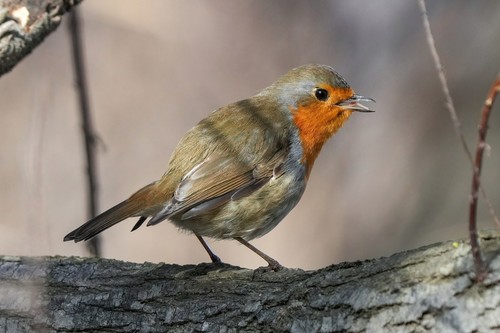
European Robin identified by the community
Real birds identified with Bird Identifier.
Other birds you may enjoy
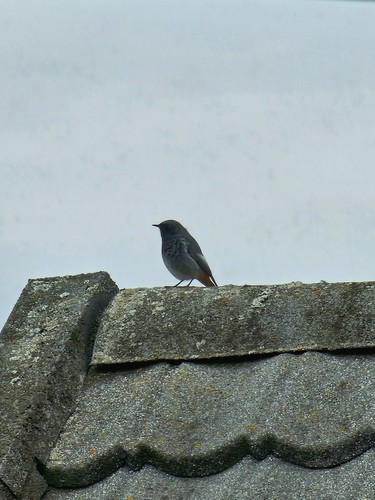
Black Redstart
13-14.5 cm (5.1-5.7 in) long, 23-26 cm wingspan
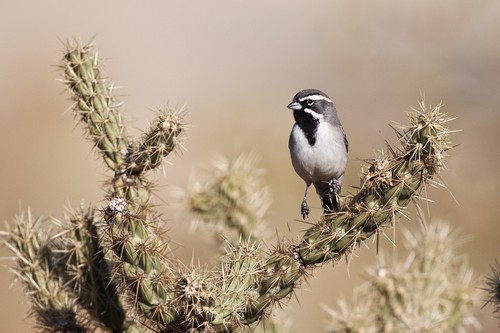
Black-throated Sparrow
12-14 cm (4.7-5.5 in) long, about 19-20 cm (7.5-8 in) wingspan
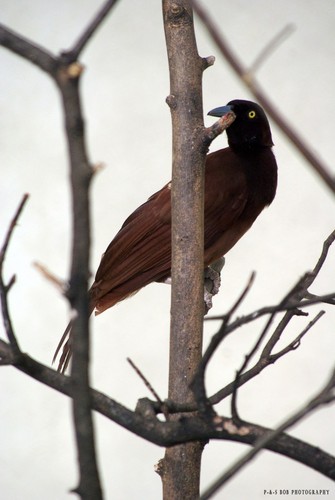
Greater Bird-of-paradise
Body about 43 cm; males with additional flank plumes up to 50 cm and long tail wires
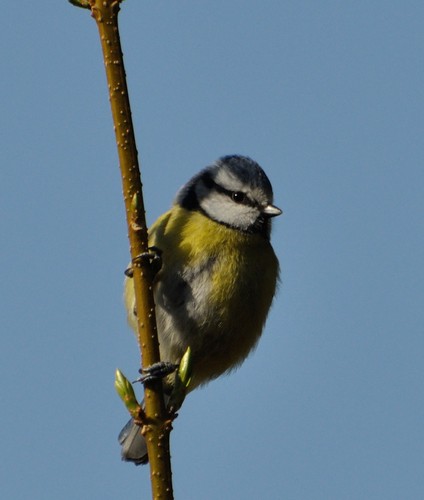
Blue Tit
11-12 cm (4.3-4.7 in) long, 17-20 cm wingspan
Red-billed Quelea
11.5–13 cm long, wingspan about 20–22 cm
White-plumed Antbird
13-14 cm (5-5.5 in) long
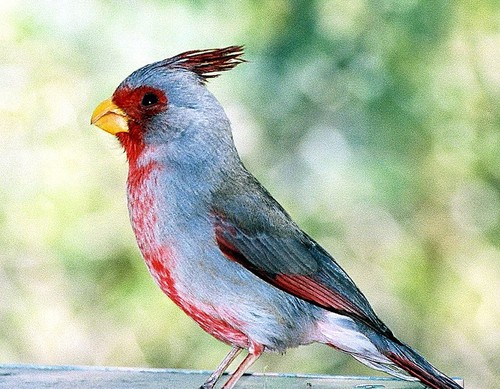
Pyrrhuloxia
19-22 cm (7.5-8.7 in) long, 30 cm wingspan
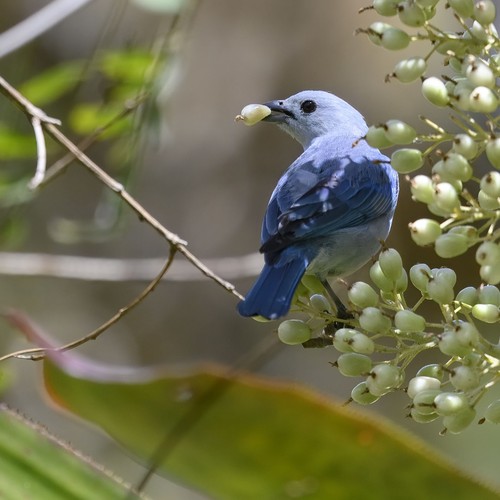
Blue-gray Tanager
16-18 cm (6-7 in) long
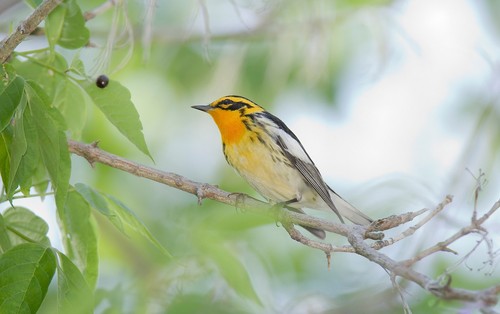
Blackburnian Warbler
11-13 cm (4.3-5.1 in) long, 20-22 cm wingspan
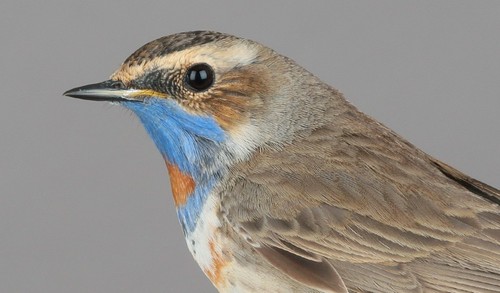
Bluethroat
13-14 cm (5.1-5.5 in) long, 20-22 cm wingspan
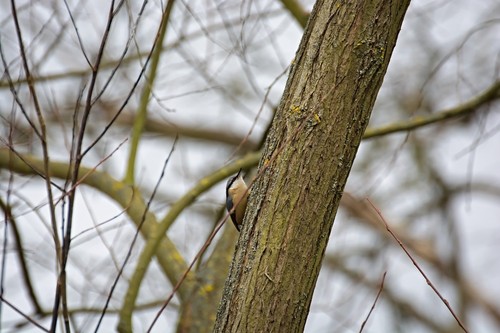
Eurasian Nuthatch
12-14.5 cm (4.7-5.7 in) long, 22.5-27 cm wingspan
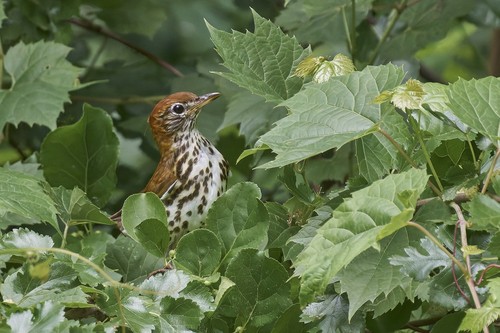
Wood Thrush
19-21 cm (7.5-8.3 in) long, about 33 cm (13 in) wingspan