
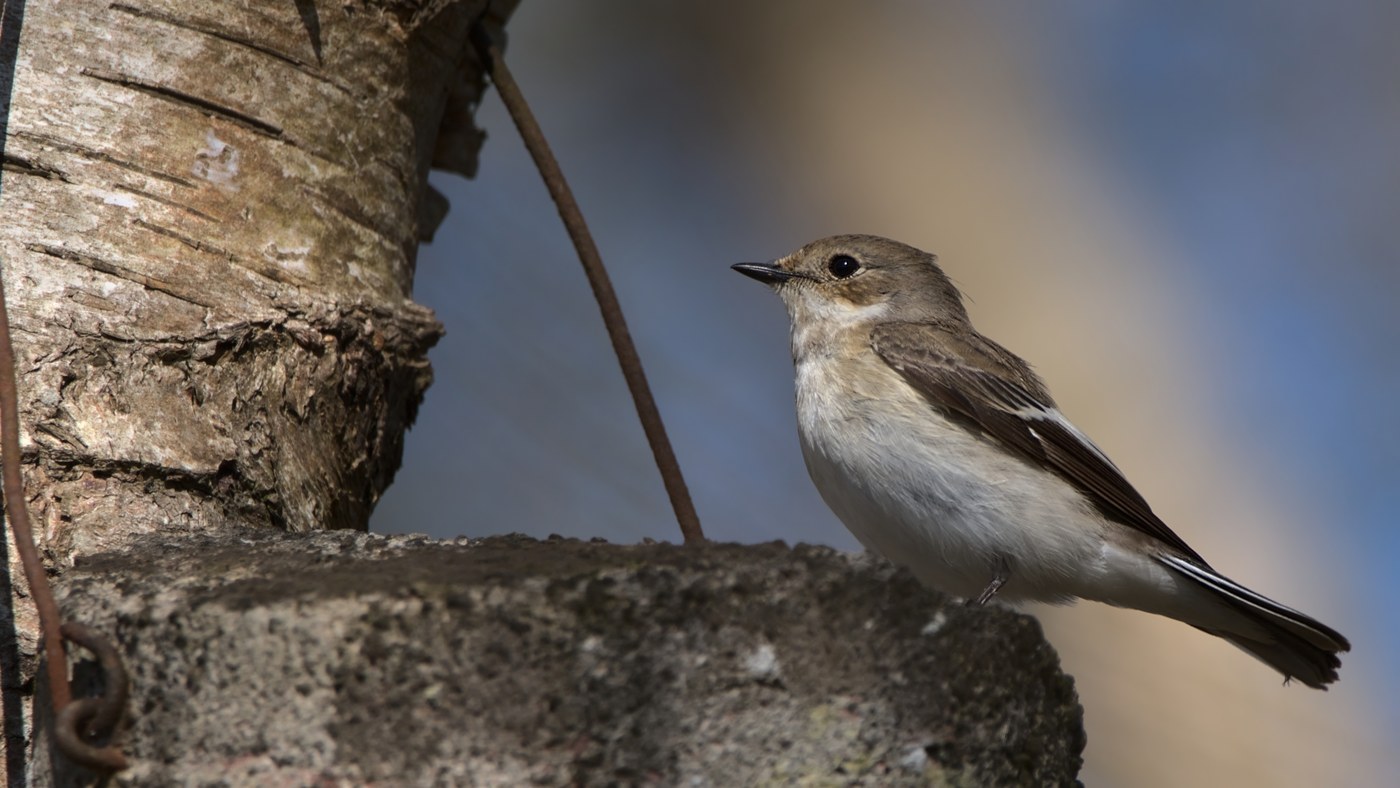
European Pied Flycatcher
Ficedula hypoleuca
A crisp black-and-white migratory flycatcher of oak woodland, the male boldly patterned and readily taking to nest boxes across much of Europe.
- Size
- 12-13.5 cm (4.7-5.3 in) long, 21.5-24 cm wingspan
- Habitat
- mature deciduous woodland, especially oak woods; readily uses nest boxes
- Type
- songbird
Spotted a bird like this?
Identify any bird from a photo, free.
Overview
The European Pied Flycatcher is a small, boldly patterned migratory songbird strongly associated with mature deciduous woodland, particularly oak woods, and is one of the best-studied European migrant birds thanks to its willingness to nest in artificial nest boxes.
Appearance
Breeding males are strikingly patterned in black and white: a black crown, back, and wings contrast with clean white underparts, a small white patch on the forehead, and a bold white wing patch. Females and non-breeding males are much more subdued, showing brown-grey tones in place of the male's black, though retaining the same basic pattern and white wing patch.
How to identify it
Key Field Marks
- Breeding male: black upperparts, white underparts, small white forehead patch, bold white wing patch
- Female/non-breeding male: brown-grey upperparts replacing black, same white wing patch and pale underparts
- Small, compact build with an upright flycatching posture
- Frequent flicking of wings and tail
Similar Species
Collared Flycatcher, found further east and in limited overlap zones, is very similar but the male shows a complete white collar around the back of the neck, which the Pied Flycatcher lacks (or shows only as a partial, incomplete band in some individuals) — this is the key distinguishing feature between the two closely related species.
Habitat & range
Habitat
Pied Flycatchers favor mature, open-structured deciduous woodland, especially oak woods with a relatively open understorey providing good flying space for catching insects, and readily use nest boxes provided in managed woodland.
Range and Migration
The species breeds across much of Europe, from Britain and Iberia eastward into parts of western Asia, with particular strongholds in oak woodlands of Wales, northern England, and parts of Scandinavia. It is a long-distance migrant, wintering in West Africa, and returns to European breeding grounds in mid-spring, with well-documented cases of arrival timing shifting due to changing climate conditions.
Behavior & voice
Behavior
Pied Flycatchers hunt using classic flycatching technique — perching on an exposed branch and sallying out to snatch flying insects in short aerial pursuits before returning to the same or a nearby perch — though they also glean insects directly from foliage.
Voice
The song is a short, clear, rhythmic series of ringing notes, often delivered from high in the canopy near the nest site. The call is a sharp "whit" or a soft "tic."
Nesting and Breeding
Pied Flycatchers nest in cavities, readily using nest boxes as well as natural tree holes and old woodpecker holes, building a loose cup of grass, bark strips, and moss. The female lays 5-7 pale blue eggs and incubates them for about 12-14 days; the species' strong use of nest boxes has made it a key study species for research on migration timing and climate change effects on breeding phenology.
Frequently asked questions
How can you tell a male Pied Flycatcher from a male Collared Flycatcher?
The Collared Flycatcher has a complete white collar around the back of the neck, while the Pied Flycatcher lacks this full collar, showing at most a partial or incomplete pale band in some individuals.
Why do Pied Flycatchers use nest boxes so readily?
As natural cavity nesters that favor tree holes and old woodpecker holes, they take readily to artificial nest boxes of a suitable size placed in woodland, which has made them a popular and well-studied species in nest-box schemes.
Where do Pied Flycatchers spend the winter?
They migrate long distances to winter in West Africa, returning to European breeding woodlands in mid-spring.
What habitat do Pied Flycatchers prefer for breeding?
Mature, relatively open deciduous woodland, especially oak woods, which provide good insect-hunting space along with suitable tree cavities for nesting.
European Pied Flycatcher guides
In-depth guides for identifying, finding, and understanding European Pied Flycatcher.
Other birds you may enjoy
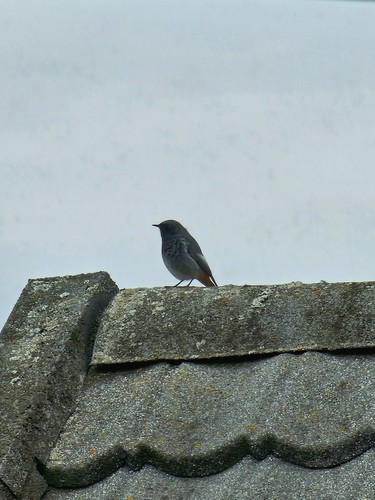
Black Redstart
13-14.5 cm (5.1-5.7 in) long, 23-26 cm wingspan
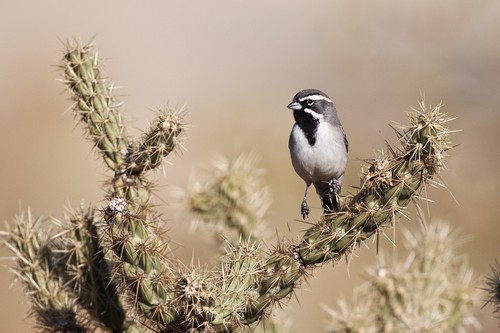
Black-throated Sparrow
12-14 cm (4.7-5.5 in) long, about 19-20 cm (7.5-8 in) wingspan
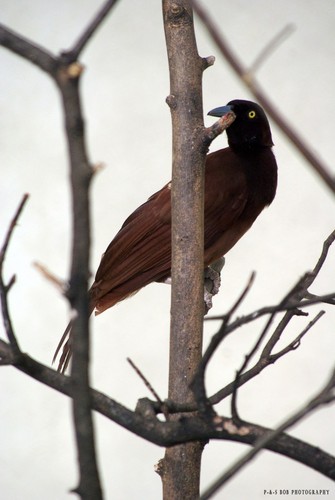
Greater Bird-of-paradise
Body about 43 cm; males with additional flank plumes up to 50 cm and long tail wires
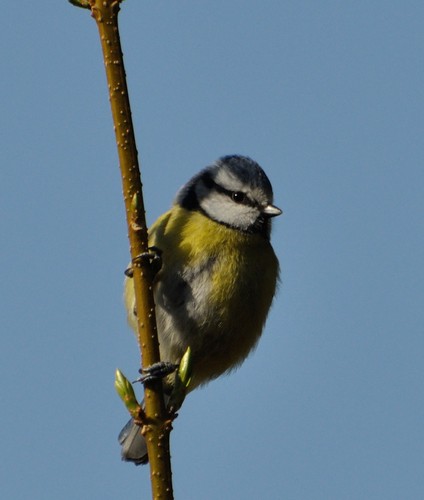
Blue Tit
11-12 cm (4.3-4.7 in) long, 17-20 cm wingspan

Red-billed Quelea
11.5–13 cm long, wingspan about 20–22 cm
White-plumed Antbird
13-14 cm (5-5.5 in) long
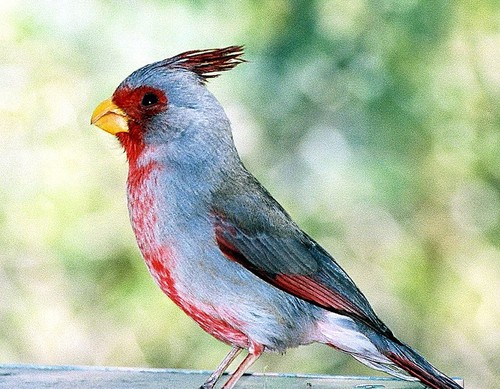
Pyrrhuloxia
19-22 cm (7.5-8.7 in) long, 30 cm wingspan
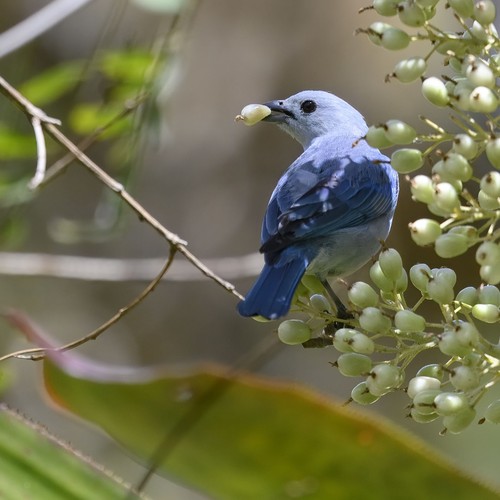
Blue-gray Tanager
16-18 cm (6-7 in) long
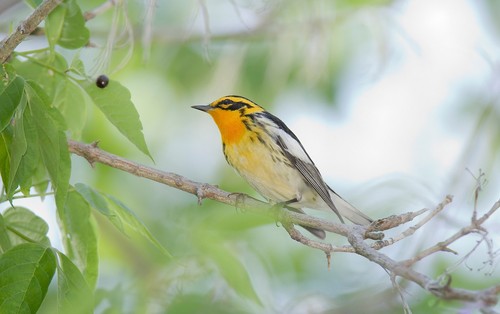
Blackburnian Warbler
11-13 cm (4.3-5.1 in) long, 20-22 cm wingspan
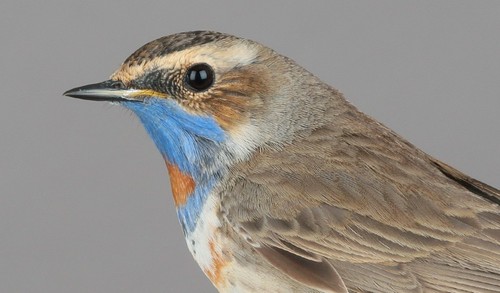
Bluethroat
13-14 cm (5.1-5.5 in) long, 20-22 cm wingspan
Eurasian Nuthatch
12-14.5 cm (4.7-5.7 in) long, 22.5-27 cm wingspan
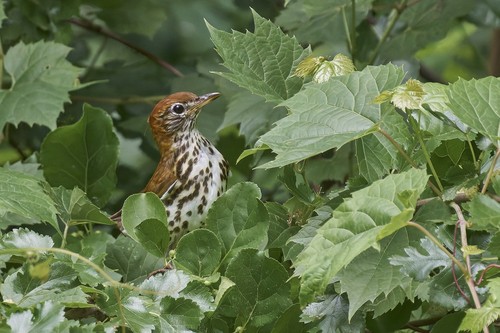
Wood Thrush
19-21 cm (7.5-8.3 in) long, about 33 cm (13 in) wingspan