
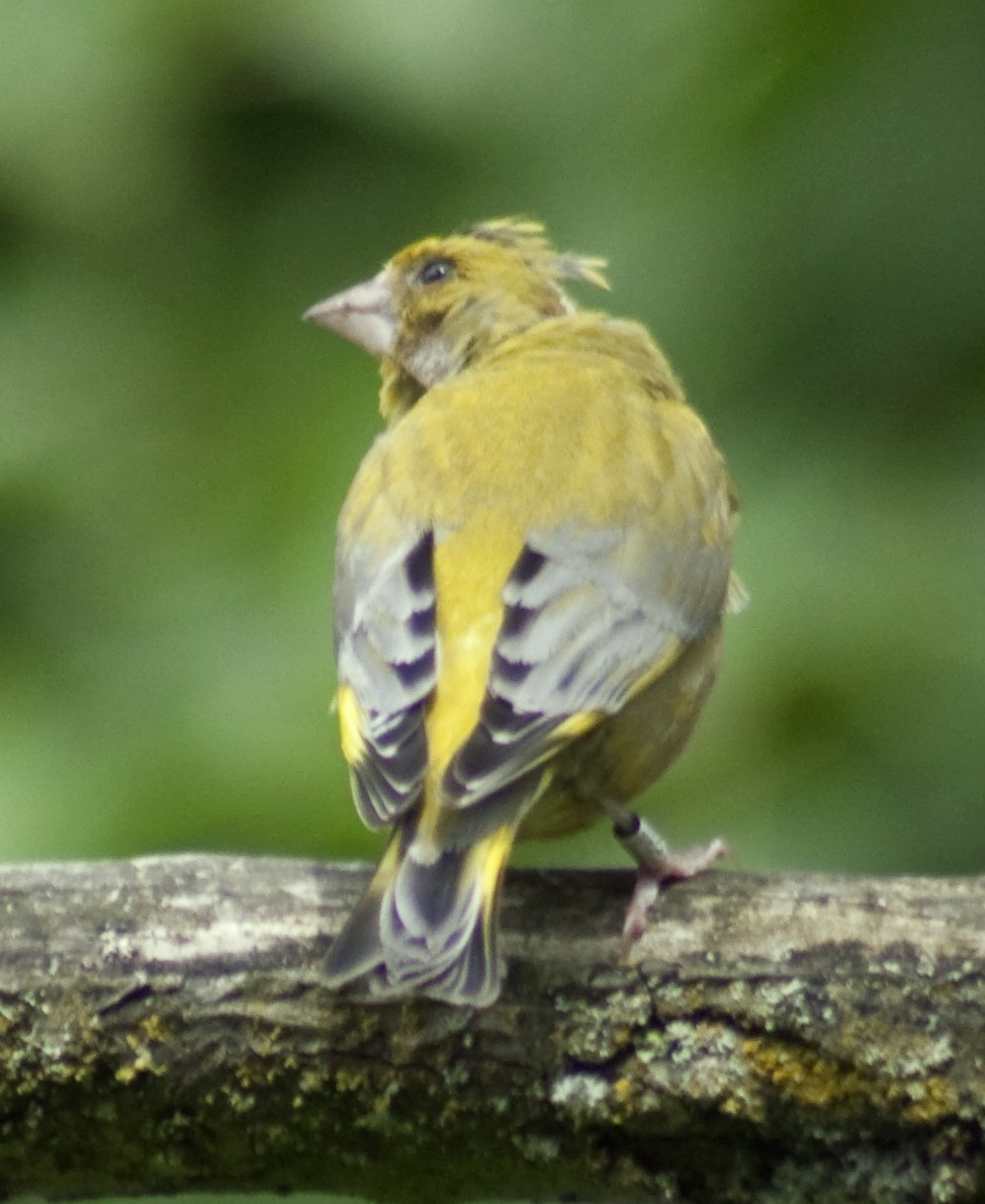
European Greenfinch
Chloris chloris
A stocky, olive-green European finch with bright yellow flashes in the wings and tail, and a heavy seed-cracking bill.
- Size
- 14-16 cm (5.5-6.3 in) long, 24.5-27.5 cm wingspan
- Habitat
- woodland edges, hedgerows, farmland, parks, and gardens
- Type
- songbird
Spotted a bird like this?
Identify any bird from a photo, free.
Overview
The European Greenfinch is a robust, thickset finch with an overall olive-green body, grayish wings marked by bright yellow panels, and yellow patches at the base of the tail that flash conspicuously in flight. Males are brighter and more uniformly green than the duller, more streaked females. Its bill is notably heavy and conical, adapted for cracking open larger, tougher seeds than many other finches can manage.
Greenfinches are common visitors to garden feeders, where their wheezy calls and stocky silhouette make them easy to pick out among other finches.
How to identify it
Key field marks
- Olive-green body, grayer on the wings
- Bright yellow patches in the wings and at the base of the tail
- Heavy, pale, conical bill
- Males brighter and greener than duller, streakier females
Similar species
- European Goldfinch has a red face and black-and-white head, easily separating it from the plain-headed Greenfinch.
- Common Chaffinch shows white wing bars rather than yellow, and lacks the Greenfinch's stocky, heavy-billed build.
Habitat & range
Habitat
Inhabits woodland edges, hedgerows, farmland, orchards, parks, and gardens, especially where conifers are available for nesting.
Range
Widespread across Europe, North Africa, and western Asia; introduced populations occur in Australia and New Zealand.
Migration
Partially migratory; northern populations move south in winter, while many western European birds are resident, sometimes joining large winter finch flocks.
Behavior & voice
Behavior
Often forms flocks outside the breeding season, sometimes mixing with other finches at feeders and stubble fields; males perform a slow, butterfly-like display flight in spring.
Voice
A wheezy, nasal "dzweee" call is highly distinctive; song is a twittering series of trills interspersed with the wheezy call note.
Feeding
Eats seeds, including sunflower seeds, along with buds and occasional insects; its heavy bill lets it crack larger, tougher seeds than smaller finches can handle.
Nesting
Builds a bulky cup nest of twigs, moss, and grass, often in a dense hedge, shrub, or conifer; lays 4-6 pale, sparsely spotted eggs.
Frequently asked questions
How do you identify a European Greenfinch?
Look for a stocky, olive-green finch with bright yellow patches in the wings and tail, and a heavy, pale conical bill.
What does a Greenfinch sound like?
Its most distinctive sound is a long, wheezy, nasal "dzweee" call, combined with a twittering, trilling song.
What do Greenfinches eat?
Primarily seeds, including sunflower seeds at feeders, along with buds and some insects, cracked open with their strong conical bill.
Are Greenfinches common garden birds?
Yes, they are frequent visitors to garden feeders across their range, though populations in parts of Europe have declined due to disease.
European Greenfinch guides
In-depth guides for identifying, finding, and understanding European Greenfinch.
Other birds you may enjoy
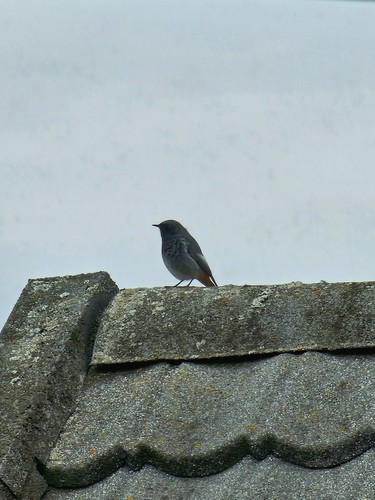
Black Redstart
13-14.5 cm (5.1-5.7 in) long, 23-26 cm wingspan
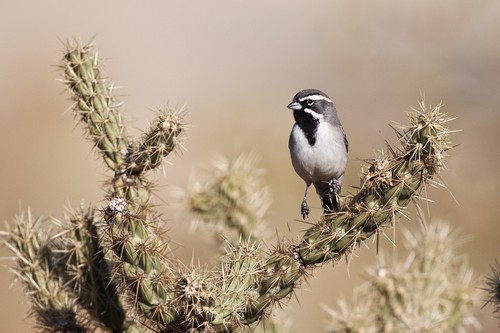
Black-throated Sparrow
12-14 cm (4.7-5.5 in) long, about 19-20 cm (7.5-8 in) wingspan
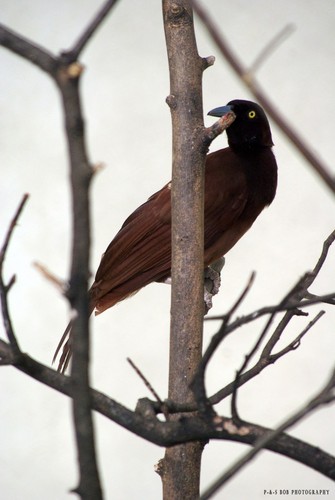
Greater Bird-of-paradise
Body about 43 cm; males with additional flank plumes up to 50 cm and long tail wires
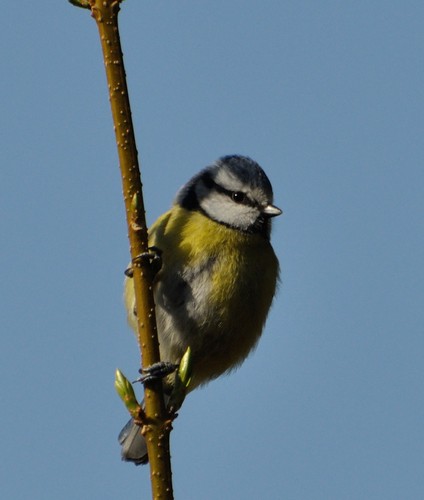
Blue Tit
11-12 cm (4.3-4.7 in) long, 17-20 cm wingspan
Red-billed Quelea
11.5–13 cm long, wingspan about 20–22 cm
White-plumed Antbird
13-14 cm (5-5.5 in) long
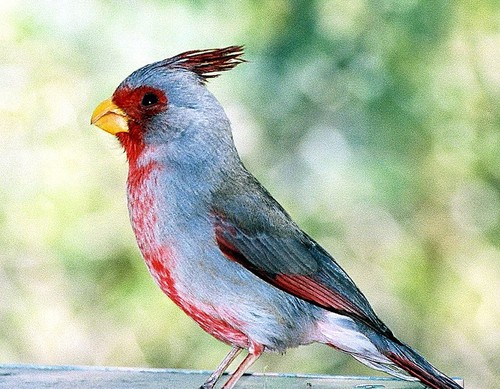
Pyrrhuloxia
19-22 cm (7.5-8.7 in) long, 30 cm wingspan
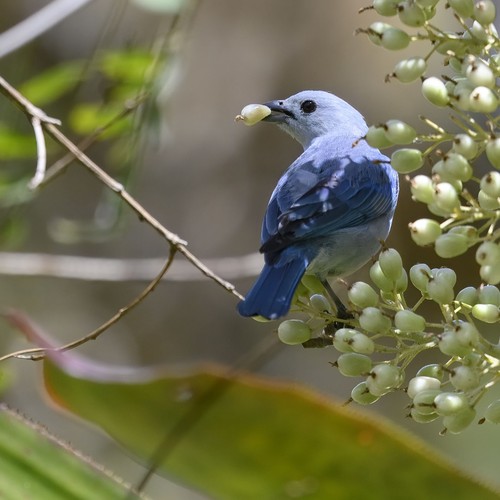
Blue-gray Tanager
16-18 cm (6-7 in) long
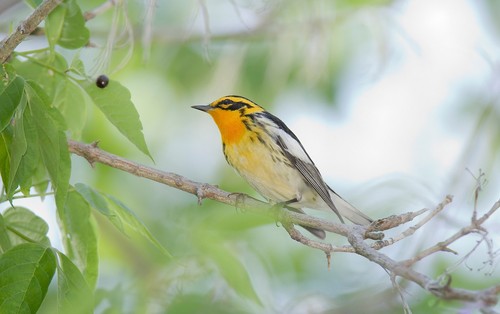
Blackburnian Warbler
11-13 cm (4.3-5.1 in) long, 20-22 cm wingspan
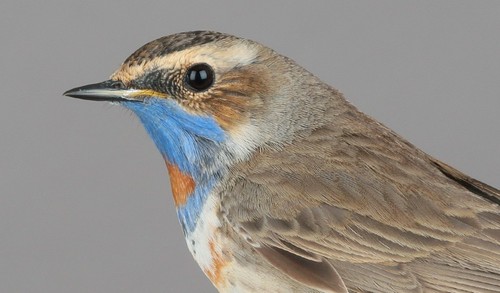
Bluethroat
13-14 cm (5.1-5.5 in) long, 20-22 cm wingspan
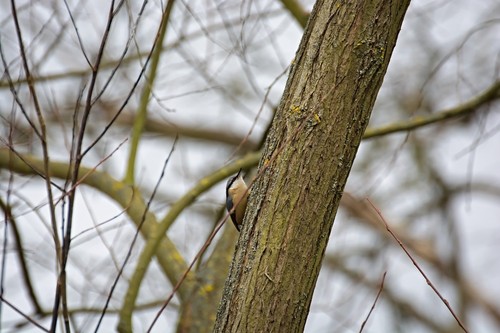
Eurasian Nuthatch
12-14.5 cm (4.7-5.7 in) long, 22.5-27 cm wingspan
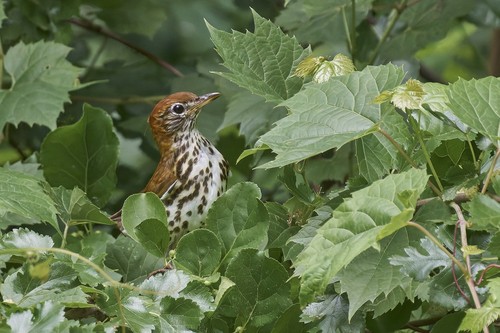
Wood Thrush
19-21 cm (7.5-8.3 in) long, about 33 cm (13 in) wingspan