
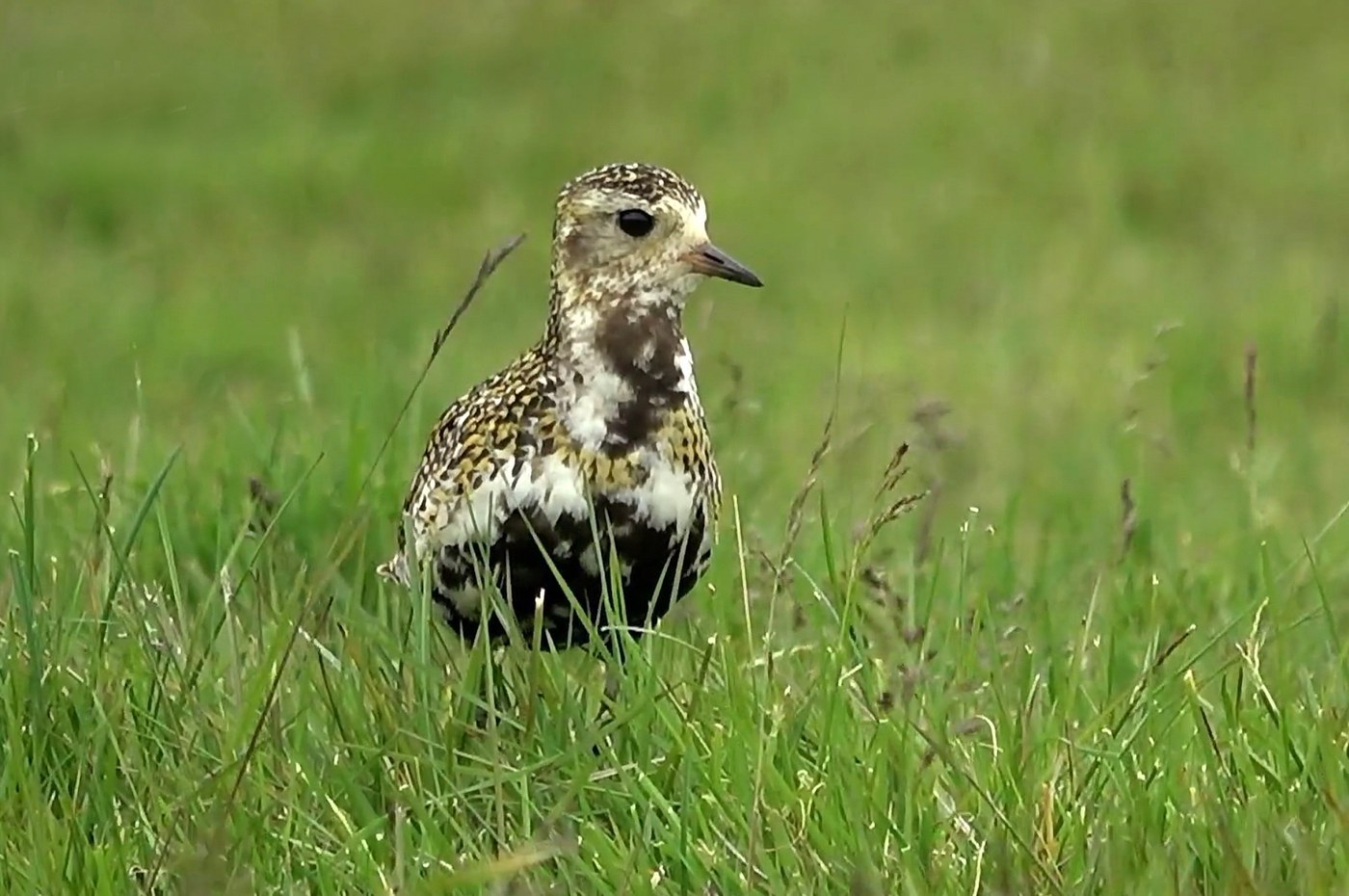
European Golden-Plover
Pluvialis apricaria
A handsome gold-spangled plover of northern moors and tundra, wintering in large flocks on European farmland and estuaries.
- Size
- 26-29 cm (10-11.5 in) long, 67-76 cm wingspan
- Habitat
- moorland and tundra (breeding); farmland, pastures, and estuaries (non-breeding)
- Type
- shorebird
Spotted a bird like this?
Identify any bird from a photo, free.
Overview
The European Golden-Plover is a compact, round-headed plover with upperparts densely spangled in gold, black, and white, giving it a warm, glittering appearance. Breeding adults have black faces and underparts bordered by a broad white stripe running from the forehead to the flanks, though the extent of black varies with subspecies and individual.
In non-breeding plumage the black is lost, leaving warm golden-brown upperparts and pale, buffy underparts.
Outside the breeding season it often forms large, tightly packed flocks on open farmland, frequently associating with Northern Lapwings.
How to identify it
Key field marks
- Rounded head, compact build, relatively short bill typical of Pluvialis plovers
- Gold-and-black spangled upperparts at all seasons
- White (not gray or black) axillaries and underwing in flight—diagnostic among golden-plovers
- Breeding: black face and underparts bordered by white band
Similar species
- Pacific and American Golden-Plovers show gray axillaries rather than white, and are typically slimmer with longer wing projection.
- Black-bellied/Grey Plover is bulkier, shows black axillaries and a white wing stripe, and has a stouter bill.
Habitat & range
European Golden-Plovers breed on upland moorland, blanket bog, and Arctic and subarctic tundra across Iceland, the British Isles, Scandinavia, and northern Russia. In winter they move to lowland farmland, pastures, and coastal estuaries across western and southern Europe, North Africa, and the Middle East, often gathering in large, dense flocks.
Behavior & voice
Voice
A clear, mournful whistled tlui or tlee, and a more musical, piping song delivered in display flight over breeding moorland.
Feeding
Forages on open ground using the typical plover run-stop-peck technique, taking earthworms and insects from pasture and farmland in winter, and insects, spiders, and berries on tundra and moorland in summer.
Nesting
Nests in a shallow scrape on open moorland or tundra, often lined with lichen or moss for camouflage. Both parents incubate and are highly attentive, performing distraction displays against predators such as foxes and skuas.
Frequently asked questions
How do you separate European Golden-Plover from other golden-plovers?
In flight it shows white axillaries (wingpits), unlike the gray axillaries of American and Pacific Golden-Plovers.
Where does the European Golden-Plover breed?
On upland moorland and tundra in places such as Iceland, Scotland, Scandinavia, and northern Russia.
What does it eat in winter?
Mainly earthworms and insects taken from pastures and farmland, often alongside flocks of Northern Lapwings.
Does it form large flocks?
Yes, in winter it commonly gathers in dense flocks on open farmland and estuaries, sometimes numbering in the thousands.
European Golden-Plover guides
In-depth guides for identifying, finding, and understanding European Golden-Plover.
Other birds you may enjoy
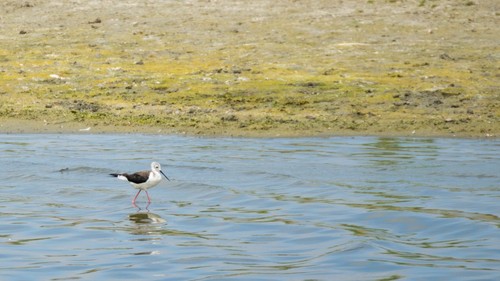
Black-winged Stilt
33-36 cm (13-14 in) long, wingspan 67-83 cm
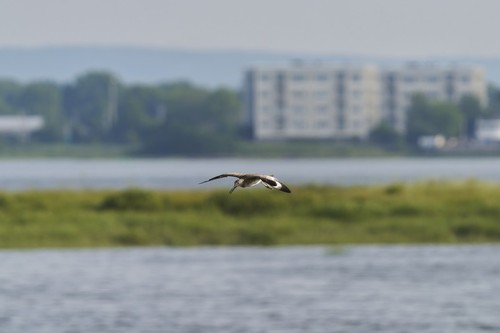
Willet
33-41 cm (13-16 in) long, 65-70 cm wingspan
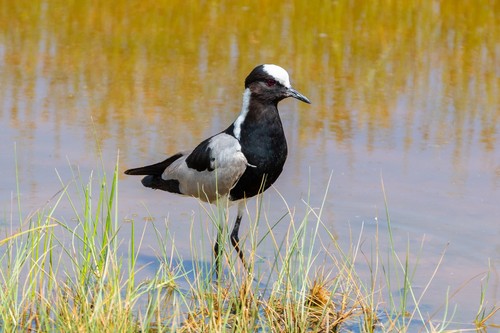
Blacksmith Lapwing
Body length about 30 cm; wingspan 55-65 cm
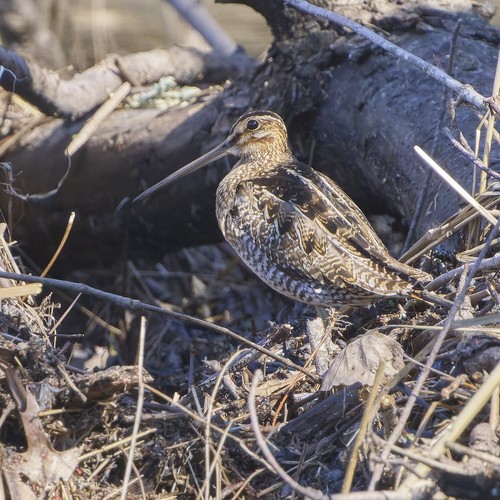
Wilson's Snipe
25-30 cm (10-12 in) long, 39-45 cm wingspan
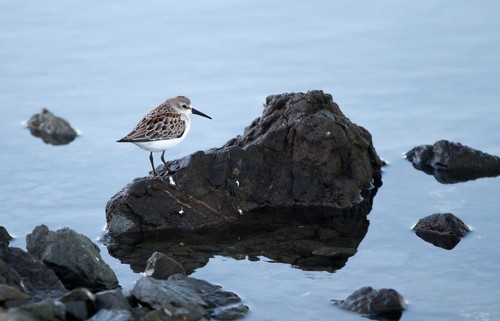
Western Sandpiper
14-17 cm (5.5-6.7 in) long, 28-37 cm wingspan
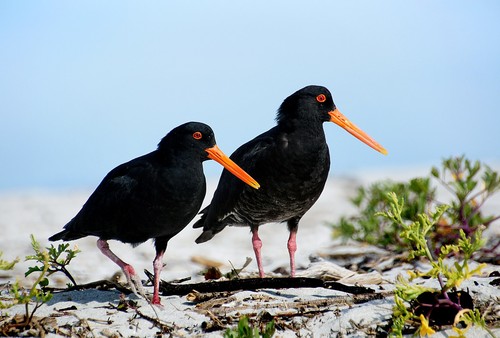
Variable Oystercatcher
46-49 cm (18-19 in) long
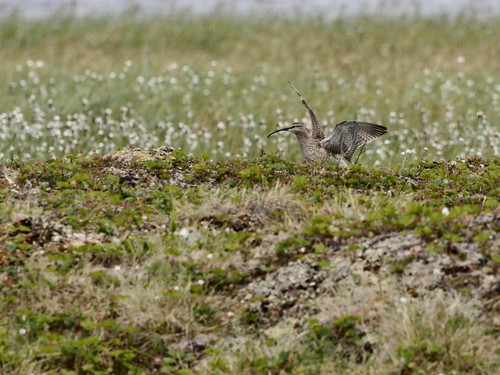
Whimbrel
40-46 cm (16-18 in) long, 76-89 cm wingspan
Wilson's Phalarope
22-24 cm (8.5-9.5 in) long, 37-43 cm wingspan
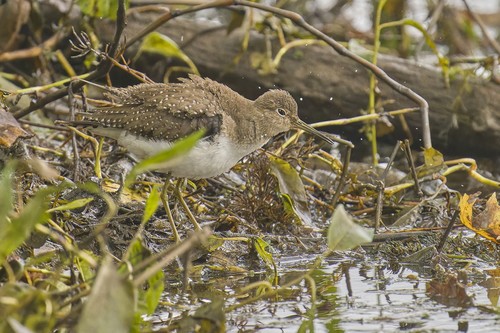
Solitary Sandpiper
19-23 cm (7.5-9 in) long, 50-56 cm wingspan
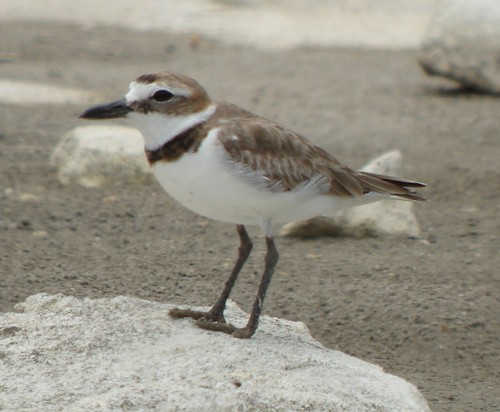
Wilson's Plover
17-19 cm (6.7-7.5 in) long, 45-50 cm wingspan
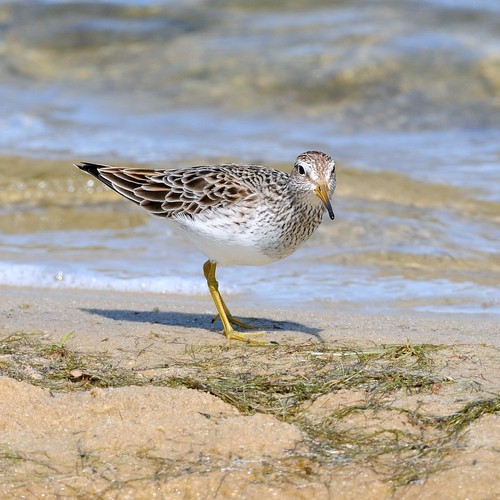
Pectoral Sandpiper
19-23 cm (7.5-9 in) long, 43-49 cm wingspan
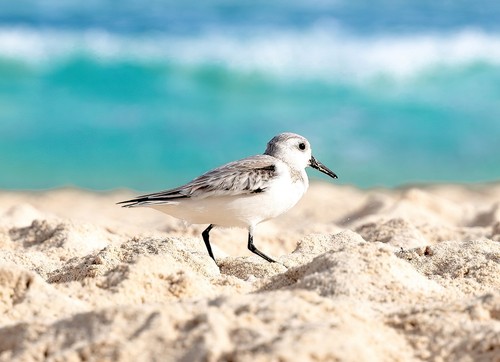
Sanderling
18-20 cm (7-8 in) long, 40-43 cm wingspan