
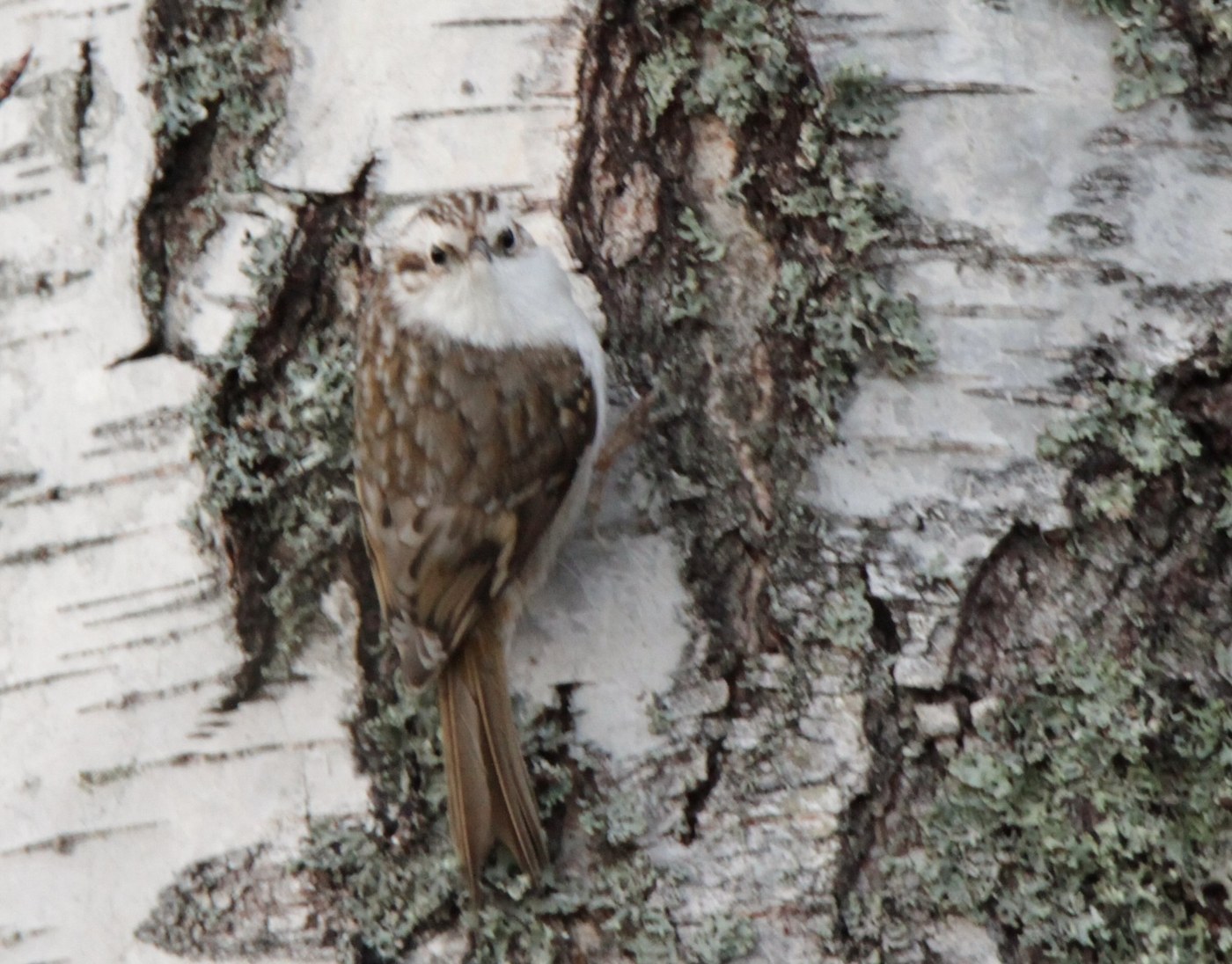
Eurasian Treecreeper
Certhia familiaris
A small, superbly camouflaged woodland bird that spirals upward around tree trunks probing bark crevices with its thin, downcurved bill.
- Size
- 12.5 cm (5 in) long, 17.5-21 cm wingspan
- Habitat
- woodland, especially coniferous and mixed forest in much of its range
- Type
- songbird
Spotted a bird like this?
Identify any bird from a photo, free.
Overview
The Eurasian Treecreeper is a small, slender woodland bird whose mottled brown-and-buff upperparts provide near-perfect camouflage against tree bark, making it easy to overlook until it moves. The underparts are clean silvery-white, contrasting with the intricately patterned back.
Its thin, downcurved bill is precisely adapted for probing into narrow bark crevices in search of insects, while its stiff, pointed tail feathers act as a prop, braced against the trunk in the same manner used by woodpeckers.
Treecreepers forage in a highly characteristic manner: starting near the base of a tree, they spiral upward in short hops, probing bark as they go, before flying down to the base of the next tree to begin again.
How to identify it
Key field marks
- Mottled brown, buff, and white upperparts resembling bark
- Clean silvery-white underparts
- Thin, downcurved bill
- Stiff, pointed tail used as a prop against the trunk
- Characteristic spiralling, upward climbing behaviour
Similar species
- Short-toed Treecreeper: extremely similar in plumage, best separated by voice, a slightly longer bill, and browner overall tone; ranges overlap in parts of western Europe.
- Eurasian Nuthatch: much bluer-grey above with a bold black eyestripe and orange underparts, and climbs down head-first rather than only spiralling upward.
- Wren: rounder-bodied with a cocked tail and lacks the treecreeper's bark-probing climbing behaviour and camouflaged plumage pattern.
Habitat & range
Eurasian Treecreepers are found across much of Europe and northern Asia, favouring woodland with mature trees offering plenty of bark crevices for foraging. In much of continental Europe, particularly where it overlaps with the Short-toed Treecreeper, it shows a preference for coniferous and mixed forest, especially at higher elevations, while in areas without the Short-toed Treecreeper, such as Britain and Ireland, it occupies both broadleaf and coniferous woodland.
The species is largely resident and non-migratory, with pairs and individuals holding territories in the same woodland year-round.
Outside the breeding season, treecreepers sometimes join mixed foraging flocks with tits, goldcrests, and other small woodland birds.
Behavior & voice
Voice
The song is a thin, high-pitched series of notes ending in a slight flourish, delicate and easily overlooked among other woodland bird sounds. The call is a very high, thin "tsee" or "srree," similarly easy to miss.
Feeding
Treecreepers glean insects and spiders from bark crevices using their fine, downcurved bill, working systematically up a trunk in a spiral before flying to the base of a neighbouring tree to repeat the process.
Nesting and breeding
The nest is built behind loose bark or in a narrow crevice, often against the trunk, using twigs, moss, and spider silk. Clutches typically contain five to six eggs.
Frequently asked questions
How do you identify a Eurasian Treecreeper?
Look for a small bird with mottled brown, bark-like upperparts, clean white underparts, and a thin downcurved bill, spiralling upward around a tree trunk in short hops.
How is the Eurasian Treecreeper different from the Short-toed Treecreeper?
The two species are extremely similar in plumage and are best told apart by voice, along with subtle differences in bill length and overall tone, since Short-toed is slightly browner.
Why does a Treecreeper always climb upward?
Its stiff, pointed tail feathers act as a prop against the trunk, an adaptation suited to climbing up rather than down, so it flies to the base of the next tree rather than descending.
What does a Eurasian Treecreeper eat?
It feeds on insects and spiders gleaned from bark crevices using its fine, downcurved bill.
What habitat does the Eurasian Treecreeper prefer?
It favours woodland with mature trees, showing a preference for coniferous and mixed forest in parts of continental Europe where it overlaps with the Short-toed Treecreeper.
Eurasian Treecreeper guides
In-depth guides for identifying, finding, and understanding Eurasian Treecreeper.
Other birds you may enjoy
Black Redstart
13-14.5 cm (5.1-5.7 in) long, 23-26 cm wingspan
Black-throated Sparrow
12-14 cm (4.7-5.5 in) long, about 19-20 cm (7.5-8 in) wingspan
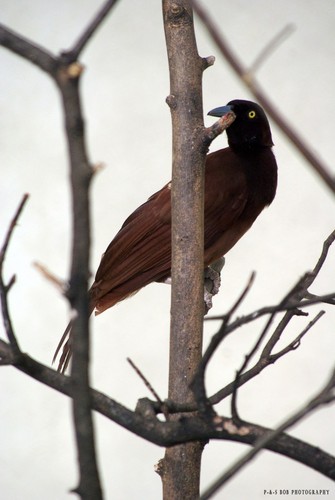
Greater Bird-of-paradise
Body about 43 cm; males with additional flank plumes up to 50 cm and long tail wires
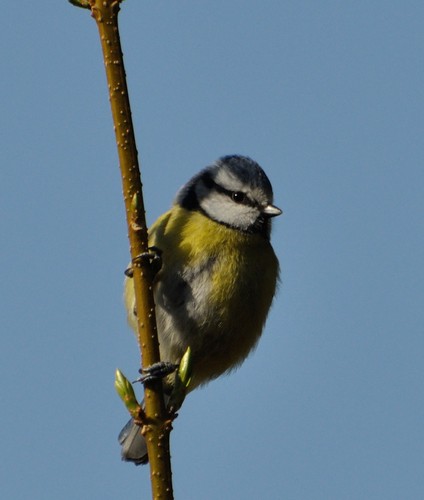
Blue Tit
11-12 cm (4.3-4.7 in) long, 17-20 cm wingspan

Red-billed Quelea
11.5–13 cm long, wingspan about 20–22 cm
White-plumed Antbird
13-14 cm (5-5.5 in) long
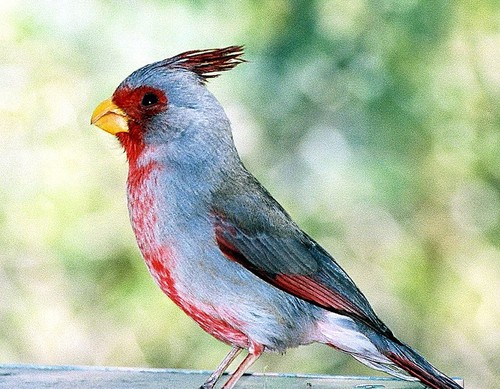
Pyrrhuloxia
19-22 cm (7.5-8.7 in) long, 30 cm wingspan
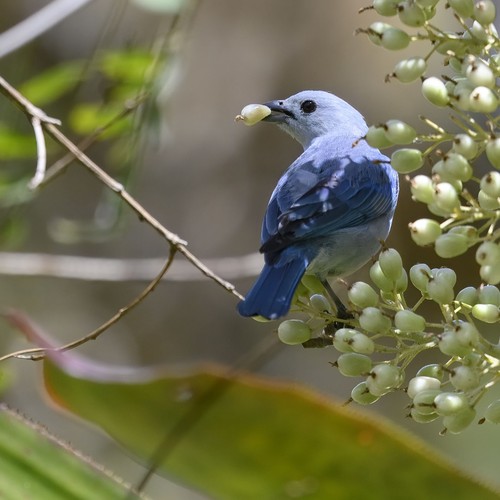
Blue-gray Tanager
16-18 cm (6-7 in) long
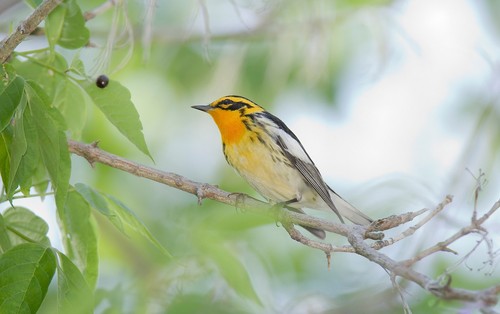
Blackburnian Warbler
11-13 cm (4.3-5.1 in) long, 20-22 cm wingspan
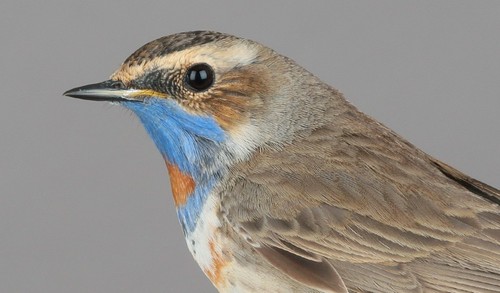
Bluethroat
13-14 cm (5.1-5.5 in) long, 20-22 cm wingspan
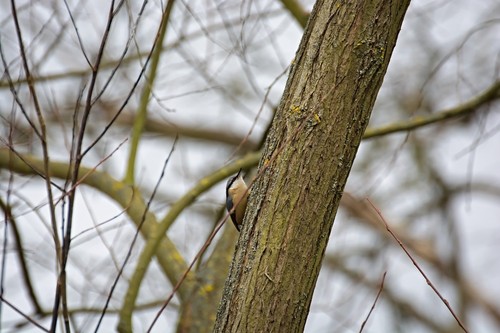
Eurasian Nuthatch
12-14.5 cm (4.7-5.7 in) long, 22.5-27 cm wingspan
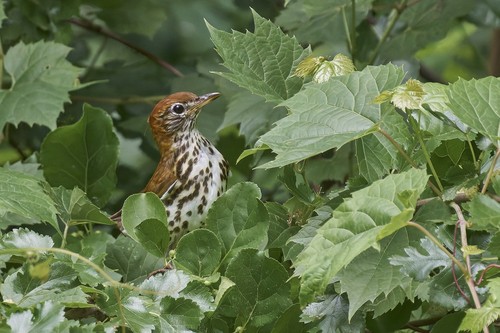
Wood Thrush
19-21 cm (7.5-8.3 in) long, about 33 cm (13 in) wingspan