
Eurasian Spoonbill
Platalea leucorodia
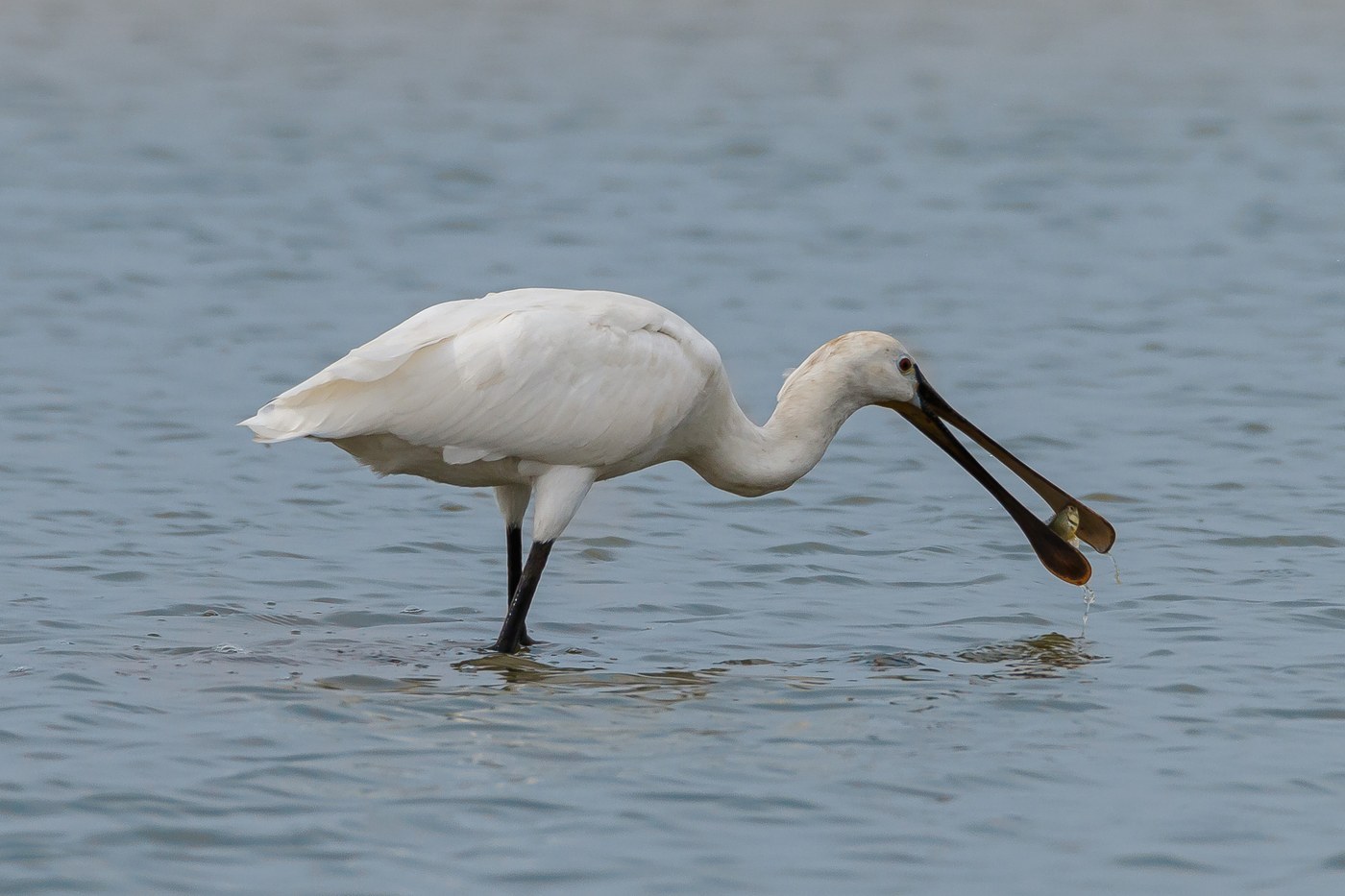
An elegant white wading bird with a distinctive flat, spoon-shaped black-and-yellow bill, found sweeping shallow wetlands from Europe to Asia.
- Size
- 70-95 cm (28-37 in) long, 120-135 cm wingspan
- Habitat
- shallow wetlands, estuaries, and lakes across Europe, Asia, and coastal Africa
- Type
- wading-bird
Spotted a bird like this?
Identify any bird from a photo, free.
Overview
The Eurasian Spoonbill is a large, all-white wading bird best identified by its long, flattened bill with a yellow tip, giving it the characteristic spoon shape shared by all spoonbill species. Breeding adults develop a shaggy crest at the back of the head and a yellowish patch on the breast, while the legs are black.
Unlike its pink American relative, the Eurasian Spoonbill is clean white, making the bill shape its most important identifying feature. It often feeds in small groups, sweeping its bill through shallow water in a distinctive side-to-side motion.
How to identify it
Key field marks
- All-white plumage
- Long, flat, black bill with a yellow tip, spoon-shaped at the end
- Shaggy crest and yellow breast patch in breeding adults
- Black legs
Similar species
White egrets can look similar at rest, but the spoonbill's uniquely flattened, spoon-tipped bill is unmistakable and very different from an egret's straight, pointed bill. The African Spoonbill and Roseate Spoonbill are geographically separate relatives, distinguished by bare face color (red-pink in African Spoonbill) or overall pink plumage (Roseate Spoonbill).
Habitat & range
Habitat
Eurasian Spoonbills use shallow freshwater and brackish wetlands, including lakes, estuaries, lagoons, and flooded marshes.
Range and migration
The species breeds locally across Europe, the Middle East, and Asia, with an isolated population in parts of Africa; northern populations migrate to wintering grounds in Africa and South Asia, while some southern populations are more sedentary.
Behavior & voice
Behavior
Sociable, Eurasian Spoonbills forage and roost in groups, feeding with a steady, rhythmic side-to-side sweeping motion of the bill through shallow water while wading slowly forward.
Voice
Largely silent away from breeding colonies, where adults give occasional low grunting or clattering bill sounds.
Feeding
It sweeps its partly open bill through shallow water, snapping shut on contact with small fish, aquatic insects, and crustaceans detected by touch rather than sight.
Nesting and breeding
Colonial nester, building stick platforms in reedbeds, low trees, or bushes near water; clutches typically contain 3-4 eggs.
Frequently asked questions
How do you identify a Eurasian Spoonbill?
Look for all-white plumage combined with a long, flat black bill that has a yellow tip and spoon-shaped end.
How does a Eurasian Spoonbill feed?
It sweeps its open bill side to side through shallow water, snapping shut when it detects prey by touch.
Where do Eurasian Spoonbills live?
In shallow wetlands across Europe, the Middle East, Asia, and parts of coastal Africa.
Is the Eurasian Spoonbill related to the Roseate Spoonbill?
Yes, both belong to the spoonbill genus Platalea, but the Eurasian Spoonbill is white while the Roseate Spoonbill is pink.
Eurasian Spoonbill guides
In-depth guides for identifying, finding, and understanding Eurasian Spoonbill.
Other birds you may enjoy
Demoiselle Crane
85-100 cm (33-39 in) long, 155-180 cm wingspan
Boat-billed Heron
41-56 cm (16-22 in) long
Purple Heron
78-90 cm (31-35 in) long, 120-152 cm wingspan
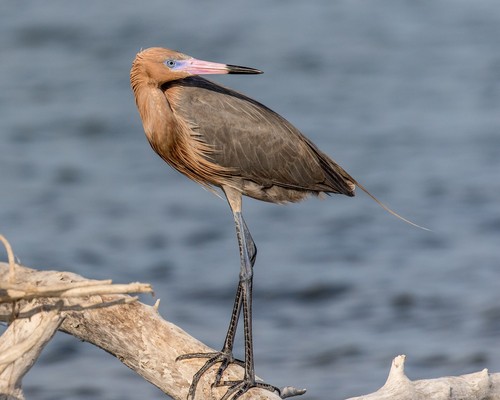
Reddish Egret
68-82 cm (27-32 in) long, 116-125 cm wingspan
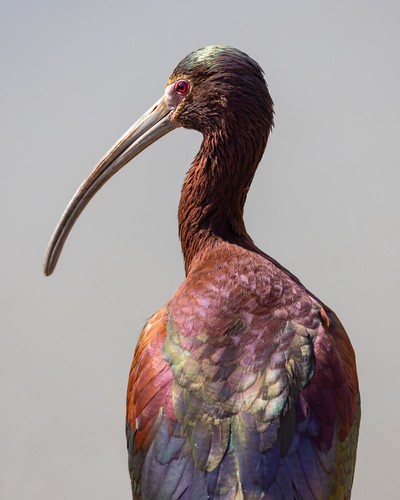
White-faced Ibis
46-56 cm (18-22 in) long, 88-93 cm wingspan
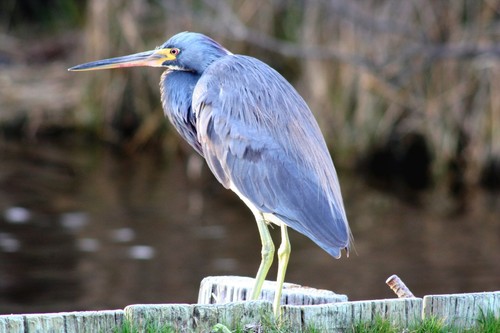
Tricolored Heron
61-76 cm (24-30 in) long, about 96 cm wingspan
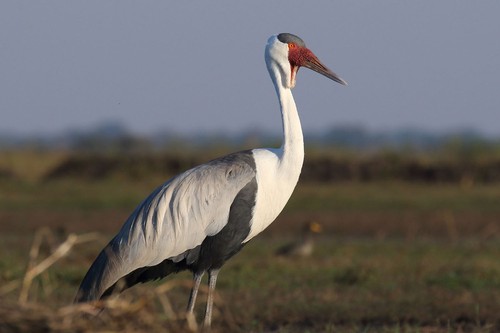
Wattled Crane
120-175 cm (47-69 in) tall, one of the tallest cranes, wingspan up to about 230 cm (7.5 ft)

White-naped Crane
112-125 cm (44-49 in) long, 195-210 cm wingspan
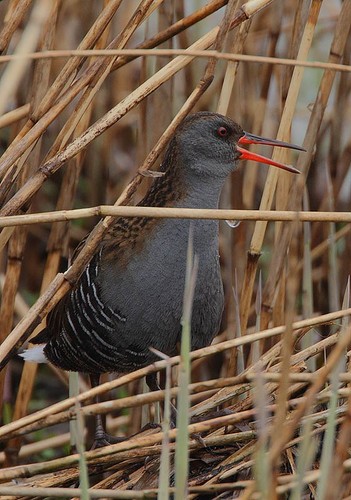
Water Rail
23-28 cm (9-11 in) long, wingspan 38-45 cm
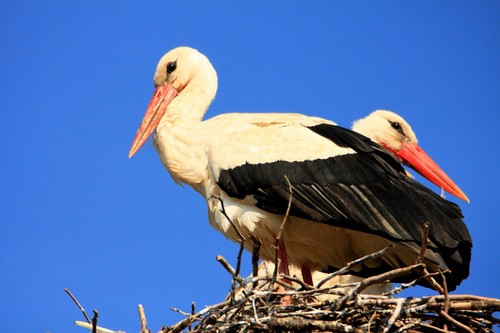
White Stork
100-125 cm (39-49 in) long, 155-215 cm wingspan
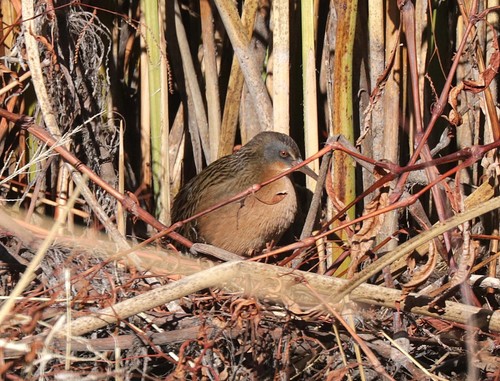
Virginia Rail
20-27 cm (8-11 in) long, wingspan 32-38 cm
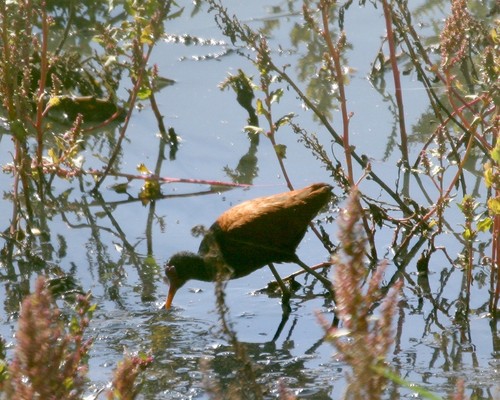
Wattled Jacana
17-23 cm (7-9 in) long