
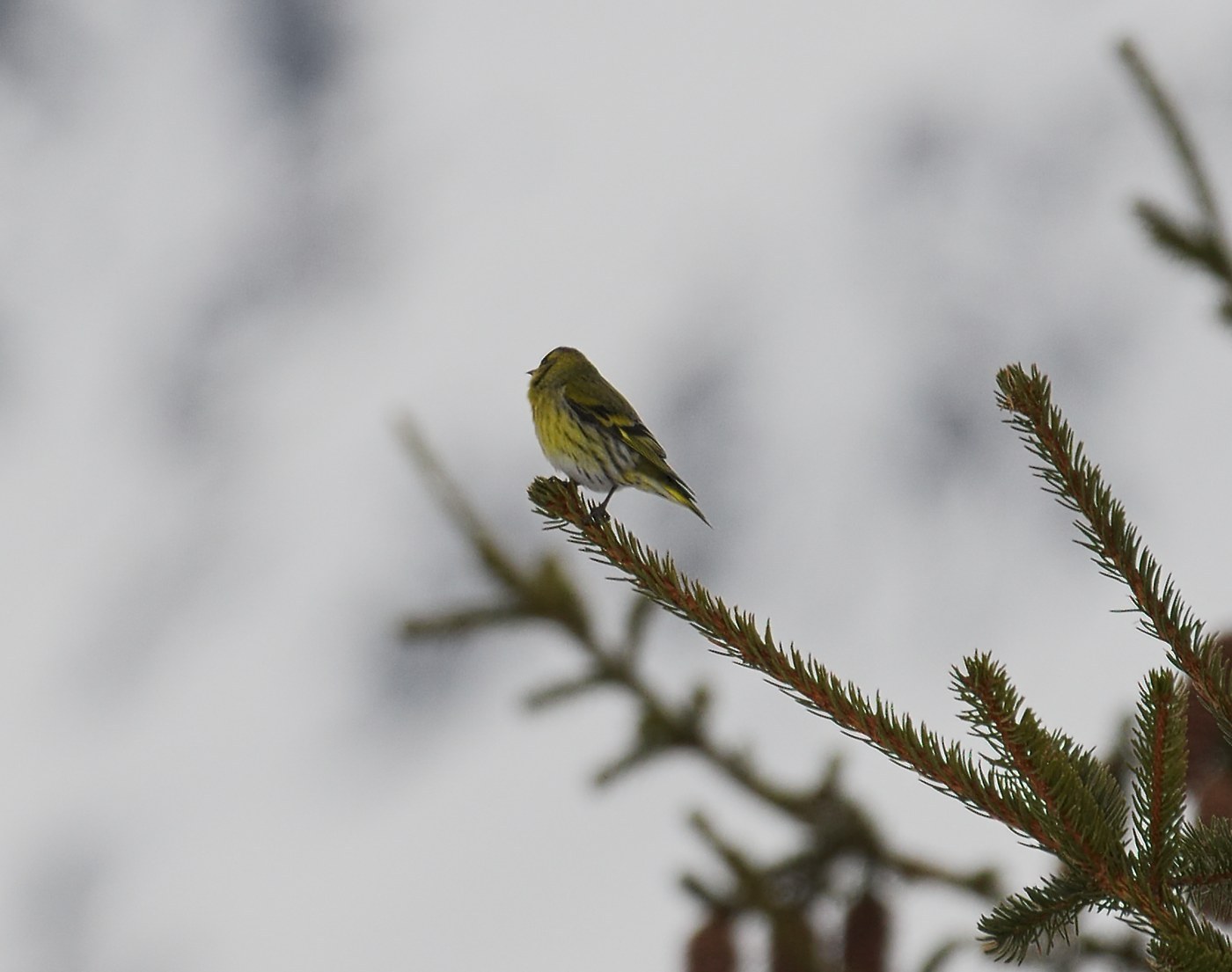
Eurasian Siskin
Spinus spinus
A small, active yellow-green finch of conifer forests; the male has a black cap and bib, both sexes showing bright yellow wing bars.
- Size
- 11-12.5 cm (4.3-5 in) long, 20-23 cm wingspan
- Habitat
- coniferous and mixed woodlands, alder and birch stands
- Type
- songbird
Spotted a bird like this?
Identify any bird from a photo, free.
Overview
The Eurasian Siskin is a small, lively finch with a slender, pointed bill well suited to extracting seeds from conifer cones and alder catkins. The male is streaked yellow-green with a black crown and small black chin patch, bright yellow wing bars, and yellow-green edges to the tail. The female is duller and more heavily streaked, lacking the black cap.
Highly acrobatic, Siskins often feed hanging upside down from cone clusters or catkins, and they form active, twittering flocks that move nomadically in search of good seed crops, sometimes irrupting into new areas in years of food shortage further north.
How to identify it
Key field marks
- Male: black crown and small black bib, yellow-green streaked body, bright yellow wing bars
- Female: duller, more heavily streaked, no black cap
- Slender, pointed bill
- Bright yellow patches at the base of the tail
Similar species
- European Greenfinch is larger, stockier, and less streaked, with a heavier bill.
- European Goldfinch has a red face and lacks the Siskin's black cap and streaking.
Habitat & range
Habitat
Favors coniferous and mixed woodland, especially spruce and pine, as well as alder and birch stands along rivers in winter.
Range
Widespread across Europe and temperate Asia.
Migration
Partially migratory and notably nomadic/irruptive, with numbers in a given area varying greatly year to year depending on seed crop availability; many move south or make local movements in winter.
Behavior & voice
Behavior
Highly acrobatic, often hanging upside down from cones or catkins to extract seeds; forms active, twittering flocks outside the breeding season and is an increasingly common garden feeder visitor in some winters.
Voice
A lively, twittering, wheezy song mixed with trilling notes; distinctive flight call is a thin, rising "tsy-zi."
Feeding
Specializes on conifer seeds and alder or birch catkins, extracted with its fine pointed bill, supplemented by insects in the breeding season; visits feeders for nyjer and sunflower hearts.
Nesting
Builds a small, neat cup nest of twigs, moss, and lichen, typically high in a conifer; lays 3-5 pale blue-green eggs with fine reddish speckling.
Frequently asked questions
How do you identify a male Eurasian Siskin?
Look for a black crown and small black chin patch on a streaked yellow-green body, with bright yellow wing bars and yellow patches at the base of the tail.
Why do Siskin numbers vary so much from year to year in gardens?
Siskins are nomadic and their movements depend heavily on conifer, alder, and birch seed crops; in years of poor seed production further north, more birds move south and visit feeders.
What do Siskins eat?
Mainly conifer seeds and alder or birch catkins extracted with their fine pointed bill, along with insects during the breeding season.
How can you tell a Siskin from a Greenfinch?
The Siskin is smaller and more heavily streaked with a black cap (in males) and finer bill, while the Greenfinch is larger, stockier, and less streaked.
Eurasian Siskin guides
In-depth guides for identifying, finding, and understanding Eurasian Siskin.
Other birds you may enjoy
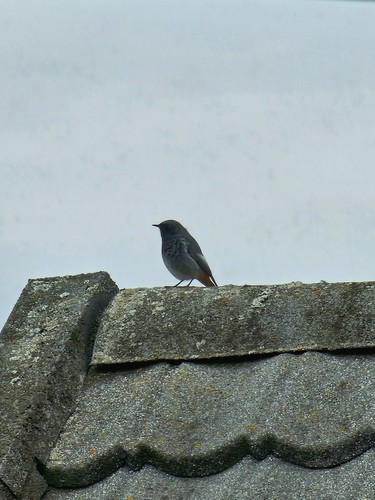
Black Redstart
13-14.5 cm (5.1-5.7 in) long, 23-26 cm wingspan
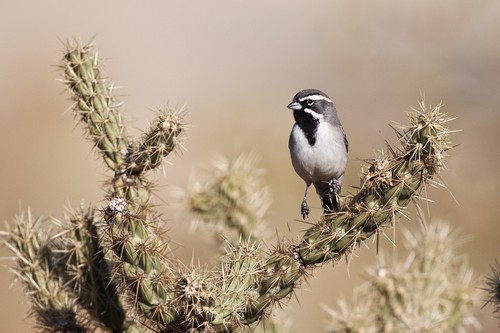
Black-throated Sparrow
12-14 cm (4.7-5.5 in) long, about 19-20 cm (7.5-8 in) wingspan
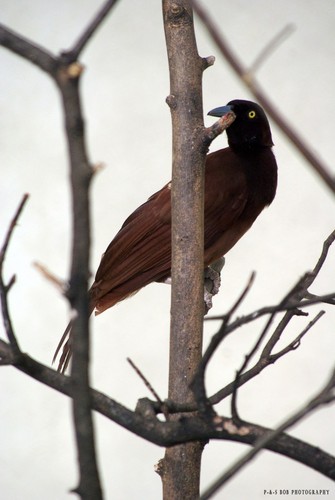
Greater Bird-of-paradise
Body about 43 cm; males with additional flank plumes up to 50 cm and long tail wires
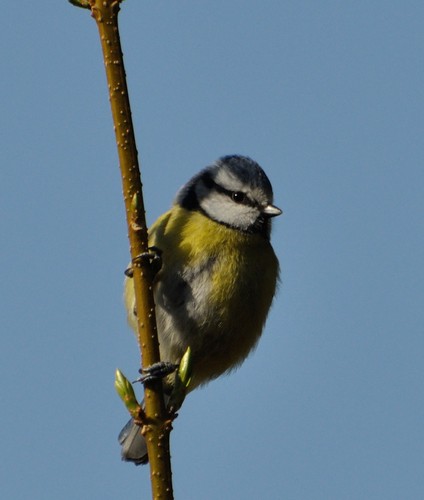
Blue Tit
11-12 cm (4.3-4.7 in) long, 17-20 cm wingspan
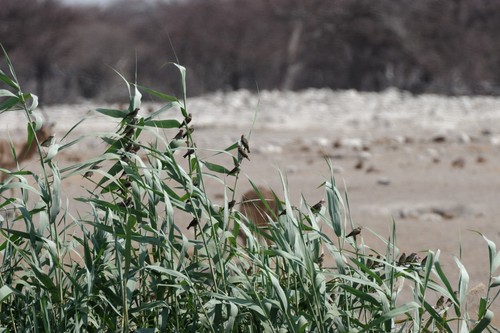
Red-billed Quelea
11.5–13 cm long, wingspan about 20–22 cm
White-plumed Antbird
13-14 cm (5-5.5 in) long
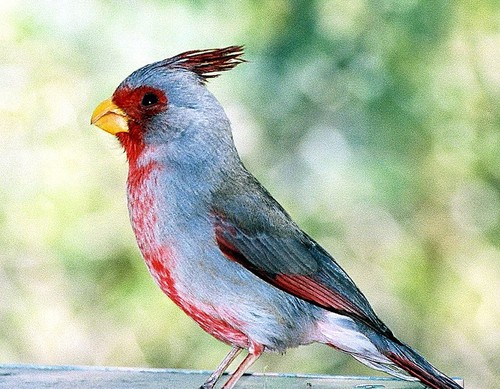
Pyrrhuloxia
19-22 cm (7.5-8.7 in) long, 30 cm wingspan
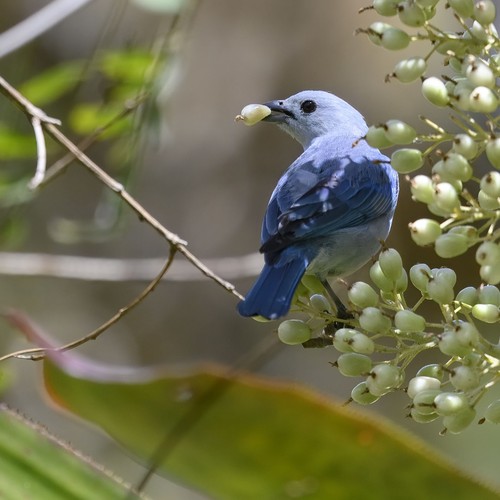
Blue-gray Tanager
16-18 cm (6-7 in) long
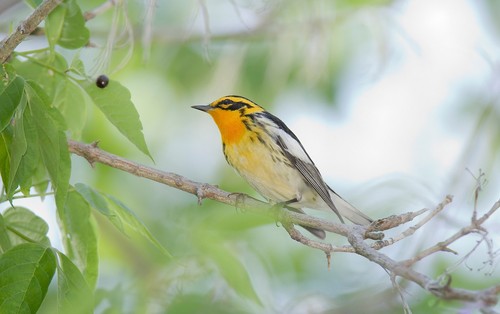
Blackburnian Warbler
11-13 cm (4.3-5.1 in) long, 20-22 cm wingspan
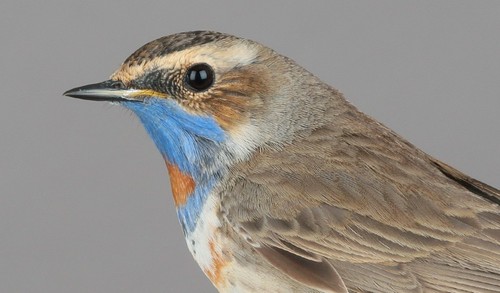
Bluethroat
13-14 cm (5.1-5.5 in) long, 20-22 cm wingspan
Eurasian Nuthatch
12-14.5 cm (4.7-5.7 in) long, 22.5-27 cm wingspan
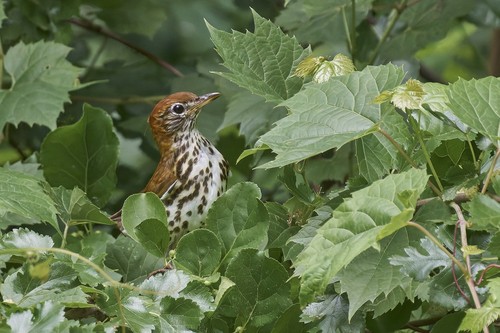
Wood Thrush
19-21 cm (7.5-8.3 in) long, about 33 cm (13 in) wingspan