
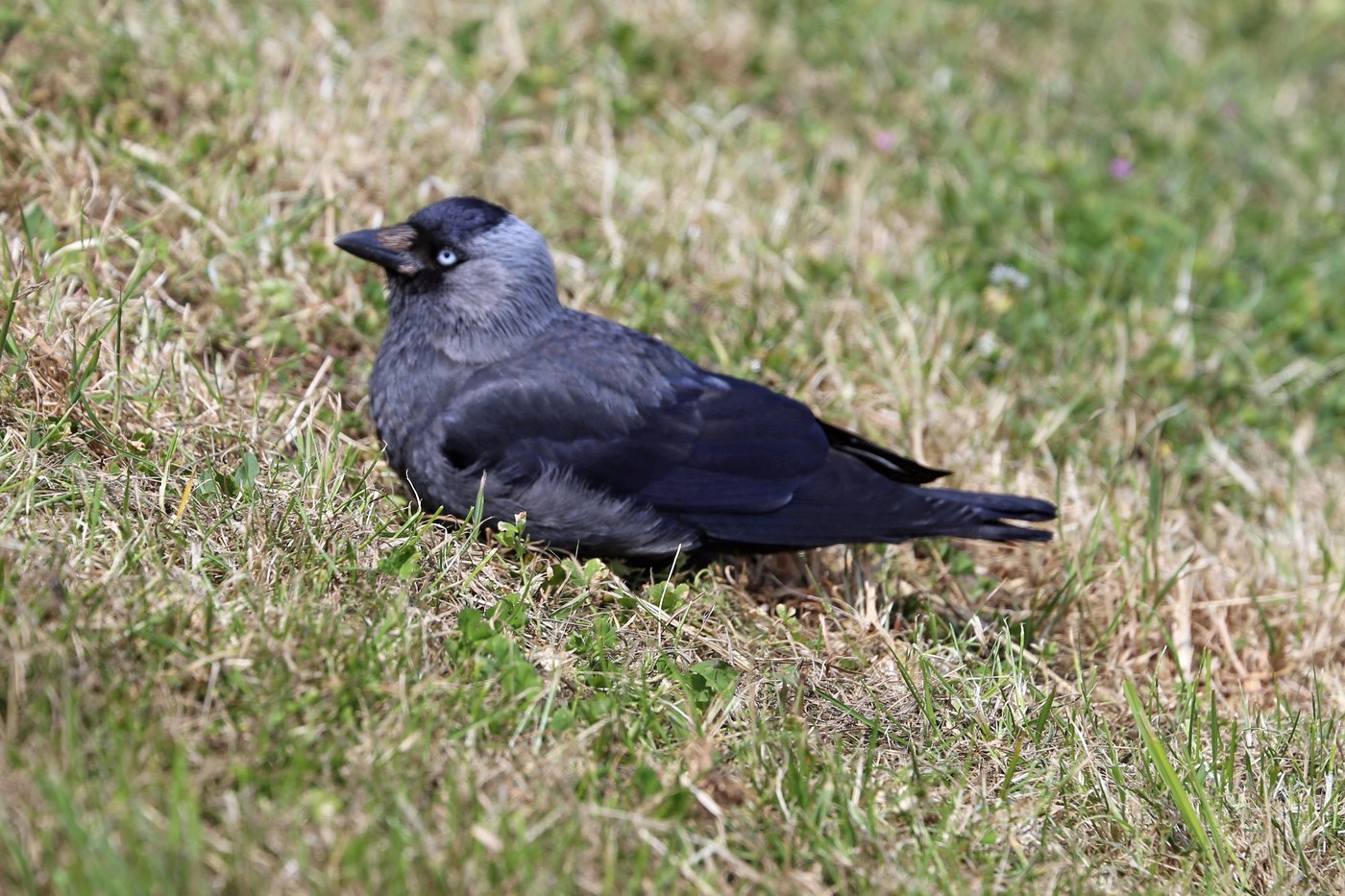
Eurasian Jackdaw
Coloeus monedula
A small, sociable crow with a silvery-grey nape and pale, staring eyes that nests in cavities and cliffs.
- Size
- 34–39 cm long, wingspan 64–73 cm
- Habitat
- Farmland, parks, cliffs, old buildings and woodland edges across Europe, western Asia and North Africa
- Type
- songbird
Spotted a bird like this?
Identify any bird from a photo, free.
Overview
The Eurasian Jackdaw is the smallest of the widespread Old World crows, a compact and highly sociable corvid found across much of Europe, western Asia, and North Africa. It has a glossy black cap and wings, contrasted with a distinctive pale grey-silver nape and hindneck that gives the head a hooded appearance.
Jackdaws are stocky and short-billed compared to other crows, with a rounded head and a quick, jaunty gait. Their most striking feature is the pale, silvery-white iris, which stands out sharply against the dark plumage and gives the bird an alert, almost mischievous expression.
They are intensely gregarious, usually seen in noisy flocks, and often associate with rooks in mixed foraging groups on farmland.
How to identify it
Key field marks
- Small corvid, noticeably smaller and shorter-billed than crows or rooks
- Glossy black crown, throat and wings
- Pale silver-grey nape and sides of neck
- Pale, silvery-white eye (adults) — a diagnostic feature
- Short, stubby black bill
Similar species
- Rook and Carrion Crow: both are noticeably larger, entirely black-billed and black-eyed, and lack the grey nape
- Chough: has a long curved red bill, unlike the jackdaw's short black one
Behavior cues for ID
Quick, buoyant wingbeats and a habit of flying in tight, chattering flocks help separate jackdaws from larger, more solitary corvids at a distance.
Habitat & range
Habitat
Jackdaws favor open and semi-open country: farmland, pasture, parkland, coastal cliffs, and towns and villages with old buildings, church towers, and chimneys that provide nesting cavities.
Range
They are resident across most of Europe, extending through western Asia to parts of Siberia, and into North Africa. They are absent from far northern Scandinavia and much of the high Arctic.
Migration
Most populations are largely sedentary, though northern and eastern populations may move south in winter, sometimes forming large mixed flocks with rooks that travel to milder wintering grounds.
Behavior & voice
Behavior
Jackdaws are highly social, forming lifelong pair bonds within larger flocks and often roosting communally by the thousands in winter. They are notably intelligent, capable of problem-solving and social learning comparable to other corvids.
Voice
A sharp, metallic "tchak" or "jack" call gives the bird its name; flocks produce a constant chattering chorus of these calls in flight and at roosts.
Feeding
Omnivorous and opportunistic, jackdaws forage on the ground for invertebrates, seeds, and grain, and readily take food scraps near human settlements.
Nesting and breeding
They nest colonially in cavities — tree holes, cliff crevices, chimneys, and building nooks — building bulky stick nests lined with wool and hair. Clutches typically number 4–6 eggs, incubated mainly by the female.
Frequently asked questions
How do you tell a jackdaw from a crow?
Jackdaws are much smaller, have a pale silvery-grey nape and pale eyes, whereas crows are larger, all-black, and dark-eyed.
What color are a jackdaw's eyes?
Adult jackdaws have distinctive pale, silvery-white eyes that contrast with their dark plumage.
Where do jackdaws nest?
They nest in cavities such as tree holes, cliff crevices, chimneys, and old buildings, often in loose colonies.
Are jackdaws social birds?
Yes, jackdaws are very gregarious, living in flocks and forming large communal roosts, often alongside rooks.
What does a jackdaw eat?
Jackdaws are omnivores that eat insects, seeds, fruit, carrion, and food scraps.
Eurasian Jackdaw guides
In-depth guides for identifying, finding, and understanding Eurasian Jackdaw.
Other birds you may enjoy
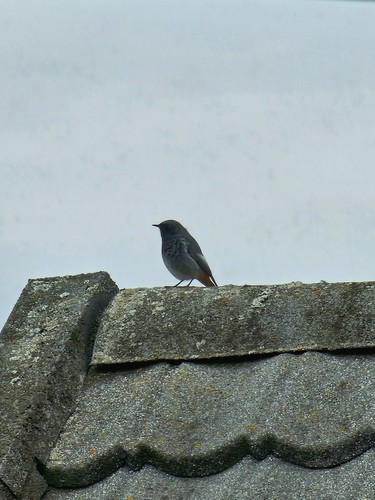
Black Redstart
13-14.5 cm (5.1-5.7 in) long, 23-26 cm wingspan
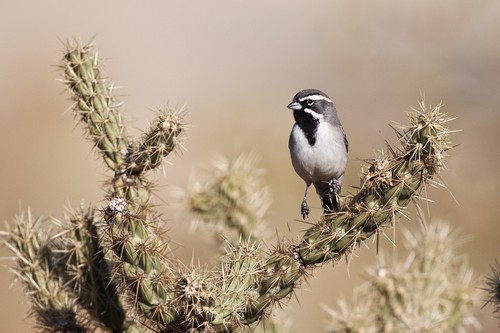
Black-throated Sparrow
12-14 cm (4.7-5.5 in) long, about 19-20 cm (7.5-8 in) wingspan
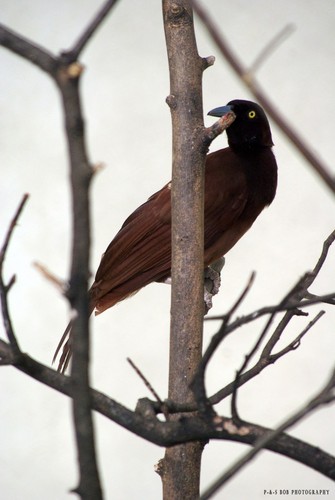
Greater Bird-of-paradise
Body about 43 cm; males with additional flank plumes up to 50 cm and long tail wires
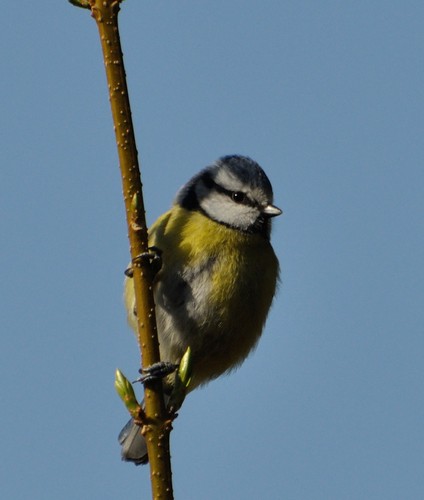
Blue Tit
11-12 cm (4.3-4.7 in) long, 17-20 cm wingspan
Red-billed Quelea
11.5–13 cm long, wingspan about 20–22 cm
White-plumed Antbird
13-14 cm (5-5.5 in) long
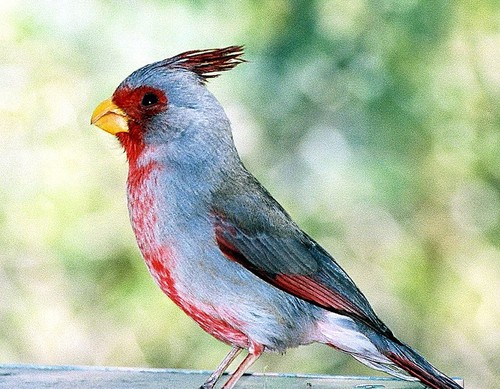
Pyrrhuloxia
19-22 cm (7.5-8.7 in) long, 30 cm wingspan
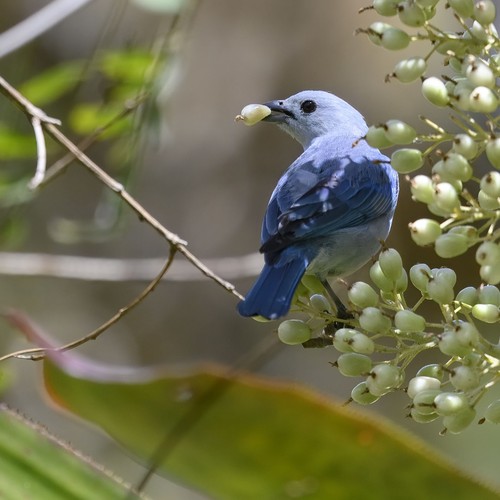
Blue-gray Tanager
16-18 cm (6-7 in) long
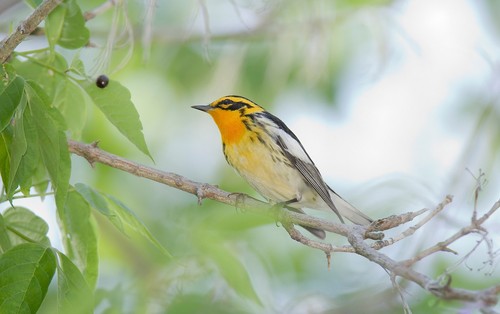
Blackburnian Warbler
11-13 cm (4.3-5.1 in) long, 20-22 cm wingspan
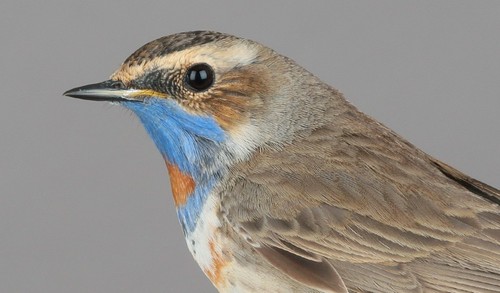
Bluethroat
13-14 cm (5.1-5.5 in) long, 20-22 cm wingspan
Eurasian Nuthatch
12-14.5 cm (4.7-5.7 in) long, 22.5-27 cm wingspan
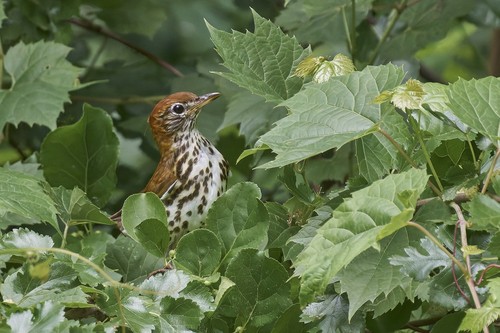
Wood Thrush
19-21 cm (7.5-8.3 in) long, about 33 cm (13 in) wingspan