
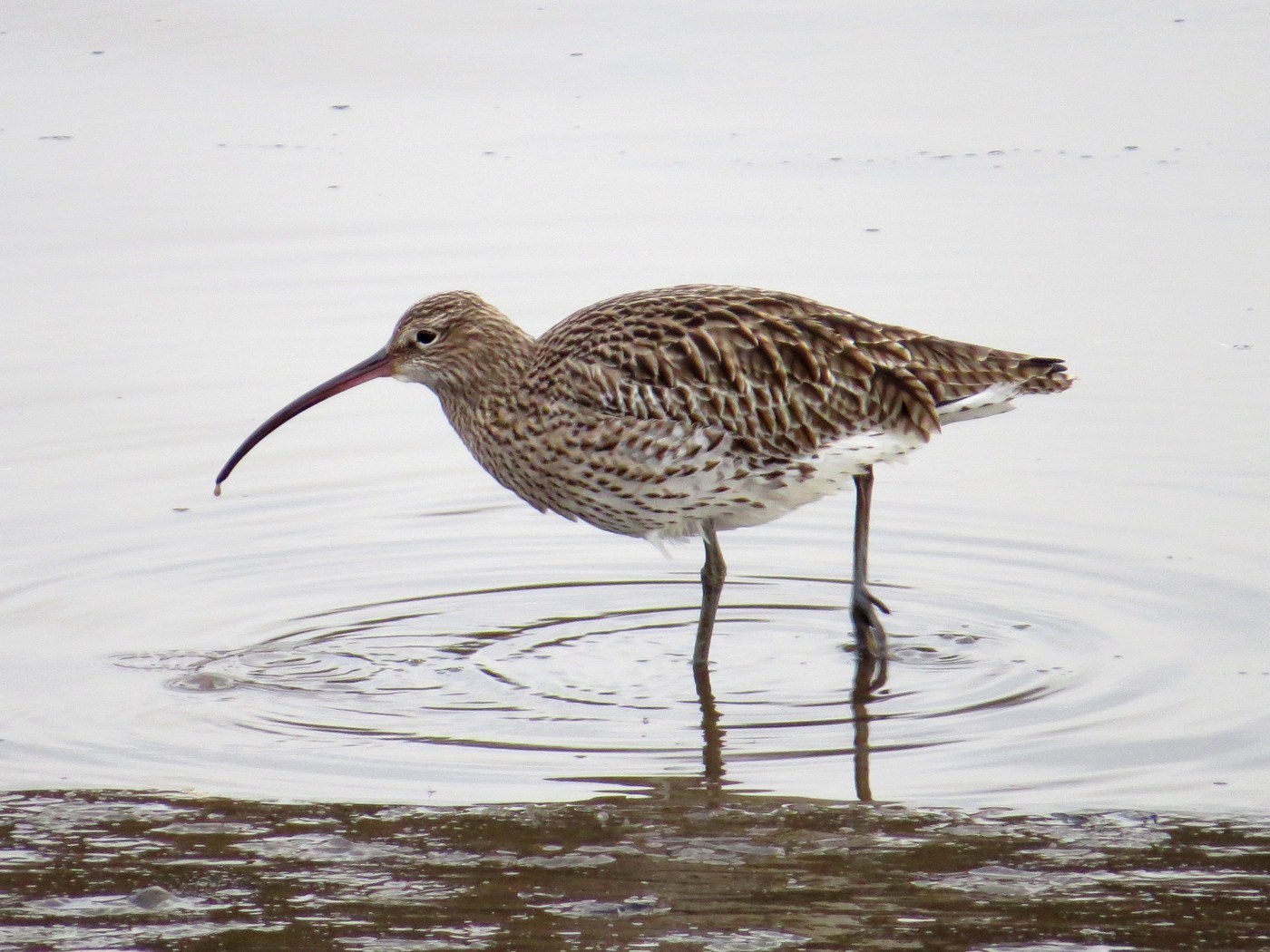
Eurasian Curlew
Numenius arquata
The largest wader in Europe, with a long downcurved bill and a haunting, bubbling call that echoes across moorland and estuaries alike.
- Size
- 50-60 cm (20-24 in) long, 80-100 cm wingspan
- Habitat
- moorland, bogs, and wet grassland (breeding); estuaries and coastal mudflats (non-breeding)
- Type
- shorebird
Spotted a bird like this?
Identify any bird from a photo, free.
Overview
The Eurasian Curlew is a large, streaky brown shorebird and the largest wading bird native to Europe. It has a long, evenly downcurved bill, longer in females than males, used to probe deeply for buried prey. Plumage is warm buffy-brown, heavily streaked with dark brown above and on the breast, fading to whiter, less marked underparts and a conspicuous white rump and lower back visible in flight.
Its evocative, bubbling call, delivered especially during display flights over breeding moorland, has made it a culturally significant bird across much of its range, associated with wild, open landscapes.
Once common and widespread, the species has undergone significant declines across parts of Europe due to loss and degradation of breeding habitat, leading to its uplisting to Near Threatened.
How to identify it
Key field marks
- Long, evenly downcurved bill
- Streaky brown plumage overall, whiter belly
- Conspicuous white rump extending up the back, visible in flight
- Large size, notably bigger than a Whimbrel
Similar species
- Whimbrel is smaller with a shorter bill and a bold striped crown pattern, lacking the plain head of the Eurasian Curlew.
- Slender-billed Curlew (extremely rare, possibly extinct) is smaller and paler with spotted (not streaked) flanks.
- Bar-tailed Godwit has an upturned, not downcurved, bill.
Habitat & range
Eurasian Curlews breed on upland moorland, bogs, wet meadows, and rough grassland across Britain, continental Europe, and Asia. Outside the breeding season they move to estuaries, coastal mudflats, and salt marshes, where large numbers may gather to feed and roost, from western Europe to Africa and southern Asia.
Habitat loss and changes in land management on both breeding moorland and wintering estuaries have contributed to population declines across much of its range.
Behavior & voice
Voice
A haunting, rising, bubbling call, often rendered as cur-lee or a long trilling song delivered in display flight over breeding territory—one of the most evocative sounds of European moorland and coast.
Feeding
Probes deeply into mud, wet soil, and sand with its long bill for worms, mollusks, and crustaceans; also takes insects and their larvae on breeding grounds.
Nesting
Nests on the ground in a shallow scrape amid moorland vegetation, rough grass, or bog. Both parents share incubation, and pairs perform display flights with rich, bubbling song over their territory during the breeding season.
Frequently asked questions
Why is the Eurasian Curlew's call so distinctive?
Its rising, bubbling cur-lee call and trilling song, delivered especially during display flights, are among the most evocative and easily recognized sounds of moorland and estuary habitats.
How do you tell it apart from a Whimbrel?
The Eurasian Curlew is larger with a longer bill and a plain head, whereas the Whimbrel is smaller with a shorter bill and bold dark crown stripes.
Why is the Eurasian Curlew declining?
Loss and degradation of moorland and wet grassland breeding habitat, along with pressures on wintering estuaries, have driven significant population declines in parts of Europe.
What does the Eurasian Curlew eat?
Mainly worms, mollusks, and crustaceans probed from mud and soil, along with insects on its breeding grounds.
Eurasian Curlew guides
In-depth guides for identifying, finding, and understanding Eurasian Curlew.
Other birds you may enjoy
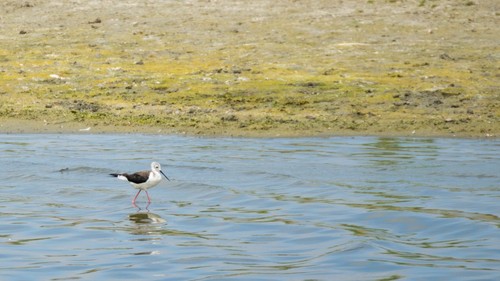
Black-winged Stilt
33-36 cm (13-14 in) long, wingspan 67-83 cm
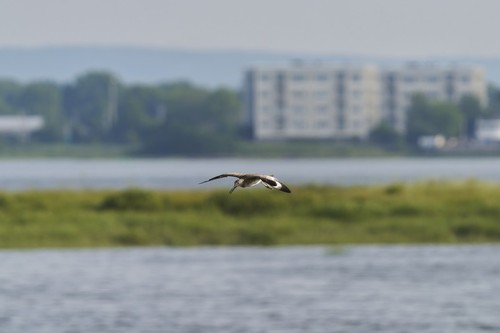
Willet
33-41 cm (13-16 in) long, 65-70 cm wingspan
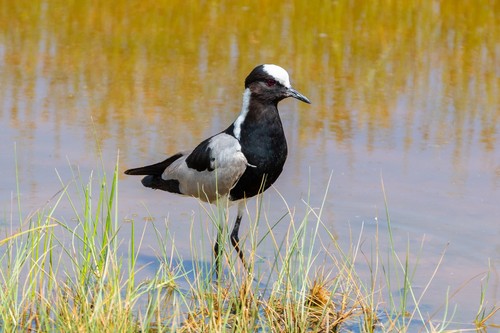
Blacksmith Lapwing
Body length about 30 cm; wingspan 55-65 cm
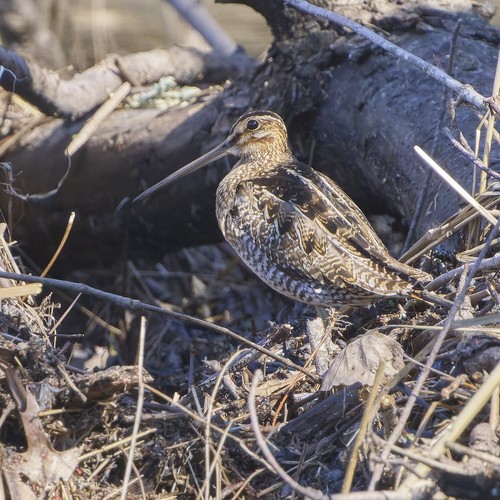
Wilson's Snipe
25-30 cm (10-12 in) long, 39-45 cm wingspan
Western Sandpiper
14-17 cm (5.5-6.7 in) long, 28-37 cm wingspan
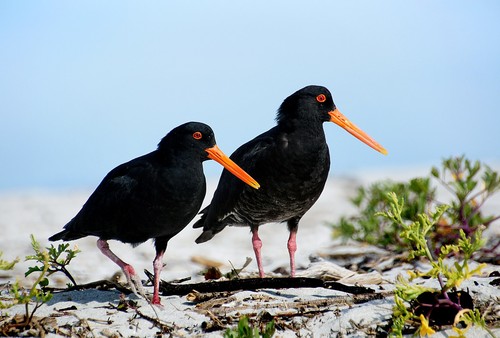
Variable Oystercatcher
46-49 cm (18-19 in) long
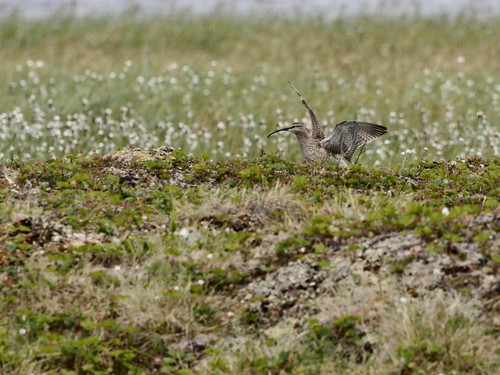
Whimbrel
40-46 cm (16-18 in) long, 76-89 cm wingspan
Wilson's Phalarope
22-24 cm (8.5-9.5 in) long, 37-43 cm wingspan
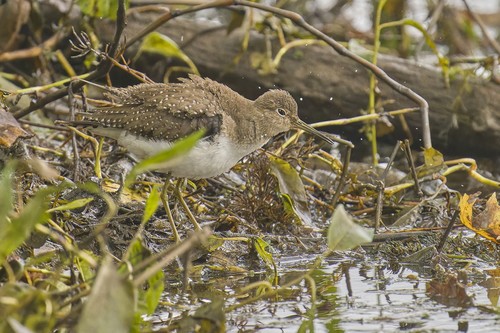
Solitary Sandpiper
19-23 cm (7.5-9 in) long, 50-56 cm wingspan
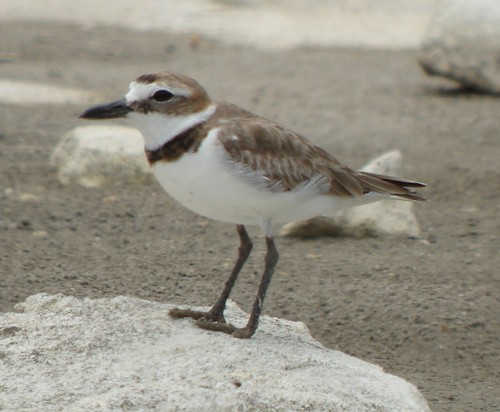
Wilson's Plover
17-19 cm (6.7-7.5 in) long, 45-50 cm wingspan
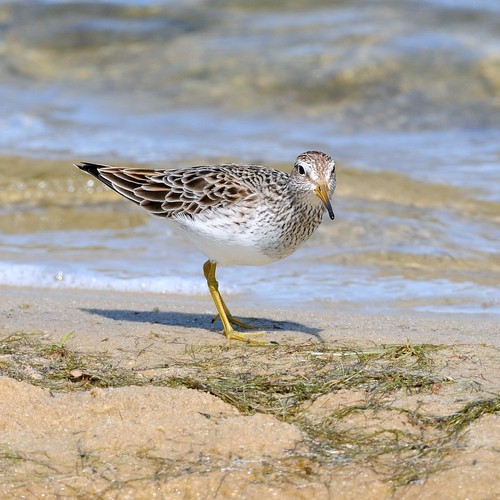
Pectoral Sandpiper
19-23 cm (7.5-9 in) long, 43-49 cm wingspan
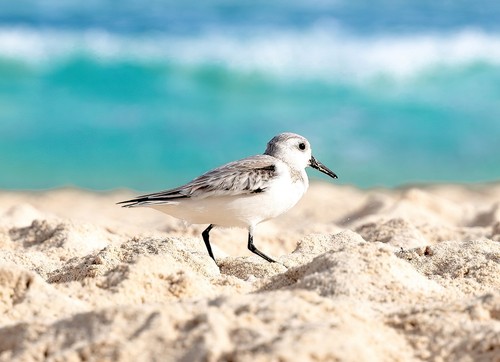
Sanderling
18-20 cm (7-8 in) long, 40-43 cm wingspan